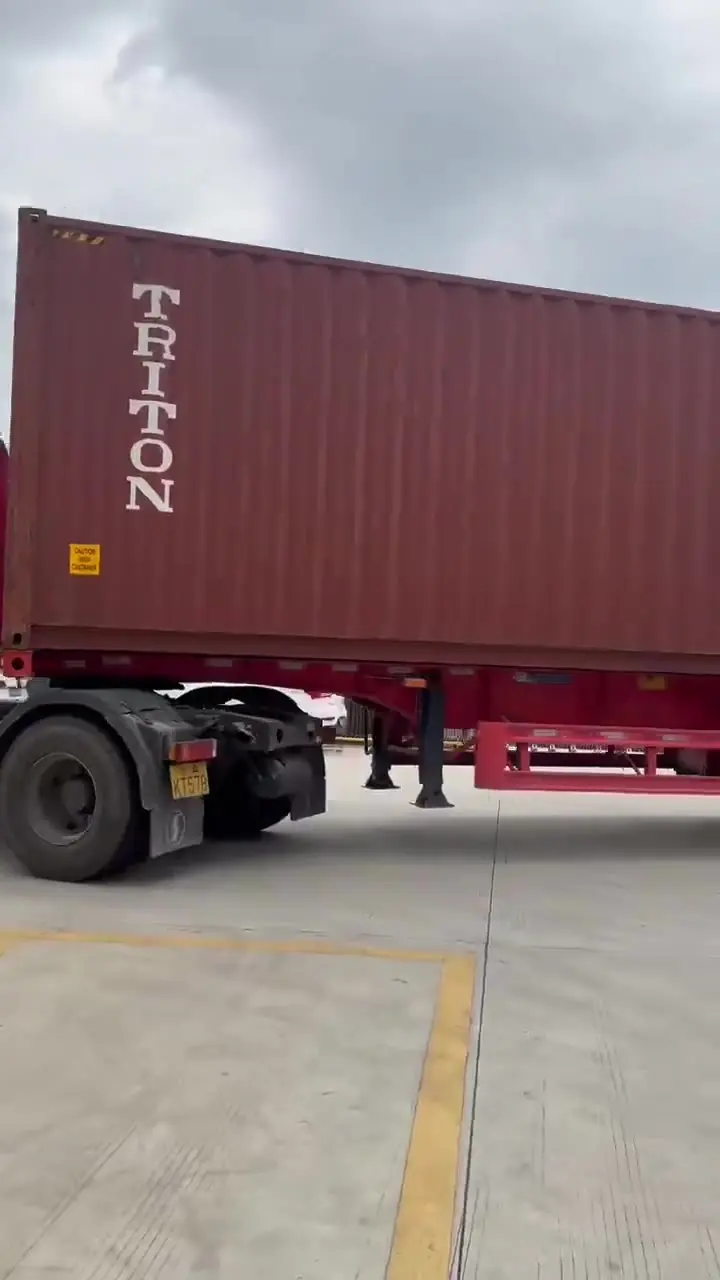
Order journey
Follow one real order from visit to receipt
Review customer visit, negotiation, inspection, pickup, loading and destination receipt as one connected operating record.
Supports: supplier execution and handoff reviewPrimary South America Commercial Hub
Build a controlled air fryer, blender, electric fan, rice cooker, bottled-water pump or vacuum sealer order for Brazil, Colombia, Chile, Peru, Argentina, Ecuador, Uruguay, Paraguay, Bolivia, Guyana, Suriname or Venezuela. Separate every country version, destination-language OEM file, electrical or charging identity, transaction route, carton plan, inspection and private quotation. Wholesale only. MOQ starts from 1000 PCS.
Operating Evidence Before Negotiation
These factory scenes and process records support buyer due diligence. They do not replace the approved sample, exact SKU file, destination inspection, transaction documents or model-specific compliance evidence.
Order journey
Review customer visit, negotiation, inspection, pickup, loading and destination receipt as one connected operating record.
Supports: supplier execution and handoff review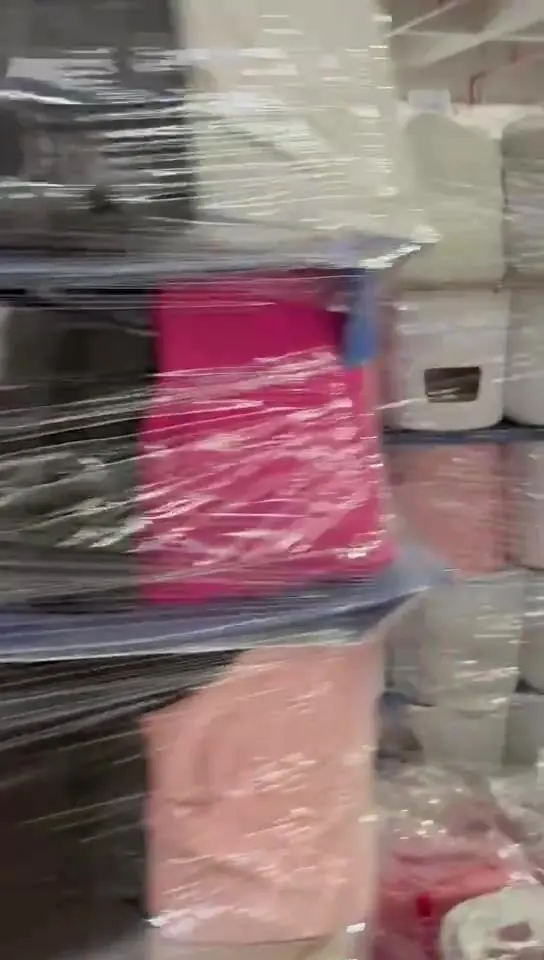
Supplier scope
Use real factory, showroom, warehouse and packing scenes to decide which supplier questions and model checks must come next.
Supports: supplier and category-scope verification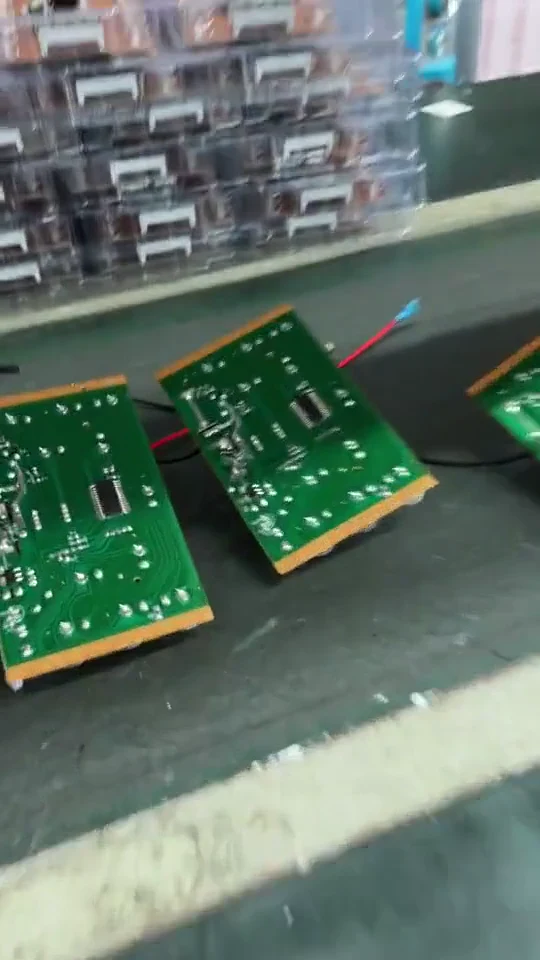
Version control
A workshop video shows production context; the order still needs an exact board, firmware or control identity and an approved inspection basis.
Supports: component and version-control questions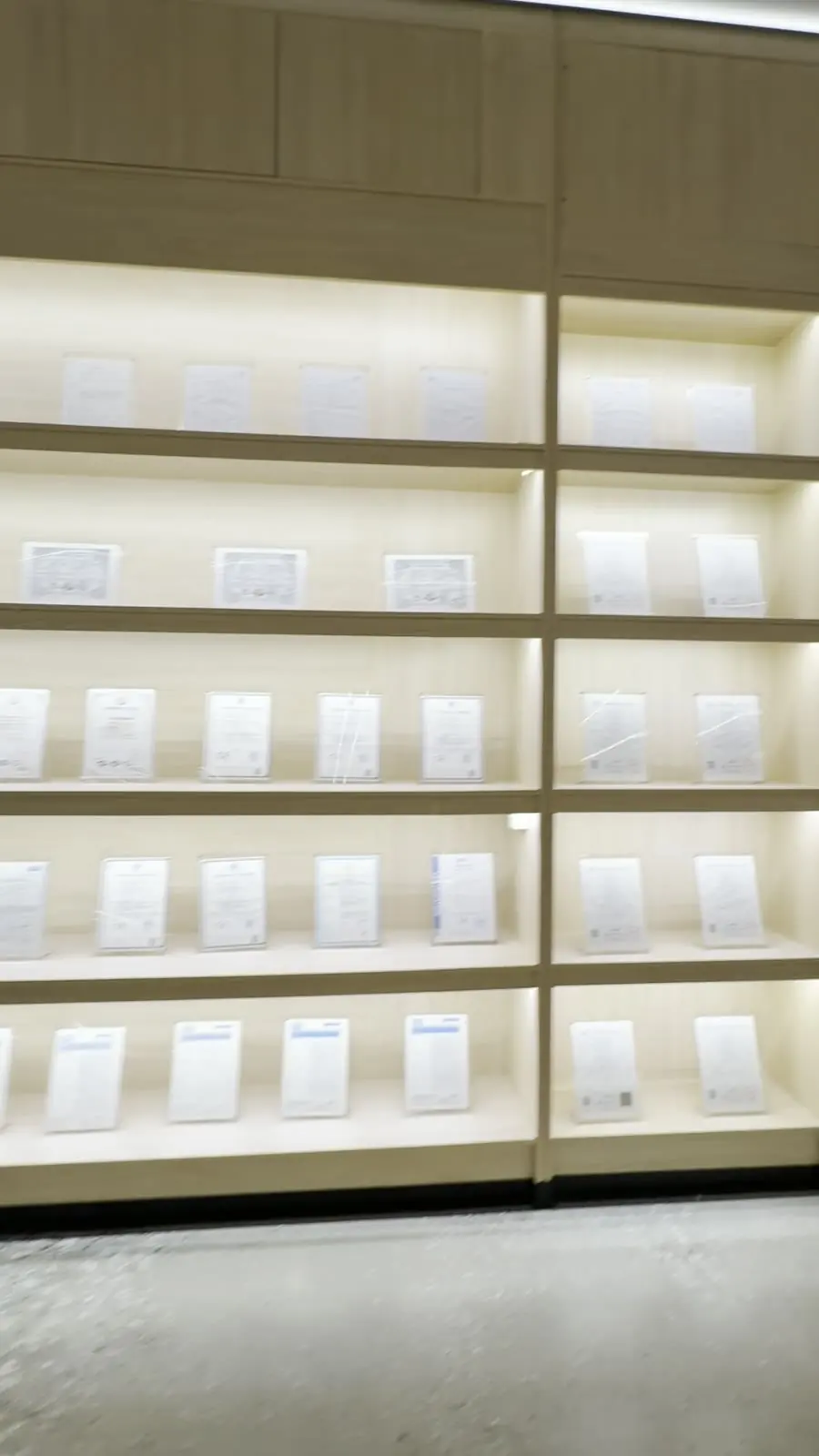
Document match
A certificate cabinet is not universal approval. Verify applicant, manufacturer, model list, standard, issue status and destination relevance.
Supports: model-level evidence due diligenceDirect Answer
South America is a commercial region, not one product version. Select the importing country, importer, sales channel and destination before comparing models or prices. Brazil requires a Portuguese project file; Colombia, Chile, Peru, Argentina, Ecuador, Uruguay, Paraguay, Bolivia and Venezuela require separate country-specific Spanish files; Guyana requires controlled English files; Suriname requires Dutch, English or buyer-approved bilingual files. Electrical identity, transaction feasibility, importer information, customs work, product requirements and inspection must remain tied to the exact country and SKU.
This page is the primary commercial entry for active South America sourcing projects. Use the Latin America regional version-planning guide when the buyer still needs to separate language, country, channel and electrical requirements before choosing a South American country route.
Strategic Partnership Operating Model
A useful South America sourcing relationship is not a one-time exchange of a product photo and a low price. The importer has information that the factory cannot responsibly invent: local buyer types, competing shelf or online offers, service expectations, destination costs, warehouse timing and channel feedback. Yaoyuan Electric can organize available product, supplier, component, sample, OEM, packing, production, inspection, mixed-container and replenishment inputs. The project becomes strategic when both sides exchange these resources through written decision gates.
Importer Contribution
Factory Contribution
Joint Decision Gates
Repeat-Order Learning
Country Sourcing Routes
Prepare a Brazilian product direction with buyer-confirmed electrical identity, Portuguese OEM files, importer information, product-specific evidence questions, carton records and inspection. Do not reuse a Spanish-language file as the Brazil release version.
Connect exact models to Colombian Spanish files, buyer-confirmed electrical and plug requirements, importing entity, destination route, product-specific evidence, customs inputs and inspection.
Freeze the model, destination electrical identity, Chilean Spanish artwork, responsible importer, applicable product questions, authorized review route, shipment basis and release evidence.
Define a Peruvian product version, Spanish OEM scope, importing party, current destination requirements, carton and landed-cost inputs, inspection protocol and private quotation basis.
Keep the Argentine electrical and commercial version separate, including exact model, Spanish files, importer decisions, current evidence questions, trade term, destination and inspection.
Confirm the real destination version rather than inferring it from a catalog voltage field. Control Ecuadorian Spanish files, importer data, current market-entry questions, sample, packing and inspection.
Combine importer market evidence with controlled products, Uruguay Spanish files, URSEA and VUCE questions, AEE registration review, customs inputs, inspection and repeat-order planning.
Combine importer evidence with controlled 220V/50Hz or charging versions, Paraguay Spanish files, INTN and VUI questions, digital customs inputs, inspection and repeat-order planning.
Combine importer evidence with controlled 220V/50Hz or charging versions, Bolivia Spanish files, IBMETRO and VUCE/SUMA questions, foreign-port transit, inland delivery, inspection and repeat-order planning.
Combine importer evidence with exact sales-area electrical or charging versions, English files, GNBS product and label questions, GRA C72 and ASYCUDA inputs, ocean arrival, inspection and repeat-order planning.
Connect KKF and channel evidence to exact sales-area electrical identity, Dutch or English files, SSB scope, IUD goods-category questions, cargo handoff, inspection and measured reorders.
Connect importer and channel evidence to exact regional versions, Spanish files, SENCAMER and SENIAT questions, payment and carrier feasibility, landed economics, inspection and repeat orders.
Choose a product because it has a defined role in the buyer's channel, not because it fills catalog space. Every selected SKU needs an exact model direction, quantity, destination version, approved sample, packing file and inspection basis. Use the regional product pages to compare the available public directions, then move to the matching country page before final approval.
Compare capacity, controls, basket, window, heater direction, protection, packing and source conflicts before creating the country version.
Compare 24 published air fryer wholesale models
Bolivia strategic route | Paraguay strategic route | Uruguay strategic route | Venezuela strategic routeFreeze motor, jar, blade, coupling, intended ingredients, duty cycle, food-contact components, electrical identity and OEM files.
Compare 17 published blender and juicer models
Venezuela strategic routeWork backward from the buyer's warehouse-ready objective, then control motor, blade, guard, oscillation, stand, controls and electrical or charging version.
Compare published electric fan wholesale models
Venezuela strategic routeDefine heater, protection, inner pot, coating, lid, steam path, controls, accessories, cooking protocol and packing without hiding catalog conflicts.
Compare 16 published rice cooker wholesale models
Venezuela strategic routeTreat the family name as a discovery route, then control the exact basket, pot, drainage system, rice protocol, electrical identity, destination-language claim boundary, food-contact evidence, inspection and repeat-order scorecard.
Brazil strategic routeApprove representative bottle and cap fit, adaptor, hose, pump, PCB, battery, charging input, water-contact path, accessories and transport evidence.
Compare 37 published bottled-water pump models
Uruguay strategic route | Venezuela strategic routeFreeze model, whisk system, charging construction, battery identity, destination-language files, food-contact questions, transport evidence, inspection and repeat-order scorecard.
Brazil strategic routeChoose by ingredient task and complete SKU: capacity, cup, lid, blade, motor, battery, charging package, destination-language files, food-contact evidence, inspection and repeat-order scorecard.
Brazil strategic routeFreeze beverage task, usable fill, cup, lid, gasket, blade base, battery, charging package, destination-language files, food-contact evidence, leakage test, inspection and repeat-order scorecard.
Brazil strategic routeFreeze speed route, motor, exact whisk set and material, battery, charging package, light-mixing protocol, destination-language files, food-contact evidence, inspection and repeat-order scorecard.
Brazil strategic routeFreeze the current sample, bottle and cork protocol, battery and charging system, accessory set, destination-language files, retail presentation, inspection and repeat-order identity.
Brazil strategic routeSeparate small and large CBJ-013 routes, then freeze pan material, usable area, freezer and ingredient protocol, scrapers, destination-language files, food-contact evidence, inspection and repeat-order identity.
Brazil strategic routeFreeze voltage, plug and cord, speed route, exact attachments, representative mixing protocol, destination-language files, food-contact evidence, inspection and repeat-order identity.
Brazil strategic routeSeparate appearance and packing routes, then freeze the complete piece list, blade and handle construction, destination-language files, food-contact evidence, protective packing, inspection and repeat-order identity.
Brazil strategic routeFreeze the physical sample, dimensions, electrical identity, destination plug and cord, controller, cooking protocol, food-contact construction, language files, protective packing, inspection and repeat-order identity.
Brazil strategic routeCorrect conflicting set counts, name every component, map materials and intended use, align destination-language files, verify packing and keep one approved repeat-order revision.
Brazil strategic routeSeparate ceramic and induction identity, then control burner route, ratings, plug, cord, cookware tests, labels and country-specific evidence questions.
Compare published electric cooktop and ceramic hob models
Brazil route | Colombia route | Chile route | Peru route | Argentina route | Ecuador route | Venezuela strategic routeSeparate compact, large, top-plate and coffee-maker combinations, then control cavity, heaters, thermostat, timer, functions, accessories, electrical load, country files and glass-protective packing.
Compare published oven and breakfast-maker models
Brazil strategic route | Venezuela strategic routeSeparate compact valve-bag pumps from bar-type machines, then freeze compatible consumables, electrical or charging identity, destination files, testing and inspection.
Compare published vacuum sealer wholesale models
Brazil route | Colombia route | Chile strategic route | Peru strategic route | Argentina strategic route | Ecuador strategic route | Uruguay strategic route | Paraguay strategic route | Bolivia strategic route | Guyana strategic route | Suriname strategic route | Venezuela strategic routeCompare round 28cm, round 32cm, square and retro routes, then control target foods, rack configuration, buyer test, country electrical identity, food-contact evidence and OEM files.
Brazil strategic routeCombine categories only after every SKU has an exact model, destination version, quantity, carton, evidence route, inspection basis and responsible approval owner.
Open South America container allocationReal Model Approval Layer
These model pages show the current public product facts and unresolved fields. They are comparison starting points, not claims that one electrical, language, packing or evidence file is ready for every South American country. Select the destination country and channel before sample, artwork, landed-cost comparison or production approval.
Catalog Candidate
Published catalog baseline: 6L, 2400W and AC220-240V. Confirm whether the destination requires 127V or 220-240V, 50Hz or 60Hz, the local plug, language and food-contact file.
Open the South America air fryer routeCatalog Candidate
Published catalog direction: 3-in-1, 3.5L, 800W and AC220-240V; reconcile the source records before release. Freeze the destination electrical identity, jar and blade construction, intended ingredients, language and food-contact evidence.
Open the South America blender routeCatalog Candidate
Published catalog baseline: 18-inch, AC220-240V and 2 PCS per carton; rated power remains open. Confirm the receiving season, motor and coil route, destination frequency, plug, carton strength and exact loading plan.
Open the South America fan sourcing guideCatalog Candidate
Published catalog baseline: 5L and AC220-240V; the current records show conflicting power values that require approval. Resolve the power conflict, then approve the pot, coating, cooking protocol, destination language and plug before quotation comparison.
Open the South America rice cooker routeCatalog Candidate
Published catalog baseline: DC5V/5W, PP construction and a 490 x 410 x 365 mm packing reference. Confirm battery and charging construction, bottle and hose fit, water-contact path, language, included accessories and transport handoff.
Open the South America water pump routeCatalog Candidate
Published catalog baseline: 2400W, AC220-240V and a single-burner ceramic-hob direction. Confirm the destination circuit, plug and cord, heating and cookware test, Spanish or Portuguese files and importer evidence questions.
Open the South America ceramic hob routeCatalog Candidate
Published catalog baseline: 25L, 2400W and AC220-240V; the exact order identity still requires confirmation. Confirm destination load, plug and cord, heater and thermostat route, cooking test, language files, glass protection and carton revision.
Open the oven sourcing routeSend the destination country, buyer company and channel, exact model candidate, quantity by SKU, electrical and language requirements, OEM scope, destination port, trade term, receiving window and evidence questions. Yaoyuan will organize the factory response around that brief; availability, specification, documentation, timing and commercial terms remain order-specific.
Milk frothers, food choppers, portable blender cups, egg beaters, electric wine openers and rechargeable bottled-water pumps can share container space, but they cannot share an assumed battery identity. For every selected SKU, freeze the finished-product model, battery manufacturer and model, recorded capacity, charging input, cable or adaptor, carton quantity, shipment route and the exact transport documents available for that construction.
Use the rechargeable appliance battery and UN38.3 transport handoff guide before sample approval and freight booking. A battery statement, test summary or document for one product is not evidence for another product unless the identifiers and construction actually match.
The Brazil routes above are country-specific decision files. Importers in other South American countries may use their control questions as a preparation checklist, but must submit their own destination country, language, importing entity, product classification, market-entry questions and carrier requirements. Brazilian evidence, artwork or commercial decisions should never be copied automatically into another country release.
Portuguese, Spanish, English and buyer-approved Dutch or bilingual artwork should not be treated as interchangeable. Build separate controlled files for product labels, rating information, warnings, instructions, color boxes, barcodes, importer details and master-carton marks. Country terminology and responsible-party information can differ even where the product construction is similar.
Give each artwork set a revision number, approval date and named approver. The buyer remains responsible for translation accuracy, importer identity, local statements and market claims. Yaoyuan Electric can place buyer-approved information into the agreed format, but it should not invent product approvals, legal claims, demand claims or third-party information.
Do not assign one voltage, frequency or plug to the whole region. For every country and SKU, confirm rated input, frequency, plug, cord, grounding, protection parts and intended use. For rechargeable products, also freeze the battery manufacturer and model, capacity record, charging input, cable, optional adaptor and transport-document identity.
A broad catalog voltage field, plug photo or battery capacity does not establish the final destination version, runtime, charging time, transport acceptance or local market suitability. Approve a current sample and signed specification for the actual order. Any later change to a motor, heater, PCB, protection part, battery, power supply, plug or cord should reopen the affected evidence, artwork and inspection items.
Each supplier row should identify the same model, construction, quantity, accessories, individual packing, units per carton, carton dimensions, weights, OEM scope, inspection, trade term, China handoff point, destination port and required date. An undefined photo price is not comparable with a complete private-label order.
Use the South America landed-cost and comparable RFQ guide to separate factory-controlled product and packing inputs from freight, customs, tax, destination, local compliance, channel and working-capital values supplied by the importer and qualified local parties. No universal duty, tax, freight, local selling price, margin or profit figure is published.
A mixed container can support a broader assortment, but it does not remove model MOQ or combine product responsibilities. Assign a commercial role to every SKU, then confirm model, country version, quantity, accessories, artwork, carton, CBM, weight, evidence route and inspection criteria separately.
Use the South America mixed-container sourcing process to reconcile loading and shared cost allocation from production-intent cartons. Keep Brazil and Spanish-speaking destinations separate when the shipment contains country-specific versions. A theoretical CBM total is not a guaranteed loading quantity.
Record the approved sample's model, country, ratings, components, functions, accessories, labels, artwork revision and buyer tests. List temporary sample differences before approval. Connect available reports, declarations, material files, battery records and factory evidence to the exact construction they actually cover; a document for another model or component is only reference material.
The importer and qualified local parties own current destination regulation, conformity, classification, customs, tax, language, channel and market-release decisions. Yaoyuan coordinates available legitimate factory-side product, sample, component, artwork, packing, production and inspection inputs. Neither party should treat a general supplier statement as a substitute for exact evidence.
Define inspection before production finishes. The checklist can cover purchase-order identity, model, country version, quantity, ratings, plug or charging accessories, critical components, functions, workmanship, approved artwork, individual packing, carton marks and buyer-specific tests. Product-specific checks should reflect intended use and known failure risks.
Inspection verifies the presented lot against agreed criteria; it does not create conformity or guarantee delivery, demand or sales. Record sampling, acceptance criteria, deviations, photos, batch identity and release authority. When one shipment contains several countries or SKUs, report them separately so one acceptable item does not hide an uncontrolled version.
An importer supplying independent appliance dealers needs a different assortment and documentation flow from a supermarket group, regional distributor or private-label brand. State the planned channel before model selection. Define the expected shelf position, replacement route, spare-part questions, operator language, barcode ownership, packaging durability and receiving process. These inputs help remove unsuitable models before sampling; they do not prove future demand or sales.
Prepare an order-specific service file before shipment. It should identify the importer contact, model and batch reference, approved troubleshooting information, available replacement components, evidence needed for a claim, response route and authority for any commercial remedy. Warranty periods, spare-part quantities, compensation and claim outcomes require written agreement for the actual order. A clear service file protects repeat-order decisions without creating an unsupported universal warranty promise.
Name the importer, destination, sales route, language and warehouse-ready objective.
Give every SKU a commercial role, quantity and current catalog or sample reference.
Control electrical or charging identity, functions, accessories, components, sample and specification.
Qualified local parties confirm current product, importer, customs, tax, language and channel routes.
Release controlled labels, manuals, boxes, barcodes, importer information and carton marks.
Compare the same product, packing, evidence, inspection, trade term and destination inputs.
Verify the agreed lot, artwork, packing and evidence references before shipment authorization.
Connect destination findings, claims, approved changes and replenishment to the exact order file.
South America Strategic Partnership Route
This route is for established importers, distributors, retail buying teams and private-label businesses with a named country, sales channel, category direction and repeat-order objective. The buyer contributes local channel, comparable-offer, inventory, landed-cost, service and sell-through evidence. Yaoyuan Electric can coordinate available product, supplier, component, sample, Portuguese or Spanish OEM, packing, production, inspection, mixed-container and replenishment resources.
Buyer Contribution
Factory Contribution
Joint Decision Gates
Private South America Wholesale RFQ
Send buyer company, importing country and entity, sales channel, product categories, exact models or model positions, quantity by SKU, electrical or charging version, Portuguese or Spanish OEM scope, evidence questions, carton or pallet requirements, inspection, trade term, destination port and warehouse-ready objective. Yaoyuan Electric will review available factory-side routes without promising local approval, delivery, demand, sales, margin or profit.