Wholesale Only | Four Verified Selection Routes

Food Dehydrator Wholesale Selection for Importers

Compare four verified food dehydrator directions from the source catalog: round 28cm, round 32cm, square and new retro. The workbook provides selected control, shape, rack type and rack-height references, but it does not provide model numbers, temperature ranges, timer ranges, wattage, voltage, packed dimensions or performance results for these routes.

MOQ starts from 1000 PCS. Retail and one-piece orders are not accepted. Prices remain private. A quotation requires the target foods, preferred control, tray direction, quantity, country, OEM packing, destination and buyer inspection requirements.

Round food dehydrator wholesale selection for importers

Verified Catalog Routes

Choose a route before discussing private price

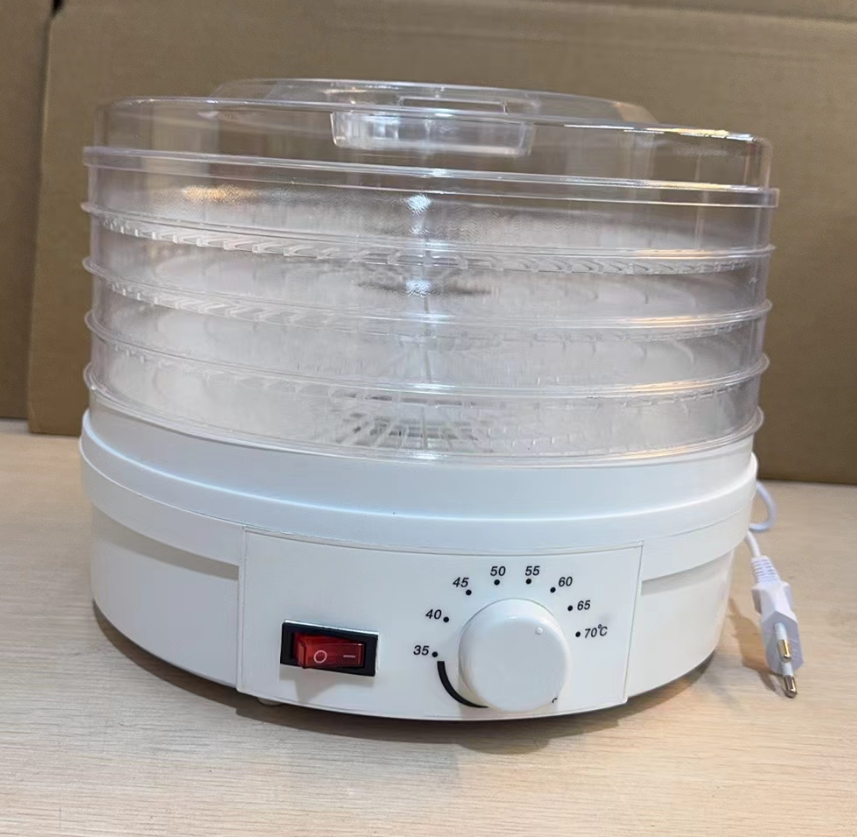
Round 28cm Food Dehydrators wholesale catalog direction

Food Dehydrator Route

Round 28cm Food Dehydrators

  • Control directions: Mechanical and digital
  • Published diameter: 28cm
  • Rack directions: Fixed and adjustable
  • Published rack heights: 3.0cm, 4.5cm and 8.0cm

The source workbook separates mechanical and digital 28cm round directions. Published rows include fixed 3.0cm, 4.5cm and 8.0cm rack-height references plus an adjustable 3.0cm direction.

Round 32cm Food Dehydrators wholesale catalog direction

Food Dehydrator Route

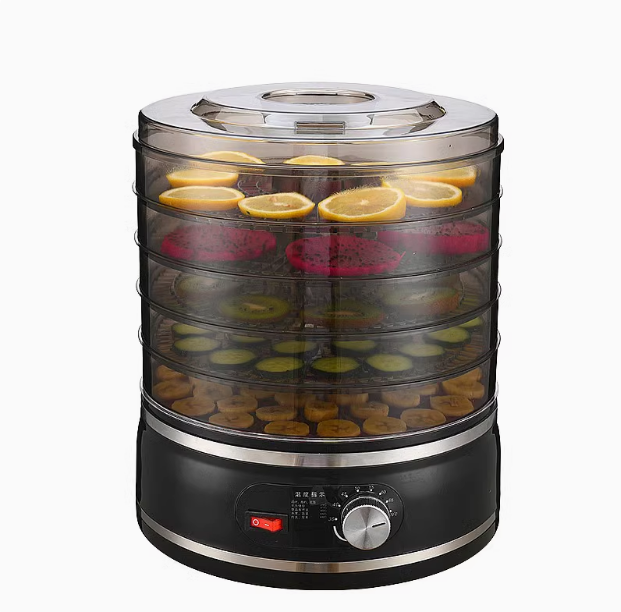
Round 32cm Food Dehydrators

  • Control directions: Mechanical and digital
  • Published diameter: 32cm
  • Rack direction: Fixed
  • Published rack height: 3.5cm

The source workbook contains one mechanical and one digital 32cm round direction. Both publish a fixed 3.5cm rack-height reference and a 10cm main-unit reference before the selected rack.

Square Food Dehydrators wholesale catalog direction

Food Dehydrator Route

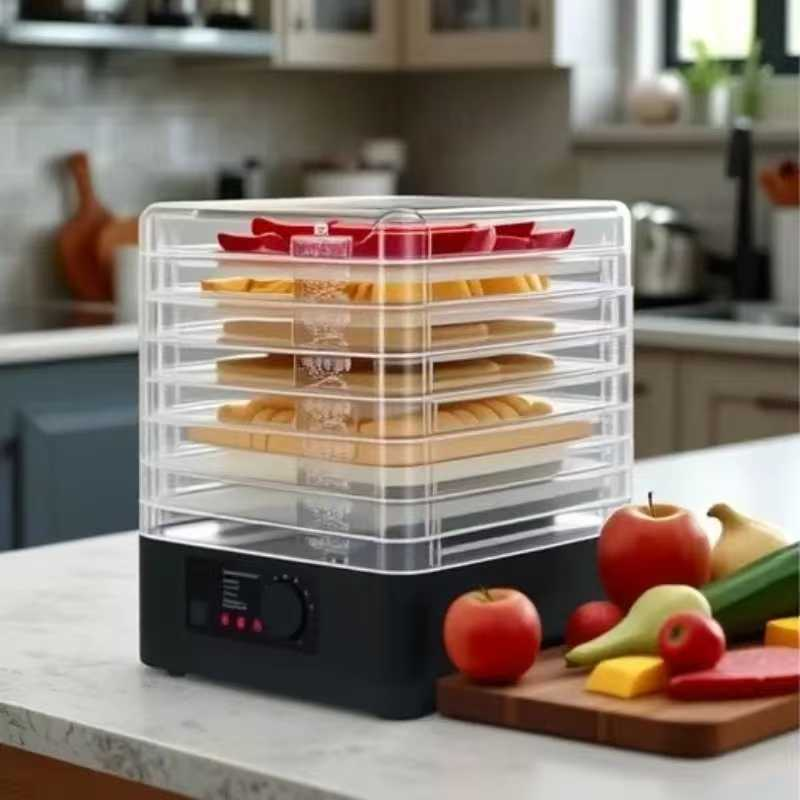
Square Food Dehydrators

  • Control directions: Mechanical, timer + knob and digital
  • Published shape: Square
  • Rack direction: Fixed
  • Published rack height: 3.5cm

The square supply table separates mechanical, timer-and-knob and digital pictured directions. Published rows use fixed 3.5cm racks and show 9cm or 10cm main-unit references before the selected rack.

New Retro Food Dehydrators wholesale catalog direction

Food Dehydrator Route

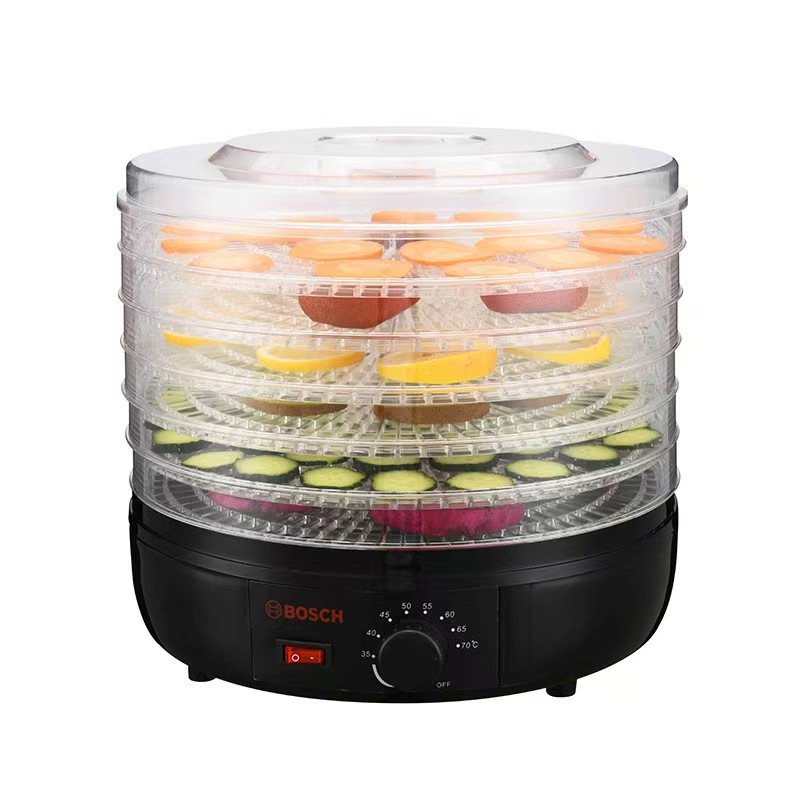
New Retro Food Dehydrators

  • Published family: New Retro Model
  • Pictured directions: Three appearance groups
  • Rack directions: Fixed and adjustable
  • Published rack heights: 3.0cm, 4.5cm and 8.0cm

The source workbook shows three pictured new-retro appearance directions. Each group lists fixed 3.0cm, 4.5cm and 8.0cm rack routes plus an adjustable 3.0cm route.

Catalog Boundary

These are selection routes, not invented model pages

What the source verifies

The original workbook verifies the four shape or appearance families, pictured product directions, selected mechanical or digital control wording, fixed or adjustable rack wording and published rack-height references.

What remains unconfirmed

The source does not publish model codes, rated power, voltage, frequency, plug, temperature range, timer range, tray material map, food-contact evidence, drying performance, noise, accessories, packing dimensions or loading quantity.

Why public prices are excluded

The internal supply table contains commercial references, but price is not displayed because product direction, tray count, electrical version, packing, quantity, trade term and destination must first be aligned.

Why sample identity matters

Several rows share broad labels such as mechanical, digital or new retro without model numbers. The current physical sample, dated image and signed specification must define the actual order version.

Importer Decision Framework

Ten checks before a food dehydrator order

1. Start with the target foods

Tell us whether the project is intended for fruit, vegetables, herbs, meat, pet treats or another buyer-defined use. Food thickness, moisture, loading pattern and required finished condition influence tray and test selection. A catalog photo cannot prove a drying result.

2. Select shape by channel and logistics

Round and square routes create different product footprints, shelf presentations and carton plans. Compare physical samples and final packing rather than assuming one shape is more efficient for every warehouse or retailer.

3. Freeze mechanical or digital control

Control type changes the user interface, manual, artwork and inspection method. Confirm the exact current panel and observable operation. Do not infer timer, temperature or program ranges from the words mechanical or digital.

4. Define tray height and layer count together

The source includes 3.0cm, 3.5cm, 4.5cm and 8.0cm rack-height references across different routes. Taller racks may suit thicker items but also change overall height and packing. State the final rack height and layer count on one signed order document.

5. Clarify fixed and adjustable wording

Some 28cm and retro rows are described as adjustable while others are fixed. Ask what is physically adjustable on the current sample and how it should be demonstrated. Do not turn a catalog label into an unsupported functional claim.

6. Map every food-contact component

The source rack-color field includes unusual wording such as transparent, matte black and PP. This is not a complete component-material declaration. Confirm tray, lid and food-contact materials for the exact sample and destination requirement.

7. Run a buyer-defined sample test

Agree the food type, slice thickness, loading per tray, tray positions, operating settings, observation points and target result. Record the sample version and method so production inspection is based on evidence rather than a general promise.

8. Recalculate packing after configuration

Tray count, rack height, accessories and OEM protection affect color-box size, master-carton cube and freight. Do not calculate landed cost from an unapproved picture or an internal supply-table row.

9. Keep OEM claims within verified scope

Logo, color box, manual language and carton marks can be discussed after the order version is confirmed. Artwork must not add untested drying time, temperature, material, health or food-safety claims.

10. Inspect the complete order identity

Pre-shipment inspection should check the approved appearance, control panel, rack type, rack height, layer count, electrical version, included contents, artwork, packing, quantity and agreed operation test.
Comparable Quotation Boundary

Four lines that must match before a price comparison

Exact sample identity

A quotation should name the selected route and attach a dated image or sample reference for the exact control panel and exterior. Broad words such as digital, mechanical, square or retro are not enough to distinguish similar pictured directions. If the physical sample changes, the quotation and approval record must change with it.

Complete rack configuration

State fixed or adjustable wording, rack height, final layer count and included tray set on the same line. A lower unit price with fewer or different racks is not comparable with a complete multi-layer configuration. The buyer should also state the food size that the rack choice is intended to accommodate.

Electrical and document version

Voltage, frequency, plug, cord, rating label, manual language and destination-market document requirements must be defined before commercial comparison. The workbook does not publish these fields for the dehydrator routes. They cannot be borrowed from another appliance or assumed from a product image.

Packing and delivery boundary

Confirm unit protection, color box, master carton, quantity per carton, packed weight, trade term and named destination. Tray count and rack height can change carton cube. Freight and landed-cost decisions should use the approved packed sample, not the dimensions of a different route or an incomplete internal table.

Private Wholesale Quotation

Send a decision-ready buying brief

Send Complete Inquiry

Product basis

Send target foods, preferred route, control type, rack direction, rack height or layer requirement and any buyer-defined test.

Order basis

Send quantity, country, electrical requirement, OEM or neutral packing, required language, destination and inspection scope.

Commercial basis

Compare quotations only after the exact sample, accessories, packing, trade term and destination are aligned. Public price is not an executable order basis.

Next approval step

Shortlist the route, request the current sample and specification, then freeze one order identity before artwork, production or freight planning.

Related Procurement Controls

Connect model selection with order execution

WhatsApp