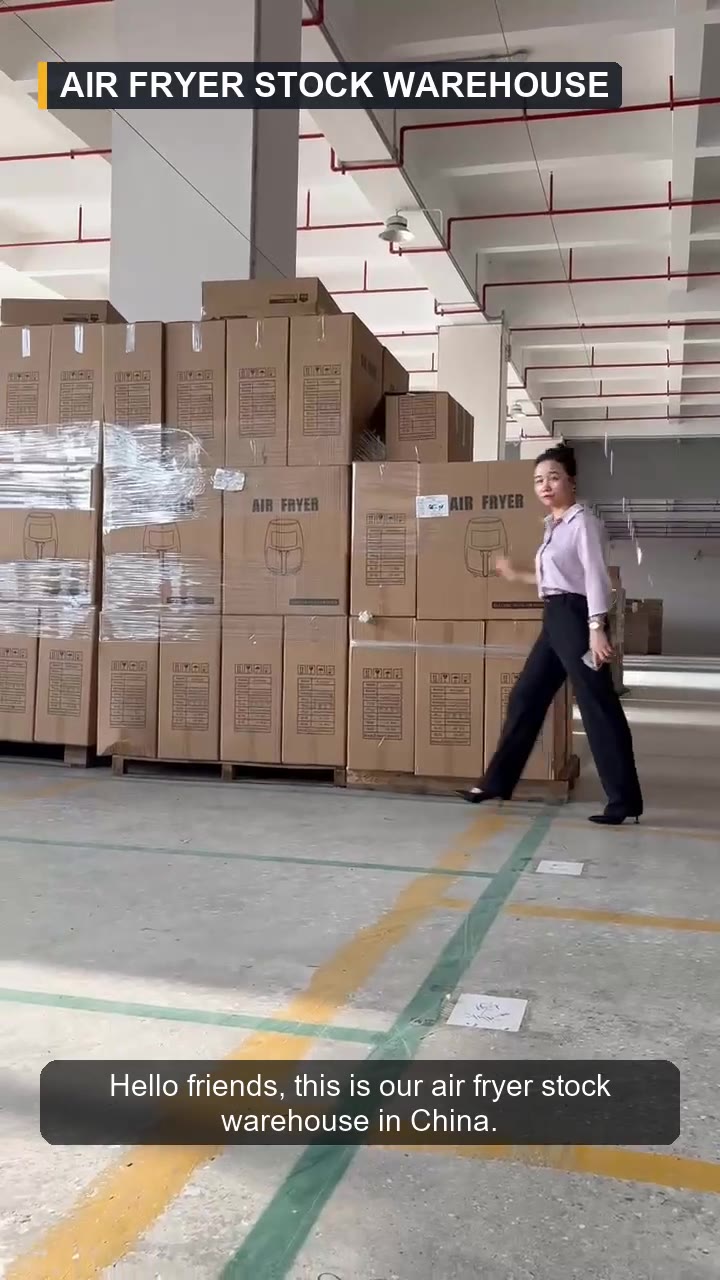
For appliance importers, the container arrival stage is where factory supply becomes local inventory. The order has passed production, inspection, loading and document control, but the buyer still needs a clean receiving process. If the container is opened without records, later problems become harder to prove and harder to solve.
Arrival control is not complicated. It is a practical routine: check the container identity, record the seal, photograph the opening, count cartons, separate models, record damage, test samples and prepare goods for the sales channel. This protects the importer, the factory relationship and the next reorder.
Check Container Number and Seal Before Opening
Before opening the container, the importer should confirm the container number and seal number against the bill of lading, loading photos and shipment documents. If the seal is broken, changed or unclear, the buyer should record evidence immediately before unloading starts.
This step protects the buyer if there is cargo damage, shortage or dispute after arrival. A photo or video of the closed container, seal and container number is simple but valuable.
Record the First Opening Video
The first opening video should show the container door, seal status, inside view and first visible carton condition. This is not only for social proof. It is a receiving record. If cartons are wet, collapsed, shifted or damaged, the buyer should record it before goods are moved.
For repeat cooperation, opening proof also helps the factory understand whether problems happened during loading, sea freight, port handling or local unloading.
Count Cartons Before Sorting
Carton count should happen before goods are separated into dealer or warehouse areas. The buyer should compare actual cartons with the packing list, model distribution and loading summary. For mixed container orders, this is especially important because air fryers, blenders, fans, rice cookers and water dispenser pumps may be packed together.
If carton count is not confirmed first, shortage or confusion may only appear after goods have already entered different sales channels.
Separate Models and Channels Clearly
After carton count, goods should be sorted by model, category and sales channel. Supermarket goods, wholesale dealer goods, online seller goods and spare stock may need different handling. OEM color box goods should be protected from dirty warehouse conditions and unnecessary repacking.
Clear model sorting also helps the importer understand which products are ready for immediate delivery and which products should be held for sample testing, dealer display or after-sales reserve.
Record Outer Carton Damage Immediately
If outer cartons are damaged, wet, crushed or opened, the buyer should record carton number, product category, visible condition and photos before discarding packaging. This evidence may be needed for freight claim, warehouse review, insurance discussion or factory analysis.
Not every damaged carton means the product inside is damaged. But if the record is missing, it becomes difficult to explain later where the issue started.
Open Sample Cartons for Arrival Testing
After receiving, the buyer should open sample cartons from each main category or model. The goal is to confirm that products arrived in sellable condition. For air fryers, check appearance, basket, handle, power label and heating response. For blenders, check jar, blade, switch and motor sound. For fans, check stand, blade, speed and oscillation. For water dispenser pumps, check charging and pumping response.
This testing should happen before large-scale dealer distribution. If a visible issue is found, the buyer can isolate the affected batch and communicate with the factory before the goods spread too widely.
Compare Arrival Condition with Loading Proof
Loading proof and arrival proof should be compared. If cartons were clean and stable during loading but arrived damaged, the importer can better understand whether the issue may relate to sea freight, port handling, inland transport or local unloading. This comparison is useful for improving the next shipment.
For strategic cooperation, this kind of evidence makes communication more objective. The discussion becomes about facts, not blame.
Prepare Dealer Delivery Based on Real Inventory
Dealer delivery should be based on received quantity, not only the original order plan. If some cartons need checking, repacking or holding, the buyer should not promise the full quantity to dealers immediately. A clean receiving report helps the importer plan distribution more safely.
This is especially important when the importer is building a brand or developing supermarket channels. The first local delivery experience affects dealer confidence.
Use Arrival Feedback for the Next Order
Arrival receiving is also the beginning of market feedback. The buyer can record carton strength, packing condition, product appearance, dealer reaction and first customer questions. This information helps adjust the next order: carton material, packing layout, color box design, accessory set, spare parts and product mix.
Import business is not only one shipment. A serious importer turns arrival data into better reorder decisions.
How Yaoyuan Electric Supports Arrival Review
Zhongshan Yaoyuan Electric Appliance Co., Ltd. supplies small home appliances for importers, distributors, wholesalers, supermarket buyers, appliance shops, online sellers with bulk demand and OEM brand customers. We support loading proof, shipment document coordination, product information, packing discussion and repeat-order improvement based on buyer arrival feedback.
MOQ starts from 1000 PCS. Wholesale only. Retail and one-piece orders are not accepted. To discuss container arrival and receiving control, please send product category, arrival condition, carton photos, sample test result, dealer feedback and next-order adjustment needs.
Container Arrival Receiving Checklist
- Check container number and seal number before opening
- Record the first opening video and visible carton condition
- Count total cartons before model sorting
- Separate goods by model, category and sales channel
- Record damaged, wet or crushed cartons before moving goods
- Open sample cartons for arrival function testing
- Compare arrival condition with loading proof and packing list
- Use arrival feedback to prepare the next reorder plan