Cooking
South America Importers | Multi-Category Wholesale | MOQ 1000 PCS
South America Mixed Container Small Appliance Supplier
Build one controlled assortment of air fryers, blenders, electric fans, rice cookers, bottled water pumps and selected kitchen appliances for Brazil, Colombia, Chile, Peru, Argentina, Ecuador or another defined South American destination.
A mixed container is not a shortcut around product approval or model MOQ. Each SKU still needs an exact construction, country electrical version, language file, carton record, quantity, inspection basis and landed-cost position before the purchase order is released. Wholesale only. No public prices.
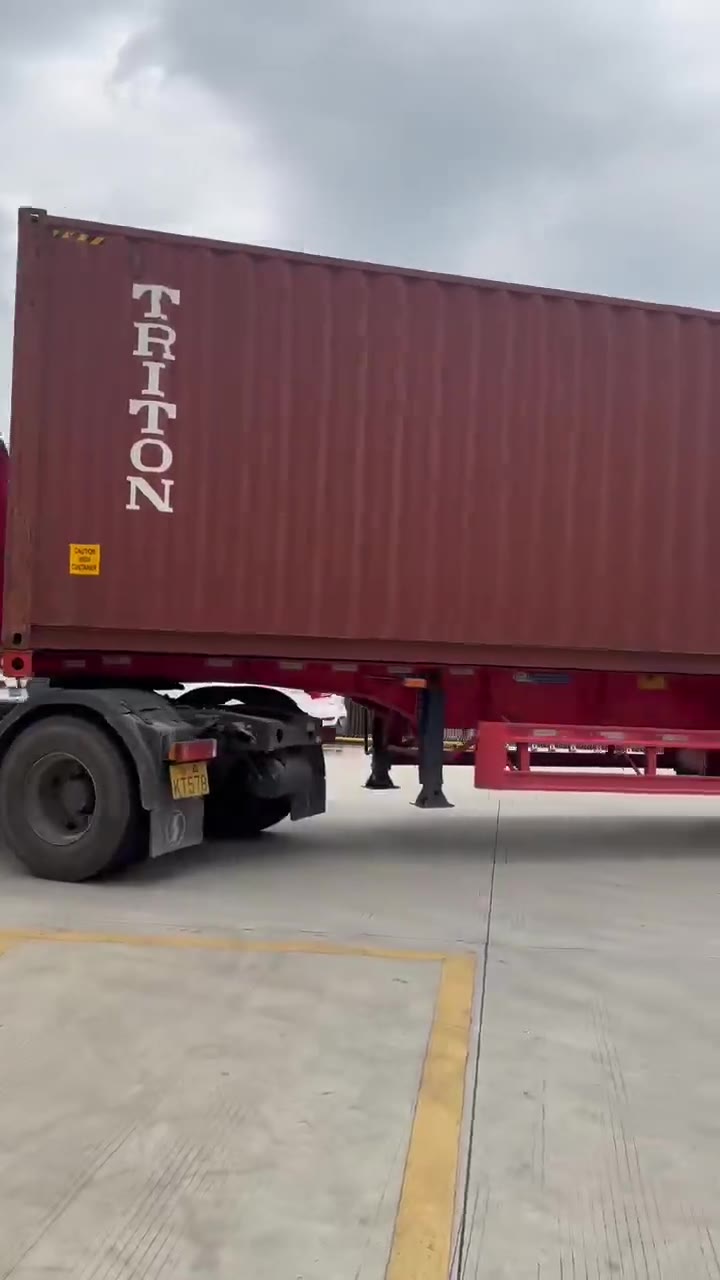
This page owns SKU selection, container allocation and mixed-order execution for South America projects. Use the regional sourcing hub to choose the country and commercial route, then return here when the approved assortment must be reconciled by SKU, carton, volume, payload, cost allocation and inspection scope.
Direct Buyer Answer
A mixed container works only when every SKU belongs to one commercial plan
Start with the destination countries, importing entities and sales channels. Then assign a commercial role to each product: initial market test, core distribution line, premium display option, seasonal allocation or repeat-order line. The buyer supplies the intended role and volume assumption; the factory should not invent demand, resale price or sell-through. This keeps the assortment connected to the buyer's real distribution plan.
After the assortment is defined, freeze the model, quantity, electrical version, accessories, private-label scope, language, color box, carton, inspection and shipping data for every SKU. Only then can the parties compare product cost, calculate container use and estimate a route-specific landed cost. A list of product photos without these fields is not a decision-ready mixed-container RFQ.
Commercial boundary: MOQ starts from 1000 PCS and remains subject to the exact model and production plan. Combining categories does not automatically reduce a model MOQ, create stock availability or establish a loading quantity. The final quotation follows the released SKU matrix.
RFQ Control Sheet
Freeze comparable fields before asking for a container total
| Control block | Buyer input | Release evidence |
|---|---|---|
| Market identity | Country, importer, channel, language, destination port and warehouse-ready objective. | Signed market requirement file. |
| SKU identity | Category, exact model, intended use, quantity and buyer-defined commercial role. | SKU matrix and identified sample. |
| Electrical version | Rated voltage, frequency, plug, cord, charging input, adaptor and battery where applicable. | Rating file, critical BOM and sample record. |
| OEM file | Brand, artwork languages, barcode, importer data, marks, warnings, manual and carton marks. | Released artwork revision. |
| Carton and loading | Unit box, units per carton, carton dimensions, gross/net weight, pallet decision and stacking limits. | Production-intent packing record. |
| Quality release | Approved sample, inspection scope, quantity reconciliation, defect rules and evidence retention. | Inspection result and shipment file. |
| Commercial scope | Trade term, currency, destination, requested services and quotation validity basis. | Comparable private quotation. |
Assortment Architecture
Select categories by buyer strategy, not by supplier convenience
Food Preparation
Blenders
Control motor, jar, blade, coupling, duty cycle, ingredient protocol, voltage/frequency, plug, packing and spare parts.Seasonal Cooling
Electric Fans
Approve motor, blade, guard, stand, oscillation, speed, stability, electrical identity, seasonal receiving date and service parts.Staple Cooking
Rice Cookers
Match capacity, heater, controls, pot, coating, lid, steam path, food-contact records, electrical version and OEM files.Compact Add-On
Water Dispenser Pumps
Control bottle, cap, adaptor, hose, water path, pump, battery, charging, optional adaptor, packing and transport identity.Selected Kitchen Lines
Ceramic Hobs & Vacuum Sealers
Add only after the buyer confirms category role, exact construction, market version, evidence route and service plan.Do not use one unit value as the only selection rule. A lower unit price can require more cartons, create a different warranty exposure, use a different electrical construction or need different artwork and evidence work. Compare saleable-unit scope and landed-cost contribution by SKU.
Country Version Control
Separate Portuguese, Spanish and country-specific product files
South America is not one electrical or labeling version. Brazil requires a dedicated Portuguese commercial file. Spanish-speaking destinations still need country-level decisions for importer data, terminology, warnings, plug, rated input, customs identity, conformity route, channel documents and after-sales contact. A Spanish manual prepared for one country should not be copied into another order without buyer review.
Freeze one destination matrix for every SKU: country, importer, sales channel, rating, frequency, plug or charging scope, label language, manual language, barcode owner, carton marks, operator data and evidence owner. If the same model will be shipped to several countries, identify whether it can share one physical construction and where the artwork or accessories must split.
Assortment Concentration
Control SKU count before variety consumes the order
More models do not automatically create a stronger container. Every additional SKU divides purchasing volume, requires another sample and specification, adds artwork and barcode control, creates a separate inspection line and may introduce different spare parts or warranty handling. An assortment that is too wide can leave each model below a practical production quantity or repeat-order threshold.
Use a buyer-owned selection rule. Define the minimum quantity and commercial purpose for each line, then compare it with carton use, required version work, supplier setup and after-sales complexity. Where two models serve the same buyer role, decide whether their differences are large enough to justify separate inventory. Remove unapproved variations before the purchase order rather than trying to solve excess complexity during loading.
Keep a reserve list outside the first container. Candidate products can continue through sample, evidence and market review without entering the released shipment. This gives the buyer a pipeline for later assortment expansion while protecting the first order from uncontrolled model proliferation. The factory can prepare technical and packing inputs, but the importer decides the final category breadth using its own channel strategy and inventory capacity.
Carton, CBM and Payload
Build the loading plan from production-intent cartons
Collect color-box dimensions, units per carton, carton length, width and height, net weight, gross weight and proposed pallet method for every SKU. Calculate nominal carton CBM, then review practical loading constraints: carton orientation, crush risk, pallet footprint, door opening, heavy-versus-light placement, fragile parts, void space, desiccant or protection needs and route handling.
A theoretical CBM total does not prove a container quantity. Final loading is limited by both usable volume and permitted payload, plus carton geometry and protection decisions. Recalculate after artwork, accessories, hoses, plugs, manuals, inner protection, carton count or pallet policy changes. The loading list should reconcile SKU quantity to cartons and cartons to the final container plan.
Use the loading plan as a commercial control. It shows which SKU consumes space, which SKU reaches a weight constraint, where an incomplete carton appears and how a proposed quantity change affects the rest of the assortment. It should not be used to promise an exact load before production packing is verified.
Landed-Cost Allocation
Allocate shared order costs before comparing SKU economics
Build a route-specific cost file that separates product value, OEM artwork and printing, tooling or setup where applicable, testing or document work requested by the buyer, inspection, inland transport, export handling, freight, insurance, destination handling, customs brokerage, duty, taxes, local transport, warehousing and financing assumptions. The importer and qualified local parties own the final tax, customs and regulatory decisions.
Shared costs need a stated allocation rule. Freight may be allocated by CBM, weight, carton count or another buyer-approved basis. Inspection, documentation and artwork costs may be allocated by SKU, value, production lot or project. Use the same method across supplier comparisons. Otherwise, a low factory price can appear attractive only because shared costs are omitted or allocated differently.
The resulting file supports a buyer decision; it does not predict resale price, demand, margin or profit. Keep market revenue assumptions separate from supplier facts, and run sensitivity cases for freight, exchange rate, duty treatment, damage, warranty and slower replenishment where the buyer considers them material.
Approval and Inspection Gates
Do not let one approved sample hide six uncontrolled SKUs
Every model needs its own signed specification and approved sample. Where colors, plugs, batteries, accessories or artwork differ, record those versions separately. A visual approval is not enough for electrical construction, motor or heater, PCB, protection parts, water- or food-contact path, battery, charging, dimensions, carton or accessory identity.
Before production, close model conflicts, open evidence questions, artwork revisions and the inspection checklist. During production, compare first units and proposed changes with the released record. Before shipment, reconcile ordered quantity, inspected quantity, accepted quantity, carton count and loading quantity by SKU. Retain identified samples, packing images and shipment records for repeat-order comparison.
Mixed-container inspection should be risk-based but still SKU-specific. A failure in one product family should not be hidden inside an overall container pass rate. Record the affected SKU, lot, finding, disposition and reinspection evidence. The buyer or appointed inspection party decides the final release against the agreed standard.
Repeat-Order Readiness
Design the first container so the second order is easier to control
Assign a stable model code, buyer SKU, barcode, artwork revision, critical BOM, approved sample and carton identity to each line. Record service parts, accessory replacements, packaging files and change-notification contacts. If a component must change, show the buyer the affected function, appearance, evidence, artwork, cost and timing before the next release.
After destination receiving, reconcile cartons, visible damage, shortages, model identity, accessories and initial function observations. Keep claim records by SKU and production lot. The buyer can then decide which models should be repeated, revised, paused or removed using its own sales and service data. The factory can support comparison and corrective-action inputs without claiming market performance.
Order Workflow
Move from assortment idea to shipment through eight release steps
Define countries and channels
Name importer, destination, language, channel, port, receiving objective and local decision owners.
Build the SKU matrix
Select exact categories, models, quantity by SKU and buyer-defined commercial role.
Freeze market versions
Approve electrical, mechanical, battery, charging, accessory and country-file requirements.
Approve samples and artwork
Connect signed specifications, identified samples, languages, labels, manuals, boxes and cartons.
Normalize quotations
Compare the same SKU, services, packing, evidence, trade term and destination assumptions.
Calculate loading and cost
Reconcile cartons, CBM, weight, protection and shared landed-cost allocation.
Inspect and reconcile
Verify each SKU, finished quantity, packing, carton identity and release evidence.
Load and retain records
Close the packing list, container evidence, shipment handoff and repeat-order reference file.
Private South America RFQ
Send one decision-ready mixed-container inquiry
Use inquiry code SAMIX1000. Send company, importing entity, destination countries, sales channels, product categories, exact models or model position, quantity by SKU, electrical versions, Portuguese or Spanish artwork scope, neutral or OEM packing, carton or pallet requirements, inspection scope, trade term, destination port and warehouse-ready objective.
MOQ starts from 1000 PCS and remains subject to exact model and production planning. No public price is displayed. A private quotation follows the released SKU matrix, product versions, services, packing, inspection, trade term and destination scope.
Importer Questions
Frequently asked South America mixed-container questions
Can different categories share one container?
Yes, after exact models, production quantities, country versions, cartons, loading constraints and inspection plans are compatible. Final feasibility follows the released order plan.
Does mixing products remove MOQ?
No. MOQ starts from 1000 PCS and depends on the exact model and production plan. Combining categories does not automatically reduce a model MOQ.
Can Brazil and Spanish-speaking markets use one package?
Do not assume so. Separate Portuguese and Spanish files, then confirm country-specific operator, electrical, labeling, customs and channel requirements.
Can you promise an exact container quantity from catalog cartons?
No. Recalculate with production-intent cartons, accessories, weight, pallet policy, stacking and protection before final loading.
Can the factory calculate our profit?
The factory can organize product and shipment inputs. The buyer owns resale price, local costs, demand, sell-through, financing, warranty and profit assumptions.
Which documents should accompany the RFQ?
Send the market file, SKU matrix, version requirements, OEM brief, destination and requested trade term. Add target cartons, inspection and evidence questions where known.
Connected Sourcing Plans
Continue from selection to a controlled purchase order
Wholesale Only
Build the SKU matrix before asking for the container total.
Send countries, categories, exact models or positions, quantity by SKU, languages, electrical versions, OEM scope and destination port.
One Order or a Repeat Market Program
Turn South America market evidence into a controlled mixed-container appliance repeat-order program.
A normal wholesale project can begin with one defined model, quantity, market version, packing scope and destination. A strategic relationship requires more: the importer contributes verifiable channel access, local landed-cost inputs, service capability and dated sell-through or claim records; Yaoyuan Electric coordinates current product options, OEM files, packing, production, inspection, shipment evidence and approved-version continuity.
Both sides review the same order and market evidence before deciding what to repeat, improve, add or stop. No demand, sales volume, margin, exclusivity, delivery date or profit is guaranteed before the relevant requirements and written commercial terms are approved.