How importers compare oven wholesale models
A useful wholesale oven shortlist begins with the cooking task, intended channel and destination version rather than a capacity label alone. The buyer should define the food or cookware to be tested, usable cavity requirement, accessory expectation, control preference, service responsibility, retail presentation and order quantity. The factory can then screen the current catalog without presenting an unverified configuration as ready for the market.
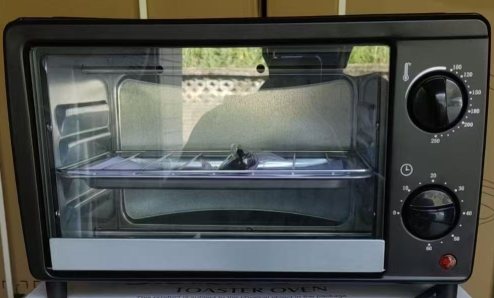
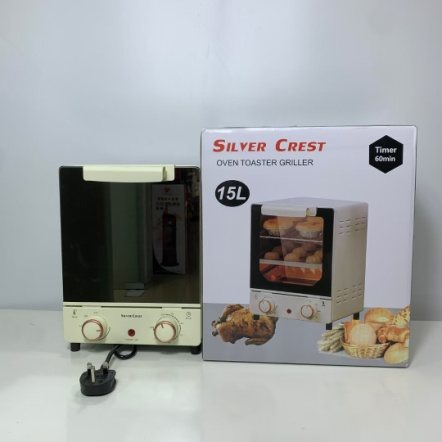
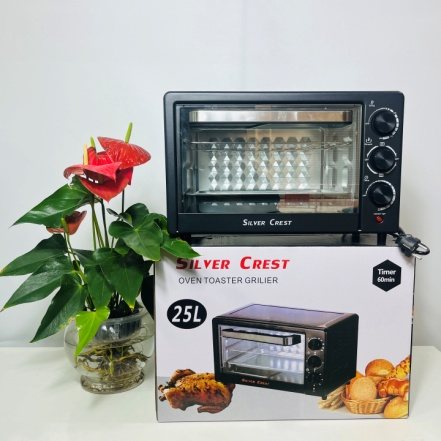
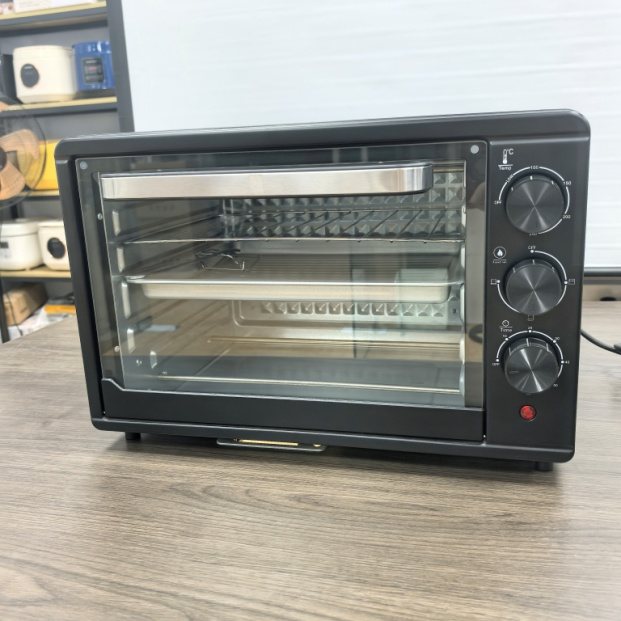
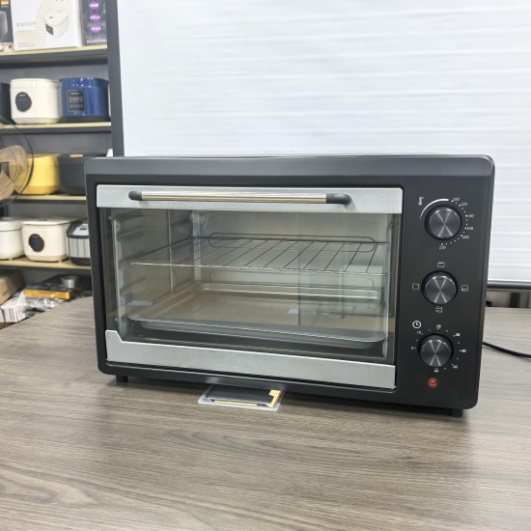
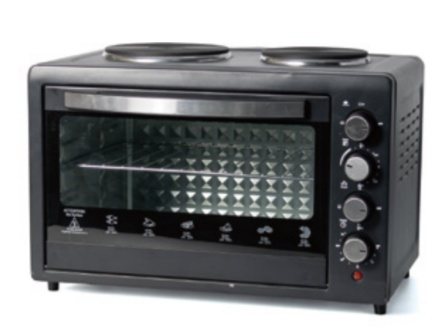
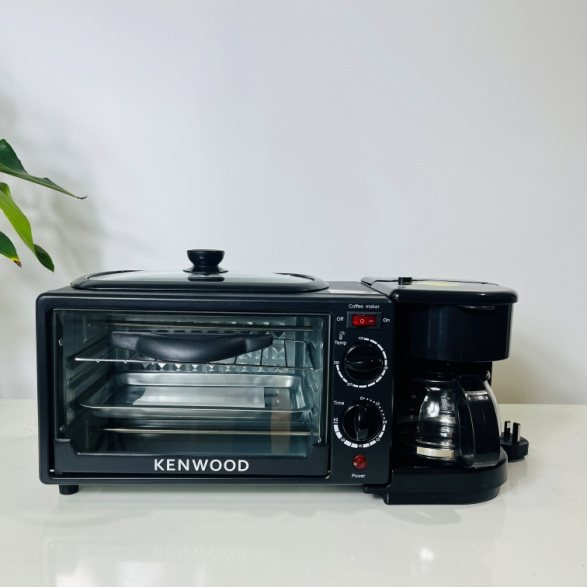
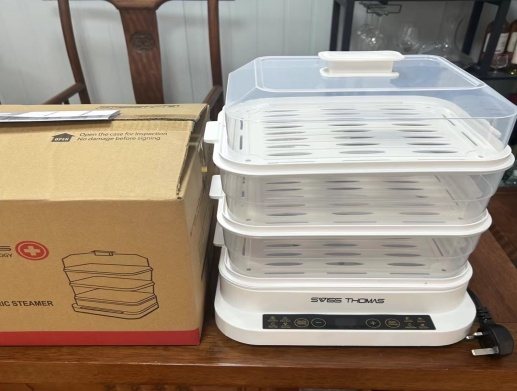
The catalog has uneven evidence depth. P74 and P77 publish capacity, 2400W, AC220-240V, stainless steel plus glass and a loading reference. P72, P73, P75 and P76 publish much less. P71 and P78 are different product architectures and should not be treated as standard ovens. Every missing field remains open until a current sample, written specification, rating label or packing record supports it.
Before price comparison, build one controlled product record. It should include the selected route, photographs, dimensions, usable cavity, heater and control architecture, door and glass, accessories, cable and plug, electrical label, manual, packaging and inspection criteria. A low quotation is not comparable if the product version, included parts or packing basis differs.
For logistics, catalog 40HQ figures are planning references for the listed records. Recalculate carton dimensions, gross weight, quantity per carton, carton count and loading after the product, accessories and packing are frozen. OEM artwork or stronger protection can change the packed basis and landed-cost calculation.
Oven and Breakfast Appliance Order Release Record
Before deposit, artwork approval or production release, both parties should identify the same product and packed version:
- Catalog route and model code, or a written temporary reference where no model is published
- Current sample photographs, dimensions and signed specification revision
- Usable cavity or vessel architecture, heater layout, controls, door or lid and ventilation
- Included tray, rack, pan, steam parts or other accessories for the selected route
- Wattage, voltage, frequency where applicable, cable, plug and rating-label artwork
- Manual, supported claims, color box, inner protection, master carton and carton marks
- Packed dimensions, gross weight, QTY/CTN and recalculated loading basis
- Buyer-defined functional test, appearance inspection, sampling plan and change-control rule
- Destination responsibilities and model-specific evidence still required
Published Catalog Boundary
The catalog is a shortlist source, not a complete purchase specification. A capacity word in a product name does not establish usable cavity volume, and a shared wattage does not establish identical heaters, controls, cooking results or compliance.
- Keep P71-P78 separate
- Do not fill blank fields by analogy
- Verify the current physical sample
- Archive dated order evidence
Sample and Cooking-Test Gate
The buyer should define the test load, cookware or food, starting condition, accessory arrangement, control sequence, observation period and acceptance criteria. Results belong to that sample and test condition and should not become broad performance promises.
- One sample identity
- One electrical version
- One buyer-defined test
- One signed result
Packing and Logistics Gate
Approve inner protection, accessory restraint, door or glass protection, color box, master carton and carton marks before using final logistics data. Measure the approved packed version and update the landed-cost worksheet.
- Measured carton
- Recorded gross weight
- Confirmed QTY/CTN
- Recalculated loading
Strategic Cooperation Boundary
The factory can coordinate catalog screening, samples, specification control, packing development, production records and inspection. The buyer contributes destination rules, channel evidence, inventory limits and commercial targets. Both sides can review results for repeat orders, but neither page nor quotation guarantees demand, profit or timing.
Complete Oven, Breakfast Maker or Steamer RFQ
A useful request identifies the catalog route or product URL, quantity, destination country and port, buyer channel, intended use, electrical version, included accessories, packing, OEM scope, model-specific evidence and inspection expectation. Public prices are not shown because the exact order basis must be defined first.
- Catalog route, model or controlled temporary reference
- Quantity, with MOQ starting from 1000 PCS
- Country, buyer type, channel and destination port
- Cooking task, load, usable cavity or vessel and accessory expectation
- Plug, voltage, frequency where applicable and label language
- Neutral packing, factory box or OEM artwork requirement
- Current sample, document, inspection and change-control expectations