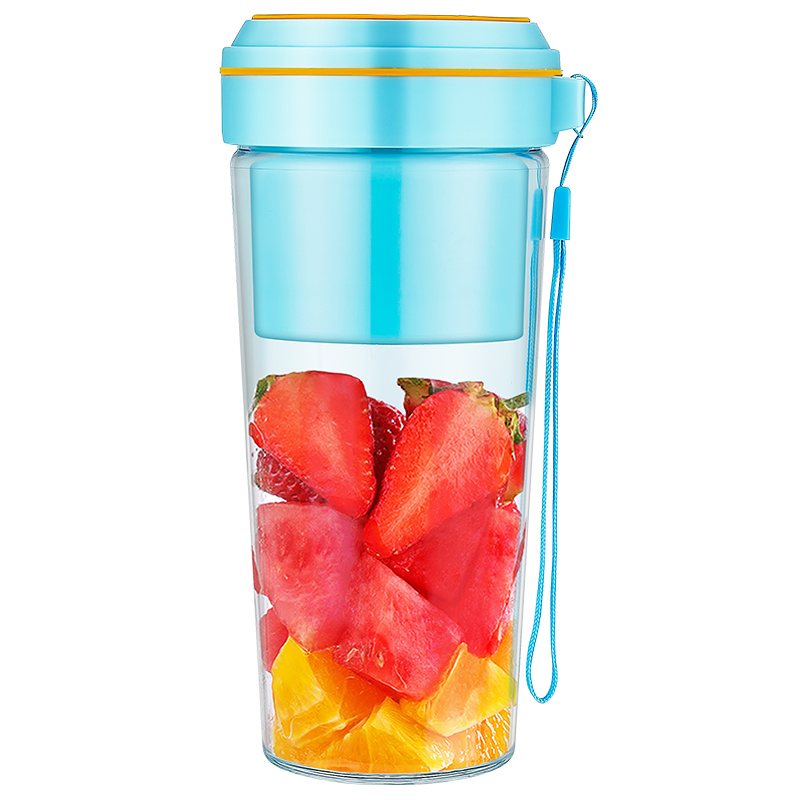
Compact 300ML starting configuration
Use Y-G01 when the buyer wants to evaluate a compact published format and needs color-box and master-carton references for early landed-cost work.
Wholesale Only | Five Published Catalog Records
Compare five published portable blender cup options before requesting a private factory quotation. The public catalog provides selected capacity, power, material, battery and packing fields, but it does not provide a complete performance or compliance specification. Every order must be based on the current approved sample, corrected specification and signed packing requirements.
MOQ starts from 1000 PCS. Retail and one-piece orders are not accepted. Public prices are not displayed. Buyers should send the intended ingredients, sales channel, country, quantity, OEM packing direction, destination and inspection requirements.
Supplier and order verification
Use the legal identity, published catalog scope, real order journey and attributed RFQ below before sharing artwork, market files or commercial information.
Fast Selection Layer
Begin with the intended ingredients and sales channel. Then confirm usable fill, cup and blade-base identity, charging and battery scope, leakage test, food-contact evidence, packing and inspection requirements on the current sample.
Use Y-G01 when the buyer wants to evaluate a compact published format and needs color-box and master-carton references for early landed-cost work.
Compare Y-JG01 with Y-JG02 only after confirming the current physical samples; their published capacity and power match, but their packing dimensions differ.
This configuration requires a corrected capacity record before quotation, artwork, loading or inspection. No replacement value is assumed from the current source.
Use Y-ZY03 when the shortlist needs the only configuration in this category with a published battery-capacity field, then verify that field on the current sample and marking.
Connect beverage testing, Portuguese OEM files, battery transport, food-contact questions, NCM and Siscomex ownership, packing and inspection.
Combine approved portable cups with other small-appliance categories only after SKU quantities, carton data, loading sequence and destination requirements are frozen.
Destination market project
Portable cups combine food-contact parts, a blade assembly, charging and battery questions, leakage control, retail claims and transport evidence. Use the destination hub to define the buyer-owned requirements before sample, artwork, packing and inspection approval. A market link is not an automatic compliance claim.
Confirm country, language, channel, battery transport, food-contact questions, importer ownership, destination and landed-cost inputs.
Define the U.S. sales channel, current battery and charging identity, buyer-controlled claims, food-contact scope, packing, importer responsibility and inspection file.
Separate EU, Great Britain and Northern Ireland configurations, then align operator information, language, food-contact and battery evidence, packing and buyer-required documentation.
Published Model Configurations
Portable Blender Cups
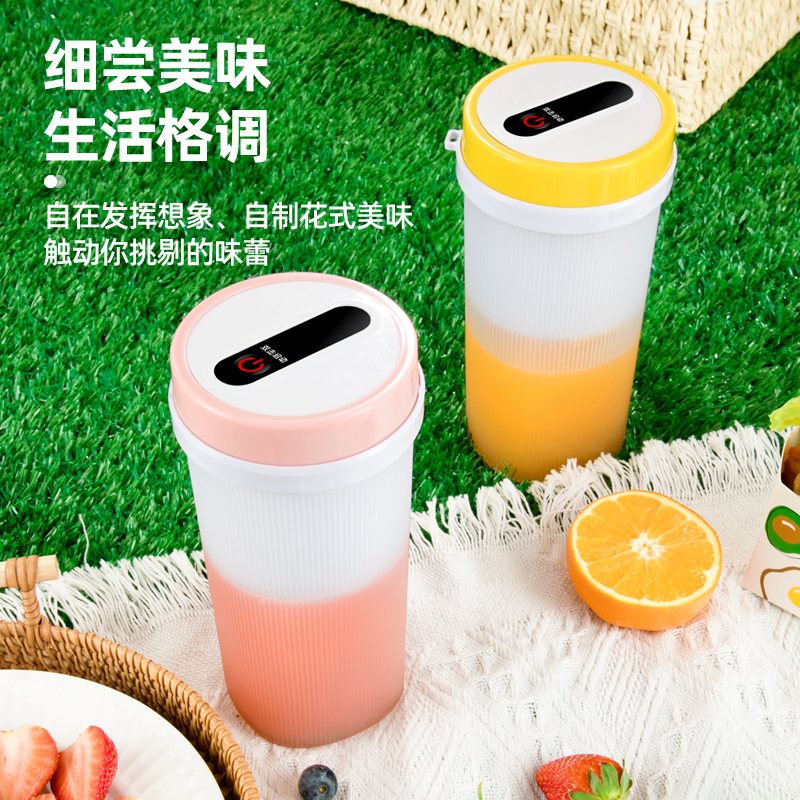
Use this configuration when the buyer wants to evaluate a compact 300ML format and needs published packing dimensions for an early landed-cost comparison.
Portable Blender Cups
Compare this model with Y-JG02 only after confirming the current physical sample. Their published capacity and power match, but their color-box heights differ.
Portable Blender Cups
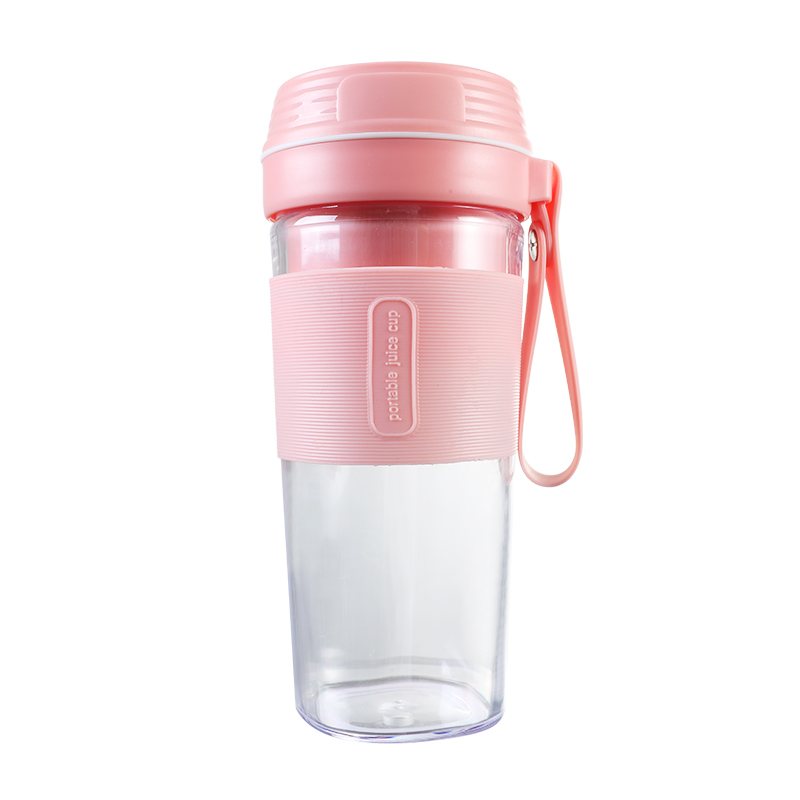
This configuration is ten millimetres taller in the published color-box record than Y-JG01. That difference must remain visible in carton and artwork planning.
Portable Blender Cups
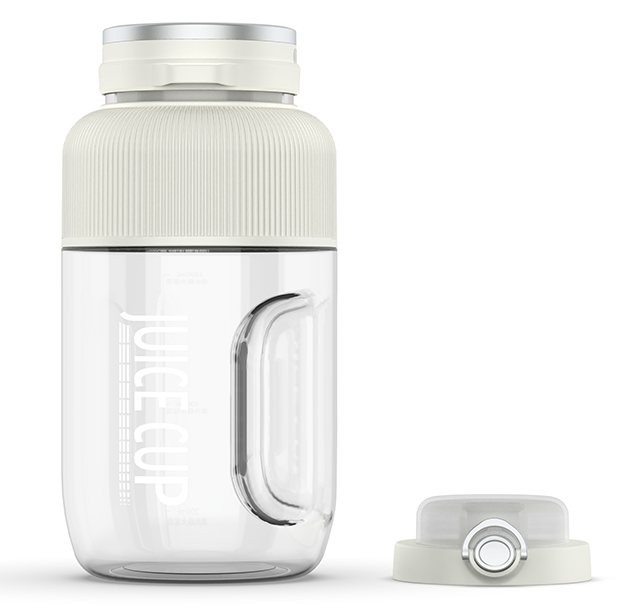
This model cannot be compared by capacity until a corrected specification is issued. The source anomaly must be resolved before quotation, artwork, loading or inspection approval.
Portable Blender Cups
This is the only model in this five-configuration public category with a published battery-capacity field. That field still requires current-sample and battery-marking confirmation.
Brazil Strategic Sourcing Plan
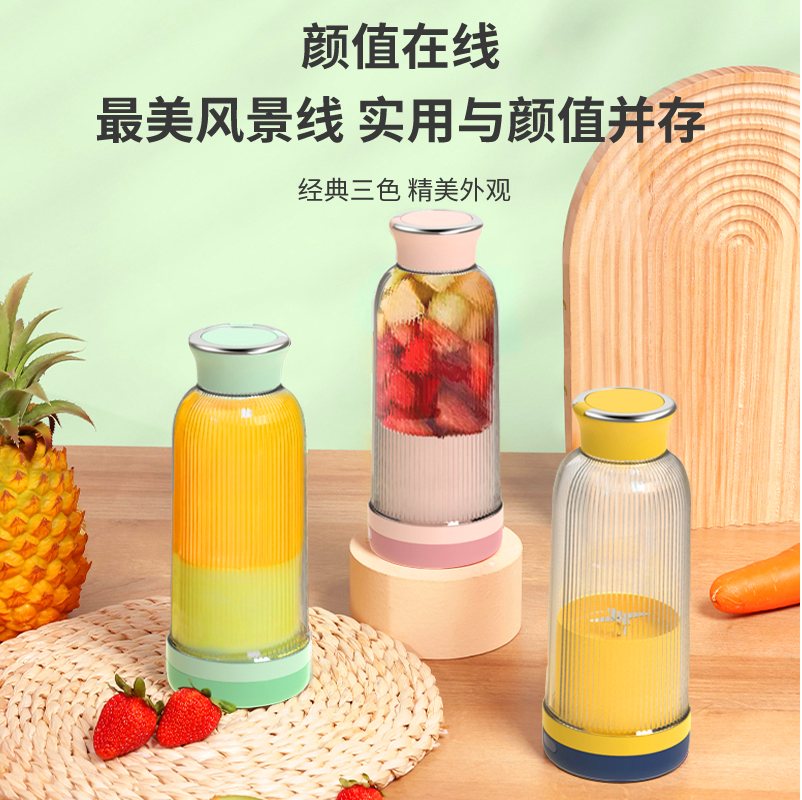
The Brazil configuration connects beverage testing, usable fill, cup and blade-base identity, leakage control, battery transport, Portuguese OEM files, food-contact questions, Inmetro scope review, NCM and Siscomex decision ownership, packing, inspection and replenishment. It does not treat a lifestyle image as performance evidence or a catalog field as certification.
Use this configuration when the buyer can contribute Brazilian channel, competitor, target-position, landed-cost, language, regulatory, customs, service and sell-through evidence.
Send company identity, Brazilian state or sales region, channel, beverage tasks, selected model, quantity by SKU, Portuguese packing request, destination port and inspection scope. Wholesale only. MOQ starts from 1000 PCS.
Catalog Boundary
It identifies five model configurations, their images and selected capacity, power, product-size, material, battery or packing references. These facts help both sides discuss the same starting sample.
It does not prove blade count, rotation speed, blending time, ice-crushing ability, duty cycle, noise, waterproofing, food-contact compliance, accessories, charging input or battery runtime.
Model Y-LS-02 contains a source capacity entry of 1200L. We do not convert it to 1200ml by assumption. A corrected current specification is required before quotation or artwork.
Importer Selection Framework
A 30W, 50W or 75W catalog record does not by itself show what the product can process. Tell us whether the target use is soft fruit, mixed drinks, powder mixing or another confirmed application. The approved test should use representative ingredients, measured quantities and an agreed operation sequence. Do not build marketing claims around ice, frozen fruit or hard ingredients until the exact sample passes a buyer-approved test.
Y-G01, Y-JG01 and Y-JG02 publish 300ML. Y-ZY03 publishes 400ml. Y-LS-02 requires a corrected capacity record. A buyer should confirm whether the listed value describes nominal vessel volume, recommended fill volume or another catalog convention. Artwork, manual instructions and comparison tables must use one approved value and must not copy an unverified source anomaly.
A portable blender cup is a connected system. Cup material, lid seal, blade base, thread fit, lock or interlock and gasket condition all influence use and leakage. Ask for the current assembled sample, not only an exterior image. Freeze the visible construction, component fit and approved cleaning boundary before mass production.
Y-G01 lists PP, Y-JG01 lists PP+PS and Y-ZY03 lists PC+PP. Y-JG02 and Y-LS-02 do not publish a material field. A material abbreviation is not the same as a full food-contact component map or destination-market compliance file. Buyers should identify every component that contacts ingredients and request evidence appropriate to the selected model and market.
Only Y-ZY03 publishes a 1200mAh battery field in this category record. Do not apply that value to other models. For any rechargeable order, confirm the cell, charging input, connector, cable, battery marking, charging indication and transport-document scope on the exact order revision. Runtime and charging time require an agreed test instead of a copied claim.
Portable products can be handled at different angles during use, transport and retail demonstration. Define a leakage test with the approved liquid level, closure method, duration and handling position. Confirm which parts can be rinsed, which parts contain electrical components and which cleaning statements are supported by the current manual. Waterproof claims must not be inferred from appearance.
Y-G01, Y-JG01, Y-JG02 and Y-LS-02 publish selected color-box and master-carton dimensions. Y-ZY03 does not. Published dimensions are planning references until the final unit, accessories, protection and artwork are frozen. Recalculate packed weight, carton quantity, cubic volume and loading after the approved packing sample is available.
OEM logo, color box, manual language and carton marks can be discussed after model and quantity confirmation. Artwork should identify the exact model and show only approved capacity, material, charging and performance statements. Keep one revision number across the color box, manual, rating or battery label, carton mark and inspection file.
Pre-shipment inspection should verify the model, approved appearance, cup and lid fit, charging or power behavior where applicable, leakage test, agreed ingredient test, included contents, artwork, packing, quantity and carton marks. A visual-only inspection cannot confirm whether the assembled portable cup matches the buyer's operating requirement.
For a new channel, a disciplined shortlist can be more useful than ordering every catalog record. Compare the compact 300ML group, the 400ml battery-published configuration and the larger Y-LS-02 product record only after its capacity is corrected. Use dealer feedback, return causes, leakage evidence, packing damage and repeat demand to decide the next order mix.
Private Wholesale Quotation
Send the shortlisted model, intended ingredients, required usable capacity, sales channel and any buyer test method.
Send quantity, country, OEM or neutral packing, required language, destination, inspection requirement and target order timing.
Compare private quotations only after the sample, accessories, battery or charging scope, packing, trade term and destination are aligned.
Related Procurement Controls