Bolivia Partner Resources
Importer identity, departments or sales regions, channel access, competitor facts, local price position, destination costs, service capability, stock targets and sell-through feedback.
Bolivia Air Fryer Partnership Route
Build a controlled 4L, 6L, 8L, 10L or 12L air fryer range by combining the Bolivia partner's channel, competitor, landed-cost, service and sell-through evidence with Yaoyuan Electric's model, sample, OEM, packing, production, inspection and replenishment resources.
Wholesale only. MOQ starts from 1000 PCS. No public prices, retail orders or one-piece orders.
Shared Business System
Importer identity, departments or sales regions, channel access, competitor facts, local price position, destination costs, service capability, stock targets and sell-through feedback.
Real model routes, supplier and component coordination, current samples, OEM files, cartons, production, inspection, shipment records and complementary appliance categories.
Exact model, 220V/50Hz review, Spanish files, evidence questions, landed-cost chain, approved sample, packing, inspection, receiving and repeat-order scorecard.
Yaoyuan controls agreed factory work. The importer and qualified Bolivia parties control current authorization, classification, VUCE/SUMA, customs, tax, consumer and market-release decisions.
Importer Sourcing Guide
A strategic air fryer project begins with evidence from the intended sales channel. Define whether the range will serve regional distributors, appliance dealers, supermarkets, established ecommerce operations or a private-label program. Record the competing capacities and control styles, realistic selling position, carton constraints, service capability, common consumer questions and the stock risk that the first order should test. This local evidence is the Bolivia partner's contribution to the project.
Yaoyuan uses that evidence to compare available model directions, samples, component routes, OEM files, packing, production, inspection and mixed-container possibilities. The shared objective is not to move one shipment at any cost. It is to create a version that can be identified, priced, imported, received, sold, serviced and measured consistently enough to support a responsible repeat-order decision.
The following fields reproduce public catalog records for discovery. They are not signed order specifications and do not establish Bolivia approval. Keep every model separate, then request a current sample, carton record, controlled electrical identity and signed specification for the selected revision.
Public fields: 4L, 2400W, AC220-240V, plastic PP plus glass, 214 x 287 x 273mm.
Use as a compact glass-format direction. Confirm current controls, accessories, heat protection, carton and finished rated identity.
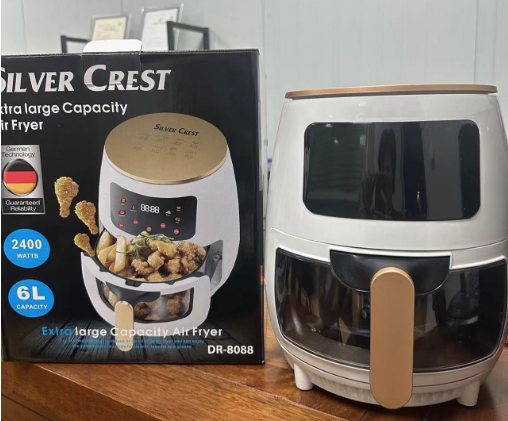
Public fields: 6L, 2400W, AC220-240V, plastic PP plus glass, 320 x 265 x 310mm.
Use where the channel values visible cooking presentation. Freeze the viewing structure, panel, basket, protective packing and test method.
Public fields: 8L, 2400W, AC220-240V, plastic PP, 280 x 340 x 360mm.
Keep its dual-knob identity separate. Confirm each control, printed scale, timer behavior, basket and operating protocol.
Public fields: 10L, 1400W, AC220-240V, stainless steel, 346 x 282 x 290mm.
Link the approved image, panel map, material, viewing structure, component version and protective packing to one revision.
Public fields: 12L, 2400W, AC220-240V, plastic PP plus glass, 400 x 280 x 300mm.
Confirm lid construction, cooking accessories, heating route, carton protection and current operating checks.
Discover additional models, then move only the selected exact route into sample, destination, OEM, quotation and inspection review.
A capacity should have a defined job in the buyer's assortment. An entry route may prioritize simple controls and a disciplined carton. A core route may require the broadest channel fit and repeat supply. A step-up route may justify visible construction, a larger format or a controlled digital interface. Do not assume that the largest model, most programs or lowest price will create the best stock result.
For every shortlisted route, record the target channel, selling position, expected service load, stock allocation and reason it deserves MOQ. Remove overlapping candidates before artwork begins. This keeps working capital, spare-parts planning and sales attention concentrated. The factory can help compare construction and packing; the Bolivia partner owns the final channel, price and assortment decision.
Official Bolivia electricity-sector records provide 220V and 50Hz planning references, including ELFEC low-voltage service material and ENDE procurement records. These references support an RFQ question; they do not prove that a public catalog record is a finished Bolivia version. The importer should confirm the required voltage, frequency, plug, cord, rated label and channel expectation for the exact sales territory.
Match the heater, thermostat, thermal protection, PCB or controls, cord, plug, rated label, sample, manual, color box, purchase order and inspection record to the same construction. If a controlled electrical component changes, reopen the affected evidence, sample and artwork. Never transfer a report, component mark or product claim from another model without verifying scope.
IBMETRO's current technical-regulation register contains product-specific rules rather than one universal small-appliance approval. A broad product name, catalog image or old certificate cannot decide the scope for the selected air fryer. The importer and qualified Bolivia parties should review the exact construction, intended use, proposed tariff line, supplied parts and current regulation before shipment.
Yaoyuan can organize the selected model, component identities, available reports, labels, samples and production records for review. These inputs support a decision only when they match the proposed order. They do not establish automatic authorization, customs acceptance or permission to display a conformity mark. Open compliance questions should remain visible in the RFQ until the responsible party closes them.
Bolivia's VUCE is a digital entry point for foreign-trade procedures handled by participating public entities, while Aduana Nacional's current import guidance uses SUMA for import declarations where implemented. Current customs material states that direct importers present supporting documents digitally and retain them. The exact permits and records depend on the goods and current classification, so the importer and broker must define the file for the proposed air fryer.
The factory should keep the commercial description, model, quantity, packing, weights, origin, trade term and shipment inputs consistent across the purchase order, invoice, packing list, carton marks and cargo records. The importer and broker own registration, classification, customs value, duties, tax, permits, DIM submission and clearance. A correct factory file supports their work but cannot replace it.
A Bolivia ocean order normally includes a foreign port, transit arrangement, border entry and inland destination. The importer and appointed logistics parties should define the practical corridor, cargo reception point, border, customs administration and final warehouse. Compare factory price, origin handling, ocean freight, insurance where used, foreign-port handling, transit, storage, border, broker, customs, tax and inland delivery as separate locally confirmed lines.
Yaoyuan supplies current carton quantity, dimensions, CBM, gross weight, loading and cargo-handoff inputs for the approved SKU. It does not promise a freight rate, corridor, border release or warehouse-ready date. Use the current carton and route quotation to compare saleable-unit landed cost, not a product-only price that excludes the largest destination variables.
Treat the product name, model, capacity, rating label, control-panel language, warnings, cooking guidance, accessories, barcode, importer information, color box, manual and master-carton marks as one controlled set. The Bolivia buyer supplies or approves local Spanish terminology, importer data and consumer-facing statements. Yaoyuan applies only released content to the agreed files and inspects the printed revision.
Use filenames, version codes, approval dates and named approvers. If the construction, electrical identity, accessory, importer information or claim changes, reopen the affected file before production. Spanish artwork used for another destination is not automatically a Bolivia file. No certification mark, registration number, importer identity or market claim should be invented to fill an empty design area.
The pre-shipment checklist should identify model, construction, control behavior, basket and accessories, voltage and frequency label, plug and cord, agreed critical components, Spanish files, barcode, individual box, master carton and quantity. Functional sampling follows the agreed protocol for the current model. Keep the approved sample, signed specification, artwork revision and inspection record connected.
At receiving, reconcile cartons, units, model labels, visible damage and selected functional checks with the shipment file. After launch, share sell-through by SKU and channel, stock age, return reasons, service questions, carton damage and competitor movement. The next order may keep a version, improve instructions, change allocation, add service parts, add a complementary category or pause a weak route. Resource allocation follows evidence, not optimism.
Use BOLIVIAAIR1000 in WhatsApp or the formal RFQ. Wholesale only. No public prices, retail orders or single-piece orders.
No. Public catalog fields support screening. The importer and qualified Bolivia parties determine current scope for the exact model and revision.
Yes, after the buyer supplies or approves the controlled Spanish text, importer details, labels, manual, barcode, warnings and claims.
Shared brand rules are possible, but each model's capacity, rating, controls, accessories, barcode and carton identity remain separately controlled.
Yes, after every SKU's MOQ, version, artwork, carton, CBM, weight, evidence, inspection and receiving lines are reconciled.
Price depends on the exact model, quantity, electrical version, OEM work, packing, inspection, trade term and cargo handoff.
No. Both parties contribute evidence and resources, but the importer owns local pricing, distribution and market performance.
Strategic Wholesale Only
Channel, competitor, selling position, cost, service, stock and sell-through inputs guide the assortment.
Confirmed models, samples, components, OEM files, packing, production, inspection and shipment records support the order.
Receiving, service and sell-through evidence determine changes and future resource allocation.