Importers and Distributors
Buyers building a controlled food-storage assortment for appliance dealers, kitchenware wholesalers and regional distribution.
Latin America Vacuum Sealer Sourcing Plan
Build a food-storage appliance order from the exact product system, compatible bag route and destination version. Compare seven real catalog models, separate compact vacuum pumps from the bar-type sealer, then freeze electrical identity, bag interface, Spanish or Portuguese packing, sample tests, inspection and carton basis before comparing private quotations.
Wholesale only. MOQ starts from 1000 PCS. No public prices, retail orders or one-piece orders.
Buyer Qualification
Buyers building a controlled food-storage assortment for appliance dealers, kitchenware wholesalers and regional distribution.
Teams requiring clear product identity, bag guidance, barcode, importer information, shelf-ready packing and repeat-order control.
OEM customers able to approve the physical sample, operating instructions, Spanish or Portuguese artwork, box and carton marks.
Importers combining compact food-storage products with air fryers, blenders, rice cookers, fans, ceramic hobs or water pumps.
Start with the destination country, sales channel and exact use case. Decide whether the order needs a compact pump used with a compatible valve-bag system or a bar-type machine used with an approved bag or film route. Then select an exact model, quantity and electrical version. Confirm compatible consumables, operating sequence, individual packing, artwork language, inspection method, carton data, destination port and trade term before requesting price.
The product system matters more than the general phrase “vacuum sealer.” A compact cylindrical pump and a countertop bar machine do not use the same interface, consumables, test method, instructions or retail explanation. A buyer who approves only the exterior image has not yet approved a saleable product system.
Latin America is not one electrical or language version. Spanish and Portuguese artwork should be released separately unless a bilingual file is intentionally approved. Voltage, frequency, plug, charging input, adapter, cord, importer wording, warnings and applicable destination evidence can differ. Yaoyuan Electric coordinates available factory-side options; the importer and qualified local parties confirm destination rules, customs, taxes, channel and final approval requirements.
Company / country / buyer role / sales channel / exact model / quantity / compact pump or bar sealer / approved bag or film system / electrical or charging version / plug or charging accessory / artwork language / packing / inspection / destination port / trade term / warehouse-ready target.
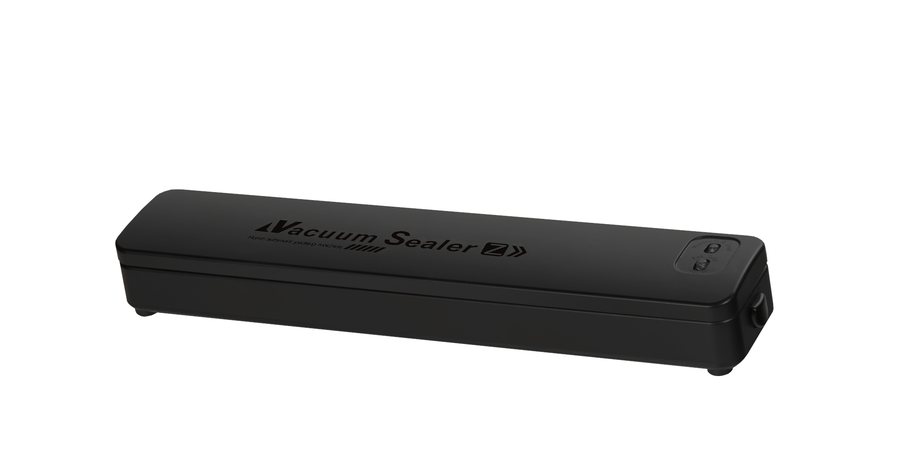
K01, K02, K04, K05, K15 and K15B are shown in compact cylindrical formats. Z-K03 is shown as a bar-type machine. This visible difference is useful for route discovery, but it does not prove the operating interface, included accessories, compatible bag construction, sealing width, suction result, cycle time or charging contents. Those details belong in the current sample and signed specification.
For a compact pump route, define the valve or port interface, intended bag family, included bag quantity if any, charging route, cap or protective parts, operating control and storage method. For a bar-type route, define the approved bag or film construction, usable width, sealing and vacuum modes, cord and plug, control sequence and included accessories. Do not transfer test results from one system to the other.
Use the portable vacuum sealer route, bar-type route and vacuum sealer buyer center to narrow product identity before model and price comparison.
The public catalog provides seven model-coded pages. Their published fields support initial comparison only. Terms such as “charging voltage” are reproduced as published and are not silently reinterpreted. Confirm every electrical field, battery or no-battery status, supplied charging accessory, operating system, compatible consumable and packing against the current order version.
Published fields: 4-5.2V under charging voltage, 51 x 99mm product size, PP+ABS material, 400mAh battery reference and 600 x 310 x 255mm carton. Confirm bag interface, included parts and charging cable.
Published fields: 4-5.2V, diameter 51 x 109mm, PP+ABS, 400mAh battery reference and the same 600 x 310 x 255mm carton direction. Treat K01 and K02 as separate samples.
Published fields: “Charging voltage: 100-127V,” 352 x 66 x 45mm, ABS, 470 x 370 x 550mm carton and battery shown as “/”. Confirm mains input, frequency, plug, cord, bag route and operating modes.
Published fields: 5V/5W, diameter 51 x 84mm, PP material, 59 x 59 x 142mm color box and 600 x 310 x 305mm carton. Confirm battery, cable and valve-bag interface.
Published fields: 5V/5W, diameter 51 x 94mm, PP material, 59 x 59 x 142mm color box and 600 x 310 x 305mm carton. Do not assume K04 and K05 share identical internal parts.
Published field “Charging voltage: 5V/25W,” diameter 63 x 114mm, ABS, 120 x 95 x 60mm color box and 500 x 495 x 325mm carton. Verify input, rated power and battery on the current label.
Published fields: 5V/7W, diameter 63 x 106mm, ABS, 120 x 95 x 60mm color box and 500 x 495 x 325mm carton. Approve it independently from K15.
Z-K03 is a bar-type machine, yet its page labels 100-127V as “charging voltage” and shows battery as “/”. K15 publishes “5V/25W” in one charging-voltage field. These entries are discovery evidence, not a complete electrical specification. Request the current sample, rated label, plug or cable, manual, packing sheet and signed order specification before approval.
A vacuum machine without a controlled consumable route is an incomplete commercial offer. The quotation should identify whether bags are included, the compatible bag or film construction, size range, interface or valve type, storage and use instructions, replacement supply route and which claims are supported by the approved test. Do not describe a model as compatible with every bag.
Test using the exact consumable that will be named in the manual or sold with the product. Record the bag identifier, size, product load used for the test, closure method, machine setting, observation period and result. If the buyer sells replacement bags, the product page, box, manual and customer-service file should use the same compatibility reference.
For mixed containers, do not add a new bag or film route at the final loading stage. Consumable identity affects sample approval, instructions, carton allocation, destination receiving and repeat orders. Use the sample-order route, supplier evidence pack and purchase-order checklist to preserve the approved system.
Compact models may require a defined charging input, cable and battery record. Z-K03 requires a defined mains-input, frequency, cord and plug route. A 5V notation does not establish cable type, adapter inclusion, battery chemistry, charging time or destination transport documentation. A 100-127V notation does not establish frequency, plug or suitability for every country.
The current sample, rated label, quotation, instructions, color box and purchase order should describe the same version. If a buyer needs another electrical version, request written availability and a separate approval path. Never use an image, old model name or another market’s file as proof of the ordered electrical identity.
Where battery transport evidence may apply, the importer, carrier and qualified parties should confirm the required records for the exact battery and shipment route. Yaoyuan does not claim that one document automatically covers every model or destination. The component-change route should record any battery, board, motor, cable, adapter or housing change after approval.
OEM scope may include product logo, control labels, rated label, barcode, importer information, instructions, individual box and master-carton marks. For a vacuum system, the instruction file should explain the approved bag or film route, setup, operating sequence, charging or electrical connection, cleaning, storage and limitations supported by the approved sample.
The buyer supplies accurate destination language, claims, barcode and importer information. The factory should not invent food-preservation duration, universal bag compatibility, certification marks, operating performance or third-party details. Keep Spanish and Portuguese files separate unless the buyer intentionally approves a bilingual version.
Release artwork only after product system and electrical identity are frozen. Use the OEM vacuum sealer route, artwork approval workflow and private-label planning guide. Every released file should carry route, model, revision, date and approver.
A sample test should begin with identity: model, appearance, controls, input, battery or mains route, cable, plug, included items, bag or film system, box and manual. Photograph the product, rated label, charging or mains connection, consumables, operating state, box markings and carton reference.
For compact pumps, the agreed test can record valve connection, control response, suction observation, stop behavior, charging observation and repeat operation using the approved bag. For Z-K03, the test can record control response, vacuum and seal sequence, seal appearance, bag width used, cord and plug, repeat cycles and cool-down direction according to the approved method. These observations do not justify unsupported shelf-life or universal performance claims.
Translate the approved test into the inspection file. Use the pre-shipment inspection route, AQL planning guide and factory proof center. Factory videos establish operational evidence; the exact sample and written criteria establish product acceptance.
A vacuum sealer inspection should not stop at cosmetic appearance. The written scope can cover model identity, housing, controls, assembly, electrical or charging route, cable and plug, battery record where applicable, compatible consumable, included parts, operating observations, label, manual, barcode, color box and master-carton marks.
Define the test consumable and acceptance observation before inspection. Record sampled quantity, defects by category, retest rule and release authority. If bags or accessories are packed with the machine, reconcile their quantities separately. If consumables ship under another carton line, connect both lines in the packing list and destination receiving plan.
Use the order risk register for open compatibility, electrical, artwork or delivery dependencies. A shipment should not be released because the product “looks similar” to the approved sample.
The buyer should assign each selected model a clear channel role. A compact pump may support a small-footprint food-storage set, gift program or add-on line when the approved bag system and instructions are available. A bar-type model may require more shelf space, a different demonstration, mains electrical approval and a separate consumable explanation. These are planning roles, not guaranteed market results.
A useful assortment sheet lists model, format, approved bag system, electrical identity, included items, box size, carton, channel, target warehouse date and replenishment reference. Avoid choosing several near-looking compact models without a reason. K01 versus K02, K04 versus K05, and K15 versus K15B should each have a documented distinction or one route should be removed from the first order.
Use the product selection matrix, retail assortment guide and supplier scorecard to compare complete systems rather than headline prices.
Compare models using confirmed individual box, units per carton, carton dimensions, net and gross weight, quantity, inspection, inland handling, freight basis, destination charges, qualified duty and tax input, local delivery and after-sales reserve. The current model pages publish selected carton dimensions but do not provide a complete landed-cost file.
Small product size does not automatically mean the lowest delivered cost. Included bags, charging accessories, retail box, carton protection, order mix and destination handling can change the saleable-unit basis. Z-K03 should not inherit the compact pump carton or electrical assumptions. Confirm actual packing before container allocation.
Use the carton and CBM guide, Incoterm and landed-cost boundary guide, vacuum sealer mixed-container route and multi-category container planner. No page guarantees freight, customs treatment, arrival or sales outcome.
Send the date stock must be available in the local warehouse. Work backward through destination receiving, customs and inland handling, transport, cargo handoff, loading, inspection, packing, production, sample approval, consumable approval, artwork release and purchase-order release. This creates a planning baseline rather than an arrival commitment.
A first OEM order needs enough time to test the exact bag system and release accurate instructions. A repeat order should compare the new written revision with the approved sample and previous receiving file. Do not change bags, battery, cable, adapter, board, motor or box without a documented review.
Use the demand and capacity route, production control guide, shipping instruction route and destination receiving guide.
At destination, reconcile model, carton count, visible condition, electrical identity, supplied consumables and sampled operation before distribution. Record any suction, seal, charging, cord, bag, accessory, label or packing issue with model, quantity, photo, video, carton reference and test method. Separate transport damage from product or consumable findings.
Before replenishment, review sellable quantity, verified service cases, returns by reason, bag resupply, remaining stock and the next warehouse-ready date. Freeze the repeat-order model, electrical route, consumable, instructions, box, carton and inspection scope. Similar appearance does not prove compatible parts or bags.
Use the after-sales control route, repeat-order planner, inventory replenishment guide and supplier review framework.
Public prices are not displayed because product format, compatible consumables, electrical or charging version, included items, OEM work, packing, inspection, quantity, trade term and destination change the quotation basis. Send one complete request so the sales team can identify unresolved evidence before preparing a comparable offer.
Use LATAMVACUUM1000 in your WhatsApp message. Wholesale only. MOQ starts from 1000 PCS. No public prices, retail orders or one-piece orders.
No such assumption is made. Confirm the exact bag or film system and test it with the selected model.
The page shows a bar-type machine, publishes 100-127V under “charging voltage” and shows battery as “/”. Confirm mains input, frequency, plug and cord.
No. It is one combined published field. Confirm input, rated power, battery, cable and label on the current sample.
OEM packing can be discussed. The buyer supplies and approves accurate language, barcode, importer information and supported claims.
Yes, subject to exact models, cartons, quantities, compatibility files, inspection and container planning.
No. Private quotation follows confirmation of model, quantity, product system, consumables, electrical version, packing, inspection, trade term and destination.
Wholesale Only
MOQ starts from 1000 PCS. Exact model, bag route, packing and OEM scope require current confirmation.
Freeze machine, consumable, electrical identity, included items, instructions, box, carton and inspection under one revision.
Confirm destination electrical, language, importer, customs, tax, food-contact, channel and final approval requirements with qualified local parties.
Yaoyuan coordinates available model, sample, packing, production, inspection and cargo-handoff evidence for the qualified order.
Long-Term Market Development
This route is for importers and distributors who can identify the destination country and sales channel, share target landed-cost logic, inventory and service constraints, and a repeat-order plan. Yaoyuan can coordinate the selected vacuum sealer version, OEM files, supplier resources, inspection and replenishment decisions. Demand, exclusivity, delivery, sales volume and margin are not promised before both parties review the country evidence, responsibilities and commercial feasibility.
Version Evidence Before Quotation
Identify the exact model or catalog reference first. Yaoyuan can organize available sample, specification, packing and inspection evidence for that controlled version. The importer and qualified destination-market parties remain responsible for confirming applicable market-access, customs and channel requirements. This review does not promise certification, stock, delivery timing, demand, sales or profit.