For Importers, Distributors, Retail Groups and OEM Brands

Small Appliance Import Order Risk Register and Contingency Plan

Turn a large wholesale appliance order into a controlled set of decisions. Record the risk owner, trigger, preventive control, required evidence, contingency action and decision deadline before specification, production, shipment or receiving pressure removes your options.

Wholesale only. MOQ starts from 1000 PCS. No retail or one-piece orders. Actual product, capacity, inspection, shipment and commercial commitments require written confirmation for the specific order.

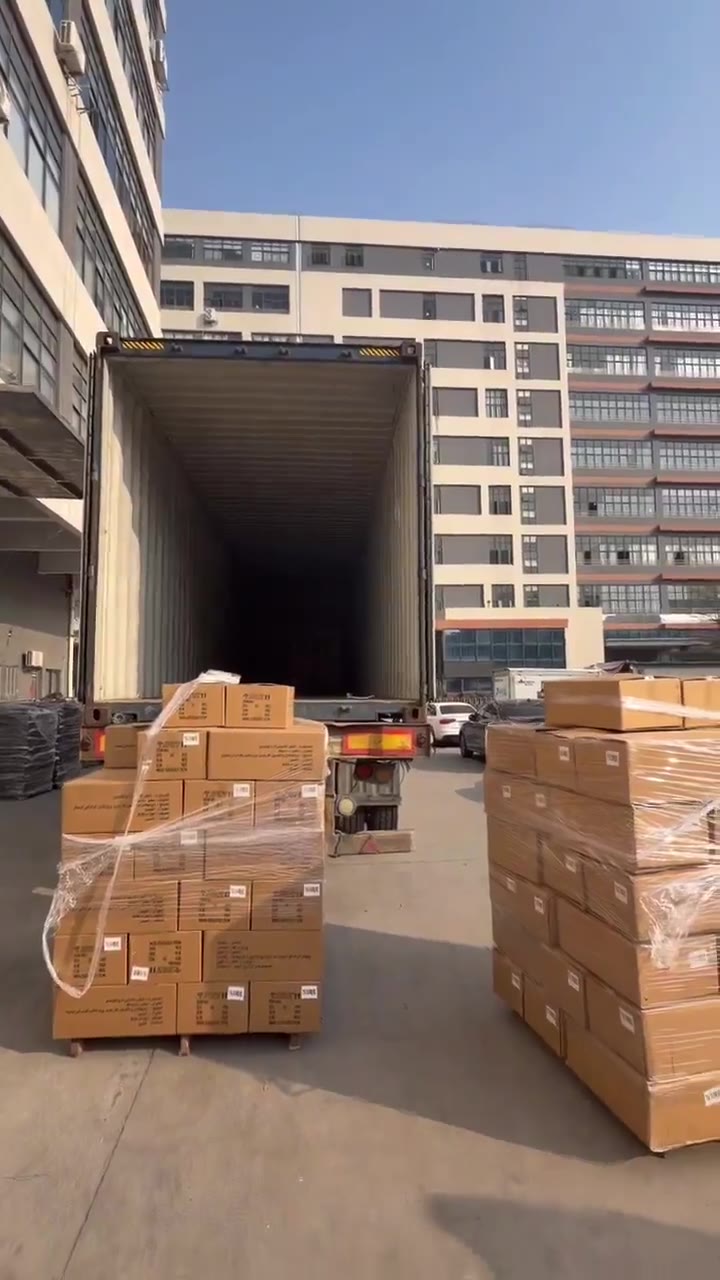
Warehouse loading area used for appliance import order risk and shipment planning

Direct Buyer Answer

What should an appliance import order risk register contain?

An appliance import order risk register should identify each material risk by exact order, SKU, revision and lifecycle stage; describe the risk event and business consequence; assign a risk owner and decision authority; define an observable trigger; record the preventive control and required evidence; set a review date and decision deadline; and state the contingency action if the trigger occurs. It should cover demand, assortment, specification, compliance, artwork, materials, capacity, quality, inspection, documents, logistics, payment security, destination receiving and claims.

A risk register is not a list of general worries. It is a management tool that tells the buyer and supplier what must be verified, who acts, when an issue escalates and which commercial gate remains closed. A contingency plan is also not a promise that disruption will disappear. It preserves defined options while evidence and authority still exist.

The register should stay connected to the current purchase order, approved sample, artwork approval, inspection plan, shipping instruction, payment verification and destination receiving plan. If any of those controlled sources change, the corresponding risk row must be reviewed rather than silently carried forward from an older order.

One Controlled Row

Use fields that lead to an executable decision

FieldQuestion it must answerWeak entry to avoid
Risk statementWhat uncertain event may happen, because of what condition, and what order objective would it affect?“Shipping problem.”
Scope and stageWhich PO, SKU, revision, market, quantity, document or shipment milestone is exposed?“All products.”
Risk ownerWho monitors the trigger and coordinates the response?“Supplier” or “buyer” without a named role.
TriggerWhat observable condition changes the risk from monitored to active?“When it is late.”
Preventive controlWhat approval, verification, reservation, inspection or evidence reduces likelihood or impact?“Be careful.”
EvidenceWhich current record proves the control or trigger status?An undated screenshot with no order reference.
ContingencyWhat practical option will be evaluated if the trigger occurs, and who can approve it?“Solve immediately.”
Decision deadlineBy what time must the authorized party decide before the option expires or cost changes?“ASAP.”

Add current status, probability and impact only when the parties have agreed how those ratings are defined. A red label without a decision route is less useful than a clearly stated trigger, owner and deadline.

Market and Commercial Exposure

Control demand, assortment and landed-cost assumptions before quantity becomes fixed

1. Demand and assortment risk

Define the intended country, buyer type, channel, launch window and role of each SKU. The trigger may be a delayed retailer decision, weaker dealer commitment, forecast revision or a change in channel allocation. Preventive controls include a dated demand version, SKU role, minimum viable assortment and buyer-owned inventory review. Contingencies may include rebalancing quantities among approved models, changing the release sequence or delaying an optional SKU before production is committed. The buyer owns demand, pricing, sell-through and final quantity approval.

2. Landed-cost and margin risk

A unit offer does not reveal freight, duty, destination fees, inland handling, inspection, finance, damage allowance or channel margin. Record the cost version, Incoterm, quote validity, carton data source, exchange-rate assumption and costs still unknown. Triggers include a freight change, tariff classification issue, carton-volume revision or margin falling below the buyer's approved threshold. The contingency should identify who recalculates the model, which assumptions can change and when the buyer must accept, resize or hold the order.

3. Payment and counterparty security

Record the verified legal entity, accepted payment route, authorized bank details, change-verification procedure and internal approval roles. Any unexpected request to change beneficiary, account, currency or communication channel is a trigger for an out-of-band verification hold. Never treat an email thread alone as proof of bank authority. The contingency route should stop payment, verify through previously confirmed contacts and document approval before funds move.

Use the joint business planning guide for the shared market calendar and the forecast, capacity and purchase-order guide to separate planning information from executable commitment.

Product Definition

Protect exact identity, market configuration and approved evidence

4. Specification and version risk

One product name can hide differences in capacity, rated input, voltage, frequency, plug, cord, controls, structure, accessories, labels and packing. The register should identify the exact model and revision, controlled specification, approved sample status and unresolved deviations. A mismatch between quotation, sample, purchase order or artwork is a trigger. The preventive control is a signed version baseline and formal change route. The contingency is to hold the affected gate, assess impact and obtain written disposition before the version enters production.

5. Compliance and document coverage risk

Do not record “CE,” “CB,” “RoHS,” “ETL” or another term as if it proves every model and destination requirement. Map the actual SKU, construction, market, applicable requirement, report or declaration owner, evidence identifier, coverage limitations and remaining importer decisions. A changed component, rating, label, destination or legal requirement can trigger re-review. The buyer owns local market-entry decisions and should use current official sources and qualified professionals where required.

6. OEM artwork and packaging risk

Logos, claims, model names, electrical markings, barcodes, language, manuals, color boxes and carton marks can become expensive errors after printing. The control file should include approved artwork version, approver, date, print sample or proof, and the exact SKU relationship. Triggers include late translations, mismatched barcodes, unsupported claims or a product change after artwork approval. Contingencies may include pausing print, correcting digital files, separating market versions or re-approving revised material before mass use.

The purchase-order checklist helps convert these controlled identities into executable instructions. Never release a model because a product photo “looks the same.”

Factory Execution

Monitor materials, capacity, quality and release as separate risks

7. Material and capacity risk

Forecasts and quotation discussions do not automatically reserve components, packing materials, line time or shipment space. Record long-lead items, buyer approval dependencies, supplier assumptions, reservation conditions and expiration dates. Triggers may include late deposit, artwork delay, material allocation conflict or a forecast increase after the planning window. Contingency review can examine phased release, approved alternative timing, SKU priority or a revised shipment plan, but no option should be presented as guaranteed until accepted in writing.

8. Production and change-control risk

Track milestones only against the accepted product version and real evidence. A progress percentage without quantities, stage, date and order reference is weak. Trigger a hold when an unapproved component, process, supplier source, label, firmware or packing change appears. The contingency route should identify affected batches, assess technical and commercial impact, preserve samples or records, and obtain authorized approval or correction before release.

9. Quality and inspection risk

Define critical, major and minor defects for the actual model; the buyer-approved sampling approach; inspection readiness; functional checks; packing checks; evidence requirements; and release authority. A failed check, incomplete lot, mixed revision or missing evidence is a trigger, not an automatic commercial conclusion. Contingencies may include containment, sorting, rework, reinspection, quantity adjustment or a management decision based on verified scope. Use the air fryer inspection plan and the pre-shipment inspection control as model and order references.

Shipment and Destination

Keep document, logistics, receiving and claim evidence connected

10. Shipping document risk

Prepare a document matrix showing each required document, source, data fields, draft review owner, issue timing and final recipient. Model, quantity, marks, consignee, notify party, Incoterm and routing data should reconcile across accepted sources. A late instruction, inconsistent draft or missing original requirement is a trigger. Contingencies should identify correction authority, carrier or forwarder cutoffs, document hold implications and the decision deadline before extra cost or clearance exposure may arise.

11. Logistics and arrival risk

Separate factory readiness, cargo handoff, carrier milestones, transshipment, destination clearance and final warehouse receiving. No public guide can guarantee vessel performance or arrival. Record who monitors each milestone, the evidence source and the buyer action required if routing changes, documents are delayed, a seal issue appears or the warehouse cannot receive. Possible responses require current carrier, forwarder, customs, insurer and buyer input rather than assumptions.

12. Receiving, shortage and claim risk

Before arrival, define seal checks, container and carton photos, tally method, SKU reconciliation, damage isolation, sample retention and notification route. A claim row should identify the exact shipment, model, batch, quantity and observed condition, then preserve evidence before stock is dispersed. The contingency may include quarantine, joint review, replacement-part analysis, corrective action or commercial settlement discussion. It does not predetermine responsibility or remedy. Use the quality claim and corrective-action guide for the evidence route.

Document control is covered in the shipment document control guide. Destination actions remain with the importer, broker, carrier, insurer and warehouse within their respective roles.

Stage-Gate Governance

Review risks before each decision becomes expensive to reverse

GateRisk review focusMinimum decision output
RFQ and model shortlistBuyer type, market, channel, demand assumptions, model identity, unresolved compliance questions and target commercial scope.Qualified shortlist and missing-information register.
Sample and specification freezeExact revision, electrical configuration, functionality, accessories, labels, artwork and approved deviations.Controlled baseline or explicit hold.
PO and execution acceptanceQuantity, packing, Incoterm, payment, approvals, materials, capacity assumptions, production milestones and change route.Accepted execution scope and open-risk owners.
Inspection and shipment releaseLot readiness, version conformity, inspection findings, packing, quantities, shipment instructions, document drafts and exceptions.Release, conditional disposition, rework or hold by authorized roles.
Arrival and closeoutSeal, receiving, quantity, damage, document completion, claims, corrective actions and lessons for repeat orders.Closed evidence file and next-order control updates.

High-severity risks should enter the agreed service-level and escalation matrix. Repeated risks, overdue actions and changing market assumptions belong in the supplier quarterly business review.

Review Cadence

Keep the register current without turning every issue into a meeting

Routine review

Review open risks at the cadence appropriate to the active order stage. Before execution, weekly review may be enough. Near artwork, production, inspection, shipping and arrival cutoffs, the cadence should follow the shortest decision deadline. Close only when the required evidence is accepted and downstream controls are updated.

Exception escalation

Escalate when a trigger is met, a deadline is likely to be missed, evidence conflicts, risk exposure expands or the current owner lacks authority. The escalation should state the decision required and the option expiry, not forward a long message history without a clear question.

Repeat-order learning

After receiving and claim closeout, convert material lessons into specification, packing, inspection, document, supplier or reorder controls. Otherwise the same risk is merely archived and rediscovered. Track whether the agreed corrective action changes the next controlled baseline.

Qualified Wholesale Review

Send enough information to build an order-specific risk discussion

Required inputWhat to send
Buyer and marketCompany, country, buyer type, channels and target launch or replenishment window.
Product scopeCategories or exact models, quantity by SKU, voltage, frequency, plug and required accessories.
Brand and packingNeutral or OEM, artwork status, language, color box, barcode and carton-mark requirements.
Execution statusRFQ, sample, artwork, PO, production, inspection, shipment or repeat-order stage.
Commercial routeRequested trade term, destination port, current target timing and payment-verification contacts.
Priority risksThe decisions, evidence gaps, deadlines or known constraints that need coordinated review.

Yaoyuan Electric can review available factory-side product, packing, quantity, production, inspection and shipment assumptions for a qualified wholesale program. The buyer owns demand, local compliance, market entry, pricing, inventory, customs, tax, insurance and final commercial decisions. No public page guarantees demand, margin, capacity, completion, shipment, arrival, clearance, claim outcome or remedy.

WhatsApp