Direct Answer for Appliance Buyers
A usable AQL sampling plan identifies one inspection lot, the order documents that define conformity, how samples are selected across cartons, which defects are critical, major or minor, which functions are tested, who can approve exceptions and what happens after a failed result. The exact sampling standard, inspection level, acceptance limits and test quantities must be written into the order-specific inspection instruction. They are not created automatically by writing "AQL inspection" on a purchase order.
Importers of air fryers, blenders, electric fans, rice cookers, ovens, ceramic hobs, bottled water dispenser pumps and other small appliances often ask for AQL inspection before shipment. The request sounds precise, but it can still produce a weak report when the inspector receives no controlled product reference or defect definition.
A sampling plan does not replace product specifications, approved samples or safety requirements. It is a method for making a decision about a defined lot. The buyer and supplier first need to agree what the goods are supposed to be. Sampling then checks whether that production lot provides enough evidence for release, correction or further investigation.
Define the Inspection Lot Before Choosing Samples
The inspection lot should connect to the purchase order, exact model, production batch and packing version. If one order contains different capacities, colors, plugs or control panels, those versions should not be mixed into an undefined sample pool. A result from one model cannot automatically represent another model with different components or functions.
For a mixed container, the buyer may need separate lot records for air fryers, blenders, fans and water pumps. Even within one category, a manual air fryer and a digital air fryer may require different function checks. The inspection instruction should state which cartons and quantities belong to each decision group.
Freeze the Reference Used to Judge Conformity
The inspector needs the released purchase order, specification sheet, approved sample reference, artwork version, label file, plug and voltage requirement, accessory list and packing standard. Without those references, "good" and "bad" become personal opinions. A product can power on and still be wrong for the buyer because the plug, rating label, color box or accessory set differs from the approved version.
When an approved change occurs during production, the change record should reach the inspector before the visit. The inspection report should identify the revision used. This protects both sides from a later argument based on an obsolete image or quotation.
Separate Critical, Major and Minor Defects by Market Risk
Defect classification should reflect the consequence in the destination market. A critical issue can involve safety, legal saleability or a condition that creates unacceptable risk. A major issue can prevent normal use, materially reduce sales acceptance or create significant returns. A minor issue may affect appearance or presentation without preventing intended use.
The buyer should not rely on generic examples alone. The exact product and market matter. A wrong plug, wrong rated voltage, missing required label, exposed electrical risk or failed interlock may need a stronger classification than a small cosmetic mark. A carton artwork error can also be commercially serious for a supermarket launch even when the product functions correctly.
Write a defect list before inspection. Include photographs or approved references where appearance judgment could be disputed. If the parties cannot agree how an issue is classified, they will also struggle to agree whether the lot passes.
Distribute Samples Across Cartons and Production Positions
Samples should not come only from the easiest cartons at the front of the warehouse. The inspection instruction can require selection across different carton positions, pallet areas or production batches when practical. The purpose is to reduce the chance that one carefully prepared carton represents the entire order.
Carton sampling should also confirm model identity, carton marks, quantity per carton, accessories and packing condition. For mixed-model orders, the report should state how many units from each version were inspected. A total sample count without version distribution can hide an important gap.
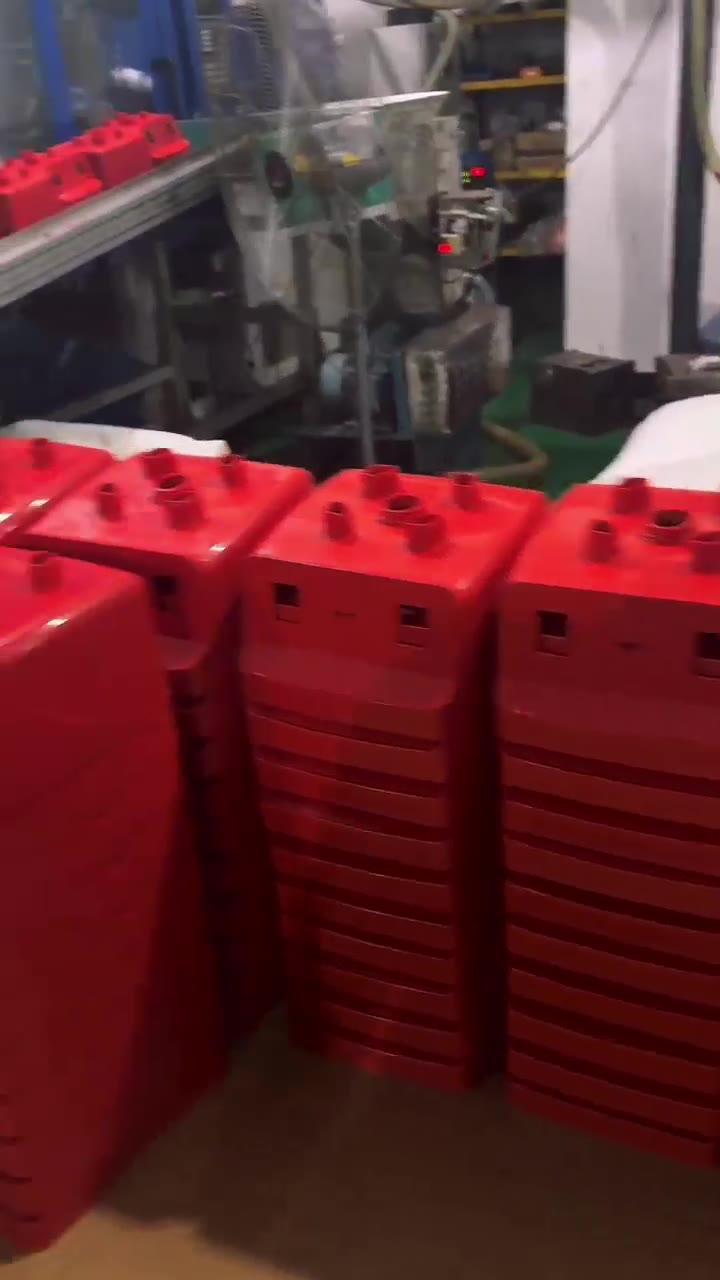
The dated packing-workshop footage can show finished cartons, sealing, handling and staging at the recorded time. Stacked cartons do not prove current inventory, exact lot quantities, completed inspection, a passed AQL result or readiness to ship. Confirm the purchase order, exact SKU quantities, carton count, hold or rework status, packing list, sampling result and authorized release record.
Use a Separate Function-Test Subset
Some checks are fast and non-destructive, while others require longer operation, measurement or product opening. The inspection plan should distinguish visual and packing checks from the function-test subset. It should state which functions are checked on every selected unit and which deeper tests apply to a smaller, clearly identified subset.
Air fryer checks may include controls, heating response, timer operation, basket fit and visible assembly. Blender checks may include switch response, motor sound, jar fit and safety features defined for the model. Fan checks may include speed, oscillation, stability, noise and guard assembly. Water pump checks may include charging, button response, pumping, hose fit and outlet clearance. The exact test method must follow the approved model, not a category-level assumption.
The dated assembly and function-check footage can illustrate visible parts staging, assembly activity, control-panel operation and electrical test equipment at the time of filming. It cannot establish that the exact SKU or selected AQL sample was tested or passed. Workshop function-check footage cannot replace the AQL function-test result: the report must identify the exact SKU, selected sample, test method, limits, equipment and calibration record, result and exception handling. A power-on state or visible instrument reading does not prove formal electrical safety, compliance, batch acceptance or shipment release.
Do Not Treat AQL as Permission to Ship Known Defects
AQL is often misunderstood as an allowed defect percentage. That interpretation is dangerous. A sampling result supports a lot decision under the agreed plan; it does not authorize the supplier to manufacture known defects or ignore a systemic problem. One critical finding or a repeated pattern may require investigation even when another count appears acceptable.
When an issue indicates the same assembly, component or artwork error across the lot, the buyer should ask whether the problem is isolated or systematic. Extra sorting, root-cause review or corrective action may be more useful than debating only the sample count.
Write the Failed-Inspection Response Before the Visit
The purchase order or inspection instruction should state what follows a failed result. Possible actions include holding shipment, sorting affected goods, reworking the lot, replacing components, correcting packing, conducting a new inspection or escalating the decision to a named buyer authority. The factory should not have to guess whether a deviation is acceptable after the inspector has left.
Reinspection should verify the corrected issue and confirm that the correction did not create a new problem. The report should retain before-and-after evidence, affected quantity, corrective action and release authority. This record becomes useful for repeat orders and supplier performance review.
Connect the Report to Final Shipment Release
An inspection report is evidence, not the final commercial decision by itself. The buyer should identify who can release shipment, approve a deviation or request further action. Final payment, loading and document preparation should follow the agreed authority path.
The release record should identify the purchase order, model, lot, inspection date, report reference, open issues and approved disposition. This prevents a verbal approval in a chat from becoming disconnected from the order file.
What to Send Before Requesting an AQL Inspection Plan
To prepare a model-specific discussion, send the product category, exact model or catalog reference, order quantity, number of versions, destination market, plug and voltage, approved sample status, packing version, required inspection timing, third-party or factory inspection method and destination port. If your company already uses a sampling standard or defect table, include that document for review.
Zhongshan Yaoyuan Electric Appliance Co., Ltd. supplies small appliances for importers, distributors, wholesalers, supermarket buyers, appliance dealers and OEM brand customers. Inspection scope and evidence depend on the exact model and order. MOQ starts from 1000 PCS. Wholesale only. Retail and one-piece orders are not accepted.
AQL Inspection Instruction Checklist
- Purchase order, exact model, lot quantity and production-batch identity
- Approved sample, specification, artwork, label and packing revisions
- Selected sampling standard, inspection level and order-specific limits
- Critical, major and minor defect definitions for the destination market
- Carton and unit sample distribution across each model version
- Visual, packing, function and deeper-test subsets
- Failed-result response, rework, reinspection and escalation rules
- Named buyer authority for deviation approval and shipment release
Frequently Asked Questions
Does writing "AQL inspection" on the order create a complete plan?
No. The order still needs a defined lot, approved reference, defect classes, sampling method, test scope, acceptance rules and release authority.
Can one sample result cover every model in a mixed container?
Not automatically. Different products, versions, plugs, components and packing configurations may require separate sample distribution and test instructions.
Who chooses the AQL limits and inspection level?
The buyer should state the required standard and limits in the order-specific instruction, then confirm feasibility and interpretation with the supplier or inspection company before production release.
What happens if the result fails?
The agreed response may include shipment hold, sorting, rework, correction, reinspection or buyer escalation. The response should be defined before inspection, not improvised afterward.
Can workshop function-check footage replace the AQL function-test result?
No. Workshop footage shows process context only. The inspection report must identify the exact SKU, selected sample, test method, limits, equipment record, result and exception handling.
Do stacked cartons prove the inspection lot is complete or ready to ship?
No. Confirm the purchase order, exact SKU quantities, carton count, hold or rework status, packing list, sampling result and authorized release record.