Step 1
Importer Trade-Term Decision Guide
EXW vs FCA vs FOB vs CIF for China Small Appliance Importers
A factory price is not comparable until the delivery point, export responsibility, freight scope, insurance and named place or port are clear. The same air fryer, blender, electric fan or rice cooker can produce very different landed costs under different trade terms.
This guide helps wholesale buyers identify what is included, where risk transfers and which costs still remain outside the supplier quotation. MOQ starts from 1000 PCS. Wholesale only.
Direct Answer for Importers
Which trade term should an appliance importer request?
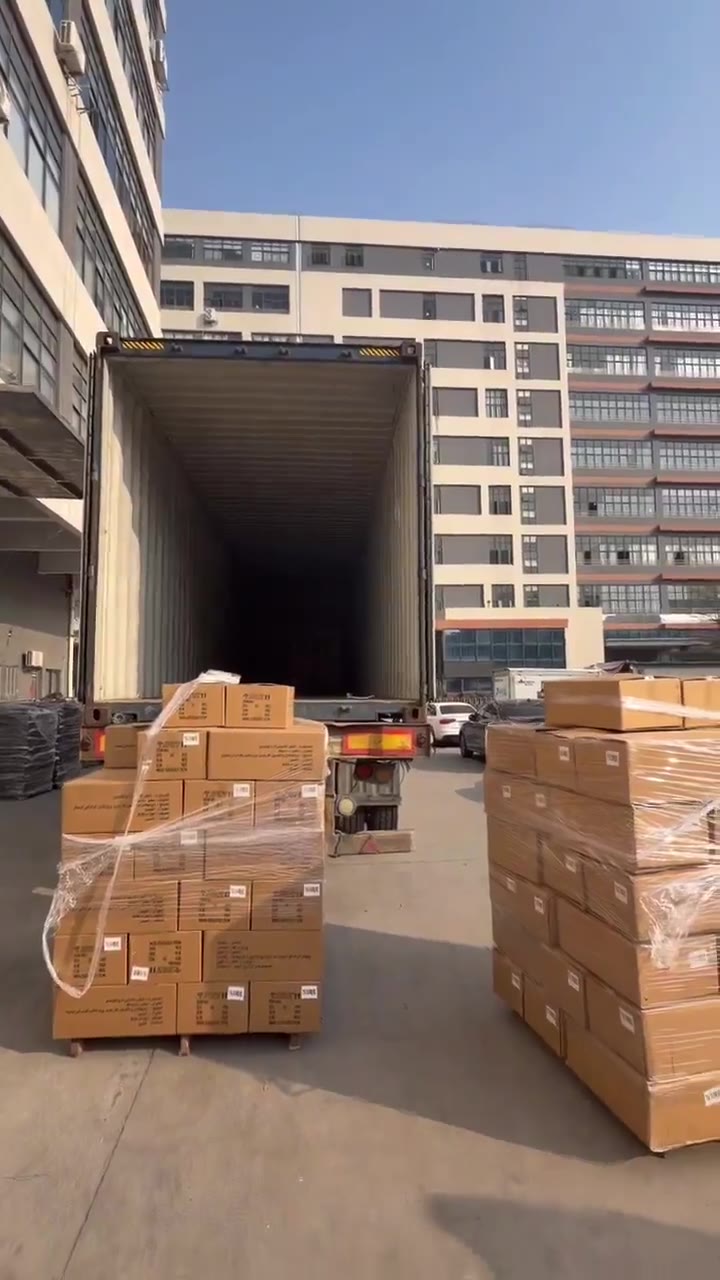
Request the term that matches your logistics capability and compare suppliers on the same named place or port. EXW gives the buyer the broadest origin responsibility. FCA can suit containerized cargo when the seller clears export and hands the goods to the buyer's carrier at an agreed place. FOB is a sea or inland-waterway term under which delivery occurs when goods are on board at the named port of shipment. CIF includes seller-arranged ocean freight and insurance to the named destination port, but risk still transfers at the origin port when the goods are on board. CIF is not a delivered-duty-paid price.
Trade terms allocate tasks, costs and risk between buyer and seller. They do not define the product specification, payment method, title transfer, quality acceptance or every local charge. Those items must still be written into the quotation, purchase contract and shipment plan. Buyers should confirm the selected rule with their freight forwarder and contract adviser.
Responsibility Comparison
EXW, FCA, FOB and CIF are different handoff systems
| Term | Supplier responsibility | Buyer responsibility | Decision point |
|---|---|---|---|
| EXW Named factory or warehouse | Makes the approved goods available at the named place. Loading and export clearance are not automatically the seller's duty under the rule. | Collection, origin handling, export arrangements, main transport, insurance, destination clearance and final delivery. | Use only when the buyer or forwarder can control China origin operations and the exact collection point is written. |
| FCA Named place | Clears the goods for export and delivers them to the buyer's carrier at the agreed place. Loading responsibility depends on whether delivery is at the seller's premises or another place. | Main carriage, insurance if required, destination formalities, local charges and inland delivery after the agreed handoff. | Often worth discussing for containerized cargo because the handoff can match the actual carrier or terminal process. |
| FOB Named port of shipment | Clears export and delivers the goods on board the buyer-nominated vessel at the named shipment port. | Nominates the vessel, pays main ocean freight, arranges insurance if desired, and handles destination and final delivery. | Confirm whether FOB matches the physical container handoff and identify every origin charge included before comparing offers. |
| CIF Named destination port | Delivers on board at origin, arranges and pays ocean freight to the named destination port, and obtains the insurance required by the rule. | Bears transit risk after on-board delivery, then handles destination clearance, duty, tax, destination charges and inland delivery unless separately agreed. | Do not confuse freight paid to destination with risk remaining with the seller until arrival. |
The current official ICC rules are Incoterms 2020. The ICC also notes that FOB and CIF are rules for sea and inland-waterway transport, while FCA is available for any mode and can address practical issues in container movements. Review the official ICC Incoterms 2020 information before finalizing a contract.
Quotation Normalization
Never compare EXW, FOB and CIF unit prices as if they include the same work
An EXW number may look lower because collection, loading coordination, export clearance and China origin charges remain outside the offer. A FOB number may include export handling and delivery on board, but the named port and local-charge scope must be confirmed. A CIF number includes freight and insurance to a named destination port, yet destination charges, import duty, tax and inland delivery may remain open.
Step 2
Freeze the named location
EXW Zhongshan, FCA a named facility, FOB Shenzhen and CIF Jebel Ali describe different cost and responsibility points.Step 3
List included origin charges
Ask who pays collection, loading, customs declaration, documentation, terminal handling and other agreed origin services.Step 4
Add freight on one date
Freight estimates have validity periods. Compare rates prepared for the same cargo data, route, equipment and expected shipping window.Step 5
Add destination exposure
Obtain forwarder estimates for port, customs, duty, tax, inspection, storage and inland delivery in the destination market.Step 6
Record open assumptions
Missing costs stay marked as open. Do not treat an excluded or unknown item as zero.Landed-Cost Bridge
Build from the quotation handoff point to saleable inventory
| Cost layer | What the buyer should verify | Evidence source |
|---|---|---|
| Goods and OEM work | Approved model, quantity, logo, color box, manual, labels, accessories and master carton. | Factory quotation, dated specification and approved artwork. |
| China origin | Pickup, loading, export clearance, documents, port or terminal handling and agreed local services. | Supplier inclusion list and forwarder origin quotation. |
| Main carriage | Ocean or multimodal freight, route, equipment, validity, surcharges and insurance scope. | Forwarder booking quotation or seller's CIF freight basis. |
| Destination | Port charges, customs broker, inspection, duty, tax, demurrage risk and inland delivery. | Destination agent estimate and local customs advice. |
| Commercial risk | Finance cost, delay allowance, damage allowance and expected saleable units. | Buyer's internal landed-cost and margin model. |
Only after these layers are visible can an importer compare the cost per saleable unit. A cheaper trade term is not automatically a cheaper shipment. The best route is the one that gives the buyer adequate control, reliable evidence and a commercially workable landed cost for the destination market.
Selection Logic
Choose the term around operational capability, not habit
Experienced Origin Control
EXW may be workable
The buyer has a trusted China forwarder, can manage export operations and wants direct control from factory collection.Container Handoff
Discuss FCA carefully
The buyer wants the seller to complete export clearance and deliver to a named carrier or terminal point aligned with the actual movement.Buyer-Controlled Ocean Freight
FOB may fit the contract
The buyer has a nominated sea carrier and accepts responsibility after on-board delivery at the named shipment port.Seller-Arranged Freight
CIF can simplify one quotation layer
The seller arranges freight and required insurance to a named destination port, while the buyer prepares for risk transfer and destination costs.Mixed-container appliance orders require extra care. Air fryers, blenders, fans, rice cookers and water dispenser pumps may come from different production schedules or loading points. Before selecting a term, confirm who consolidates cargo, who controls the final packing list, where delivery occurs and which party releases the container after inspection.
Decision-Ready RFQ
How to request a comparable trade-term quotation
Send: product category and model reference; quantity by SKU; country; plug, voltage and frequency; OEM packing scope; master-carton requirement; inspection requirement; preferred trade term; exact named place or port; destination port; required arrival date; and whether the buyer already has a China or destination forwarder.
Request back: quotation validity; product and packing inclusions; carton quantity, dimensions and weight; production lead-time starting condition; named delivery point; origin charges included and excluded; freight basis where applicable; insurance basis where applicable; shipment documents; and payment milestones.
A shorthand such as "best FOB price" is not enough. The supplier needs a named port, cargo definition and shipping window. The buyer also needs to know whether inspection, artwork revision, special labels, spare parts or consolidation services are included. Keep those answers in the same quotation comparison sheet used for supplier approval.
Commercial Red Flags
Stop assumptions before they become shipment disputes
Unclear Location
A term without a named place
"FOB China" or "CIF your country" is incomplete. Record the precise shipment or destination port and applicable rule version.Mixed Basis
Supplier offers use different terms
Normalize all offers to one comparison point before making a price decision.Hidden Destination Cost
CIF is treated as a delivered price
Confirm destination port, customs, duty, tax, storage and inland delivery separately.Risk Confusion
Freight payer is mistaken for risk holder
Under C terms, the seller may pay carriage farther than the point where delivery and risk transfer occur.Old Freight Rate
Quotation validity has expired
Refresh freight and surcharge assumptions near booking instead of using an old rate in a new landed-cost decision.Uncontrolled Documents
Invoice, packing list and order version disagree
Reconcile model, quantity, carton data, consignee details and trade term before shipment release.Connected Procurement Path
Connect the trade term to the complete order record
The trade term is one part of a controlled import decision. It must stay aligned with the approved product, quotation, payment, inspection, packing and shipment documents.
01Select the ProductDefine market fit, channel, model and configuration before requesting logistics terms.
02Verify the SupplierConfirm identity, capability, evidence and order-control process.
03Normalize the QuotationCompare one product, packing and commercial basis.
04Choose the HandoffAssign origin, carriage, insurance and destination responsibility.
05Control Shipment DocumentsKeep the commercial invoice, packing list and shipment record consistent.
Private Wholesale Quotation
Send one complete appliance inquiry for a comparable offer
Order Boundary
Wholesale only
MOQ starts from 1000 PCS. Retail and one-piece orders are not supported.Buyer Information
Market and logistics route
Send country, destination port, model, quantity, plug, voltage, packing and preferred trade term.Factory Confirmation
Private, order-specific basis
We confirm product availability, OEM scope, carton data, lead time and trade-term inclusions for the actual inquiry.Next Freight Control
Choose the handoff, then freeze the cargo data
The selected trade term defines responsibilities, but a forwarder still needs current carton dimensions, carton count and weight for each exact product and packing version. Connect those fields before comparing freight or landed cost.
Operationalize the Trade Term
Turn the named handoff point into a written forwarder brief
After selecting EXW, FCA, FOB or CIF, identify the buyer-approved forwarder, actual pickup or loading point, cargo-ready data, booking contacts, cut-offs and Shipping Instructions.
Insurance Is a Separate Review
Connect the selected trade term to the actual insurance document
The trade term allocates defined responsibilities, but the issued policy or certificate controls insurance coverage, exclusions and claim duties. Review that document before shipment and preserve loading and arrival evidence under the same order reference.
Import Clearance Is a Local Decision
Connect the selected trade term to the destination broker brief
A trade term allocates defined delivery responsibilities, but it does not determine the final destination tariff classification, customs value, duty, tax, permit or compliance result. Give the local broker the actual transaction and product file before shipment documents are locked.