Buyer Identity
Factory-to-Forwarder Shipment Handoff
How to Appoint a Freight Forwarder for China Appliance Orders
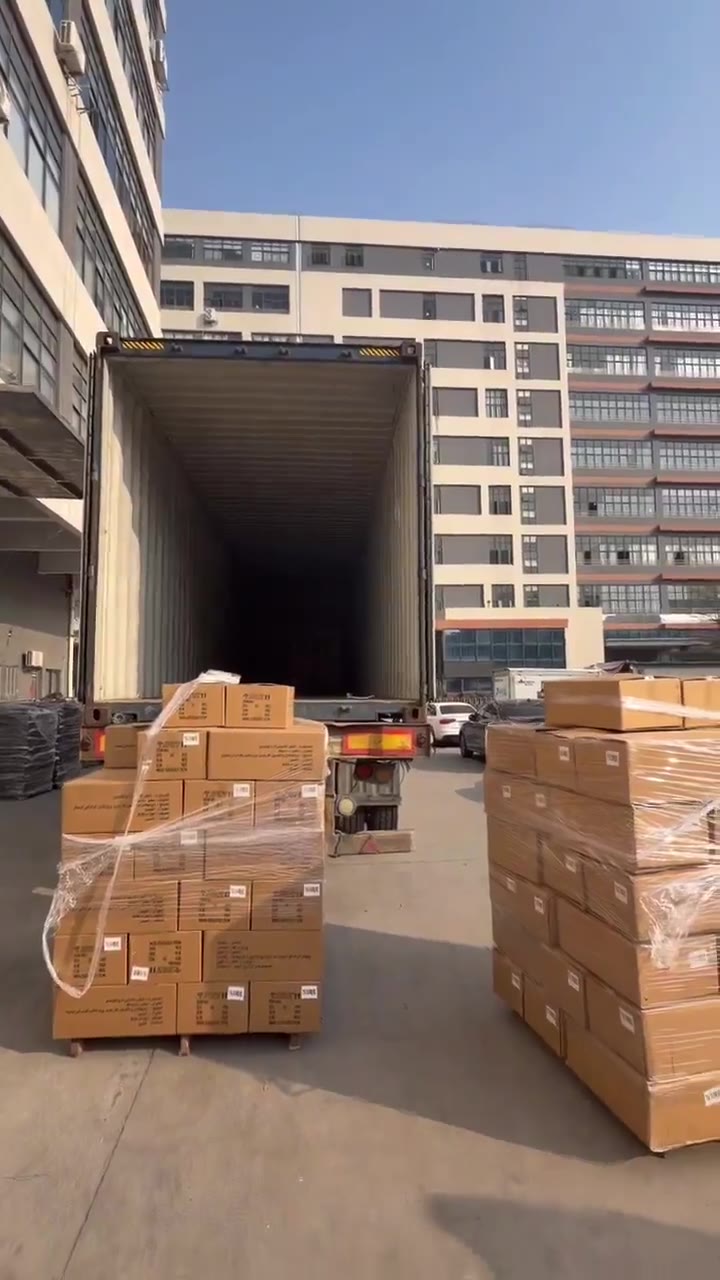
A freight quotation alone does not move a wholesale order. The buyer, factory and forwarder need one controlled handoff covering the trade term, cargo version, booking contact, pickup or loading point, shipment window, document instructions and approval authority.
This guide is for importers, distributors, supermarket buyers and OEM brands preparing air fryer, blender, electric fan, rice cooker, oven, ceramic hob, water dispenser pump or mixed-container shipments. MOQ starts from 1000 PCS. Wholesale only.
Direct Answer for Importers
When should the buyer appoint the freight forwarder?
Appoint or identify the forwarder early enough to review the selected trade term, named place or port, route, destination requirements and preliminary cargo data before booking becomes urgent. Release the final booking only from production-confirmed carton quantities, dimensions, weights and shipment timing. A forwarder contact without a written shipment brief is not a complete nomination.
The buyer controls the commercial route. The factory controls the actual production and packing record. The forwarder controls the transport quotation, booking instructions and carrier-facing process within the agreed scope. Each party should confirm its own data instead of copying assumptions from an old order.
Three-Party Responsibility
Separate buyer, factory and forwarder responsibilities
| Party | Primary responsibility | Evidence to provide | Decision authority |
|---|---|---|---|
| Buyer or importer | Selects the commercial route, approves the appointed forwarder, confirms consignee and notify-party instructions, and controls destination requirements. | Forwarder authorization, destination port, required arrival window, consignee data, document instructions and authorized contact. | Approves route, freight basis, destination exposure and buyer-owned shipping information. |
| Factory | Prepares the approved goods and packing, confirms actual cargo readiness, provides controlled carton data, supports agreed origin handoff and reconciles shipment documents. | Production status, model and quantity, carton count, dimensions, weight, pickup or loading address, packing list basis and loading proof. | Confirms physical cargo facts and whether the order is ready for the proposed handoff. |
| Freight forwarder | Quotes the stated transport scope, issues booking requirements, explains cut-offs, coordinates the assigned carrier route and provides draft shipment instructions for review. | Route, mode, equipment, validity, included and excluded charges, booking reference, operational contacts, cut-offs and document deadlines. | Confirms carrier-facing requirements and transport feasibility for the quoted scope. |
No party should silently change the approved model mix, packing version, trade term, route or document instructions. If a change affects volume, weight, booking, cost, inspection or arrival, the buyer should authorize the revised basis in writing.
Nomination Pack
What the buyer should send when appointing a forwarder
Order Identity
Reference the controlled order
Use the purchase order, proforma invoice or order reference plus exact SKU, quantity and approved packing revision.Trade Term
Write the rule and named place
Do not send only EXW, FCA, FOB or CIF. Include the exact factory, facility, shipment port or destination port used in the quotation.Route Requirement
State origin and destination
Identify pickup or loading city, port of loading direction, destination port, final place where relevant and required warehouse date.Cargo Basis
Use one SKU-level carton sheet
Provide quantity, units per carton, carton count, dimensions, gross and net weight, volume and packing restrictions by current version.Document Control
Name the approver and deadline
State who approves booking, consignee details, shipping instructions and bill-of-lading draft, with a working email and response deadline.Planning Data vs Final Data
Do not book final cargo from an old catalog estimate
| Order stage | Data status | Permitted use | Required control |
|---|---|---|---|
| RFQ planning | Catalog or sample-based carton estimate. | Initial route and budget discussion. | Mark every unconfirmed field as planning data, not final booking data. |
| Order release | Approved model, packing specification and expected quantity. | Forwarder preparation and provisional space discussion. | Recalculate after artwork, accessories, carton or SKU mix changes. |
| Production confirmed | Current packed version with verified carton count, size and weight. | Final booking, equipment planning and shipment instructions. | Factory, buyer and forwarder use the same dated cargo sheet. |
| Loading completed | Actual loading tally, container and seal record. | Final packing list, bill-of-lading draft and destination receiving preparation. | Reconcile differences before document release. |
Air fryers and ovens can consume container volume quickly. Electric fans can have large cartons relative to unit value. Water dispenser pumps are smaller but may be combined with other appliances. A mixed container cannot be planned responsibly by adding product quantities without the current carton version for every SKU.
Booking Instruction Control
The booking should answer seven operational questions
1. Cargo Ready
What is the verified ready window?
Connect the proposed pickup or loading date to production, final packing and inspection release instead of the purchase-order date alone.2. Handoff Point
Where does responsibility change?
Use the approved trade term and named place or port, then identify the actual pickup, consolidation or terminal handoff.3. Equipment
What transport unit is being planned?
Confirm LCL, container or other route direction from current cargo data and the appointed forwarder's operational advice.4. Cut-Offs
Which deadlines control the shipment?
Ask the forwarder for cargo, document, shipping-instruction and any carrier-specific deadlines relevant to the booked route.5. Charges
What is included and excluded?
Separate origin, main carriage, insurance where applicable, destination, customs, storage and inland delivery exposure.6. Documents
Who prepares and approves each record?
Assign commercial invoice, packing list, certificate, booking instruction, shipping instruction and bill-of-lading review owners.7. Escalation
Who decides when timing changes?
Name contacts for factory readiness, buyer approval, forwarder operations and destination handling before a delay becomes urgent.Shipping Instructions
Keep buyer-owned document data separate from factory cargo data
Shipping Instructions, often shortened to SI, tell the forwarder or carrier how shipment documents should identify the parties and movement. The buyer should provide and approve buyer-owned information. The factory should provide and verify physical cargo information. The forwarder should format the record according to the booked service and return the draft for review.
| Information group | Typical source | Control question |
|---|---|---|
| Shipper direction | Approved transaction and export arrangement. | Does the named shipper match the commercial and operational role used for this shipment? |
| Consignee and notify party | Buyer or its authorized destination representative. | Has the buyer checked legal name, address, contact and clearance direction before draft approval? |
| Route and ports | Approved booking. | Do vessel or service details, loading port, discharge port and final place match the booked movement? |
| Packages and goods description | Factory packing record and buyer-approved document direction. | Do package count, model summary, quantity and description reconcile with the actual loading and commercial invoice? |
| Container and seal | Loading record. | Were the actual identifiers copied from loading evidence and checked before final release? |
| Freight and release direction | Approved trade term, payment process and forwarder instruction. | Does the selected release process match the buyer's bank, document and destination needs? |
Do not email sensitive consignee or document changes to a broad group without verification. A change to consignee, notify party, release instruction or payment-linked document should be confirmed through the buyer's authorized control route.
Milestone Sequence
Connect the forwarder only after the order version is controlled
Approve product and packing
Freeze the exact SKU, electrical version, accessories, OEM files and carton specification.
Select trade term and route
Write the named place or port, responsibility split and destination requirement.
Identify the forwarder
Share contacts, quotation scope, required arrival window and preliminary cargo basis.
Confirm production readiness
Link the expected cargo-ready window to production evidence, packing and inspection.
Release final carton data
Use the current SKU-level carton count, dimensions, weight and volume for booking.
Approve booking and cut-offs
Record route, equipment, operating contacts, deadlines and included transport scope.
Load and reconcile
Compare actual loading, container, seal and package count with the booking record.
Approve shipment documents
Check invoice, packing list and bill-of-lading draft before final document release.
Forwarder Handoff Red Flags
Stop these errors before cargo reaches the port
No Written Nomination
A contact is forwarded without authority
Identify the buyer-approved company, scope, operational contact and escalation contact in one written handoff.Old Cargo Sheet
Booking uses a previous packing version
Reissue carton count, dimensions, weight and CBM after any model mix, accessory or packaging change.Unclear Trade Term
The handoff location is missing
Write the selected rule and exact named place or port before assigning pickup, export and freight responsibility.Unverified Ready Date
Space is booked from an estimate
Connect booking to production, packing and inspection status, then record who approved the proposed cargo-ready window.Split Instructions
Consignee data lives in several chats
Use one buyer-approved shipping-instruction revision and one authorized approver.No Destination Review
Origin freight is treated as total landed cost
Confirm destination charges, customs, duty, tax, storage and inland delivery with the buyer's local advisers.Connected Procurement Path
Place the forwarder handoff between cargo data and shipment documents
The forwarder should receive a controlled order, not rebuild the order from scattered messages. Link trade term, packing data, readiness, inspection, booking and final documents under the same shipment reference.
01Choose the HandoffDefine the trade term, named place or port and responsibility boundary.
02Freeze Cargo DataConnect each exact SKU and packing version to carton count, weight and CBM.
03Confirm ReadinessAlign the proposed shipping window with production, packing and inspection evidence.
04Appoint the ForwarderRelease the booking brief, operating contacts, cut-offs and document instructions.
05Control DocumentsReconcile invoice, packing list, bill-of-lading draft and loading evidence.
Private Wholesale Shipment Planning
Send the order and route basis before requesting a factory handoff
Wholesale Boundary
MOQ starts from 1000 PCS
Retail and one-piece orders are not supported. The route is prepared for qualified bulk projects.Buyer Sends
Company, market and route
Send product, quantity by SKU, country, trade term, named place or port, destination and forwarder status.Factory Confirms
Order-specific cargo basis
Product availability, packing data, readiness, origin handoff and document support require current written confirmation.Next Shipment Risk Control
Confirm insurance responsibility before the booked movement begins
Forwarder nomination does not automatically confirm insurance coverage. Record who arranges the policy, which route and goods are described, what evidence must be preserved and which parties must receive prompt notice if damage appears.
Destination Agent Coordination
Do not confuse the forwarder brief with the import-clearance brief
The forwarder controls agreed transport data and movement, while the importer and local customs broker control destination classification, valuation, duty, tax, permits and declaration requirements. Connect both teams through the same SKU, invoice, packing and arrival references.
Destination Cost Scope
Ask which free-time and local charges sit outside the freight quotation
Before booking, identify the carrier and terminal terms, separate demurrage, detention and storage exposure, and confirm who will monitor cargo availability, last free day, pickup appointments and empty return.