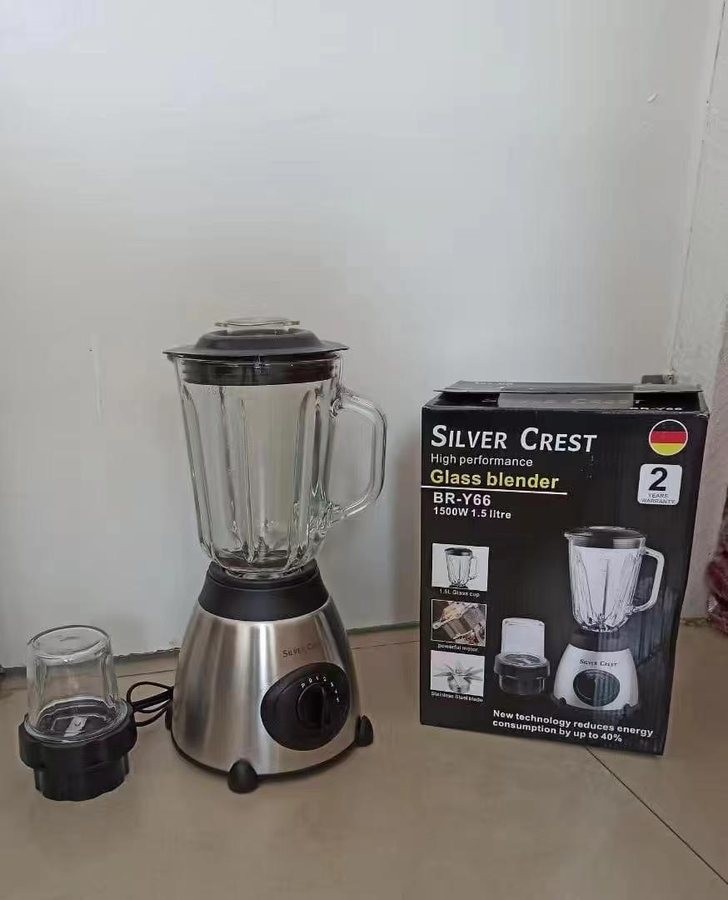
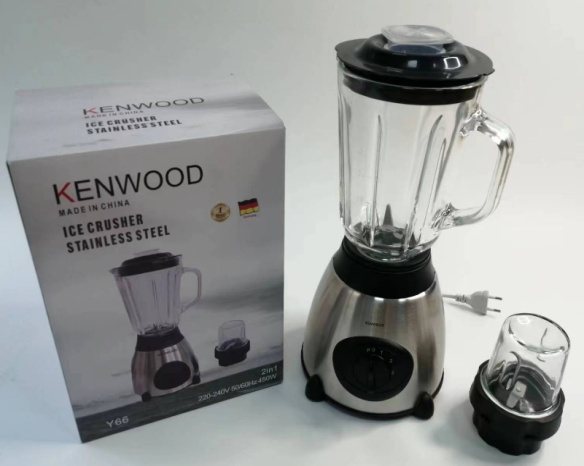
Build an OEM blender project around one controlled version
An OEM project starts with the buyer's intended use, channel and destination responsibilities, then selects one model and electrical version for sample approval. The signed specification should connect the physical sample, BOM, supported claims and acceptance tests.
Logo, color box, manual, labels, barcode and carton marks should use a shared revision register. Packaging must not introduce capacity, power, performance, certification or material claims that the approved evidence does not support.
For repeat orders, compare the retained sample, BOM revision, critical components, artwork files, inspection records and approved change notices. This creates a practical basis for strategic cooperation without promising unchanged supply where a documented change must be evaluated.
OEM version-control release gate
Before artwork and production approval, both parties should hold the same controlled record set:
- Selected model, destination electrical version, signed specification and retained sample
- BOM, critical components, supported claims, buyer tests and evidence responsibilities
- Logo, color box, manual, labels, barcode, carton marks and revision ownership
- Inspection plan, approved-change process, repeat-order comparison and destination handoff
Commercial outcome boundary: These controls support model selection and order release. They do not guarantee local demand, sell-through, margin, profit, a fixed arrival date or a repeat order.
OEM starts with one controlled blender architecture
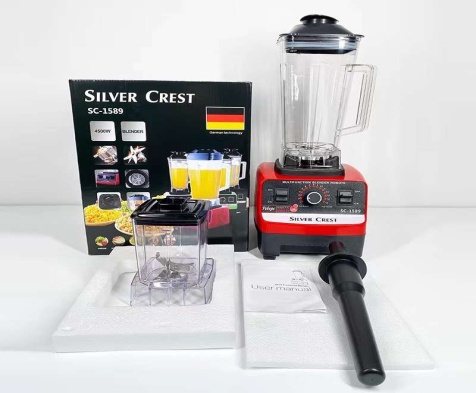
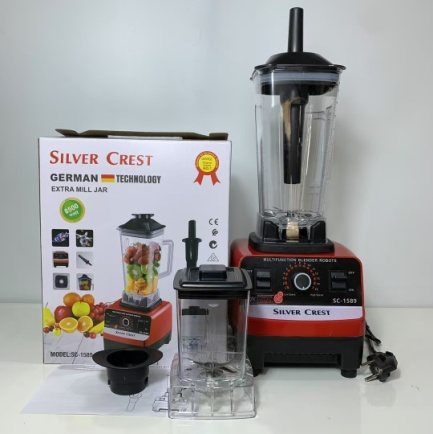
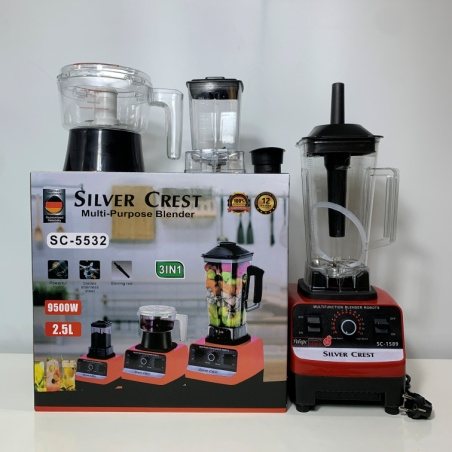
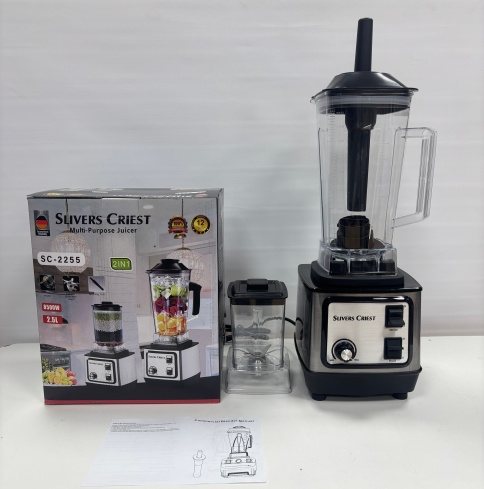
Choose one catalog route, jar and lid set, blade assembly, coupling, motor and control architecture before adding a logo or packaging layer. Similar-looking products are not interchangeable when their components, performance evidence or service parts differ.
- Connect the selected route to a current physical sample and written specification.
- Record all unresolved fields instead of filling them with assumptions.
- Define the buyer's intended use, sales channel and destination responsibilities.
- Use one revision-controlled project identity across quotation, sample and production.
Gate 1: freeze the catalog route and component architecture
Approve the exact base, housing, motor, coupling, jar, lid, blade, controls and supplied accessories. The project should not proceed under only a generic capacity, wattage or family name.
Gate 2: define the motor, control and destination version
Verify rating-label data, voltage, frequency, plug, cord, control functions and protection behavior on the proposed sample. Destination compliance and importer obligations remain subject to the exact market and model.
Gate 3: freeze the jar, blade, lid and accessory set
List every food-contact and removable component in the BOM. Link each vessel, blade, lid, seal, tool and attachment to photographs, packing positions and replacement-part references.
Gate 4: approve the sample against a specification sheet
The buyer-approved test should define ingredients, batch size, operating cycle, rest interval and acceptance result. Retain the sample identity and test record so inspection can compare the released order with the approved baseline.
Gate 5: approve branding, instructions and packing by revision
Approve logo, panel marking, rating label, manual, barcode, color box, carton marks and packing layout as separate controlled files. Artwork must not introduce unsupported capacity, power, material, performance or certification claims.
Gate 6: control first-batch assembly and pre-shipment inspection
Use the signed specification, BOM, approved sample and inspection checklist during first-batch review. Define what is checked, how samples are selected, who receives evidence and how any nonconformity is handled before shipment release.
Gate 7: protect repeat orders with spare-part and change control
Compare repeat orders with the retained sample, critical-component list, artwork revision and previous inspection evidence. Proposed substitutions or process changes should be disclosed, evaluated and approved before they enter production.
What is approved, and what remains subject to confirmation
The controlled record can approve a specific model, version, sample, BOM, artwork and inspection method. Availability, customization feasibility, document coverage, timing, local acceptance and commercial outcomes still require project-specific confirmation.
Use factory evidence to answer a defined sourcing question
Showroom, workshop, inspection, packing, loading and customer-visit evidence should answer a buyer question such as component control, sample identity or shipment execution. Evidence does not replace the signed order record, and a video does not prove every model or every future batch.
OEM blender project brief before private quotation
Send the catalog model or URL, quantity, country, sales channel, intended ingredients, jar and accessory set, plug, voltage, branding scope, packing request, destination port and inspection expectation. The private quotation can then identify what is included, what remains open and which evidence is required before release.
Quotation Checklist
- Target blender model or function direction
- Quantity, with MOQ starting from 1000 PCS
- Country, sales channel and destination port
- Plug type, voltage and manual language
- Jar capacity, power direction and accessory configuration
- Neutral packing, factory box or OEM custom color box
- Mixed container categories if the buyer needs more than blenders
Related Factory Pages