Direct Answer for Importers
A useful blender inspection compares production units with the approved model, written order and packing reference. It should verify model and market configuration, jar and blade assembly, coupler engagement, controls, operating response, leakage direction, abnormal noise or vibration, plug and cord, labels, accessories, appearance and packing. The inspection scope and sampling method must be agreed for the actual order. Final inspection does not replace sample approval, process control or required compliance testing.
Build Inspection Around an Approved Baseline
Inspection cannot decide whether a product is correct without a reference. The baseline should include the approved model, sample or golden sample, specification, jar and accessory set, plug, voltage, visible finish, labels, manual, retail box and carton mark. If the buyer and factory use different references, even a careful inspection can produce the wrong decision.
Use one model code across the purchase order, product label, box, carton and inspection report. If the order contains several colors, plugs or jar sets, identify the quantity and reference for each SKU.
Confirm Critical Components Before Full Production
The motor, jar, blade assembly, coupler, switch or control system, power cord and plug are important to blender identity and operation. If a critical part changes after approval, the buyer should receive a change description and review the effect before the new direction enters bulk production.
Incoming and production controls should connect component identity with the approved configuration. Pre-shipment inspection can detect visible or functional differences, but it may not reveal every internal substitution. Use the component change control guide for repeat-order traceability.
Use Pilot Output to Find Process Problems Early
The first production units show whether normal materials, tools, workers, test methods and packing can reproduce the approved result. Check the first-off units before production volume increases. A single carefully assembled showroom sample does not prove that the line is stable.
If early units show inconsistent gap, loose coupler, label error, jar fit or control response, identify the cause and verify the correction. Carry those findings into the final inspection checklist. The pilot production guide explains this release step.
Verify Model, Color and Market Configuration
Open selected cartons and compare the product with the order allocation. Confirm model, color, jar, accessory set, plug, voltage, frequency, rating label and packing version. A functional product can still be commercially wrong if it belongs to another market or SKU.
For mixed shipments, the inspection sample should represent the actual variants. Do not inspect only the easiest or most common carton while a smaller market version remains unchecked.
Inspect the Jar, Lid and Handle
Review the jar for cracks, deformation, unacceptable marks, contamination and fit with the motor base. Check that the lid seats correctly and that removable caps or inserts match the approved set. The handle should feel secure under normal handling and should not interfere with lid or base placement.
Material and capacity claims must match the approved specification. Plastic and glass jars have different inspection and packing risks. The buyer should define acceptable cosmetic limits rather than reject or accept units by an undefined impression.
Check Blade Assembly, Seal and Coupler
The blade assembly should be complete, secure and consistent with the approved direction. Check visible blade condition, assembly fit and the relationship between blade unit, seal and jar. The coupler should engage correctly with the motor base without obvious damage, excessive looseness or misalignment.
Do not touch blades directly during inspection. Product-specific safety procedures should be followed. If the model uses a removable assembly, confirm that the supplied parts and instructions match the actual product.
Review Leakage Direction with an Agreed Method
Leakage checks should use the correct jar assembly, lid and approved test method. Inspect the jar base, blade assembly and sealing area before and after the check. Record the test condition and result instead of writing only "no leak."
A short factory check does not predict every long-term seal condition. It verifies assembly and obvious leakage under the agreed inspection scenario. Findings should be separated from damage caused by incorrect assembly during the test.
Test Controls and Operating Response
Confirm power-on behavior, switches, speed positions, pulse function and any additional controls included in the approved model. The controls should respond consistently and return to the expected position or state. Labels and control-panel markings must match the actual functions.
Where a jar-position or lid-related interlock exists, verify it according to the product design. Do not assume that every blender model uses the same protection structure.
Observe Noise, Vibration, Smell and Heat Direction
Operate selected units under the agreed condition and observe abnormal noise, excessive vibration, unstable base movement, unusual odor or unexpected heating. Compare questionable units with the approved sample or known good production reference.
Subjective comments such as "a little noisy" are difficult to resolve. Record the condition, duration, unit identity and specific difference. If the order includes a defined performance or endurance test, keep that separate from a short pre-shipment function check.
Connect Workshop Function-Check Footage to the Blender Inspection File
The dated assembly and function-check footage can show visible blender-base component placement, assembly activity and control-panel operation at the time of filming. It does not prove that the exact blender SKU, jar and base combination, purchase order, lot or selected inspection sample passed the buyer's checks.
For order evidence, identify the purchase order, exact SKU, approved sample, jar and base configuration, BOM or component version, selected sample, test method, load or operating condition, duration, acceptance limits, equipment record, result, exceptions and authorized disposition. A motor start-up, panel response or visible instrument reading does not prove formal electrical safety, certification compliance, a passed production lot or shipment release. Use the AQL sampling and inspection plan to define the sample distribution and lot decision.
Check Power Cord, Plug and Rating Label
Confirm the required plug type, cord appearance, strain relief direction and visible condition. The rating label should show the approved model and market information and remain readable and securely placed. The manual and retail box should not contradict the product label.
Plug and voltage errors can affect the entire market allocation. Use the blender voltage and plug guide during order confirmation, then make those details explicit inspection points.
Verify Feet, Stability and Basic Assembly
Place the product on a suitable level surface and check whether the base sits securely. Review visible assembly, housing gaps, screws, knobs, decorative parts and interfaces between the jar and base. Parts should not be missing, loose or incorrectly oriented.
Cosmetic judgment should follow approved samples or defined limits. Minor variations should not be confused with functional or safety findings, but repeated appearance defects can still damage retail acceptance.
Count Every Accessory and Document
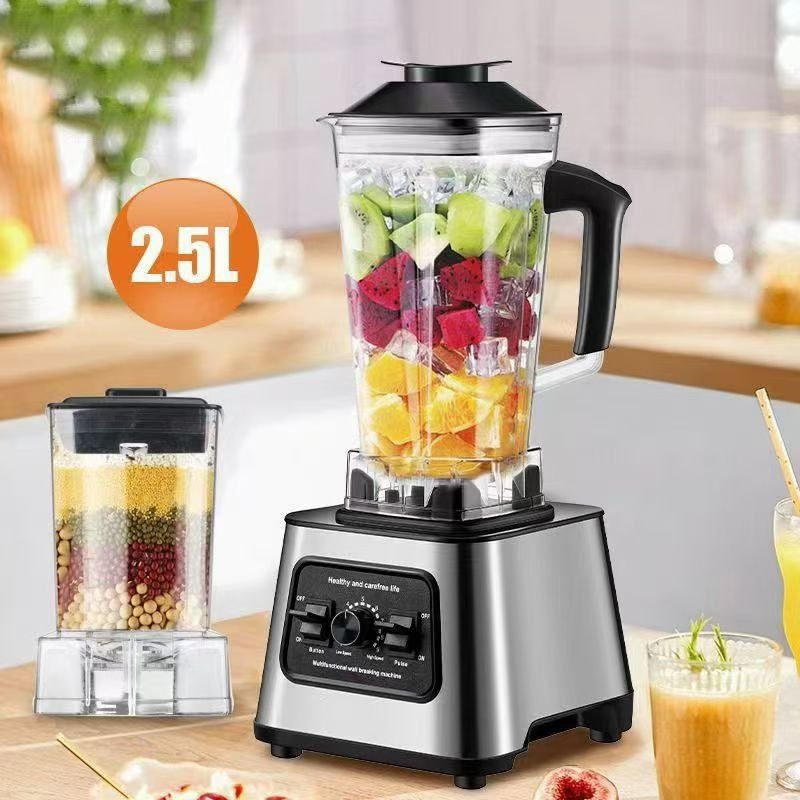
Confirm the jar, lid, cap, blade unit, grinding cup, chopper cup, seals, manual, warranty material and any other approved item. Multi-function and dual-cup sets need a clear packing list because one missing component changes the product sold to the customer.
Use an accessory arrangement photo or packing diagram where useful. The OEM blender packaging guide explains how product identity and accessory control should remain consistent across box, manual and carton.
Inspect Retail Packing and Master Cartons
Check the approved artwork version, product image, model, barcode, manual language, plug or voltage information, internal protection and box condition. The complete set should fit without uncontrolled movement or contact that can scratch visible surfaces.
Review master-carton quantity, carton mark, model identity and visible damage. In a mixed container, clear cartons help the destination warehouse count, separate and deliver goods to dealers efficiently.
Use a Sampling Plan Matched to Order Risk
The buyer and factory should agree how many units and cartons will be checked, how variants are represented and how defects are classified. The plan may depend on order quantity, model maturity, OEM changes, previous performance and buyer requirements. Do not copy a sampling number from another project without confirming that it applies.
Higher-risk changes may require targeted checks in addition to general sampling. For example, a new jar seal, control panel or plug direction should receive attention even when the rest of the model is stable.
Separate Critical, Functional and Cosmetic Findings
Not all findings have the same commercial impact. A market-configuration or serious safety-related difference may block shipment. A functional failure requires cause review and correction. A cosmetic issue may be judged against approved appearance limits and frequency.
The inspection report should identify model, carton or unit reference, finding, quantity and evidence. Clear classification helps both sides decide whether to correct selected units, expand inspection, rework a batch or stop release.
Verify Corrective Action, Not Only Removal
Removing one failed unit does not prove that the process is corrected. Identify whether the issue comes from material, assembly, test setup, artwork, packing or handling. Apply the action, inspect affected stock where necessary and recheck representative units.
Keep the finding, root-cause direction, action and verification linked. The record helps prevent repetition in the next production batch. Review the corrective action guide for post-shipment issues.
Make Shipment Release an Explicit Decision
The inspection should end with a documented status: accepted under the agreed criteria, correction and recheck required, or shipment blocked pending resolution. Open issues, affected quantities and responsible parties should be clear before loading.
Inspection approval confirms the inspected shipment against the agreed scope. It does not create a new specification or replace required certification and testing for the target market.
Blender Pre-Shipment Inspection Checklist
- Approved model, sample, specification and SKU allocation available
- Model, color, jar, plug, voltage and label match the order
- Jar, lid, handle and visible surfaces checked
- Blade assembly, seal and coupler direction verified
- Leakage check performed under an agreed condition
- Controls, speeds and pulse response checked
- Abnormal noise, vibration, odor or heat recorded
- Power cord, plug, rating label and stability checked
- Accessories, manual and packing list complete
- Retail box, internal protection and carton mark verified
- Sampling covers relevant models and market variants
- Findings corrected and rechecked before shipment release
Frequently Asked Questions
Can assembly-workshop footage prove that my exact blender shipment passed inspection?
No. The footage provides dated process context only. Match it to the purchase order, exact SKU, approved sample, jar and base configuration, BOM or component version, batch and selected inspection sample before using it as order evidence.
Does motor start-up, panel response or a visible reading prove electrical safety or compliance?
No. A motor start-up, panel response or visible instrument reading does not prove formal electrical safety, certification compliance, a passed production lot or shipment release.
What should a blender function-check record identify?
Identify the purchase order, exact SKU, selected sample, jar and base combination, test method, load or operating condition, duration, limits, equipment record, measured or observed result, exceptions and authorized disposition.
Can one function check cover every jar, control and market configuration?
No. Different jars, plugs, voltage versions, controls, accessories or safety structures may need separate sample distribution and test instructions under the buyer-approved AQL plan.
Quality Evidence Supports Repeat Orders
A useful inspection record does more than approve one shipment. It shows which model and version were checked, which differences appeared and whether corrective action remained effective. The importer can compare that evidence with arrival feedback, dealer response and the next production batch.
Zhongshan Yaoyuan Electric Appliance Co., Ltd. supports blender quality-control and inspection discussions according to the selected model, approved specification and order agreement. MOQ starts from 1000 PCS. Wholesale only. Send model, quantity, country, approved sample status, packing direction, inspection requirement and destination port for review.