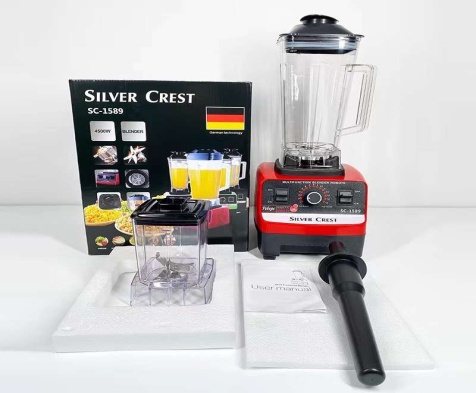
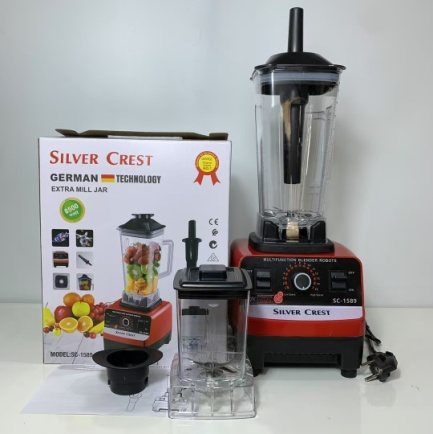
Define both cups before comparing a dual-cup quotation
A dual-cup description is incomplete until the order file identifies both vessels and how each one connects to the base. Freeze the cup materials, capacities, lids, seals, blade assemblies or couplings and every supplied accessory on the approved sample and bill of materials.
The two public catalog routes share several published fields, but one has a model code and one does not. Keep their catalog identities separate, compare the current physical samples and do not substitute one route only because the images or headline specifications appear similar.
Packing approval should show how both vessels and accessories are protected inside the color box, then confirm master-carton dimensions, carton quantity, marks and the buyer's drop or handling requirement. Use that packed version for landed-cost review and channel testing.
Dual-cup configuration release gate
A controlled dual-cup order should resolve these points before artwork or production release:
- Separate identity, material, measured capacity, lid and seal for cup A and cup B
- Blade, coupling and base compatibility for each supplied vessel
- Complete accessory list, internal protection, color-box layout and master-carton basis
- Buyer operating test, electrical version, inspection sample and replacement-part decision
Commercial outcome boundary: These controls support model selection and order release. They do not guarantee local demand, sell-through, margin, profit, a fixed arrival date or a repeat order.
Quotation Checklist
- Target blender model or function direction
- Quantity, with MOQ starting from 1000 PCS
- Country, sales channel and destination port
- Plug type, voltage and manual language
- Jar capacity, power direction and accessory configuration
- Neutral packing, factory box or OEM custom color box
- Mixed container categories if the buyer needs more than blenders
Related Factory Pages