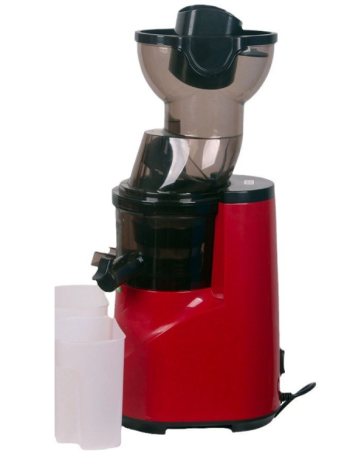
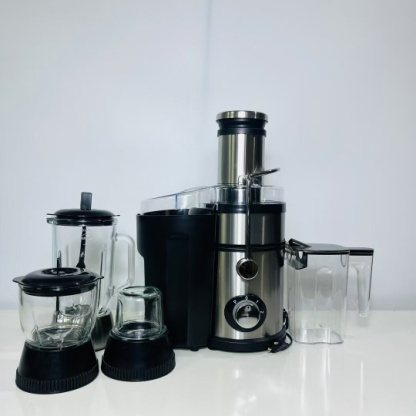
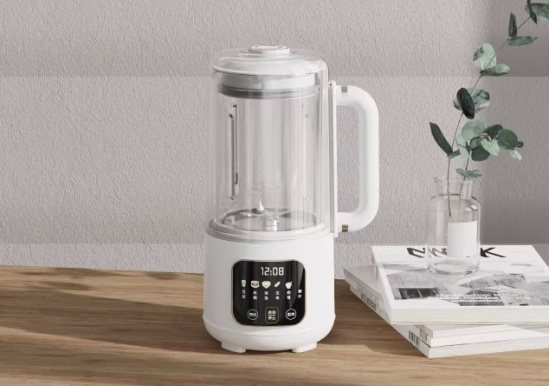
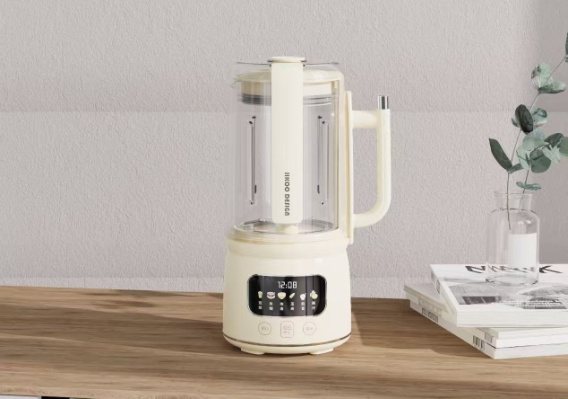
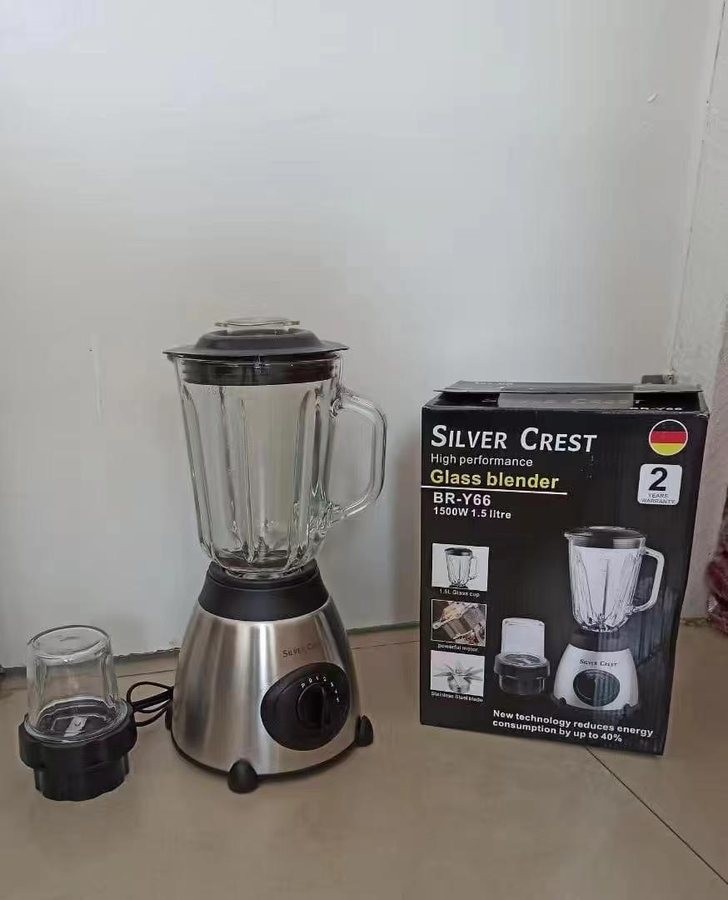
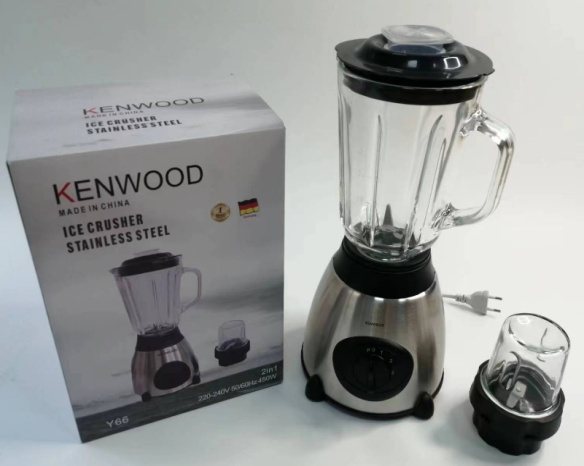
Use a staged blender selection method before quotation
First define the ingredients, batch size, operating pattern, buyer channel and destination country. That brief separates household blending, combination sets, juicing, catalog high-speed directions and any higher-duty requirement before price comparison begins.
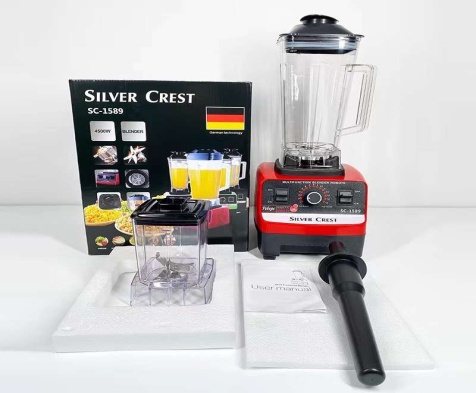
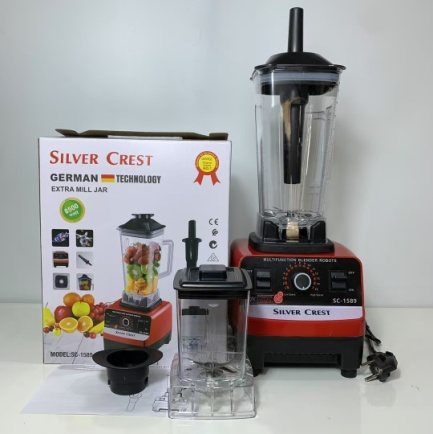
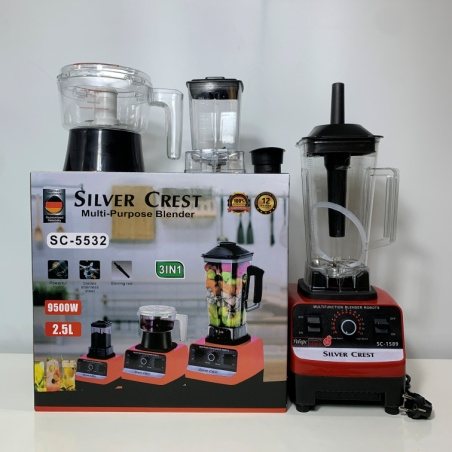
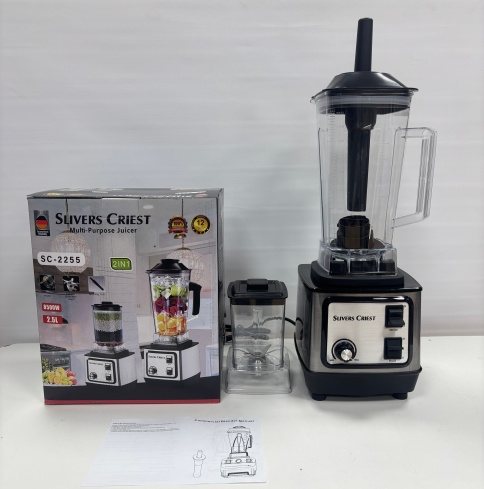
Second, shortlist only catalog records whose current samples can be checked against the brief. Approve the jar or vessel, blade, coupling, motor, controls, accessories, electrical version and buyer test, and record every unknown field that still requires confirmation.
Third, calculate packing and landed cost from the approved configuration, then test the commercial position using the buyer's comparable products and channel data. Release OEM files and production only after specification, responsibilities, inspection and destination handoff are clear.
Blender selection decision sequence
A buyer can use the following gates to reject weak candidates before committing an order:
- Use and channel brief: ingredients, batch, duty cycle, users, country and quantity
- Model evidence: current sample, vessel, blade, coupling, motor, controls and accessories
- Market version: voltage, frequency, plug, files, labels, claims and importer responsibilities
- Commercial release: packing, landed-cost inputs, inspection, port handoff and change control
Commercial outcome boundary: These controls support model selection and order release. They do not guarantee local demand, sell-through, margin, profit, a fixed arrival date or a repeat order.
Quotation Checklist
- Target blender model or function direction
- Quantity, with MOQ starting from 1000 PCS
- Country, sales channel and destination port
- Plug type, voltage and manual language
- Jar capacity, power direction and accessory configuration
- Neutral packing, factory box or OEM custom color box
- Mixed container categories if the buyer needs more than blenders
Related Factory Pages