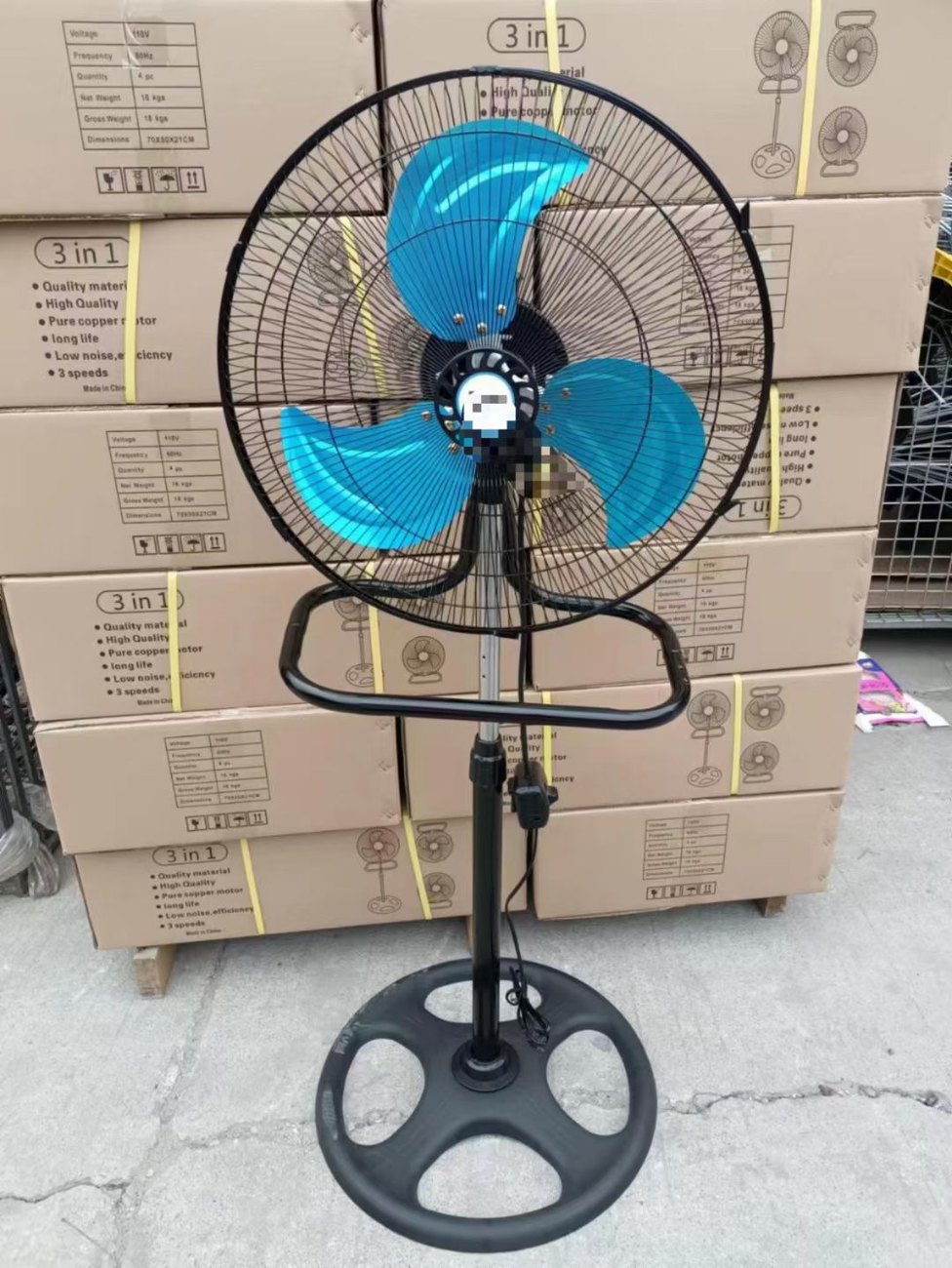
Shipment Release Control for Fan Importers
Electric Fan Pre-Shipment Inspection and Sampling Plan
Compare sampled finished fans with the exact approved model, electrical version, structure, accessories and packing before shipment release. A useful inspection plan defines the lot, sample route, fan-specific checks, defect classification, evidence and decision authority.
Wholesale only. MOQ starts from 1000 PCS. Inspection scope and acceptance rules must be agreed for the actual model and order. No retail or one-piece orders.
Direct Buyer Answer
How should importers inspect electric fans before shipment?
Define the exact purchase order, model, revision, market configuration and finished inspection lot; confirm inspection readiness; select samples across accessible cartons using the buyer-approved sampling method; compare identity and workmanship with controlled references; check speed operation, controls, airflow direction, oscillation, abnormal noise, vibration, blade and guard assembly, base or stand stability, adjustment points, cords, plugs and applicable accessories; verify retail packing, manuals, labels, barcodes, hardware and export cartons; classify findings; preserve traceable evidence; and record the authorized pass, hold, rework or reinspection decision.
Sampling does not mean every fan was inspected, and one sampled result cannot automatically represent units produced after the visit. The buyer should understand the selected lot, sample size, defect definitions and residual risk. This page does not prescribe one universal AQL or acceptance rule for every fan model.
Inspection Readiness Gate
Do not inspect an undefined or unfinished lot
| Readiness item | Evidence to record | Risk if missing |
|---|
| Order and model identity | PO, SKU, revision, quantity, color, plug, voltage, frequency and packing version. | Samples may represent the wrong commercial version. |
| Finished quantity | Produced and packed quantity by SKU, location and remaining unfinished balance. | An early sample may not represent later production. |
| Carton access | Accessible cartons across the finished lot, not only units prepared for the inspector. | Sample selection may be biased or untraceable. |
| Approved references | Controlled specification, sample evidence, labels, artwork, manual, packing method and accepted deviations. | Findings cannot be judged against a stable baseline. |
| Inspection plan | Sampling method, checks, defect categories, reporting format and release authority. | The parties may interpret the same observation differently. |
If the lot is not ready, record what was available and what was excluded. A partial inspection can be useful when its scope is explicit, but it should not be described as final release evidence for goods that did not yet exist or were not accessible.
Lot and Sample Control
Map the sample to the real fan batch
Define whether the lot contains one model or several SKUs, colors, plugs, packing languages or production batches. If commercial versions differ, the sampling plan should state how each version is represented. A mixed shipment with standing fans, table fans and rechargeable fans cannot be treated as one identical population simply because every carton says “fan.”
Sampling method
The buyer or appointed inspector should define the method and acceptance criteria. Record the lot size, sample size, carton selection route and any unavailable area. Draw from different positions, production periods or pallet groups where practical. Do not rely only on units placed on a table before the inspector arrives.
Traceable failures
For every material finding, record the SKU, carton or batch reference where available, photo or video, observed condition and test step. Keep failed or disputed samples identifiable until disposition. Evidence should allow the team to assess whether the issue is isolated, repeated or linked to one version.
Residual risk
A passed sample provides evidence within the agreed scope; it is not proof that every unit is defect-free. A failed sample also requires scope analysis rather than an assumption that every unit has the same condition. The commercial decision depends on classification, frequency, severity and available containment.
Identity and Workmanship
Confirm the shipment is the approved market version
| Control group | Fan-specific inspection points |
|---|
| Product identity | Model, fan type, nominal size, color, controls, included features, accessories and visible design against the approved reference. |
| Electrical identity | Rating label, voltage, frequency, plug, cord, adapter or charging accessory as applicable to the accepted commercial version. |
| Visible workmanship | Surface condition, contamination, sharp or unfinished visible areas, loose parts, misalignment, fasteners, gaps and cosmetic consistency under the agreed criteria. |
| Assembly completeness | Blade, guards, base, pole sections, adjustment hardware, control parts, remote, charger, cable, screws, decorative caps and other model-specific items. |
| Market identification | Brand, model code, warnings, language, manual, barcode and package identification match the destination version and approved files. |
For disassembled standing fans, completeness is a commercial and after-sales issue. A fan can operate correctly in a test station while the retail carton still lacks one locking ring, screw pack, base component or instruction sheet needed by the final buyer.
Functional and Structural Checks
Use checks that match the selected fan type
Startup, speeds and controls
Confirm startup and each declared speed or mode using the controls supplied with the approved version. Check buttons, rotary switches, touch panels, timers, displays, remotes and charging indicators only where applicable. Record intermittent operation, unexpected reset, rubbing or control inconsistency.
Airflow direction and rotation
Verify that the blade is the approved type, installed in the correct orientation and produces the expected forward airflow direction. Inspection should identify obvious reverse assembly, contact, imbalance or inconsistent blade movement. Quantitative airflow claims require an agreed method and reference; do not invent performance thresholds during inspection.
Oscillation and adjustment
For oscillating models, observe engagement, movement, range consistency and abnormal clicking or binding under the agreed check. Review tilt, height and locking adjustments for models that include them. Confirm that joints stay in the selected position and that adjustment hardware is present.
Noise and vibration
Listen and observe for abnormal mechanical noise, guard or blade contact, repeated rattling, unstable base movement and visible vibration. If the buyer requires a numerical noise or vibration limit, define equipment, environment, distance, operating mode, duration and acceptance reference before inspection.
Guard, blade and clearance
Review front and rear guard assembly, clips or fasteners, blade retention and visible clearance during operation. Check for damage or deformation from assembly or packing. Product-safety conclusions require the applicable controlled design and qualified evaluation; a visual check alone does not establish compliance.
Base, pole and stability
Assemble the fan according to the supplied instructions where the plan requires it. Confirm the correct base and pole parts, locking hardware, height adjustment and ordinary standing stability for the approved configuration. Transport damage or mixed hardware can create instability that is not visible in a closed carton.
Rechargeable, solar-assisted, misting, wall-mounted and specialty fans need additional model-specific checks. The inspection list should follow the accepted model and evidence rather than adding features that the order does not contain.
Retail and Export Packing
Inspect the complete customer experience inside the carton
Retail box and identification
Compare logo, model name, product image, color, declared features, electrical information, barcode, language and approved marks with the controlled artwork. Check that one SKU is not packed in another SKU's box and that old artwork is not mixed into the lot.
Internal protection and hardware
Review the approved placement of motor head, guards, blade, pole, base, remote, charger, cord and hardware. Confirm bags, dividers, foam or other protection where specified. Loose metal parts can scratch visible surfaces or disappear during unpacking if the packing method is not controlled.
Master carton and quantities
Verify carton marks, model, quantity per carton, gross and net data or dimensions where included in the inspection scope. Review carton condition, sealing and SKU separation. Count finished cartons by model and reconcile the inspection lot with the order and packing list draft.
Fan cartons can consume substantial container volume relative to unit value, so incorrect dimensions, packing quantity or mixed SKU marks affect freight planning and receiving. Connect inspection evidence to the fan container-loading plan and the fan export-carton control guide.
Evidence and Disposition
Make release status clear before loading pressure begins
| Report element | Required decision value |
|---|
| Scope | PO, models, revisions, lot quantities, finished quantities, sample route, date and location. |
| References | Specification, approved sample evidence, artwork, packing, checklist and accepted deviations used for comparison. |
| Findings | Check performed, observed result, defect category, count, affected identity and clear evidence. |
| Open conditions | Unavailable goods, incomplete checks, disputed classifications, pending documents and actions not yet verified. |
| Disposition | Authorized pass, hold, rework, sorting, quantity correction, accepted deviation or reinspection decision under the actual agreement. |
Replacing only the failed samples does not prove that a repeated batch issue was contained. Corrective action should identify affected scope and correction evidence. Where rework or sorting occurs, define what will be reinspected, how the new sample is selected and who authorizes shipment release.
Seasonal Release Decision
Protect the selling window without hiding unresolved evidence
Electric fan orders often serve a planned warm-season arrival, dealer launch or replenishment window. This makes inspection timing commercially important, but an urgent calendar does not convert an unresolved result into a pass. Build the inspection date, correction window, reinspection option, document cutoff, loading plan and shipment milestone into the order schedule before production finishes.
If inspection triggers an issue, the buyer should receive a concise decision package: affected SKU and quantity, evidence, classification, proposed containment, expected verification step, options that remain available and the deadline for an authorized decision. The buyer then evaluates quality exposure, timing, inventory and channel consequences using current facts. No public page can guarantee production recovery, vessel departure or destination arrival.
Use the fan import timing and market season guide to connect destination sales timing with order release, and the import order risk register to record triggers, owners, contingency options and decision deadlines.
Qualified Fan Order
Send the exact inspection and quotation scope
- Company, country and buyer type
- Fan model or required fan type
- Quantity by SKU and color
- Voltage, frequency, plug and cord
- OEM or neutral packing requirements
- Target inspection scope and appointed party
- Target shipment window and destination port
- Required reports, photographs or release route
Yaoyuan Electric supplies electric fans for importers, distributors, appliance dealers, supermarkets and OEM brand customers. MOQ starts from 1000 PCS and requires confirmation by model and configuration. Inspection scope, sample method, acceptance criteria, correction route and release authority belong in the documents accepted for the actual order.