Direct Answer
Importers should approve the exact packing unit before mass production, confirm carton quantity, dimensions, gross weight, internal protection and market labels for the selected model, then connect the approved record to production inspection, loading evidence and warehouse receiving. Published catalog figures are planning references only. Final carton and loading data must be confirmed for the actual product version, accessories, packing artwork and container plan.
Why Fan Packing Must Be Controlled by Model
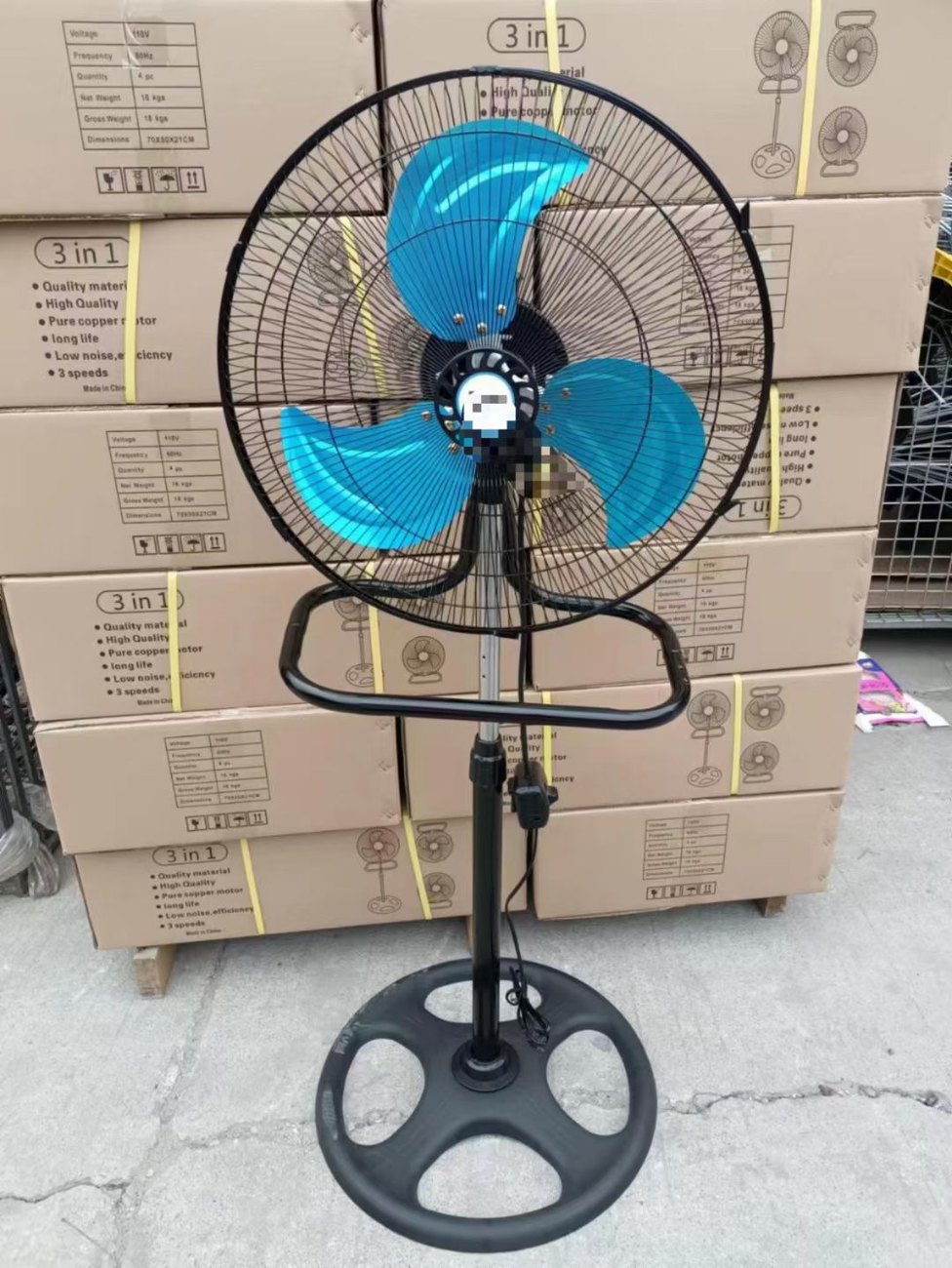
Pedestal, 3-in-1, rechargeable and solar fan directions do not create the same carton. Bases, guards, blades, poles, control parts, charging accessories and optional solar components change the shape, weight and internal support required for transport.
A buyer should therefore avoid approving a generic statement such as “standard export carton.” The order record should identify the model, units per carton, packed components, assembly hardware, printed materials and any market-specific accessory. This prevents a quotation based on one packing format from being mistaken for a different final configuration.
Real Catalog Packing References
The figures below come from the current Yaoyuan public catalog. They help buyers compare model directions, but they are not final booking quantities or guarantees. Container loading is affected by confirmed carton dimensions, actual packing, container availability, loading method and shipment restrictions.
| Catalog model | Product direction | Published packing reference | Buyer action before order |
|---|---|---|---|
| 18BR | Standard 18-inch electric fan | 2 PCS per carton; 40HQ loading reference: 2600 | Confirm exact packed parts, carton dimensions, gross weight and market labels. |
| P61 | 3-in-1 electric fan | 2 PCS per carton; 40HQ loading reference: 2600 | Confirm the approved 3-in-1 structure, hardware and internal protection. |
| P62 | Solar fan direction | 1 PC per carton; 40HQ loading reference: 1700 | Confirm whether the approved package includes a panel or other charging accessories. |
| P66 | Catalog solar fan direction | 2 PCS per carton; N.W. 4.4 kg; G.W. 5.2 kg; carton 640 x 190 x 610 mm; 20HQ 925; 40HQ 1850 | Confirm the complete package, electrical version and final loading calculation. |
Approve the Packing Unit Before Mass Production
The approved packing record should be detailed enough for production, inspection and warehouse teams to identify one sellable unit without relying on memory. Buyers normally need to confirm the product version, color, quantity per carton, disassembled parts, fasteners, manual, warranty material, cord and plug, optional accessories and OEM artwork.
Carton dimensions and weight should be recorded from the approved packed sample or confirmed production packing. If artwork, accessory count or internal protection changes, the buyer should check whether the carton size, gross weight or container estimate also changes.
Check Protection at the Product Contact Points
Transit damage often begins where parts can move, rub or receive concentrated pressure. For a fan order, the review should consider guards, blades, control panels, poles, bases, decorative surfaces, cords and accessory packs. The objective is not to add packing material blindly; it is to stop the approved product from moving or contacting vulnerable surfaces during normal handling.
The packing review should also confirm that loose hardware is contained and identifiable. A visually undamaged carton can still create an unsaleable unit if a critical assembly part is missing or a surface is scratched inside the box.
Keep Carton Marks Connected to the SKU
Outer-carton information should match the approved product and packing list. Model identity, quantity, color or version, destination marks and handling information should be checked before printing and again during finished-carton inspection.
When one shipment contains similar models or several electrical versions, clear carton identification reduces wrong allocation at the destination warehouse. It also makes shortage, damage and after-sales evidence easier to connect to the correct batch.
Use Loading Evidence to Preserve the Handover
Loading records should show the container, seal, carton condition and loading sequence clearly enough to establish what left the warehouse. Images and video are most useful when they can be connected to the packing list, model codes and shipment record.
A clean loading record does not prove that no transport event can occur. It establishes the departure condition and supports a more accurate investigation if the destination team reports shifted stacks, moisture, punctures or crushed cartons.
Inspect the Container Before Distribution
At arrival, record the container exterior, door area and seal before unloading. Observe carton condition as stacks become visible, separate affected cartons and reconcile quantity by SKU rather than only by total carton count.
Open a risk-based sample from affected and normal areas to compare concealed condition. Verify product identity, accessories and packing contents before releasing stock to dealers. When damaged and normal cartons are mixed immediately, useful evidence can be lost.
Build a Claim Record That Can Be Investigated
A useful exception report identifies the shipment, model, carton or batch, affected quantity, visible condition, internal condition and immediate containment action. Photos should show both the detail and the wider context. Videos should preserve sequence rather than only the final damaged item.
The parties should distinguish manufacturing, packing, loading, transport and warehouse handling evidence before assigning responsibility. Commercial handling depends on the agreed order terms, logistics arrangements, inspection record and available evidence.
Buyer Packing Control Checklist
- Exact model and market version identified
- Units per carton confirmed
- Packed parts and accessories listed
- Internal protection approved
- Carton dimensions and gross weight recorded
- OEM artwork and carton marks approved
- Final loading quantity recalculated
- Finished-carton inspection recorded
- Container and seal evidence preserved
- Destination exceptions separated and reported
Connect Packing Control to the Purchase Decision
Yaoyuan Electric supplies electric fans for importers, distributors, appliance dealers, supermarkets and OEM brand customers. MOQ starts from 1000 PCS and must be confirmed by model and configuration. Wholesale only; retail and one-piece orders are not accepted.
For a private packing and quotation discussion, send the model, quantity, country, electrical version, OEM artwork request, packing requirement and destination port. Final packing data and loading quantity are confirmed against the actual order rather than assumed from a general product direction.