Rated supply
Use the voltage and frequency specified for the exact market version. Confirm the intended plug, adapter, charger or battery condition where applicable. An incorrect supply can distort startup, speed, heat, sound and control behavior.
Fan Functional Verification
A fan can power on and still be unsuitable for release. Importers need a repeatable method that checks the exact approved model, records abnormal behavior and connects sampled findings to the finished lot before shipment.
Direct Buyer Answer
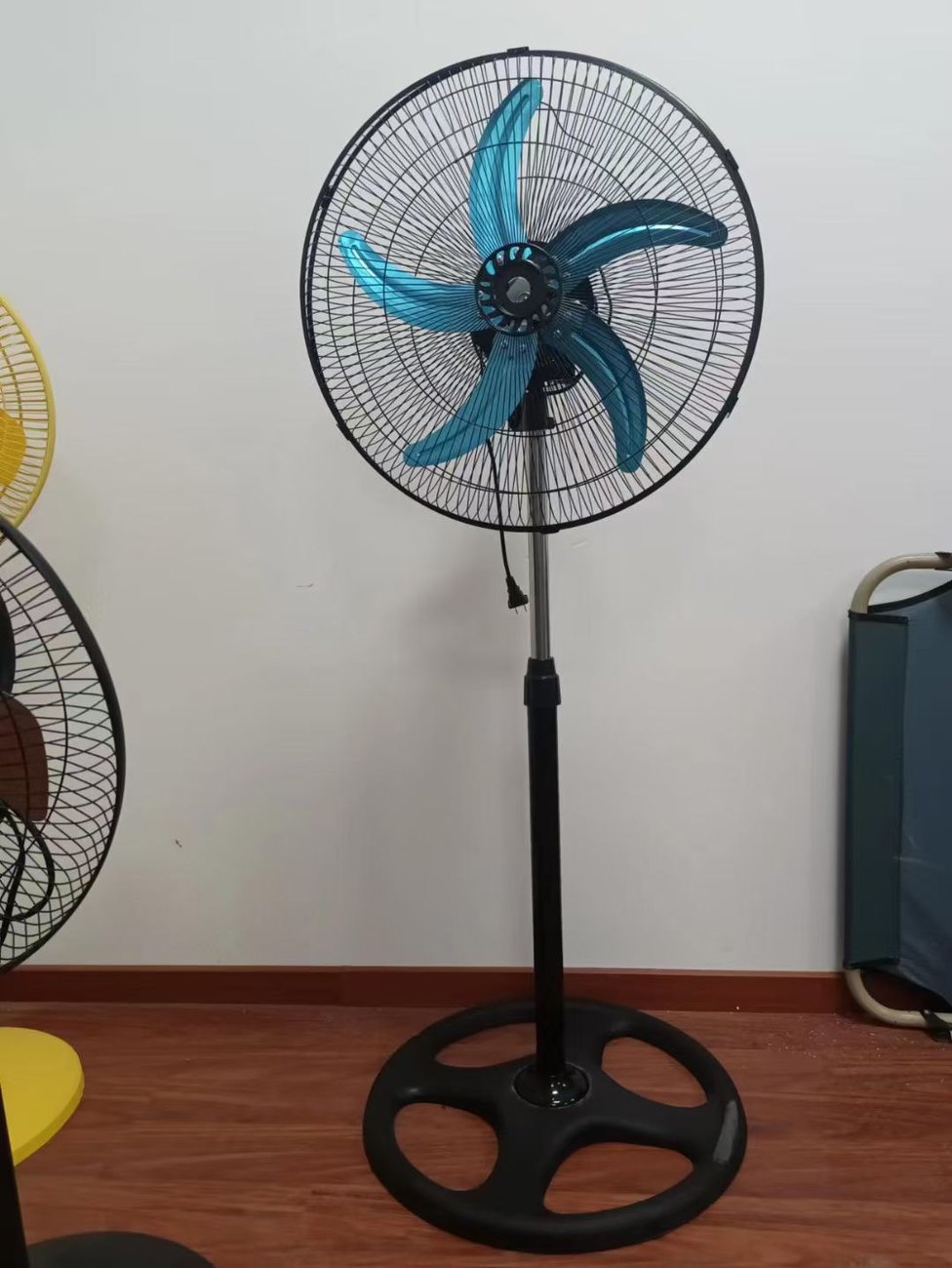
Identify the exact fan SKU, market version, finished lot and approved reference. Under a consistent rated supply, assembly condition, surface, room and observation position, run every selected unit through startup, all speeds, controls, timer or remote functions, oscillation and shutdown as applicable. Observe airflow direction and relative consistency, scraping, clicking, irregular motor sound, blade or guard interference, movement, base stability and oscillation behavior. Record the model, speed, symptom, sample number and evidence. Judge the result against agreed criteria or an approved reference, then connect failures, correction, reinspection and buyer disposition to the affected lot.
Lot and Sample Definition
Before testing, identify the purchase reference, factory model, buyer SKU, voltage, frequency, plug, color, control version, accessories, production batch, finished quantity and packing status. Separate different electrical or functional configurations even when they share the same housing. A remote-control fan and a mechanical-control fan are not one homogeneous lot.
The sample route, quantity and acceptance criteria should be agreed before inspection. A selected sample can support a decision about the defined lot, but it cannot prove every unit was individually tested. If only part of the order is complete, state that boundary. Goods produced after inspection need their own documented release route.
Repeatable Test Condition
Use the voltage and frequency specified for the exact market version. Confirm the intended plug, adapter, charger or battery condition where applicable. An incorrect supply can distort startup, speed, heat, sound and control behavior.
Assemble blades, guards, poles, bases, mounts and fasteners as intended. Use a stable and reasonably level surface. Packing deformation, loose hardware or an unstable table can create symptoms that do not come from the motor.
Keep the room, background noise, observation distance, speed, oscillation state and recording position consistent when comparing units. Record material changes that prevent an exact comparison.
Where the buyer requires numeric airflow, sound, power or other performance limits, define the instrument, placement, environment, stabilization time, units and acceptance range before production. A smartphone recording or uncalibrated reading may help document a symptom but should not be represented as a formal laboratory result.
Comparable Noise Evidence
A lower number is not enough when two offers describe different acoustic quantities. Before ranking a fan for a noise-sensitive product range, copy the complete result label and operating condition from each report. Keep an unidentified “dB(A)” figure unresolved rather than treating it as proof that one model is quieter.
AMCA's Basics of Fan Noise distinguishes sound power level from sound pressure level and explains that A weighting can be applied to both. The “A” does not identify which quantity was reported. Use that distinction to sort the evidence:
| Reported quantity | Meaning for the comparison | What the buyer needs next |
|---|---|---|
| A-weighted sound power level, LWA | Describes acoustic emission from the source under the stated operating condition; it is not the sound pressure at a listener's position. | Compare compatible sound-power methods and the identified model, assembly, electrical supply and operating duty. |
| A-weighted sound pressure level, LpA | Describes the result at a measurement position; distance and the acoustic surroundings affect it. | Match the reported position, environment, operating condition and measurement method before ranking results. |
| dB(A) without a named quantity | Identifies weighting but leaves the comparison basis incomplete. | Ask for the original result label, method and test conditions; do not silently relabel it as LpA or LWA. |
Brüel & Kjær's introductory acoustics note explains why sound pressure depends on measurement position and room absorption. Consequently, a pressure figure measured farther away cannot be compared directly with another position, and there is no universal fixed number to subtract from sound power to obtain pressure for every room.
For example, offer A may state LWA while offer B states LpA at a specified position. This is a hypothetical document mismatch, not Yaoyuan test data: a lower figure on B is not yet a valid quieter-fan ranking. Mark the comparison “different quantity”, retain both original labels and request comparable evidence. If the quantity is missing, mark “basis unconfirmed”. When both quantity and conditions align, compare only within that documented scope.
Keep the airflow requirement alongside the sound result. A quieter setting that does not deliver the required air movement has not met the same purchase brief; matching speed-button numbers alone does not establish equivalent output. These checks do not set a universal noise limit or replace the abnormal-sound and batch checks below.
Send the model, market version, intended operating duty and the noise-comparison question through the existing private fan inquiry. You can start the discussion with missing evidence clearly marked; this is not a new prerequisite for submitting an RFQ.
Functional Test Matrix
| Check | What to observe | Evidence direction |
|---|---|---|
| Startup and shutdown | Normal start, no repeated assistance, no unintended movement and correct stop behavior. | Sample number, supply, control position and symptom if abnormal. |
| Every speed | Correct sequence, distinguishable response and stable operation at each approved setting. | Short continuous record showing control input and fan response. |
| Controls and timer | Buttons, switches, indicators, timer, mode, remote or rechargeable functions actually included. | Function checklist tied to the exact SKU and approved panel. |
| Air movement | Correct rotation and airflow direction, no obvious weak or irregular unit within comparable samples. | Reference comparison or agreed measured method. |
| Noise and interference | Scraping, repeated clicking, rubbing, loose-part sound or irregular motor behavior. | Model, speed, distance, sample and focused audio/video. |
| Vibration and stability | Blade, guard, head, pole, base or mounting movement beyond the approved reference. | Fixed camera view plus physical assembly findings. |
| Oscillation | Start, range, smooth motion, return behavior, unwanted sound and cable interference. | Complete cycle where practical and sample identity. |
Noise and Vibration Classification
Separate normal aerodynamic sound from localized abnormal symptoms. Scraping may point toward blade, guard or assembly interference. Repeated clicking can involve a loose part, oscillation mechanism or contact point. Irregular motor sound, excessive movement or a change between speeds needs its own record. The initial observation should not claim a root cause before the unit is reviewed.
Compare affected samples with the approved reference and other units under the same setup. Check fasteners, blade seating, guard position, head connection, pole lock, base contact and packing-related deformation before concluding that the motor is responsible. Record whether the symptom follows a component, assembly step, batch or test condition.
If a numeric sound limit is commercially important, agree the sound metric, meter class, room condition, distance, fan position, speed and background correction. There is no single website number that is valid for every fan size, type and market claim. The accepted value must belong to the actual order and method.
Airflow and Control Consistency
For routine inspection, confirm correct rotation, expected airflow direction and no obviously weak sample compared under the same condition. Check that speed changes produce the intended response. This screens major inconsistency but does not create a certified airflow claim.
If a buyer needs numeric velocity, volume, throw distance, power consumption or efficiency, define the test setup before product release. Fan size, blade geometry, guard, motor, speed, distance and room condition affect results. Specify whether the criterion applies to a sample, type test, pre-production reference or pre-shipment lot.
Advertising statements and local market labels should follow verified evidence for the exact model. Do not transfer a performance figure from a visually similar fan or another speed setting. Keep the approved claim connected to its report and revision.
Findings and Batch Disposition
Isolate failed samples and record the symptom, fan SKU, market version, sample number, speed or function, batch and evidence. Review whether the issue is related to test setup, assembly, component, structure, packing deformation or another condition. Contain potentially affected goods while the scope is being established.
Corrective action should state what changed, which quantity was affected, how the correction was verified and whether expanded checks or reinspection are required. Replacing one failed sample without addressing the affected production process is not sufficient evidence of control. If the agreed acceptance rule is exceeded, the batch disposition remains a buyer and factory decision under the actual inspection and commercial terms.
Link findings to the approved fan component baseline and the production batch ledger. Then carry accepted results into the pre-shipment inspection record.
Sampling, Expansion and Reinspection
Before inspection, define how units are selected across cartons, production time, fan SKUs and market versions. Avoid choosing only the easiest cartons or units already demonstrated by production staff. If the order contains several models or electrical configurations, allocate the sample so each controlled group is represented according to the agreed plan.
When a failure occurs, record whether it is isolated or repeated, whether several symptoms share one model, component, assembly station or packing condition, and whether the sampled result exceeds the agreed acceptance rule. The next action may include targeted diagnosis, expanded sampling, affected-quantity screening, correction, reinspection or buyer review. Expansion should answer a defined scope question, not become an undocumented search for one passing unit.
After correction, draw the reinspection sample from the corrected and clearly identified lot. Repeat the failed function and any connected checks that could be affected by the correction. For example, tightening a guard or changing a blade can influence noise, vibration, clearance and airflow, so verifying only power-on may be insufficient. Preserve the original result, corrective record and reinspection outcome rather than replacing the first report.
Inspection Evidence Pack
The final evidence pack should state the purchase reference, inspection date and location, finished quantity available, lot definition, fan SKU and market version, sample method, units checked, rated supply, setup, approved reference, results by function, abnormal findings, photos or video references, correction status and disposition. Separate observations from conclusions and identify who made each release decision.
Media should show the symptom and context without exposing unrelated customer information. Label the sample, speed and function. A short focused recording of a repeated click at speed two is more useful than a long factory montage. If background conditions limit audio or measurement quality, say so instead of presenting uncertain evidence as precise.
Retain the report with the component baseline and batch ledger. Destination receiving or field feedback can then be compared with the exact inspected version, helping both parties improve assembly, packing, spare-parts planning and the next order.
Evidence Boundary
A controlled functional inspection can identify sampled abnormal behavior and support a release decision for a defined finished lot. It does not guarantee that every unit was individually tested, that no future field issue can occur, or that the fan meets an unstated certification or performance claim. Formal laboratory, safety or compliance testing is separate where applicable.
The scope, sample method, criteria, evidence, reinspection and commercial disposition must be agreed for the actual order. Public prices are not published. Private quotation follows the exact model, quantity, market version, packing, inspection requirement and destination.
Qualified Wholesale Inquiry
Yaoyuan Electric supplies electric fans for importers, distributors, wholesalers, appliance dealers, supermarkets and OEM brand customers. MOQ starts from 1000 PCS and requires confirmation by model and configuration. Wholesale only; retail and one-piece orders are not accepted.