Which order?
State buyer or project, PO or accepted reference, factory model and buyer SKU. Remove unrelated customer information from public or shared evidence.
Order Visibility and Batch Control
Replace vague percentages and generic workshop photos with observable fan-order milestones, exact version identity, quantities by SKU, batch evidence, inspection readiness and loaded reconciliation.
Wholesale only. MOQ starts from 1000 PCS. Progress evidence describes the recorded scope and date; it does not guarantee future completion, shipment or arrival.
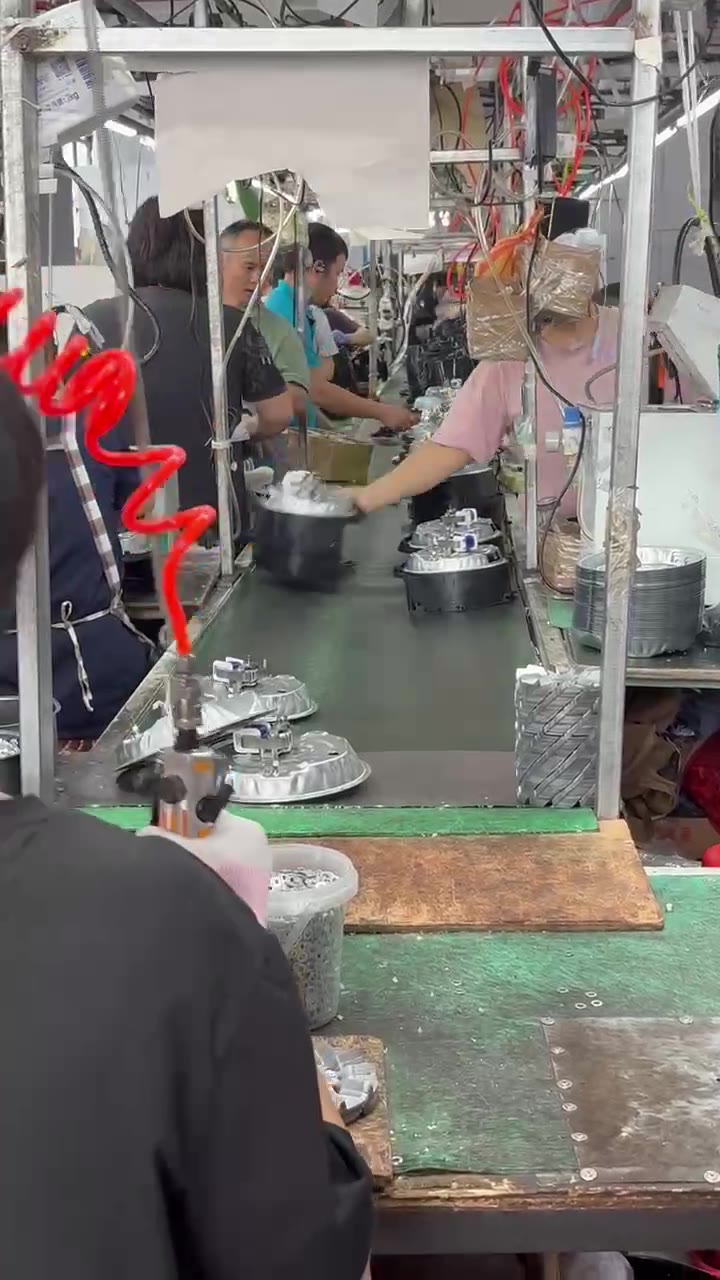
Direct Buyer Answer
It should identify the purchase order, exact fan SKU and revision, country version, order quantity, approved sample and artwork references, report date, finished scope and open scope. Show observable milestones such as specification release, material readiness, first-article review, assembly start, quantity assembled, quantity packed, quantity available for inspection, inspection status, corrected quantity, quantity staged and quantity loaded. Every photo, video and number should state which model, batch, location and stage it represents. Separate buyer-pending approvals, factory actions, external logistics milestones and management decisions.
A photograph can prove that the photographed activity existed at one time and place. It does not prove the total order quantity, every SKU, future completion or shipment release. Traceability makes evidence useful by connecting it to a controlled identity and quantity ledger.
Released Baseline
| Baseline field | Fan-order control | Open status to expose |
|---|---|---|
| SKU and quantity | Exact model, fan type, color, electrical and packing version with units by SKU. | Pending quantity split or optional model. |
| Product revision | Approved sample and specification controlling structure, function, accessories and labels. | Sample correction or unapproved deviation. |
| OEM files | Active logo, rating label, manual, color box, barcode and carton-mark revisions. | Artwork, translation or buyer approval still pending. |
| Commercial release | Accepted order reference, payment condition, trade term, destination and agreed execution prerequisites. | Commercial or bank-verification condition not yet closed. |
| Planning basis | Current material, production, inspection and shipment assumptions with update date. | Assumption that has not become an accepted commitment. |
If quantity, plug, color, component, label or packing changes, create a revision and assess which finished or planned units it affects. Do not overwrite the earlier baseline and continue reporting one blended completion percentage.
Observable Milestones
| Milestone | Useful evidence | Decision supported |
|---|---|---|
| Requirements released | Active revisions and closed mandatory sample or artwork comments. | Whether purchasing and first-article work may use one target. |
| Material readiness | Order-relevant status for key model-specific and OEM materials, with gaps visible. | Whether the assumed assembly sequence remains realistic. |
| First article reviewed | Early production unit compared with approved sample, configuration and packing inputs. | Release, correction or hold before differences spread. |
| Assembly progress | Dated good quantity by exact SKU and production stage, not only a line photograph. | Inspection and packing preparation. |
| Packing progress | Packed carton quantity by SKU and revision, including remaining work. | Final inspection readiness and document drafting. |
| Inspection disposition | Lot, sample scope, findings, corrected quantity, open issues and release authority. | Pass, rework, reinspection or hold. |
| Loading closeout | Loaded quantity by SKU, packing list, container and seal evidence, accepted differences. | Shipment handoff and destination receiving baseline. |
Evidence Standard
State buyer or project, PO or accepted reference, factory model and buyer SKU. Remove unrelated customer information from public or shared evidence.
Identify color, plug, voltage, frequency, charger, label language, artwork and packing revision where the order has several configurations.
Show the quantity represented, completed, packed, held or remaining. Do not let one fan or one carton imply completion of the whole order.
Record the observable activity, report date and location. Distinguish material, subassembly, final assembly, testing, packing, inspection and staging.
Explain whether evidence is informational, requests buyer approval, supports inspection readiness or requires an escalation. A photo dump with no question delays decisions.
Fan SKU and Version Ledger
A fan order may combine standing and table fans, multiple colors, different plugs, retail languages or rechargeable accessories. Maintain a row for each commercial SKU showing ordered quantity, active revision, material status, first-article status, assembled good quantity, packed quantity, inspection status and loaded quantity. Aggregate totals only after the SKU rows reconcile.
If one color or plug is delayed, the buyer can see which other SKUs remain available for inspection or phased decisions. If a component or artwork change affects only one version, identify the effective batch and keep earlier goods separate. Use the component change approval guide for formal change evidence.
Materials and First Article
Track model-specific motor direction, blades, guards, controls, bases or mounting parts, cords, plugs, adapters, chargers, remotes, labels and OEM packing where they can constrain the approved version. Status should state what is ready and what remains open, without exposing unrelated supplier-confidential information.
Compare the early production unit with the approved fan reference: identity, electrical version, controls, speeds, oscillation, structure, accessories, labels and packing direction. Record correction and re-verification before broad assembly continues where the plan requires it.
If a correction or approved change enters after production begins, record the quantity before and after the effective point. Do not present a corrected first article as proof that earlier assembled goods were automatically corrected.
Quantity Reconciliation
| Quantity state | Definition required |
|---|---|
| Ordered | Accepted units by exact SKU and current revision. |
| Assembled good | Units completed to the defined stage and not currently classified as rework or hold. |
| Rework or hold | Units separated pending correction, evidence or decision. |
| Packed | Units in final approved retail and export packing, reconciled to cartons. |
| Inspection lot | Finished quantity actually available and covered by the stated inspection. |
| Released | Quantity authorized under the accepted inspection and commercial route. |
| Loaded | Quantity physically loaded and reconciled to final shipment evidence. |
Define each state once and avoid double counting. Packed units are usually also assembled, so adding both quantities would overstate progress. A dashboard should show movement between states, not sum every column.
Inspection and Loading Handoff
Before final inspection, report the quantity packed and accessible by SKU, remaining production, mixed revisions and known holds. The inspector's lot must be clear. An inspection performed when only part of the order existed cannot automatically release goods completed later.
After findings, keep rework, correction evidence, reinspection and buyer disposition connected to affected quantities. Then reconcile released quantity, packed quantity, final packing list and loaded quantity. Record any accepted shortage, excess or staged shipment instead of changing the numbers without history.
Use the fan pre-shipment inspection plan for sample and release controls, and the fan destination receiving guide to carry final loaded identity into the warehouse.
Evidence Pack and Review Rhythm
A useful production report is not a stream of unrelated photos. It is a dated control pack that lets the importer compare the released order baseline with observable factory status. The reporting rhythm should be agreed before production starts. A stable fan order may need a weekly summary, while artwork release, first-article correction, inspection readiness or a seasonal exception can require a separate event-based update. The frequency should follow the decisions at risk, not create repetitive messages with no new evidence.
Open with the purchase reference, report date, overall stage and the few decisions that need management attention. State whether the order remains inside the current control window, whether a milestone changed and which owner must act next. Do not replace SKU-level facts with a single green, amber or red label.
Show every active model and market version with ordered, assembled, packed, held, inspection-ready, released and loaded quantities as applicable. Identify revisions and effective dates. The totals should reconcile to the accepted order, approved changes and packing records rather than an estimated completion percentage.
Attach or reference dated photos, short videos, inspection records, corrected artwork, carton marks and loading evidence only where they support a stated milestone. Label the model, batch, quantity and stage. One attractive factory image is not proof of an entire order.
Close each report with an action register: issue, affected SKU and quantity, current containment, required decision, responsible party and deadline. Carry unresolved items into the next report until there is accepted evidence of closure. This preserves history when several people from purchasing, quality, logistics and factory operations participate at different times.
The buyer should also retain a final closeout pack connecting the approved baseline, quantity ledger, inspection disposition, final packing list and loading record. That file becomes a reference for destination receiving, claims analysis and repeat-order improvement. It does not replace the sales contract, purchase order, inspection agreement or shipping documents; it makes the relationship between those records easier to audit.
Exceptions and Seasonal Decisions
When a milestone is at risk, state the affected SKU and quantity, current evidence, cause status if known, options still available, decision owner and deadline. Separate containment from final correction. An importer needs to know whether to approve an artwork correction, reprioritize a SKU, reschedule inspection, accept a staged release or revise downstream allocation.
For hot-season fan programs, compare the latest factory-side milestone evidence with the buyer's warehouse-ready requirement and remaining transport or receiving window. Do not hide lost buffer behind “almost finished.” Use the warehouse-ready date plan and the import order risk register to record triggers and expiring options.
No progress update can guarantee completion, carrier departure, customs clearance, arrival, dealer sell-through or margin. It enables a better current decision.
Qualified Wholesale Order
Yaoyuan Electric supplies electric fans for importers, distributors, appliance dealers, supermarkets and OEM brand customers. MOQ starts from 1000 PCS and requires confirmation by model and configuration. Production milestones and evidence are reviewed against the actual accepted order and current status.