Destination Warehouse Control for Fan Importers
Electric Fan Container Arrival and Receiving Inspection
Preserve evidence before opening, reconcile cartons and fan SKUs during unloading, check concealed damage and accessory completeness, isolate uncertain stock and release only identified quantities to dealers.
Wholesale only. MOQ starts from 1000 PCS. Receiving observations do not by themselves determine cause, responsibility, insurance coverage, claim acceptance or settlement.
Direct Buyer Answer
How should an importer receive an electric fan container?
Confirm the receiving appointment, documents, people, equipment and exception route before arrival. Before opening, record container number, exterior, doors, seal number and visible abnormal conditions. During unloading, preserve stack-position evidence, separate visibly affected cartons and count master cartons by exact fan SKU. Reconcile model, plug version, color and quantity against accepted documents. Open a planned sample from normal and affected areas to review concealed transit damage, fan identity, guards, blades, base or stand parts, accessories and retail packing. Quarantine uncertain stock, report exceptions promptly to the appropriate carrier, insurer, broker, supplier or other responsible party, and release only identified normal stock to dealers.
The receiving report should distinguish what was observed from what caused it. A crushed carton may result from loading, transport, transshipment, destination handling, storage or packing weakness; evidence and applicable contracts determine the next route. Do not destroy packaging, disperse stock or repair affected units before required survey and claim evidence is preserved.
Before Arrival
Prepare the warehouse to receive evidence, not only cartons
| Preparation | Control purpose | Typical evidence |
|---|
| Shipment identity | Connect the receiving event to container, bill or booking, packing list, purchase order and fan SKU plan. | Document references and expected quantity by SKU. |
| Receiving appointment | Ensure the warehouse, unloading team, equipment and recording owner are available. | Date, location, named team and escalation contacts. |
| Exception route | Know who must be notified before evidence or deadlines are lost. | Carrier, forwarder, broker, insurer, surveyor, supplier and buyer contacts as applicable. |
| Quarantine space | Prevent uncertain cartons from being mixed into dealer-release stock. | Defined hold area and inventory status. |
| Sample-opening plan | Choose cartons from normal and risk areas instead of opening only convenient units. | Selection basis, quantity, check list and responsible reviewer. |
Review notice and evidence requirements under the actual transport, insurance, purchase and warehouse arrangements. A public checklist cannot define contractual deadlines for every shipment, country or insurer.
Container and Seal
Record external condition before the first irreversible action
Exterior and doors
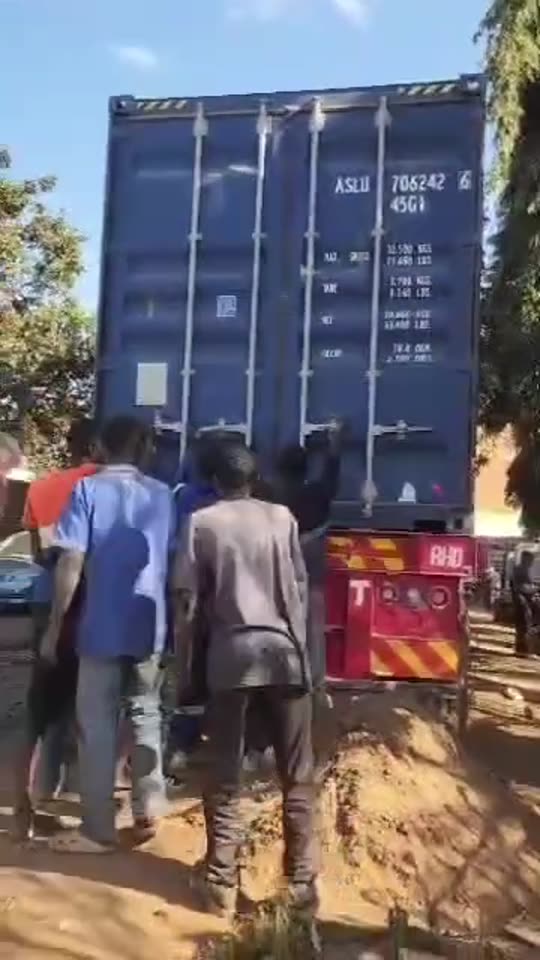
Photograph all practical exterior sides, door area, container number and visible holes, dents, corrosion, impact, water marks or repair patches. Record time and location. If the condition is serious, follow the instructions of the responsible carrier, customs, insurer or survey professional before opening.
Seal identity
Photograph the seal in place and record the visible number before removal. Compare it with the available shipment record. A mismatch, missing seal or unusual condition is an exception requiring the buyer's established security and carrier route; it should not be explained by assumption.
Door opening
Record the first view before cartons are moved. Watch for leaning stacks, cartons pressing against doors, moisture, unusual odor, loose packing material or signs of movement. Open safely using trained personnel because shifted cargo can create physical risk.
Unloading Evidence
Preserve the relationship between damage and stack position
Take overview photographs as unloading progresses, especially where cartons are crushed, wet, punctured, leaning or shifted. Record the approximate position and neighboring condition before separating the cartons. A pile of damaged boxes photographed after complete unloading loses important information about where the condition appeared.
Visible carton condition
Classify observations such as corner compression, panel crush, puncture, abrasion, water marks, broken straps, opened seals or label damage. Use a consistent receiving code. Do not call every visible mark a product defect; first record what is actually visible.
Immediate separation
Place visibly affected cartons in a controlled hold area with temporary identity. Do not hide them in the normal stack or allow dealer collection before review. Keep carton marks readable and preserve internal packing when opened.
Safe handling
Use appropriate unloading and stacking methods for the carton dimensions and site. Further damage created during destination handling can make root-cause review difficult. Record any accident or handling event that may affect the condition.
Quantity and SKU Reconciliation
Count exact market versions, not only total cartons
| Receiving dimension | Fan-specific control |
|---|
| Model and fan type | Separate standing, table, wall, floor, rechargeable, solar-assisted or other ordered types by exact model reference. |
| Electrical version | Identify plug, voltage, frequency, charger or adapter versions using controlled labels and carton marks. |
| Color and packing language | Count commercial variants separately when they serve different dealer, retailer or country allocations. |
| Cartons and units | Reconcile master-carton count and units per carton with packing documents, noting opened, short, excess or mixed cartons. |
| Release status | Keep normal, hold, sample-opened and damaged quantities visible so available stock is not overstated. |
A correct total carton count can still hide a shortage of one high-priority dealer SKU and an excess of another. Use the shortage, overage and misdelivery reconciliation guide when counts or identities do not match.
Concealed Condition
Open both affected and normal cartons under a planned method
Choose sample cartons across affected positions, normal positions and different fan SKUs. Record why each carton was selected. The purpose is to understand the relationship between exterior carton condition and product condition, not to search only until one good or bad example is found.
Guards and blades
Review deformation, cracks, contact, retention parts and protective packing. Circular guards and blades can be affected by compression even when the retail box remains closed. Preserve the packing arrangement before removing all parts.
Motor head and controls
Check visible housing, neck, oscillation mechanism area, controls, cord, plug and rating identity. If power-on or functional checks are included, use the correct market supply and agreed safe method with competent personnel.
Base, pole and hardware
Confirm base pieces, pole sections, brackets, locking rings, screws, covers and assembly hardware for the exact model. Mixed or missing hardware may not appear until the carton is opened and the fan is assembled.
Accessories and retail files
Verify remote, adapter, charger, solar accessory, manual, labels and any ordered inserts as applicable. Compare with the approved packing reference rather than a generic catalog description.
Moisture and contamination
Record odor, staining, damp material, corrosion signs, residue or mold-like appearance without making an unsupported technical conclusion. Preserve affected material and follow professional assessment where necessary.
Identity and operation
Compare sampled fans with the approved model, electrical version and packing. Record any mismatch separately from physical damage. A wrong SKU and a transit-damaged correct SKU require different investigation routes.
Exception Classification
Keep observation, suspected cause and responsibility separate
| Record layer | What to write | What not to assume |
|---|
| Observed condition | Exact carton, SKU, quantity, location, visible or functional condition and dated evidence. | Cause or responsible party without investigation. |
| Immediate containment | Separated quantity, warehouse location, handling restriction and preserved materials. | That held stock is automatically a total loss. |
| Investigation route | Carrier, insurer, warehouse, supplier, inspector or other party asked to review, with required evidence. | That one party's first explanation is final. |
| Commercial decision | Authorized release, further sampling, repair review, claim route, settlement discussion or other recorded disposition. | Automatic liability or remedy from the receiving report alone. |
For possible transit damage, use the cargo insurance and transit-damage evidence guide. For product or repeated quality issues, use the quality claim and corrective-action route.
Warehouse and Dealer Release
Release known-good quantities without losing traceability
Assign inventory status by exact SKU and quantity: received and available, pending count, inspection hold, damage hold, claim hold, sample-opened or released. Keep the link to container, receiving date and relevant batch or carton marks. Do not allow the commercial system to show all arrived cartons as saleable while evidence review is still open.
When normal stock is released, record the authorized quantity and warehouse location. If dealers collect directly, preserve the allocation and receiving record. If uncertain stock is later released, document the evidence and approver. This protects sales, after-sales and claim analysis from mixed inventory.
Dealer urgency should not erase receiving status. When the hot-season sales window is short, allocate from the quantity already counted, identified and released instead of promising the full manifest quantity before checks close. Give sales teams one current available-to-allocate figure by SKU, and keep held cartons outside that figure until an authorized disposition changes their status.
Arrival receiving is also the first point for real destination feedback. Record recurring carton pressure, assembly complaints, missing hardware, model confusion or dealer handling issues separately. Use verified patterns to improve the next packing, label, inspection or allocation plan instead of changing specifications based on one unverified comment.
Closeout and Repeat Order
Convert receiving evidence into the next controlled baseline
Close quantities
Reconcile ordered, shipped, received, released, held, damaged, sampled and claimed quantities by SKU. Keep later adjustments visible rather than replacing the first receiving record.
Close evidence
Store container and seal images, unloading record, counts, sample-opening evidence, exception notices, survey or claim material and final disposition under one shipment identity.
Update controls
Where evidence supports a recurring issue, update approved packing, loading, inspection, dealer allocation or receiving instructions. Reopen sample or component approval if the product version must change.
Use the fan export carton guide for packing feedback and the fan repeat-order review to combine receiving, claims, sell-through, collection and stock evidence before replenishment.
Qualified Wholesale Review
Send receiving evidence with exact shipment identity
- Company, country and receiving warehouse
- Purchase order, shipment and container reference
- Fan model and expected quantity by SKU
- Container, seal and first-opening evidence
- Affected carton count and stack position
- Sample-opened quantity and observed condition
- Normal, hold and released inventory status
- Required investigation or repeat-order decision
Yaoyuan Electric supplies electric fans for importers, distributors, appliance dealers, supermarkets and OEM brand customers. MOQ starts from 1000 PCS and requires confirmation by model and configuration. Yaoyuan can review legitimate factory-side order, packing, inspection and loading records available for the actual shipment. Carrier, insurance, customs, warehouse and local commercial decisions remain with the responsible parties under their accepted arrangements.