Official Reference
Destination Examination Response
Customs Examination Hold Response for Appliance Importers
A customs or authority hold does not become easier when five parties send different explanations. The importer needs one verified request, one response owner, one controlled evidence file and one destination timeline.
This guide is for importers, distributors, supermarket buyers and OEM brands receiving air fryers, blenders, electric fans, rice cookers, ovens, ceramic hobs, water dispenser pumps and mixed small-appliance containers from China. MOQ starts from 1000 PCS. Wholesale only.
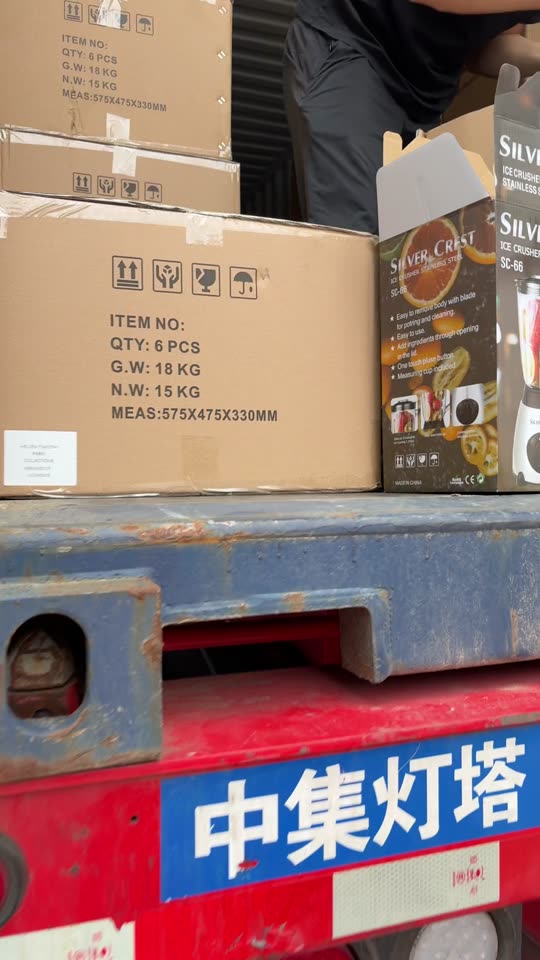
Direct Answer for Importers
What should an importer do when a shipment is held for examination?
Ask the appointed customs broker or responsible local representative to obtain the official hold reference, authority, exact question, affected entry or container, required action, response channel and deadline. Separate customs, product-compliance, carrier and terminal holds. Then request only the factual source records needed from the factory, preserve every version sent and connect the release process to terminal pickup and container free-time control.
Selection, inspection, release, classification, valuation, admissibility and product-compliance decisions belong to the competent destination authorities and the importer under local law. Yaoyuan Electric can provide factual manufacturing and shipment records within the order scope, but we cannot cancel a hold, guarantee release, determine local duty or replace a licensed customs broker, lawyer, laboratory or qualified compliance adviser.
Identify the Hold First
Four different issues require four different owners
| Hold or control type | What must be confirmed | Primary destination owner | Factory support boundary |
|---|---|---|---|
| Manifest or document query | Which declaration, bill, invoice, packing, value, origin or cargo-description point requires clarification? | Importer and appointed broker or carrier representative. | Provide accurate source documents and factual product explanations; do not invent a new commercial story. |
| Customs physical examination | Where will the cargo be presented, what access is required, who bears handling instructions and how will opening or sampling be recorded? | Importer, broker, terminal, examination facility and local service providers. | Provide carton maps, model identification, packing references, manuals and safe factual handling information where available. |
| Product or other-agency review | Which authority, regulation, standard, label, permit, test report or market requirement is involved? | Importer and a qualified local compliance professional. | Provide only authentic documents for the ordered model and agreed configuration; never substitute a similar model's report. |
| Carrier, terminal or payment hold | Is release blocked by original-bill status, destination payment, carrier instruction, terminal account, appointment or another operational issue? | Consignee, forwarder, carrier agent, terminal or trucker. | Confirm shipment source records but do not describe an operational hold as a customs decision. |
The European Commission explains that customs controls can include documentary checks and physical inspections, with selection based on risk analysis, manual action or random selection. In the United States, CBP explains that a manifest hold may involve verification of manifested information and a request for supporting documents. These examples show why the actual authority notice and jurisdiction must control the response.
Single Controlled Response File
Convert a vague hold message into an answerable request
Exact Question
What fact must be proved?
Copy the requested point exactly. Do not reduce a specific value, origin, label or model question to "send all documents."Response Owner
Who communicates with the authority?
Name the importer, broker or authorized local representative responsible for filing and escalation in that jurisdiction.Source Owner
Who supplies each factual record?
Assign factory sales, production, packing, quality or logistics staff only to records they can verify.Version Register
Which file was actually sent?
Record filename, revision, language, date, sender, recipient and broker confirmation for every response item.Deadline and Clock
When must the next action close?
Track authority response time separately from terminal availability, last free day, truck booking and warehouse readiness.Factory Source Records
Request evidence by question, not by document volume
| Authority or broker question | Possible factory source record | Integrity check before sending |
|---|---|---|
| What goods are inside? | Commercial invoice, packing list, model list, product photos, manuals, carton marks and loading record. | Model, quantity, description and carton count must reconcile across the final shipment set. |
| What is the product made of or used for? | Technical specification, material statement, component description, rated power, voltage, capacity and intended product function. | Answer the ordered configuration only. Separate technical facts from tariff-classification conclusions. |
| Who made the goods and where? | Manufacturer details, purchase contract or pro forma invoice, production reference, origin marking photos and factual origin statement where supportable. | Company names, addresses, model references and origin wording must match the transaction and local requirement. |
| How was value established? | Commercial invoice, sales contract, payment record, agreed discounts, tooling or packing charges and other transaction records within the factory's scope. | The importer and qualified advisers determine the required valuation treatment; do not alter figures after shipment without a documented commercial basis. |
| Does the model meet a market requirement? | Ordered-model label artwork, manual, plug and voltage confirmation, test report or certificate actually included in the agreed compliance file. | Check model number, applicant, manufacturer, standard, report scope, issue date and configuration. Similar appearance is not evidence of identical coverage. |
| How was the container packed? | Carton dimensions, gross and net weights, packing sequence, loading photos or video, seal reference and container loading list. | Use the final loaded quantities and seal information, not a preliminary loading plan. |
For U.S. entries, CBP's importer guidance asks for complete product descriptions and relevant origin, composition, use and pricing information. The same page also warns that an examination can create importer-side handling costs. Requirements differ elsewhere, so the local authority and appointed professional must define what is legally required.
Response Timeline
Keep the first response factual, narrow and traceable
Confirm receipt
The broker confirms the official notice, authority, reference, affected cargo, requested action, deadline and current release status.
Classify the issue
Separate customs, product-compliance, carrier, terminal and payment holds so the correct party acts.
Build the question list
Translate the notice accurately when needed and convert each requested fact into a named source record and owner.
Reconcile before sending
Check model, description, quantity, value, weight, origin, labels and supporting-file scope against the final shipment set.
Submit through the appointed channel
The authorized local party sends the response, keeps proof of transmission and records any follow-up question.
Control the destination clock
Update cargo availability, examination movement, terminal charges, pickup plan, warehouse slot and empty-return deadline.
Physical Examination Readiness
Protect product identification and evidence when cartons are opened
Carton Map
Find the requested SKU
Use the final packing list, carton marks, loading sequence and model quantities to reduce unnecessary handling where the facility permits.Opening Record
Preserve the condition before access
Record container, seal, carton number, exterior condition, opening sequence and the party present, subject to local rules.Model Identity
Match product, label and document
Photograph the product, rating label, plug, packaging label, accessories and manual for the inspected unit.Sampling Record
Identify what left the shipment
Where samples are taken, preserve the authority or facility record, model, quantity, seal or reference and chain-of-custody details available.Repacking Proof
Separate examination damage from transit damage
Record opened cartons, missing packing materials, resealing, pallet or container condition and any facility handling exception.Release Evidence
Close the hold in writing
Keep the release notice, remaining conditions, terminal status, gate authorization and updated pickup instructions.If Cartons Were Opened or Sampled
Connect examination handling to the destination quantity report
Preserve which cartons were opened, which samples or units were removed, how the cargo was resealed and what arrived at the warehouse. This separates an authority or facility handling event from an unexplained origin packing, carrier or warehouse variance.
Evidence Integrity
More files do not correct an inconsistent answer
- Do not replace the ordered model's technical record with a report for a visually similar product.
- Do not rewrite invoice descriptions without reconciling the declaration, bill, packing list and commercial agreement.
- Do not send editable files when a controlled signed or issued version is required.
- Do not let factory sales, a forwarder and a broker send separate explanations to the authority.
- Do not translate model numbers, standards, legal references, quantities or monetary figures casually.
- Do not promise a release date before the competent authority confirms release and the terminal confirms availability.
- Do not lose the original notice, transmission proof, response version or examination handling record.
- Do not discuss destination exam cost without identifying the charge source, payer, event period and supporting invoice.
The World Customs Organization describes customs intervention as part of risk-management systems. A shipment can be selected even when a buyer expected routine clearance. The useful response is controlled evidence and competent local representation, not an unsupported claim that selection proves supplier fault or guarantees a future result.
Time and Cost Control
Run the examination file and the container clock together
A customs or authority hold can affect cargo availability, examination movement, terminal storage, carrier equipment time, truck appointments and warehouse plans. These costs may have different contracts, start events and billing parties. The importer should ask the broker and local logistics team for a dated event log rather than waiting for one combined invoice after release.
Authority Track
Notice, response and release
Record each official event, requested file, submission time, follow-up and release status.Facility Track
Movement, opening and availability
Record examination transfer, facility access, handling, completion and return-to-terminal or release events.Container Track
Free time, pickup and empty return
Update each last free day, appointment, truck, warehouse slot and empty-return instruction as the hold changes.Use our demurrage and detention control guide to separate carrier equipment, terminal storage and local operational charges. Use the transit-damage evidence guide if handling or examination creates a visible cargo-condition issue.
After Release
Turn one examination into a better next shipment file
| Closeout record | Question to answer | Next-order action |
|---|---|---|
| Trigger summary | Which document, product, label, value, origin or operational point was questioned? | Correct the source process before the next invoice, artwork or booking is released. |
| Accepted evidence | Which documents or factual explanations resolved the request? | Add the controlled versions to the destination compliance file where legally appropriate. |
| Rejected or revised evidence | What was unclear, inconsistent, expired or outside scope? | Assign a corrective action and approval owner rather than reusing the same file. |
| Cost and delay record | Which authority, facility, terminal, carrier, trucking or warehouse costs arose? | Improve route comparison, contingency approval and service-provider scope. |
| Commercial effect | Did the delay affect dealer delivery, launch timing, stock availability or customer commitments? | Update launch buffers and communications for the next shipment. |
Connected Destination Path
Connect document control, examination response and cargo release
The factory supplies verified source facts; the importer and appointed destination professionals control the legal filing, authority response and release process.
Private Wholesale Project Review
Build accurate source records before the first container ships
Buyer Sends
Product, market and official question
Send models, quantity by SKU, country, destination port, broker status, authority notice reference and the exact factory record requested.Factory Confirms
Available factual source records
We identify documents, specifications, packing, labels, photos or shipment evidence that can be verified for the ordered configuration.Local Team Confirms
Legal requirement and submission route
Your broker and qualified advisers confirm admissibility, classification, valuation, compliance, translation and authority-response requirements.Use the request form to identify factory-held facts for the affected order and shipment. The importer and appointed customs broker remain responsible for the official response, filing route, deadlines and release process.