Many importers pay close attention to product quality before loading, but treat shipment documents as a small office step. That is risky. For a wholesale appliance order, the goods may be correct, the container may be loaded, and the shipment may still face delay because the document details do not match the buyer's clearance requirement.
Shipment document control is especially important for air fryers, blenders, electric fans, rice cookers, ovens, ceramic hobs, water dispenser pumps and mixed container small appliance orders. These orders may include different models, cartons, accessory sets and HS code directions. The buyer should control documents before the vessel arrives, not after the local agent finds a problem.
Confirm Commercial Invoice Before Final Use
The commercial invoice should match the agreed order direction. Importers should check buyer name, seller name, product description, model name, quantity, unit direction, currency, trade term, destination, invoice number and date. If the buyer uses the document for bank records, customs declaration or internal accounting, the invoice should be consistent with the buyer's required format.
The product description should be clear enough for clearance but not confusing. A mixed container should not hide important categories under one vague product name. If air fryers, blenders, fans and water dispenser pumps are shipped together, the invoice should allow the buyer and local broker to understand the shipment accurately.
Check Packing List Against Warehouse Reality
The packing list connects the document to the physical goods. It should show carton quantity, product model, packing quantity, gross weight, net weight and measurement direction when needed. Buyers should compare the packing list with loading proof and carton summary before documents are finalized.
For mixed container orders, packing list mistakes can create warehouse receiving problems. Local staff may need to separate goods by product category, dealer, city or sales channel. If the packing list is weak, the buyer may waste time after the container opens.
Match Container Number and Seal Number
Container number and seal number are basic but critical. They should match loading photos, loading video, shipping booking information and final document set. If the buyer receives a BL draft with a different number or unclear seal record, the issue should be corrected before release.
For importers managing several shipments at the same time, this step protects against warehouse confusion and wrong shipment tracking. It also helps the buyer communicate with the freight forwarder and destination agent more efficiently.
Review BL Draft Carefully
The bill of lading draft should be checked before final release. Importers should verify shipper, consignee, notify party, vessel, voyage, port of loading, port of discharge, place of delivery, container number, seal number, package count, goods description and freight term direction.
A BL mistake can create serious delay. Consignee information, notify party and destination details should follow the buyer's clearance practice. If the buyer uses a forwarder, bank, company branch or agent, the correct party should be confirmed before the BL is issued.
Control HS Code Direction with Local Broker
The factory can provide product information, but the importer should confirm clearance direction with the local customs broker. Different countries may treat small appliances differently according to product function, voltage, material, heating element, motor and accessory configuration.
Importers should avoid waiting until the goods arrive before discussing HS code direction. If the local broker needs product photos, specification, manual, carton label or certificate direction, the buyer should request these before shipment documents are locked.
Prepare Certificate and Compliance Documents by Market
Not every model uses the same compliance documents. Certification direction depends on product model and target market. Some buyers may need CE, CB, RoHS, LFGB, ETL, UL or other document discussion before quotation or before shipment. The safe method is to confirm document needs before production, then check the final document set before shipment arrival.
For supermarket buyers and OEM brand customers, document preparation may include product label, manual language, carton mark, barcode direction and packing proof. These details should match the buyer's market channel.
Connect Document Timing with Final Payment
Importers should connect final payment, document release and shipment timeline clearly. If the buyer needs draft documents before balance payment, this should be discussed in advance. If original documents, telex release or other release method is needed, the buyer and factory should confirm the process early.
Document delay can affect cash flow. The buyer may have dealers waiting, local transport booked or warehouse space arranged. Clear timing protects both sides and reduces unnecessary pressure.
Use Loading Proof Together with Documents
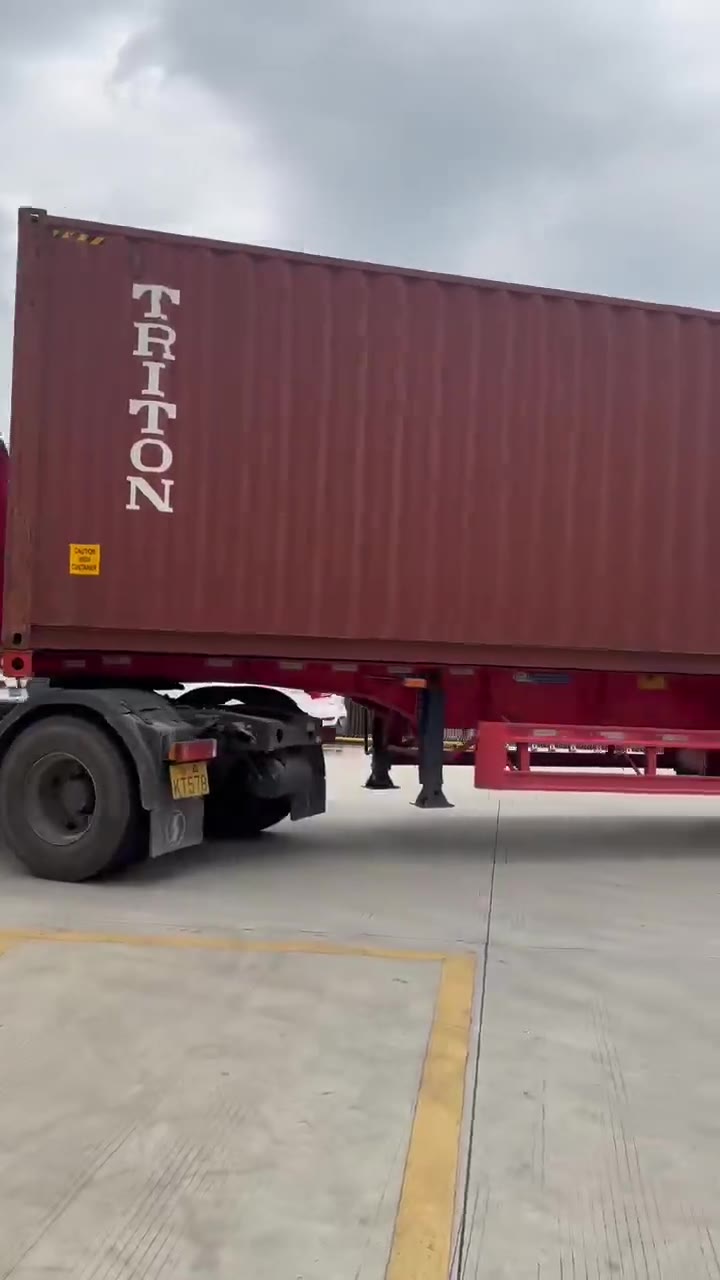
Documents should not stand alone. Loading proof helps verify that the document set belongs to the actual goods. Container photos, seal photos, carton stacking photos and loading video can support the buyer's internal record and local partner communication.
This is useful for strategic cooperation because it gives the importer a full evidence chain: order confirmation, production progress, inspection proof, loading proof, document set and arrival feedback. A serious supply relationship is built on traceable execution, not only verbal promises.
Packing Footage Is Context, Not a Shipment Document
Dated packing-workshop footage can show visible packing steps, carton condition and staging at the time recorded. Stacked cartons are not proof of current inventory, final quantity, inspection release, container loading or shipment readiness, and footage does not replace a commercial invoice, packing list, loading tally or transport document.
For the exact shipment, reconcile the PO and SKU quantities, authorized artwork and packing BOM, production-confirmed carton count, pre-shipment inspection release, final packing list, loading tally, container and seal numbers, booking reference and bill of lading. Each record should identify the same shipment version, while holds, rework, rejects and quantity exceptions remain visible.
How Yaoyuan Electric Supports Shipment Document Control
Zhongshan Yaoyuan Electric Appliance Co., Ltd. supplies small home appliances for importers, distributors, wholesalers, supermarket buyers, appliance shops, online sellers with bulk demand and OEM brand customers. We support commercial invoice, packing list, loading proof, carton summary, product information and shipment communication according to the buyer's order and market requirement.
MOQ starts from 1000 PCS. Wholesale only. Retail and one-piece orders are not accepted. To discuss shipment document control, please send product category, quantity, destination port, consignee direction, required documents, clearance requirement and expected release method.
Shipment Document Control Checklist
- Check commercial invoice details before final use
- Compare packing list with carton summary and loading proof
- Confirm container number and seal number against loading photos
- Review BL draft before final release
- Discuss HS code direction with the local customs broker
- Prepare certificate or compliance documents according to target market
- Connect final payment, document release and shipment timeline clearly