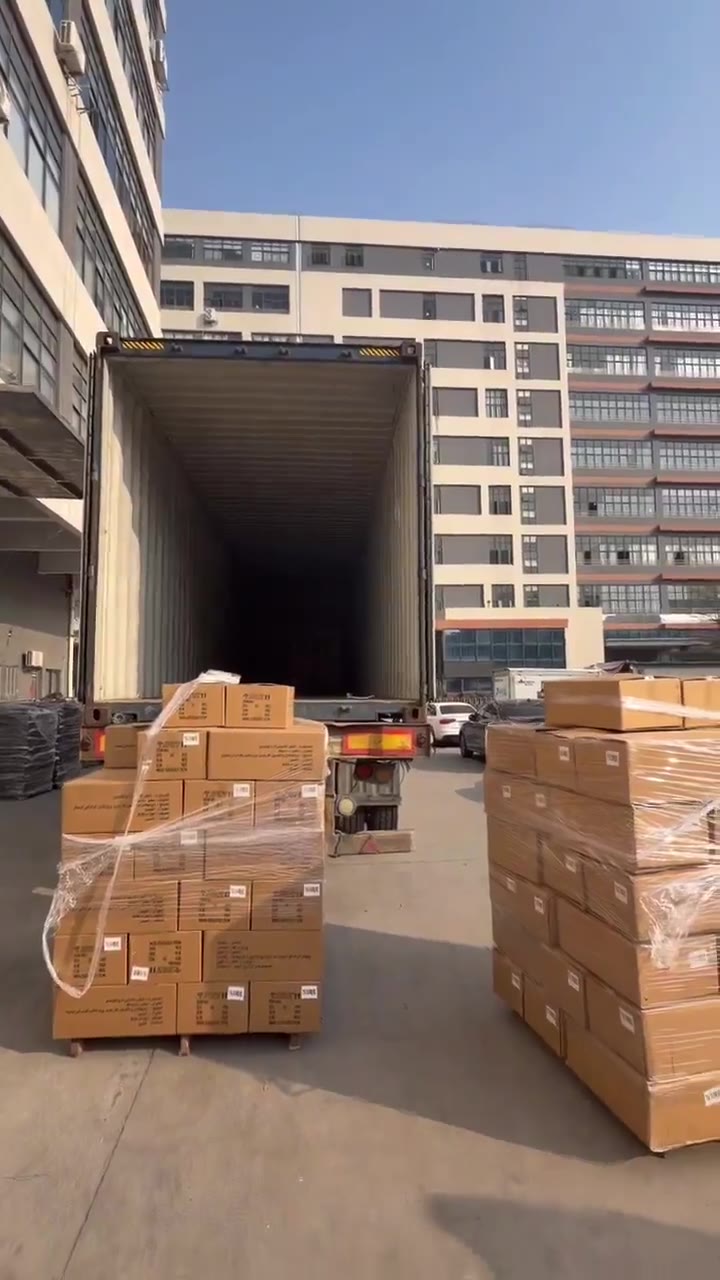
For appliance importers, opening the container does not complete the commercial process. Execution continues through receiving, allocation, dealer handoff and reconciliation. If goods are released without allocation rules, price responsibilities and delivery records, the first batch can create stock and accountability problems instead of usable channel evidence.
Dealer delivery execution is the bridge between warehouse receiving and market feedback. It helps the importer know which customers received which models, which cartons were delivered, which channel reacted fastest and which product should be repeated, adjusted or held back.
Separate Confirmed Dealer Orders from Market Testing Stock
After warehouse receiving, the importer should separate goods that are already committed to dealers from goods used for market testing. Confirmed dealer orders should be prepared first because those customers are already waiting. Market testing stock should be controlled more carefully so the importer can compare channels without losing visibility.
This is especially important when the shipment includes mixed categories such as air fryers, blenders, electric fans, rice cookers and water dispenser pumps. Different products may need different launch rhythm and dealer selection.
Match Model Allocation with Channel Role
Not every dealer should receive the same product mix. Anchor dealers may need hero models that represent the buyer's main product direction. Regional distributors may need stable carton quantities and repeatable models. Appliance shops may need display-friendly products. Supermarkets may need packing consistency, barcode direction and clean shelf appearance. Online sellers with bulk demand may need products that are easy to demonstrate in short videos.
A stronger importer records why each dealer receives each model, then measures stock movement, returns, service questions and reorder requests. The goal is not to move all stock quickly at any cost. The buyer owns channel performance and margin; the allocation record provides evidence for the next decision. Commercial results remain buyer-owned and depend on the actual channel, selling price, collections and market conditions.
Protect Carton Condition Before Dealer Delivery
Goods may arrive in acceptable condition, but poor warehouse handling can damage cartons before they reach dealers. Color boxes, master cartons, handles, labels and carton marks should remain clean and readable. If dealers receive damaged cartons, they may question product value even when the product inside is good.
Before delivery, the importer should check whether cartons need cleaning, sorting, reinforcement or separation. OEM packing and supermarket-ready packing should be protected more carefully because shelf appearance affects sales confidence.
Record Delivery Proof by Dealer and Model
Dealer delivery proof should include dealer name, delivery date, product category, model code, carton quantity and visible carton condition. This record does not need to be complicated, but it should be consistent. Photos or short videos of delivery can help when a dealer later reports shortage, damage or wrong model.
Delivery proof also helps the importer read market movement. If a certain dealer receives twenty cartons and requests more within one week, that is useful information. If another dealer receives the same model and does not move stock, the importer can study whether the issue is price, channel fit, display, season or local competition.
Control Price Discipline Before Goods Spread Too Wide
When a new shipment enters the market, price confusion can happen quickly. If dealers receive the same product at different rules or if too many sellers compete in the same area, margin may fall before the product has time to build value. Importers should define channel role, suggested wholesale direction and dealer territory logic before broad distribution.
For OEM or private label products, price discipline is even more important. A brand cannot grow if the first batch becomes uncontrolled discount stock. The importer should protect the models that have long-term potential.
Keep Reserve Stock for Key Customers and After-Sales Needs
It is risky to push every carton into the market immediately. A practical importer keeps a small reserve for sample replacement, key customer request, after-sales support and urgent dealer replenishment. Reserve stock also gives the importer time to observe which channels are moving faster before deciding where to send the remaining goods.
Reserve stock is not dead stock. It is control stock. It helps the buyer respond to market movement instead of being locked into the first delivery decision.
Track the First 7-14 Days After Dealer Delivery
The first one to two weeks after dealer delivery are very useful. Importers should ask which models received attention, which questions buyers asked, whether packing looked strong enough, whether the display was clear and whether the dealer wants the same model again.
This early feedback is more valuable than general opinion because it comes from real selling activity. It helps the importer decide whether to repeat the same model, adjust packing, change color, improve accessories or test another product level.
Do Not Push All Inventory into One Channel
One strong dealer can help start the market, but relying on one channel creates risk. If all stock goes into one dealer, the importer may lose price control, market visibility and bargaining power. A balanced plan usually includes anchor dealers, regional distribution, selected shops, possible supermarket buyers and online bulk sellers when suitable.
The right balance depends on the buyer's country, product category, season, cash flow and brand plan. The factory can support product selection and repeat supply, but local channel execution belongs to the importer.
Use Dealer Delivery Data for Reorder Planning
Dealer delivery data should become reorder input. The importer should know which model moved first, which dealer asked for more, which carton packing caused complaints, which color or capacity received better response and which product should be reduced in the next shipment.
This is how a one-time container becomes a repeat business. A factory and importer can discuss better product mix, packing improvement, OEM direction and future shipment timing when the buyer brings real dealer delivery data.
How Yaoyuan Electric Supports Dealer Delivery Planning
Zhongshan Yaoyuan Electric Appliance Co., Ltd. supplies small home appliances for importers, distributors, wholesalers, supermarket buyers, appliance shops, online sellers with bulk demand and OEM brand customers. We support product mix planning, model comparison, OEM packing discussion, shipment proof and repeat-order improvement based on dealer feedback.
MOQ starts from 1000 PCS. Wholesale only. Retail and one-piece orders are not accepted. To discuss a dealer delivery plan, please send your country, product category, dealer type, model allocation, delivery schedule, feedback from first dealers and next-order direction.
Dealer Delivery Execution Checklist
- Separate confirmed dealer orders from market testing stock
- Match model allocation with dealer, shop, supermarket or online bulk channel role
- Check carton condition before local delivery
- Record delivery proof by dealer, model and carton quantity
- Protect channel price discipline before broad distribution
- Keep reserve stock for key customers, after-sales needs and urgent replenishment
- Collect first 7-14 day dealer feedback after delivery
- Use delivery data to prepare the next order and product mix adjustment