01 Ordered
Destination Quantity Exception Control
Shipment Shortage and Quantity Discrepancy Control for Importers
A statement such as "the container is short" is not enough to identify where the difference occurred. The importer needs to reconcile ordered, packed, loaded, transported, delivered and warehouse-received quantities by SKU before assigning a commercial cause.
This guide is for importers, distributors, supermarket buyers and OEM brands receiving air fryers, blenders, electric fans, rice cookers, ovens, ceramic hobs, water dispenser pumps or mixed appliance containers from China. MOQ starts from 1000 PCS. Wholesale only.
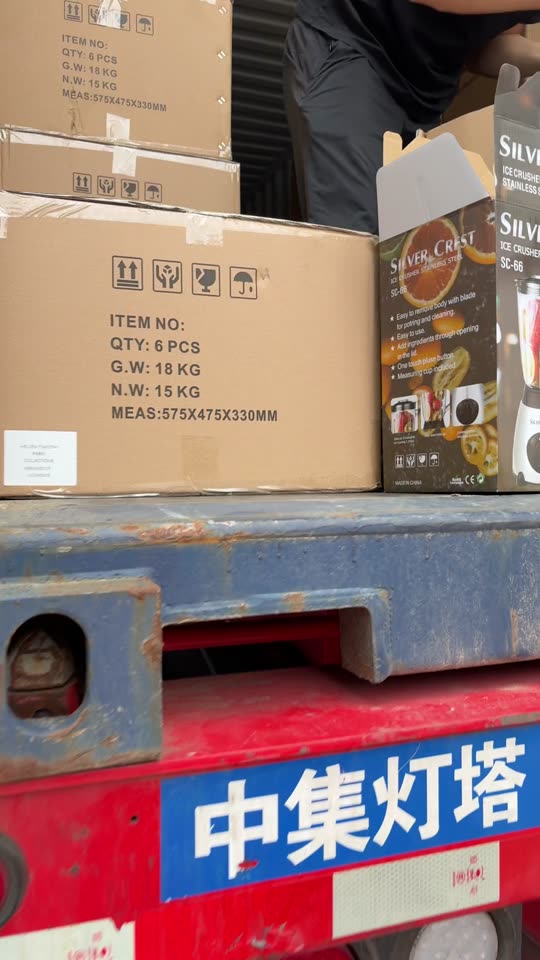
Direct Answer for Importers
What should a buyer do when shipment quantities do not match?
Stop distribution of the affected stock, preserve the container and seal record, record the first opening and unloading sequence, count cartons and units by SKU, and compare the result with the approved order, final packing list, loading tally and transport document. Identify whether the difference is a total shortage, SKU imbalance, overage, wrong model, wrong consignee cargo, damaged or opened carton, or warehouse count error. Notify the actual carrier, insurer, warehouse and other required destination parties through their contract-specific procedures without waiting for an informal factory discussion.
The factory can provide factual order, packing and loading records within its control. The importer, carrier, insurer, terminal, trucker, warehouse and qualified local advisers must determine their own notice, survey, claim, liability and legal requirements. Yaoyuan Electric does not promise claim acceptance, compensation, responsibility, a notice deadline or a specific recovery result.
Classify Before Escalating
Different quantity exceptions point to different evidence
| Observed exception | First question | Evidence priority | Do not assume |
|---|---|---|---|
| Total carton shortage | Does the received package count differ from the final loaded and transport-document count? | Loading tally, bill package count, seal record, delivery receipt, first opening and warehouse count. | A shortage at the warehouse automatically proves a factory loading shortage. |
| SKU imbalance with the same total | Is one model short while another model is over? | SKU packing list, carton marks, loading sequence, receiving count and any opened or mixed cartons. | A correct total carton count means every model is correct. |
| Unexpected overage | Is the extra cargo an approved tolerance, another SKU, another consignee's cargo or a count duplication? | Order revision, approved quantity tolerance, carton identity, transport release and warehouse location. | Extra goods can be sold or distributed before ownership and identity are confirmed. |
| Wrong model or wrong market version | Does the carton label or internal unit differ from the approved model, plug, voltage, color or packing version? | Approved sample, SKU code, artwork revision, product rating label, carton label and receiving sample. | A similar appearance is commercially or technically interchangeable. |
| Misdelivery or wrong-consignee cargo | Did the truck, terminal or warehouse deliver cargo associated with another release or container? | Delivery order, container, seal, truck, gate record, warehouse receipt and carton shipping marks. | The factory order file explains a destination delivery-routing error. |
| Units missing inside cartons | Are cartons opened, damaged, resealed or intact, and does the unit-per-carton count match the approved pack? | Carton condition, inner packing, weight where useful, opening video, packing record and sampled-carton map. | One opened carton establishes the condition of the entire shipment. |
One Controlled Reconciliation File
Compare seven quantities under one shipment reference
02 Packed
What entered finished cartons?
Use finished-goods tally, units per carton, SKU carton count, marks, packing version and exception approvals.03 Loaded
What entered the container?
Use the final loading tally, loading photos or video, sequence, container number, seal and unshipped balance.04 Transported
What did the transport document state?
Compare bill or waybill package count, gross weight, container, seal and cargo description with the final loading set.05 Delivered
What did the carrier or trucker hand over?
Preserve delivery order, gate record, equipment condition, seal, delivery receipt and any written exception notation.06 Received
What did the warehouse count?
Record first unload, carton count by SKU, opened cartons, quarantined stock, warehouse locations and recount approval.07 Accepted
What became saleable inventory?
Separate accepted stock, damaged stock, wrong model, extra goods, missing units and stock awaiting review.Variance Register
Where does the first difference appear?
Record the earliest stage where two controlled quantities stop matching. That narrows the next evidence request.Origin Evidence Baseline
A destination count is useful only when origin records are controlled
The approved order should identify every SKU and market version. The final packing list should show units per carton and carton count by SKU. The loading record should show the actual quantity placed into the named container, not only the planned quantity. The container and seal should connect the physical movement to the same shipment reference.
| Origin record | Quantity question it answers | Control point |
|---|---|---|
| Final approved order | Which products, versions and quantities were commercially authorized? | Include approved changes and quantity tolerances; do not rely on an early quotation. |
| Finished packing tally | How many units and master cartons were prepared by SKU? | Reconcile model, color, plug, voltage, packing version and carton identity. |
| Final packing list | What quantity, carton count, net weight and gross weight were declared for shipment? | Use the final loaded set and preserve its issue date and revision. |
| Loading tally and media | Which cartons physically entered the container? | Record count by SKU, visible marks, loading sequence and any quantity left behind. |
| Container and seal record | Which equipment was closed after loading? | Record container number, seal number, door condition, closure and handoff. |
| Transport document | Which package count and shipment identity entered the carriage record? | Reconcile the draft before issue and preserve amendments separately. |
The IMO/ILO/UNECE CTU Code provides guidance across packing, securing, information flow, completion of packing, receipt and unpacking. It is a useful operational reference, but the actual contracts and applicable law still control responsibility in a specific shipment.
First Opening at Destination
Preserve the condition before normal warehouse activity changes it
Record the closed equipment
Capture container number, seal number, door and lock condition, truck or delivery reference, time and receiving location before opening.
Record the first opening
Film the initial cargo position and visible carton condition continuously where practical and permitted.
Count at the unloading point
Use one tally owner and count cartons by visible SKU or mark before goods move to multiple warehouse zones.
Quarantine exceptions
Separate damaged, opened, unmarked, wrong-model, extra or uncertain cartons from saleable inventory.
Recount independently
Use a second controlled count for the affected SKU and record who counted, when, where and against which document.
Issue one variance report
List ordered, packed, loaded, documented, delivered and received quantities with links to the supporting evidence.
If cartons were opened, sampled or resealed during a customs or other authority examination, preserve that facility or authority record and connect it to the arrival count. The warehouse should not treat an examination exception as an unexplained factory packing difference.
Evidence Owners, Not Automatic Liability
Ask each party for the record it controls
| Party | Record or action within its control | Boundary |
|---|---|---|
| Factory or shipper | Approved order, packing data, loading tally, product identity, carton marks, origin media and factual discrepancy review. | Cannot determine what occurred after custody changed without destination evidence. |
| Forwarder or carrier | Booking, transport document, equipment movement, release, delivery and its contract-specific case or claim process. | Its contract and governing rules control notice, review and any carrier decision. |
| Terminal, examination facility or trucker | Gate movement, handling, opening, resealing, delivery, equipment and exception records available under local procedure. | Availability and disclosure depend on the actual facility, contract and jurisdiction. |
| Importer and warehouse | Closed-container proof, first opening, unload tally, SKU count, quarantine, recount, stock locations and delivery notation. | A later inventory report cannot recreate missing first-receipt evidence. |
| Insurer or insurance broker | Issued cover, notice route, survey direction, requested documents and policy-specific decision. | Coverage, exclusions, deadlines, deductible and compensation come from the actual policy. |
| Qualified local advisers | Advice on contractual rights, notices, evidence, recovery and local legal requirements. | The factory website is not legal, insurance, customs or claims advice. |
OS&D Response Sequence
Protect evidence and commercial continuity in parallel
- Do not distribute extra, wrong-model or uncertain cargo before identity and ownership are confirmed.
- Do not discard damaged cartons, broken seals, labels, internal protection or other relevant evidence before authorized review.
- Do not overwrite the first warehouse count; preserve the original and record every recount separately.
- Do not combine shortage, damage, wrong model and product-function issues into one unsupported total value.
- Do not wait for the factory's commercial reply before following carrier, insurer or local notice instructions.
- Do not claim a factory loading error when only a final warehouse balance is available.
- Do not promise dealers stock that remains under quantity, identity, ownership or condition review.
- Do not accept a commercial solution until the affected SKU, quantity, evidence and next-order consequence are recorded.
As one carrier example, Hapag-Lloyd's cargo claims guidance asks claimants to identify the bill or sea-waybill, container and supporting documentation or photos. Other carriers, insurers and jurisdictions use different procedures. Follow the actual contract and instructions for the shipment instead of treating any general website as a universal claim rule.
Practical Reconciliation Patterns
Use the first broken link to direct the next investigation
Pattern A
Packed and loaded quantity differ
Review origin staging, loading tally, unshipped balance, substitution approval and the final packing-list revision.Pattern B
Loaded and transport-document count differ
Review shipping-instruction reconciliation, bill draft approval and any document amendment before departure.Pattern C
Documented and delivered quantity differ
Review seal, handling, examination, discharge, release, delivery notation and the carrier or insurer process.Pattern D
Delivered and warehouse count differ
Review unload tally, multiple delivery locations, unmarked cartons, warehouse movements, count ownership and recount method.Pattern E
Total matches but SKU quantities differ
Review carton marks, internal identity, mixed-carton exceptions, origin SKU tally and destination sorting.Pattern F
Physical count matches but saleable stock differs
Separate transport damage, wrong market version, missing accessories, quality defects and inventory not yet accepted.Commercial Containment
Keep a quantity exception from becoming a market-wide stock error
Update available-to-sell stock by SKU only after the recount and quarantine decision. Protect key dealer commitments with confirmed stock, not the original packing-list quantity. If one model is short and another is over, recalculate dealer allocation, launch timing, warehouse space and expected margin before moving the extra quantity.
A commercial discussion may consider replacement production, credit, spare units, next-order adjustment, local rework, return, disposal or another order-specific solution. No single remedy is automatic. The evidence, contract, responsibility analysis, cost, timing and both parties' written agreement control the result.
Inventory
Freeze only the affected scope
Keep traceable good stock moving where evidence and local obligations allow; avoid blocking unrelated SKUs.Dealer Plan
Reallocate confirmed stock
Update delivery promises using accepted quantity by SKU, region and channel.Repeat Order
Close the corrective action
Do not repeat carton marks, tally gaps, warehouse controls or communication failures that caused uncertainty.Exception Closeout
Convert the incident into a controlled next shipment
| Closeout item | Required conclusion | Next-order improvement |
|---|---|---|
| Confirmed affected scope | SKU, version, cartons, units, value basis and inventory status. | Use one item code and one packing identity across the next order. |
| First evidence break | The earliest controlled stage where quantities no longer reconcile. | Add a signoff, tally, image or handoff record at that stage. |
| External notices | Which carrier, insurer, warehouse or authority references were opened? | Store the correct contact and procedure in the route file. |
| Commercial resolution | What was agreed, by whom, for which quantity and by what date? | Reference the resolution in the next payment, shipment or purchase order where applicable. |
| Root-cause action | Which origin, transport, receiving or inventory process changed? | Assign an owner and verify the change before the next container is released. |
Connected Evidence Path
Trace quantity from factory loading to accepted local inventory
Each stage should preserve one controlled quantity and hand it to the next stage under the same order, SKU, container and shipment reference.
Private Wholesale Order Review
Build traceable quantity records before the first container ships
Buyer Sends
Order, route and observed variance
Send product, quantity by SKU, country, destination port, container and seal, received count and available arrival evidence.Factory Reviews
Order, packing and loading facts
We reconcile the approved order, finished packing, final loading and shipment records within our verified scope.Destination Team Controls
Carrier, insurer and local process
The importer and qualified local parties preserve notices, surveys, claims, warehouse records and legal requirements.The request form organizes order, packing, loading and receiving records within the available evidence. It does not determine carrier, insurer, warehouse or legal responsibility.