Direct answer: how should an importer shortlist water pump models?
Start with the selling channel and the buyer's operating requirements, then compare only models that have identifiable catalog records. Use six filters: channel fit, product form, recorded battery and charging fields, bottle and accessory fit, packing volume, and an agreed sample test. Keep every unknown item marked for confirmation. A model should enter the quotation shortlist only when the buyer can identify what is known, what must be tested and what affects landed cost.
This method is designed for importers, distributors, supermarket buyers, appliance wholesalers, bulk online sellers and mixed-container buyers. It does not declare one model best for every program. The correct choice depends on the approved product version, destination market, packing plan and the buyer's own channel.
Six filters for a controlled model shortlist
| Selection filter | Information to compare | Decision supported |
|---|
| 1. Sales channel | Distributor network, supermarket shelf, bulk online channel, promotional program or mixed container. | Defines the required appearance, packing data, barcode, manual and repeat-order control. |
| 2. Product form | Model identity, dimensions, controls, outlet arrangement, hose, cable and included parts. | Prevents two visually similar models from being treated as the same version. |
| 3. Battery and charging record | Recorded battery field, input, interface, cable and any item still awaiting supplier confirmation. | Builds a sample test around the selected version instead of relying on one battery number. |
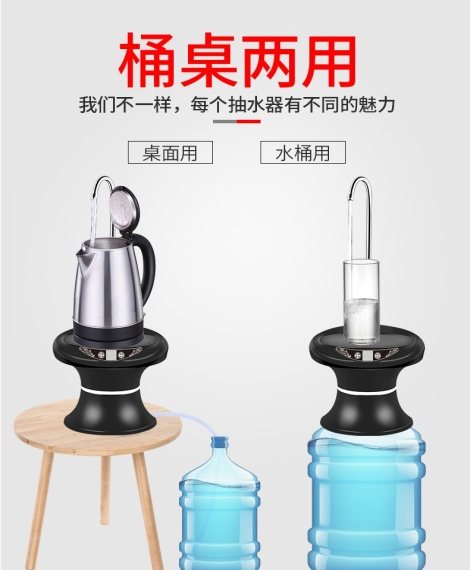
| 4. Bottle and use fit | Bottle opening, installation method, hose reach, outlet clearance, control response and pumping observation. | Tests the product in conditions that represent the buyer's intended use. |
| 5. Packing and logistics | Unit-box dimensions, master-carton dimensions, quantity per carton, accessories and marks. | Supports cubic-volume, handling and landed-cost comparison. |
| 6. Sample evidence | Approved sample identity, photos, function checklist, leakage observation, box contents and written exceptions. | Creates a reference for quotation, production and pre-shipment inspection. |
Step 1: separate catalog facts from unverified assumptions
A catalog page can identify a model, picture, recorded size, packing field, material or battery field. It does not automatically prove pumping duration, charging time, service life, bottle compatibility, noise level or market demand. Those points need a model-specific answer or an agreed test. Importers should reject comparison sheets that silently convert missing data into promises. The supplier evidence request separates documents that can be shown from items that still need approval.
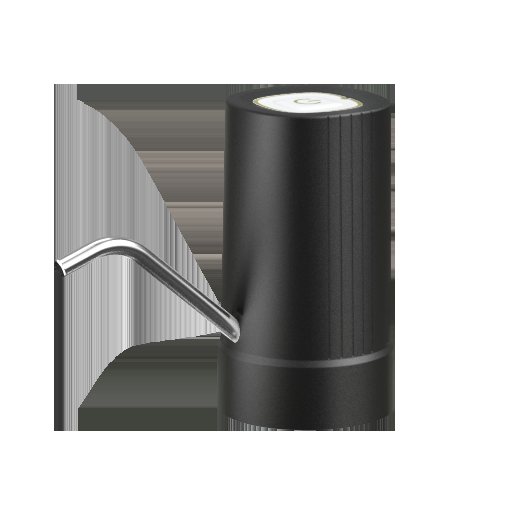
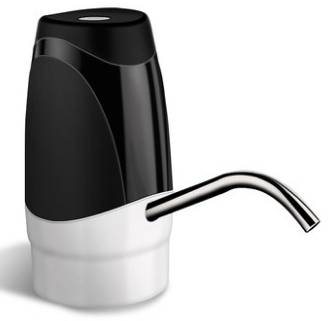
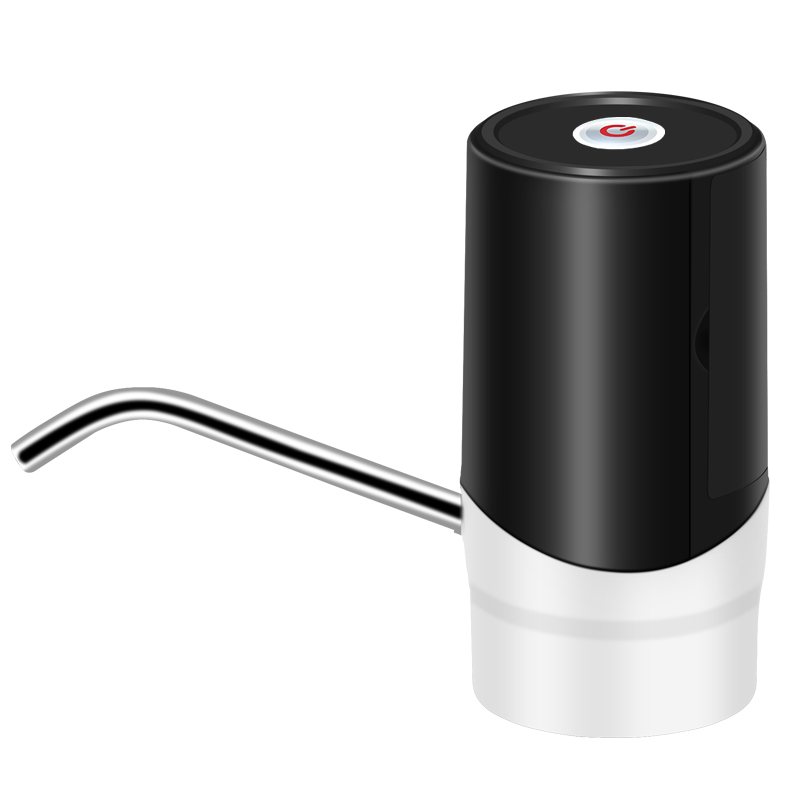
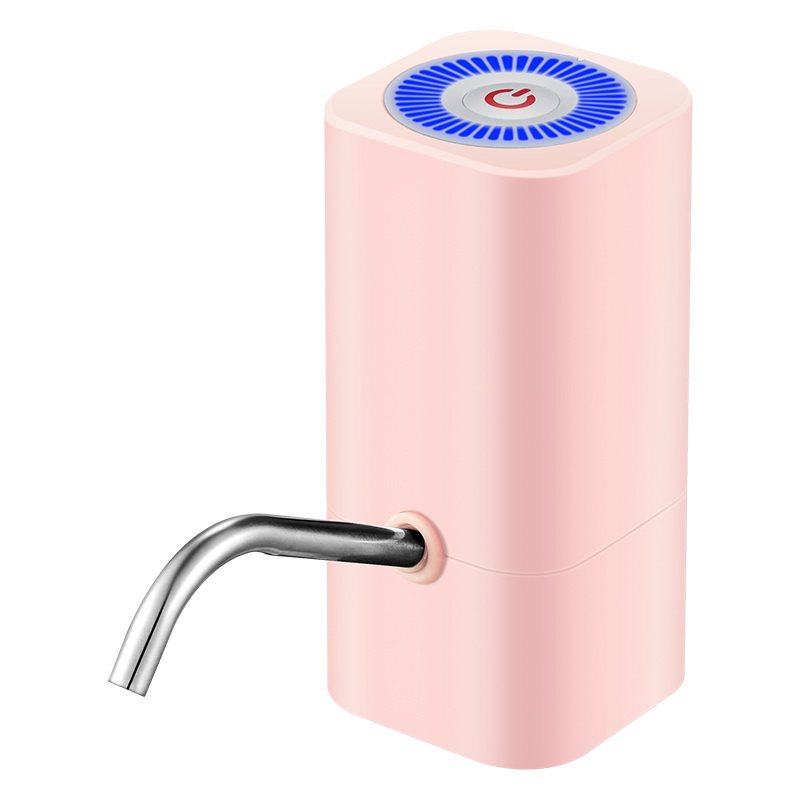
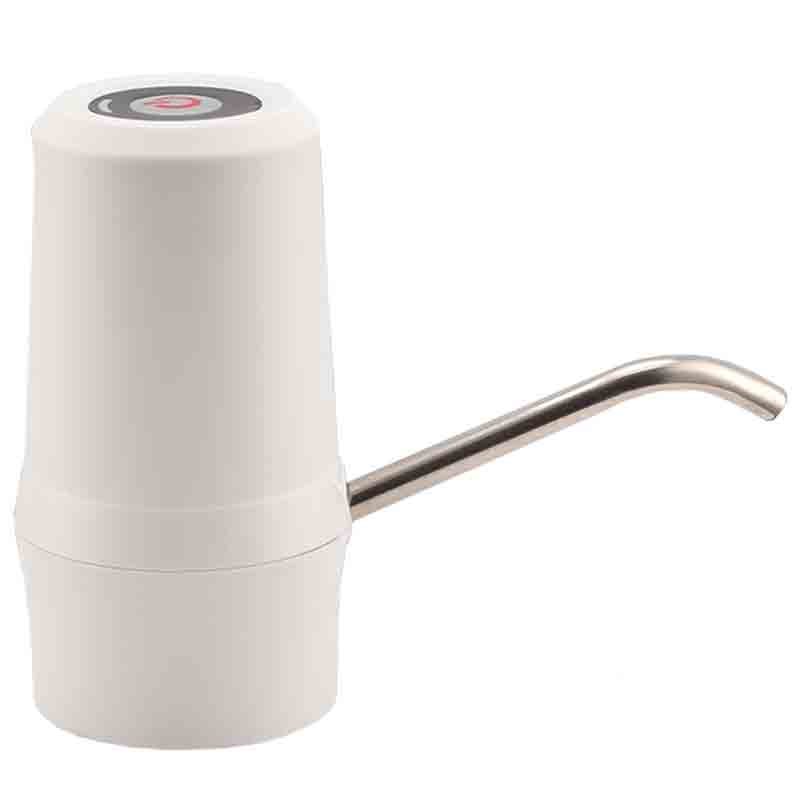
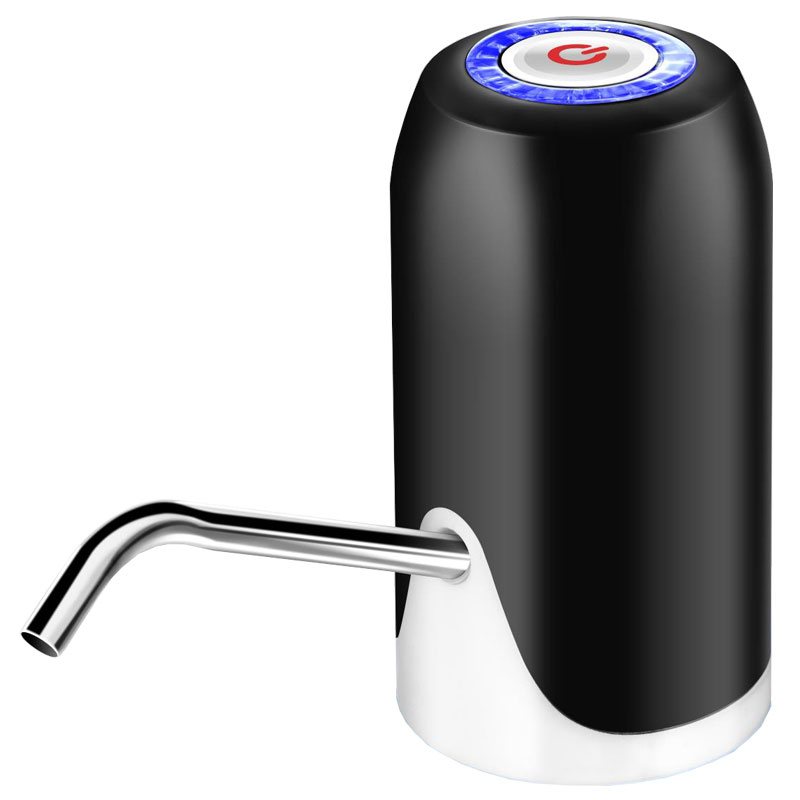
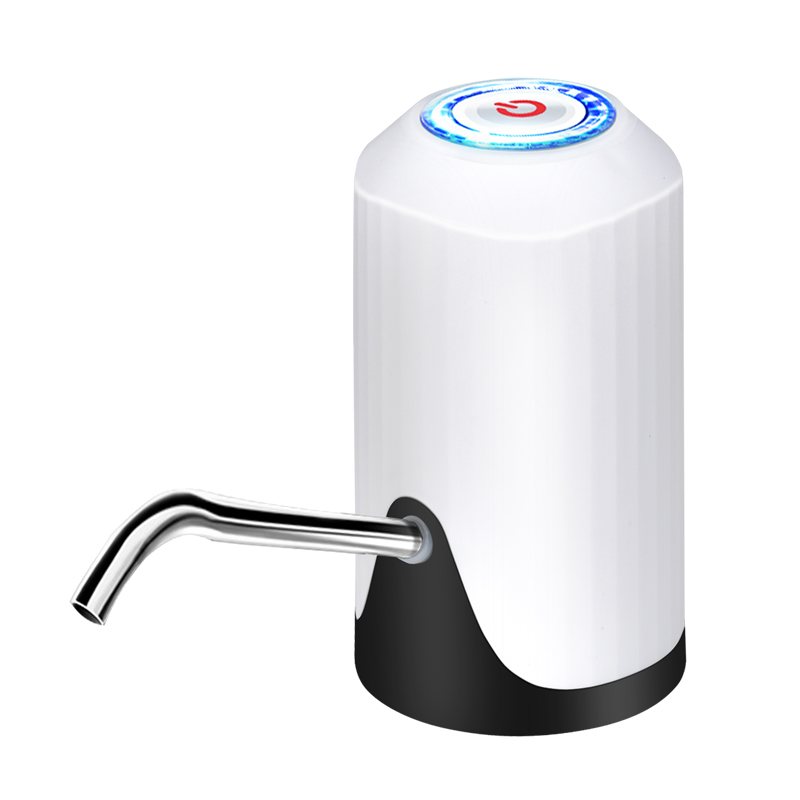
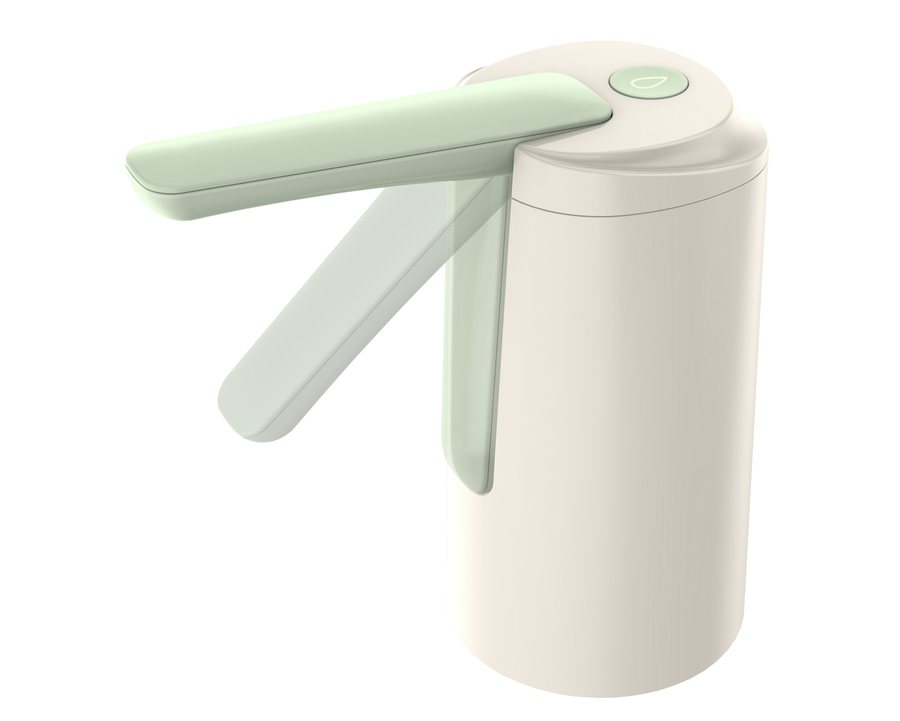
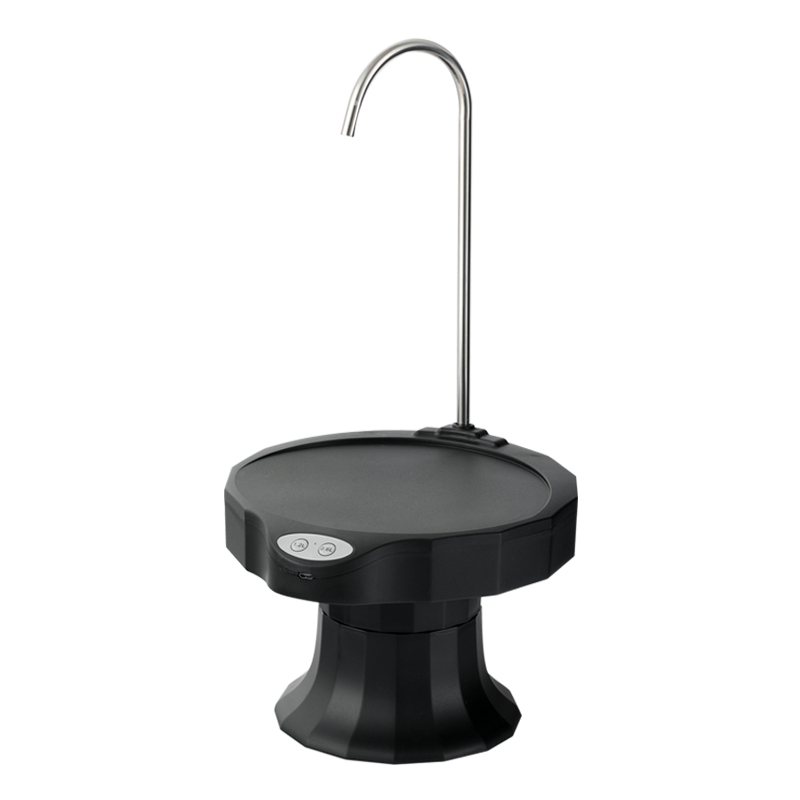
For example, the JLB-W15 catalog record includes a compact product-size and color-box route. The JLB-W08 and JLB-W09 records include 800mAh battery fields. These facts help form separate shortlists; they do not justify a universal claim that one route is better for every buyer.
Step 2: define the selling channel before choosing appearance
Distributor and wholesale network
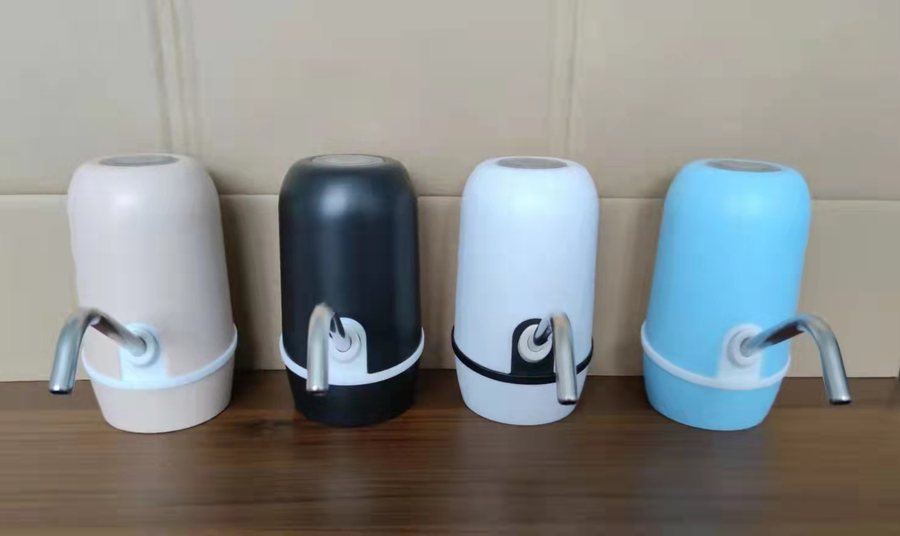
Prioritize a stable model identity, clear carton marks, controlled accessories and a repeatable specification. Ask how models, colors and packing versions will be separated in the warehouse. A distributor program should make reordering the same approved version easier than selecting a new appearance every shipment.
Supermarket and chain-store program
Compare shelf-facing artwork, barcode placement, manual language, model label, rated information and master-carton identification. The supermarket private-label route explains the additional file controls. Artwork should start only after the physical model and pack contents are frozen.
Bulk online sales
Confirm that photos, video, box contents and customer instructions describe the same product version. A compact visual product can still create avoidable returns if bottle installation, charging, cleaning or included accessories are unclear. The buyer should prepare customer-facing instructions from the approved sample, not from a similar model found online.
Mixed-container sourcing
Compare the water pump line by carton count and cubic volume alongside air fryers, blenders, fans and other appliances. A low unit quote can lose its advantage if its retail box or master carton uses disproportionate container space. Use the water pump mixed-container route to connect model selection with the wider assortment.
Step 3: compare product and pack data on one sheet
Create one row per model and never combine different versions in the same row. Include the supplier model, buyer-facing model if different, image reference, dimensions, recorded battery, charging input, interface, material, color box, master carton, units per carton, accessories and unanswered questions. Add a source column so the team can distinguish catalog data, supplier confirmation and sample result.
Minimum comparison columns
Supplier model / product image / selling channel / product dimensions / battery record / charging input / interface / hose and cable / bottle-fit test / color box / carton / quantity per carton / OEM status / sample result / open questions.
Do not compare quotation totals until the product and packing scope is aligned. Use the quotation comparison sheet to keep inclusions, trade-term basis and destination assumptions visible.
Step 4: run a sample test that matches the intended market
The buyer and supplier should agree on the sample identity and test conditions before testing starts. Record the bottle type or opening used, installation method, water level, charge condition and included hose or cable. Observe control response, pumping behavior, leakage, outlet stability, noise, charging connection and condition after repeated use under the agreed test.
A sample test is not a substitute for compliance review or a production inspection. It is the first controlled reference for function, accessories and usability. Keep photos, video and written observations attached to the model code and sample date. If the commercial order changes the battery, PCB, pump, hose, charging interface or packing contents, the buyer should decide whether a new sample or focused re-test is required.
Step 5: compare packing volume before comparing landed cost
Unit-box and master-carton dimensions influence storage, inland handling, container allocation and freight cost per sellable unit. Confirm units per carton and gross weight where available before calculating landed cost. If packing is still being customized, mark the calculation as provisional. Do not present an estimated loading quantity as a guaranteed shipment figure.
For a private-label order, barcode, manual, model label, warnings, carton mark and artwork revision can change both preparation time and packing scope. The OEM water dispenser pump program covers approval gates after a model route has been selected, while the packaging artwork approval workflow controls the released print files.
Step 6: freeze the shortlist before requesting a comparable quotation
A useful request for quotation should contain no more than a controlled shortlist unless the buyer is still conducting broad market research. For each selected model, state quantity, country, selling channel, packing route, branding request, manual language and destination port. Ask the supplier to identify exclusions, open technical questions and the validity of the quoted version.
MOQ starts from 1000 PCS. Final feasibility depends on model, configuration, packing, artwork and order composition. We do not publish a retail price or accept one-piece orders.
Send this model-selection brief
Country and channel / shortlisted model codes / quantity by model / required battery or charging direction / bottle or use requirement / neutral or OEM packing / manual language / destination port / target inspection method / unresolved questions.
Related factory and procurement pages