Actual Bottle Evidence
Record the bottle size, opening, cap or seal route, photos and physical sample status from the buyer's market.
Compatibility Control for Wholesale Pump Orders
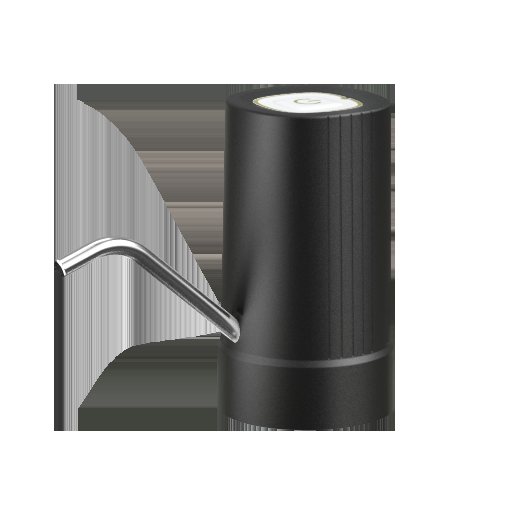
A 5-gallon or 20L description does not prove that one pump fits every bottle in a buyer's market. Reliable selection connects the actual bottle opening, cap route, pump seating, silicone hose, outlet clearance and operating test to one approved product version.
Compatibility Decision
Record the bottle size, opening, cap or seal route, photos and physical sample status from the buyer's market.
Confirm how the pump base or adapter sits on the approved opening without relying on a generic diameter claim.
Identify the approved hose length, inside and outside dimensions, connection points and packed quantity.
Use one documented bottle, hose, water level and operating sequence for sample approval and batch inspection.
The importer first identifies the bottle actually sold or used in the destination market. The supplier then compares the opening, cap condition, support surface, installation route, hose depth and outlet position with a shortlisted pump. A physical sample is tested on the agreed bottle setup. The approval record identifies the pump model, any adapter, hose version, bottle reference, photos, operating condition and accepted result. Bulk inspection repeats the same controlled setup. This process is stronger than asking whether a pump is simply "for 20L bottles" because capacity describes the container volume, not every opening and cap construction.
This guide is for importers, distributors, supermarket buyers, appliance wholesalers and private-label buyers purchasing bottled water dispenser pumps in bulk. MOQ starts from 1000 PCS. Retail and one-piece orders are not supported.
Bottles with a similar nominal capacity can use different opening shapes, neck heights, caps, seals and support surfaces. Some buyers intend to remove the cap before installing the pump. Others expect a cap-compatible or adapter-based arrangement. The pump may appear stable on one bottle but tilt, rotate or sit too high on another. These differences affect installation, appearance, hose reach and user instructions.
A supplier should not promise universal compatibility without evidence. The quotation can state the intended bottle route and the sample condition, but the approved order record should use the buyer's actual bottle information. If the buyer cannot send a physical bottle, provide measured photos, a ruler reference, opening and neck views, cap details and a short installation video. Mark the result as provisional until a representative sample is tested.
| Buyer evidence | What to record | Why it matters |
|---|---|---|
| Bottle identity | Nominal volume, local brand or supplier, reusable or disposable route and clear photos. | Connects compatibility evidence to a real destination-market container. |
| Opening and neck | Opening dimensions, neck height, support surface and side view with a scale reference. | Supports pump seating or adapter selection without guessing from capacity. |
| Cap condition | Cap type, seal, removal method and whether the pump is installed before or after cap removal. | Defines the actual installation route used during sample testing. |
| Sales-channel use | Home, office, supermarket retail, appliance shop or online bulk channel. | Clarifies presentation, instructions, included parts and customer-use expectations. |
The model shortlist should preserve this reference. The water dispenser pump model selection scorecard can compare physical form, battery direction, packaging and commercial channel, while this page controls the bottle-specific fit decision.
Place the shortlisted pump on the approved bottle exactly as the final customer will install it. Record whether the pump uses its own base, a collar, a separate adapter or another approved support part. Observe contact points, vertical alignment, rotation, movement during button operation and stability while the hose is connected. The test should also confirm that the selected arrangement does not obstruct the control or charging interface.
Any adapter included in the sample must appear in the packing list, artwork and inspection checklist. If several bottle routes require different adapters, treat them as separate SKU or accessory versions instead of silently mixing parts. The complete-set record should show the pump, adapter, hose, cable and every other included item.
The hose is part of the water path and fit system. Record the approved material description, color, inside and outside dimensions where specified, cut length, connection direction and units packed with each pump. Check that the hose reaches the intended water level without excessive slack, sharp bending or a connection that pulls against the pump. A hose that works on a short test fixture may not represent the buyer's full bottle setup.
Sample evidence should show the hose installed at both ends, the insertion depth, the bottle water level and the final routed position. If the buyer requests a different length, confirm its effect on packing, installation instructions and the repeatable operating test. Component changes after approval should follow the component change and traceability workflow.
The outlet must be judged in the intended bottle and receiving-vessel setup. Record spout position, usable clearance, button access and whether the outlet can remain aligned during operation. Use the buyer-approved cup, kettle or receiving-vessel direction when that detail affects the commercial use case. Do not infer suitability from a product photo alone.
Run the agreed start, dispensing and stop sequence. Observe the hose connection, outlet connection, pump body and bottle support for visible leakage, loosening or movement. After stopping, record any dripping observation for the defined time and setup. The report should state conditions rather than making a broad "no leak" claim that is not tied to a test.
| Test line | Controlled condition | Evidence to retain |
|---|---|---|
| Installation | Approved bottle, cap condition, adapter and hose version. | Front, side and connection photos plus installation notes. |
| Seating | Pump position before and during the agreed operating cycles. | Video showing alignment, movement and control-button use. |
| Water path | Defined hose length, water level, receiving vessel and starting condition. | Test record showing setup, observations and any exception. |
| Stop condition | Agreed observation period after dispensing stops. | Outlet and connection close-ups with the recorded result. |
When a buyer uses more than one bottle source, test each commercially important route or clearly limit the approval to the tested bottle reference. A single test should not be presented as proof for untested openings. Keep failed or conditional results in the record so the final approved version is understandable during production and repeat orders.
Private-label artwork should show the approved product and included parts. The manual or instruction card should explain the correct cap condition, installation sequence, hose connection, charging direction and cleaning steps for the agreed version. Illustrations must match the delivered adapter and outlet form. If the market needs more than one language, approve every language file before printing.
The OEM water dispenser pump program controls logo, label, artwork, manual and carton identity. The supermarket private-label route adds retail presentation, barcode and shelf information. Compatibility wording should remain model-specific and evidence-based on both routes.
The approved bottle reference, pump model, adapter, hose and test method should be available to the inspector. Sampled units should be checked across the defined lot, not only against a showroom unit. Confirm complete-set contents, seating, hose connection, control response, dispensing operation, visible leakage observations and retail instructions according to the buyer-approved rule.
Use the water dispenser pump quality inspection checklist to connect compatibility tests with lot identity, rechargeable-battery evidence, artwork, packing, defect closure and shipment release. If a bottle or component changes after approval, the buyer and supplier should decide whether reapproval is required before production continues.
Country, sales channel, bottle volume, opening and cap evidence, plus physical-sample availability.
Shortlisted model, quantity, battery or charging direction and intended operating controls.
Adapter, hose length, cable, outlet version, manual language and neutral or private-label packing.
Sample test, buyer approval, inspection method, destination port and unresolved compatibility questions.
Wholesale Only
MOQ starts from 1000 PCS. We do not support retail or single-piece orders.
Price is prepared after the exact model, quantity, compatibility route, packing and destination port are confirmed.
A representative bottle or controlled dimensional evidence gives a stronger basis than a generic capacity description.
Compatibility remains limited to the approved bottle, cap, adapter, hose and model version used in the recorded test.