Choose a Catalog Route
Select a current model direction before discussing logo placement. Product form, battery record, box dimensions and included accessories must refer to one identifiable version.
Controlled Private-Label Procurement
Build one approved product identity across the pump model, battery, charging interface, silicone hose, bottle fit, artwork, packing and inspection record. A printed logo is only one part of an OEM order.
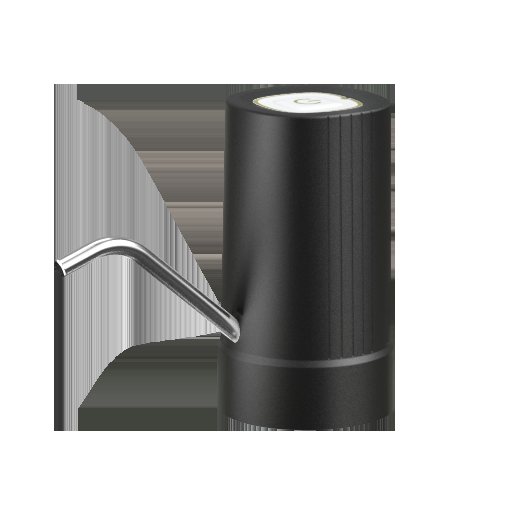
Program Definition
Select a current model direction before discussing logo placement. Product form, battery record, box dimensions and included accessories must refer to one identifiable version.
A supermarket shelf, distributor network and online bulk channel require different artwork, barcode, instruction, carton and complaint-handling records.
Battery level, charging interface, cable, hose, outlet, control function and included parts belong in the approved specification rather than an informal chat summary.
Wholesale only. MOQ starts from 1000 PCS. Final feasibility depends on model, configuration, artwork, packing and order composition.
Recommended Models
Water Dispenser Pumps
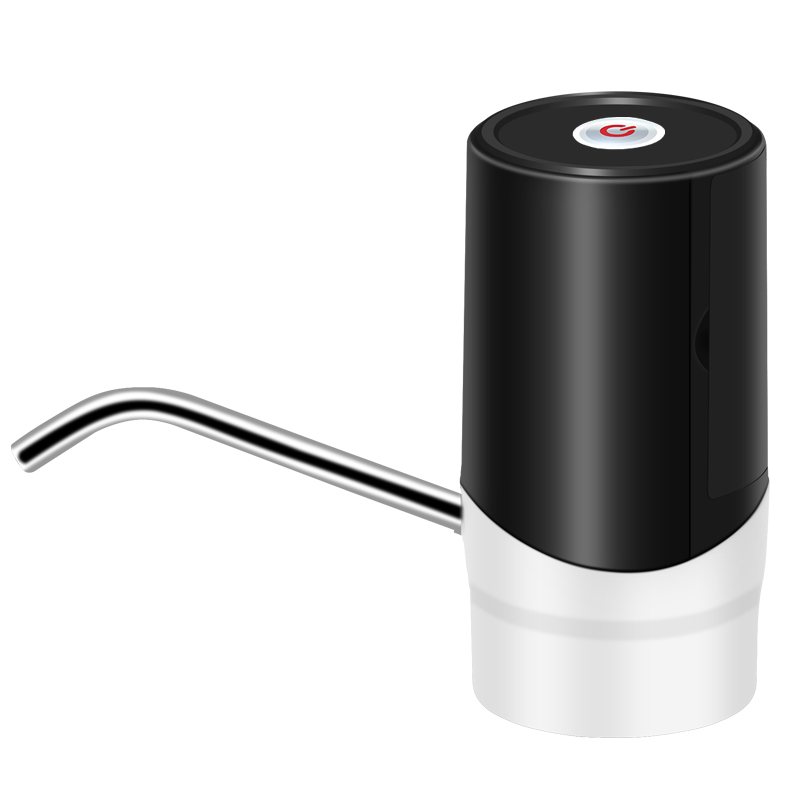
Water Dispenser Pumps
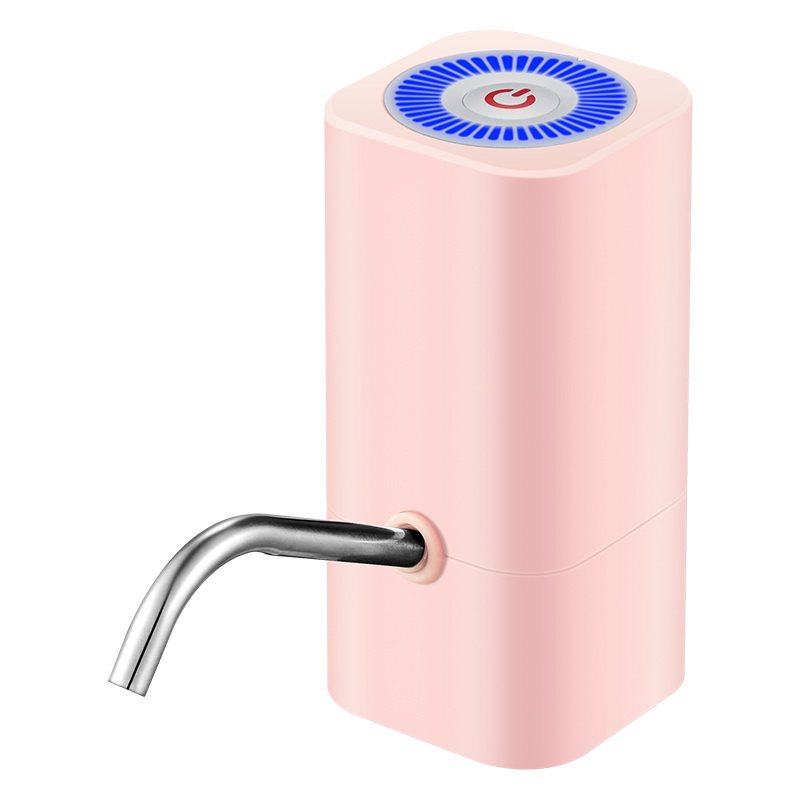
Water Dispenser Pumps
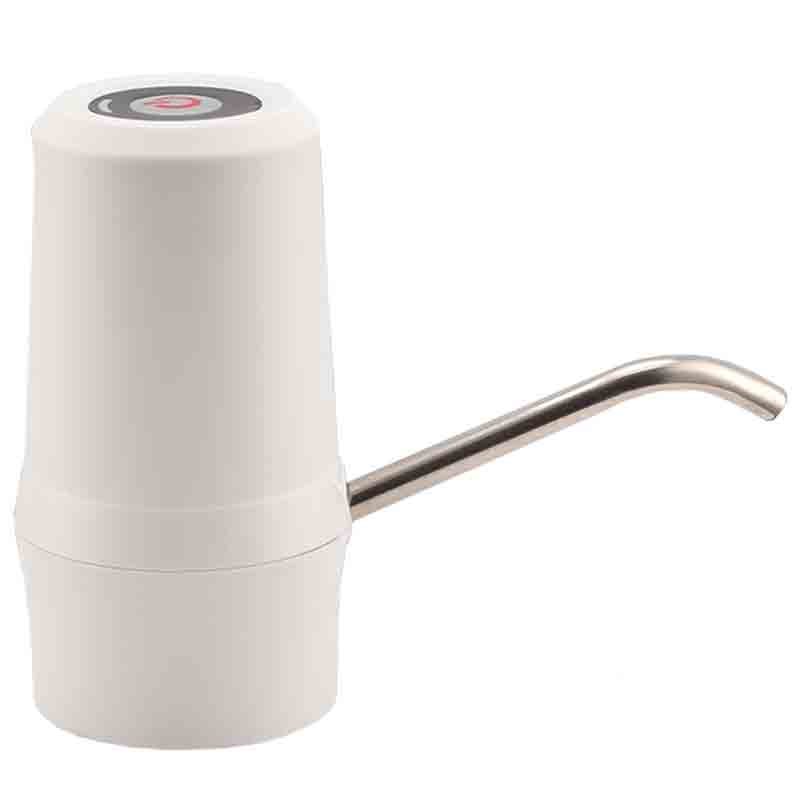
Water Dispenser Pumps
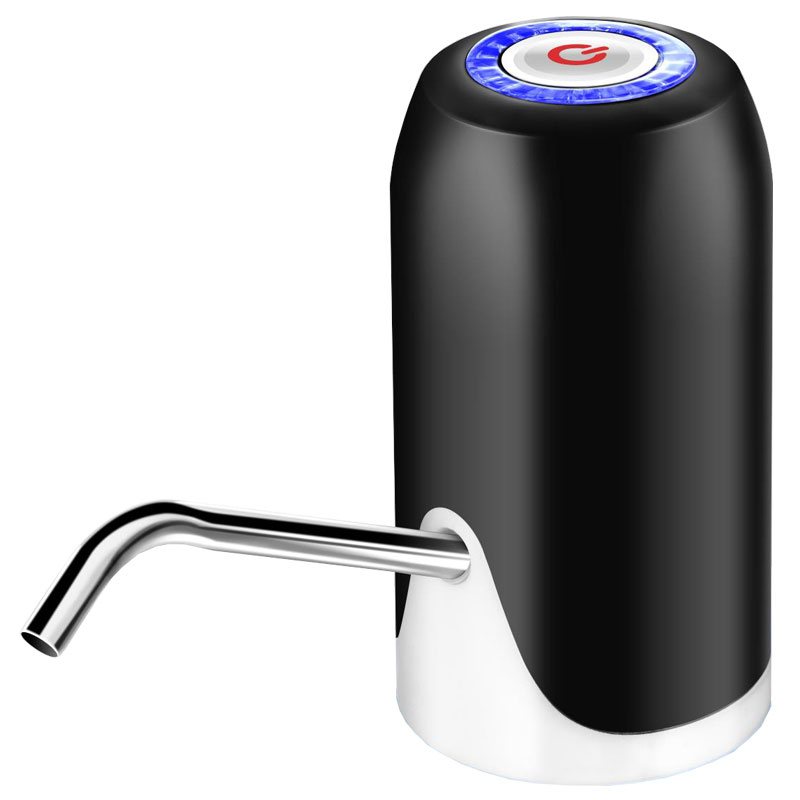
Water Dispenser Pumps
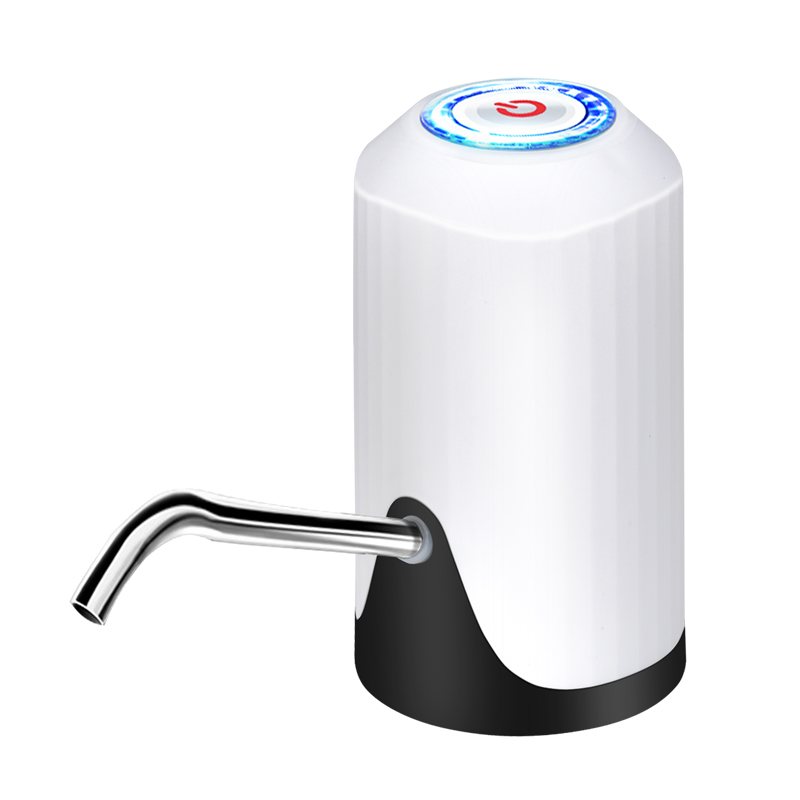
Water Dispenser Pumps
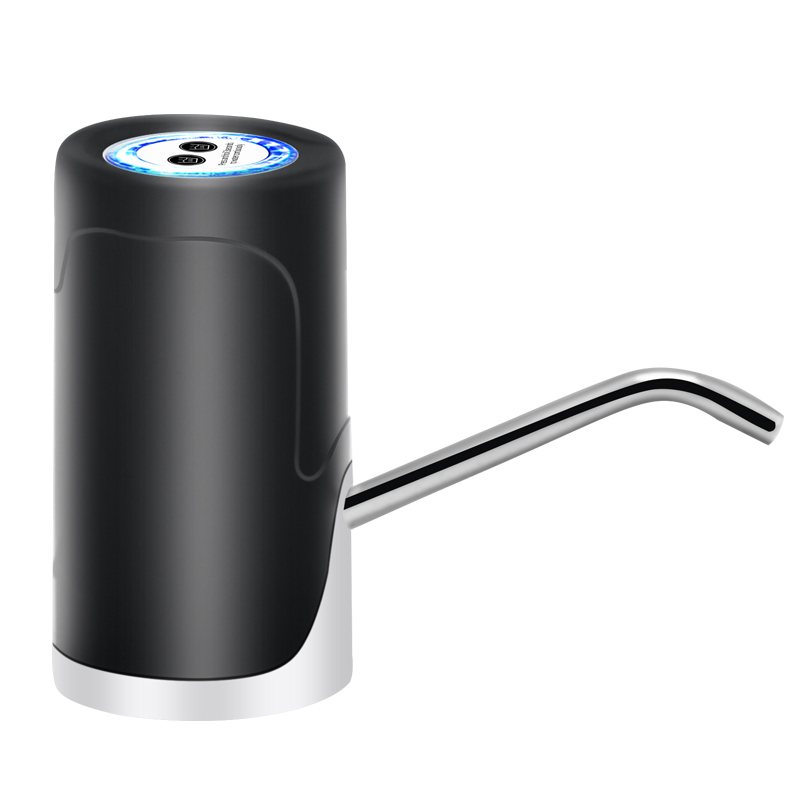
Water Dispenser Pumps
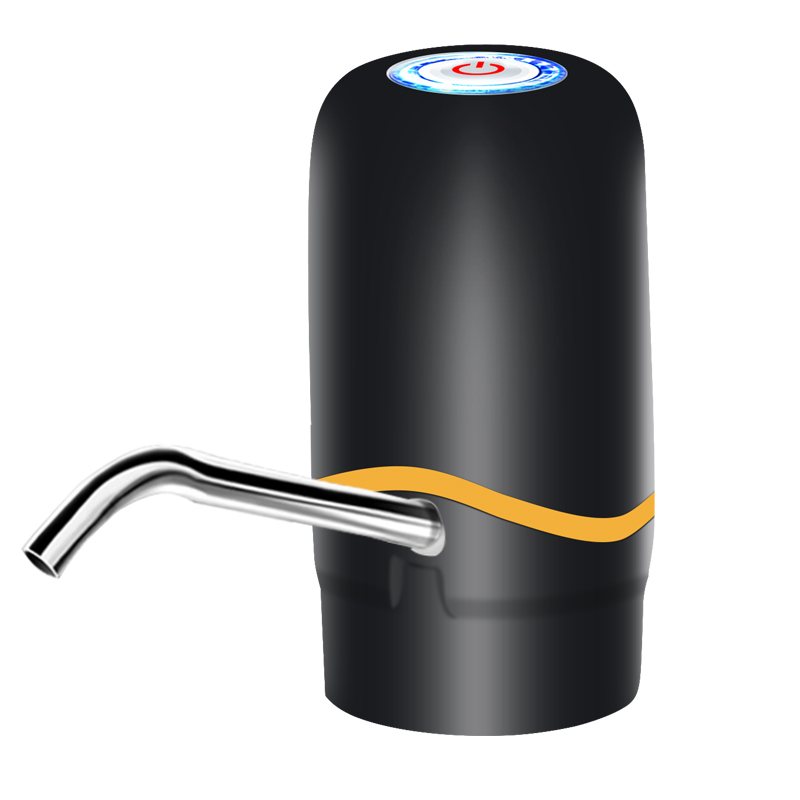
Water Dispenser Pumps
Water Dispenser Pumps
Water Dispenser Pumps
Water Dispenser Pumps
Water Dispenser Pumps
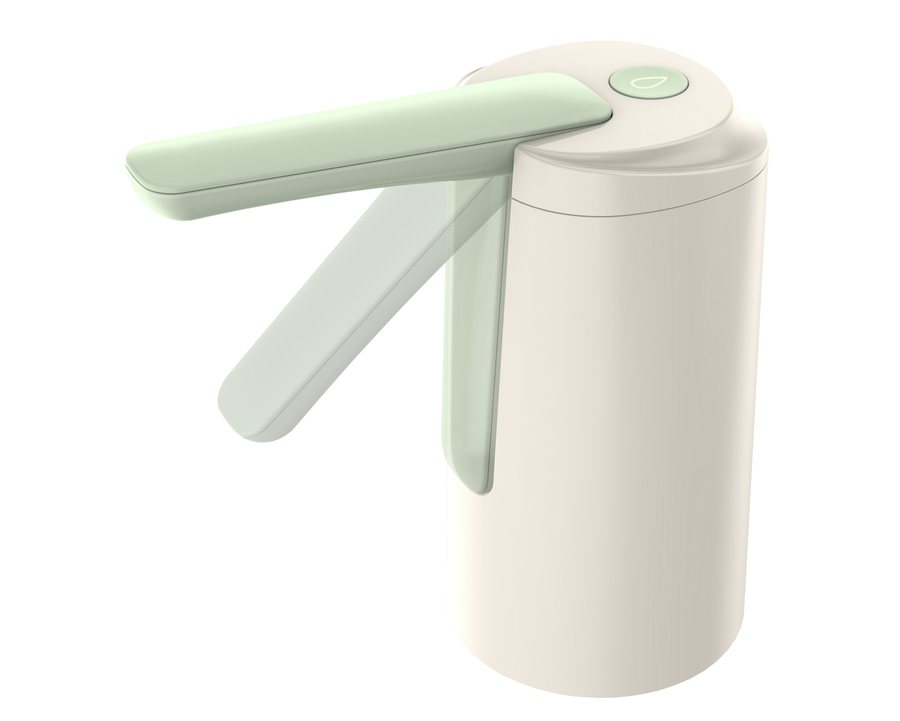
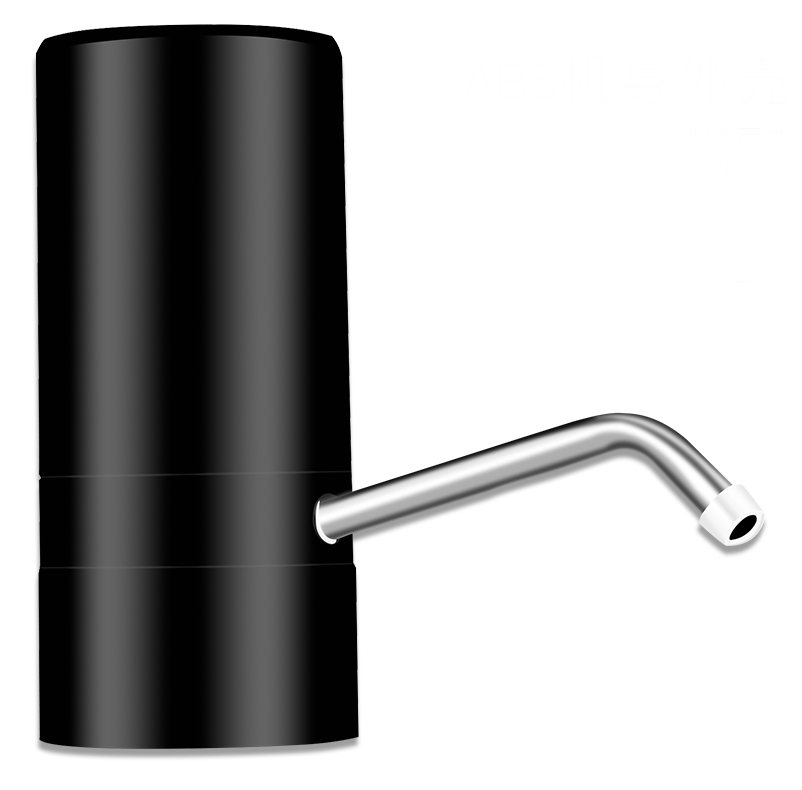
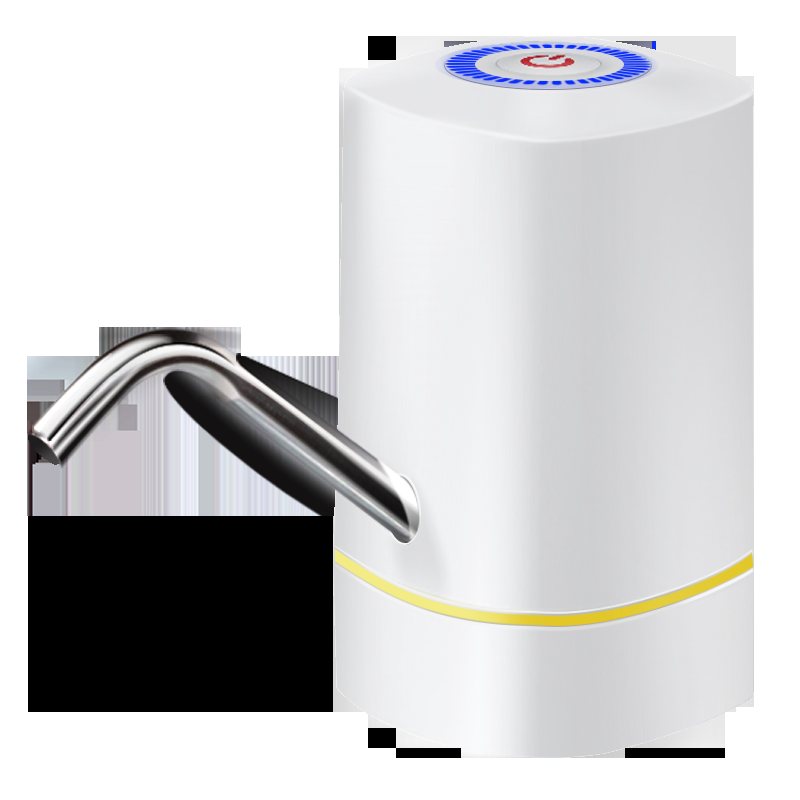
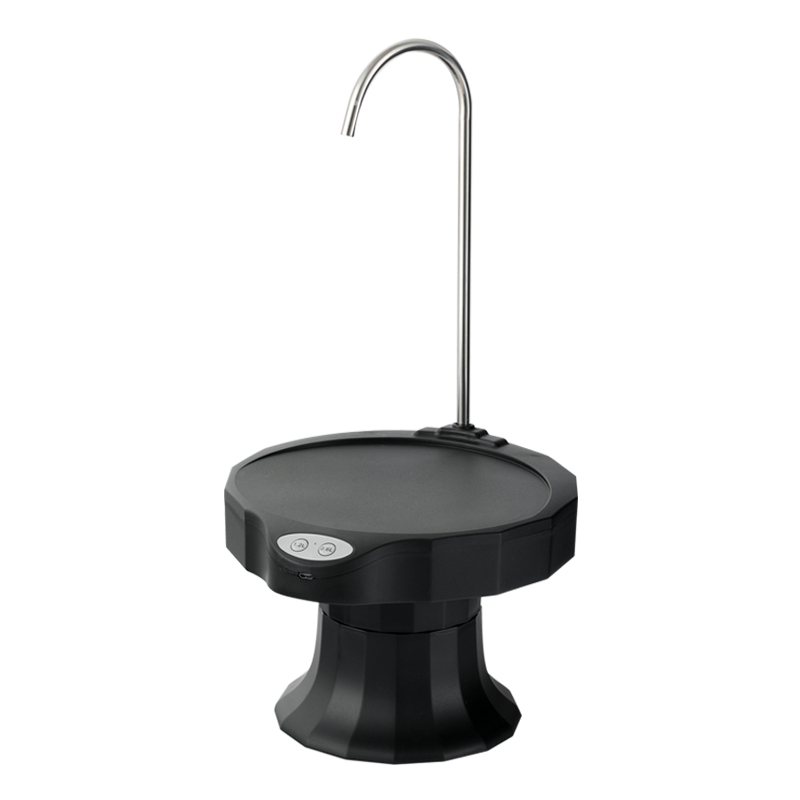
The current water dispenser pump catalog contains multiple product forms and battery records. The routes below help a buyer form a shortlist; they do not replace a model-specific quotation, approved sample or signed specification.
Use this direction when the commercial priority is a compact bottled-water pump with a defined product shape, power record and simple retail pack. Compare the JLB-W15 catalog record with the broader bottled water pump wholesale route. The approved version should still identify the charging cable, hose, outlet, bottle fit, operation and packing list.
For a buyer evaluating an entry rechargeable direction, the catalog records include models such as 012 and K12 with recorded 400mAh battery fields. Battery capacity alone does not define service life or selling suitability. Charging conditions, pumping test method, included cable and customer-use instructions still require approval.
Models including JLB-W08, JLB-W09 and 16 carry recorded 800mAh catalog fields. Use the 800mAh selection page to compare this route, then confirm the exact battery, charging interface, box contents and sample performance for the chosen model.
The H6 catalog record carries a 1200mAh battery field. A higher number should not be treated as a universal quality claim. The buyer should compare product form, intended channel, charge and discharge test conditions, packaging volume and total landed cost before selecting this direction.
These gates keep the approved product, printed materials and shipment connected to the same version. They also separate catalog information from claims that still need written confirmation.
Start with the model selection route. Record the exact model code, target market, intended buyer channel and order quantity. A supermarket program may need barcode, shelf-facing artwork and master-carton labels; a distributor program may prioritize carton handling and repeat supply. A mixed-container order must also state how the water pump line fits the wider assortment.
The approval record should identify operation mode, outlet form, silicone hose, charging cable, bottle interface and every included part. Sample review should cover installation, control response, pumping behavior, leakage observation, noise, stability and cleaning instructions under agreed conditions. The buyer and supplier should write the acceptance method before production so the approved sample and shipment are judged on the same basis.
Rechargeable models require a controlled record for battery capacity, cell or pack identity where applicable, charging input, interface, cable and protection configuration. Use the rechargeable pump matrix for catalog comparison and the battery transport evidence handoff guide for shipment preparation. Evidence must match the selected model and production version; a document from another configuration is not proof for the order.
Logo position, model name, rated information, warnings, barcode, manual language, color box and carton mark should each carry an approved revision. Use the artwork approval workflow and the private-label retail route to keep buyer files and supplier files aligned. Approval should cover both printed content and the physical packing arrangement, including cable, hose and accessories.
Two pumps with similar appearance can have different box and carton volumes. Compare unit pack, master-carton dimensions, quantity per carton, gross weight where recorded, mixed-container allocation and handling risk before using a landed-cost calculation. The water pump mixed-container page, container loading process and quotation comparison sheet help keep assumptions visible. Loading quantity and freight remain commercial estimates until packing and shipping details are confirmed.
The purchase order should reference the approved specification, sample identity and artwork revisions. Before shipment, define sampling, visual checks, function checks, accessory count, label checks, barcode checks, carton checks and treatment of nonconformities. Use the pre-shipment inspection control guide and the component change and traceability guide. Photos and video support verification but do not replace a written result tied to the batch.
A repeat order should reference the last approved version and list every requested or proposed change. Pump, battery, PCB, charging interface, cable, hose, outlet, plastic parts, printed materials and carton structure should not change silently. If field complaints occur, preserve model, batch, evidence and quantities before agreeing corrective action. The quality claim workflow connects the complaint to containment, root-cause review and agreed follow-up.
Linked model pages show recorded catalog fields and images. Missing fields must be confirmed before they become quotation or production facts.
Workshop, warehouse, customer-visit and shipment media support supplier verification. They do not prove that every shown process applies to every pump model.
Battery, material, label and destination documents must match the exact model and market version. No page represents universal certification.
Price, lead time, loading quantity and trade terms become order facts only after the final specification, packing and quantity are confirmed.
Use the water pump quotation guide to identify cost drivers and the supplier comparison sheet to expose exclusions. Compare the same model identity, battery, cable, hose, artwork, packing, inspection scope, quantity and trade term. A lower quotation is not directly comparable when it removes a component, packing requirement or responsibility.
Ask each supplier to mark confirmed items, buyer-supplied files, excluded work and details that remain subject to sample approval. This prevents an early estimate from being mistaken for the final purchase-order version and gives the buyer a usable record when technical, packaging or logistics assumptions change.
Use the supplier evidence request to ask for material that matches the decision being made. The customer order process evidence shows how factory visit, negotiation, inspection, pickup and destination receipt can form one traceable case. Review the factory proof guide to distinguish company verification from product approval.
Model route: exact code or shortlist. Quantity: total pieces and SKU split. Market: country and sales channel. Configuration: battery, charging interface, cable, hose and required functions. Branding: logo and label direction. Packing: neutral or custom color box, barcode, manual language and carton mark. Logistics: destination port and requested trade term. Inspection: buyer or third-party requirement.
Use inquiry code OEMPUMP1000. MOQ starts from 1000 PCS. Wholesale only; retail and single-piece orders are not supported.
Wholesale Only
MOQ starts from 1000 PCS. We do not support retail or single-piece orders.
Identify one catalog route and battery record before approving artwork or comparing quotations.
Production should follow the approved specification, sample and artwork revisions, not an informal message history.