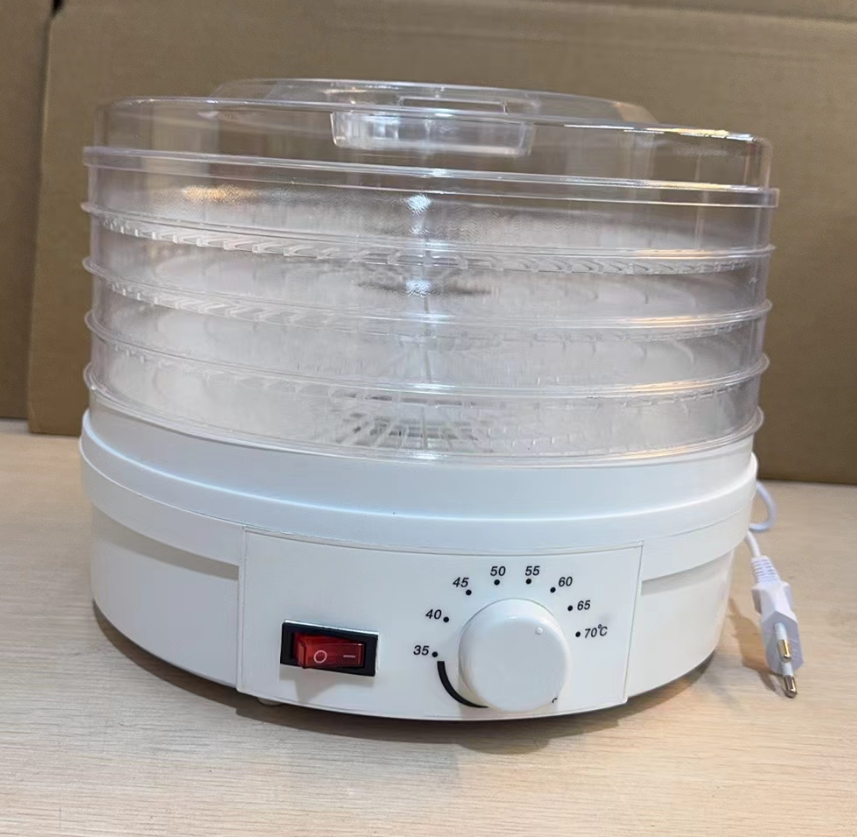
Catalog route
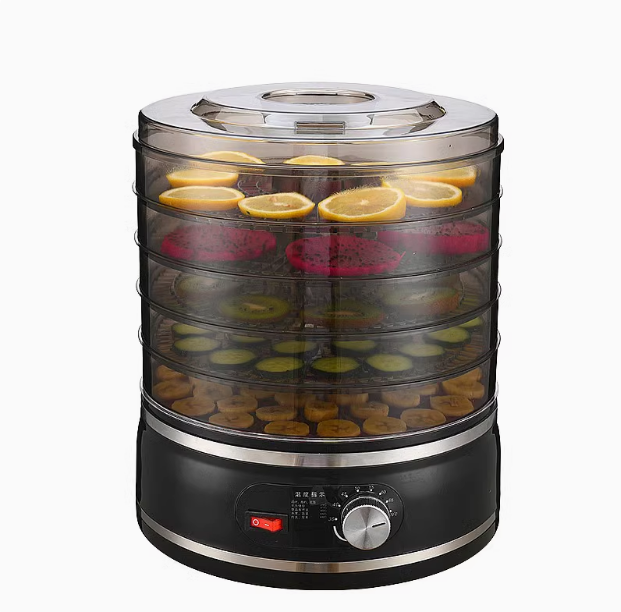
Mechanical Model Diameter 28cm
Public model code: not published- Rack type: Fixed Model
- Rack height: 3.0cm
- Options: Rack Color: Transparent, Matte Black, PP
Turn a showroom sample into a controlled order reference
The source catalog is a selection map, not a complete performance file. Use the exact current sample to record the control interface, rack system, visible construction, electrical identity, operation and packing before mass-production release.
Wholesale only. MOQ starts from 1000 PCS. No public prices, retail or one-piece orders.
Direct procurement answer
The catalog confirms selected route labels and rack references only. For example, the 28cm mechanical and digital routes publish fixed racks with a 3.0cm height reference, while the 32cm mechanical and digital routes publish fixed racks with a 3.5cm height reference. The square mechanical, timer-and-knob and digital routes also publish 3.5cm. These fields do not establish tray count, usable area, temperature accuracy, timer behavior, airflow, noise, drying time or cleaning performance.
| Catalog route | Published records | Published rack reference | Still requires confirmation |
|---|---|---|---|
| Round 28cm | Mechanical and digital | Fixed; 3.0cm; transparent, matte black or PP color wording | Model code, electrical, temperature, timer, layers, materials, packing and evidence |
| Round 32cm | Mechanical and digital | Fixed; 3.5cm; transparent color wording | Model code, electrical, temperature, timer, layers, materials, packing and evidence |
| Square | Mechanical, timer-and-knob and digital | Fixed; 3.5cm | Dimensions, electrical, operating ranges, materials, packing and evidence |
| New retro | One route | Fixed; 3.0cm; transparent, matte black or PP color wording | Model code, exact pictured version, electrical, operation, packing and evidence |
| Generic entry | One catalog record | No public specification | Every commercial and technical field |
Eight structured catalog records
Catalog route
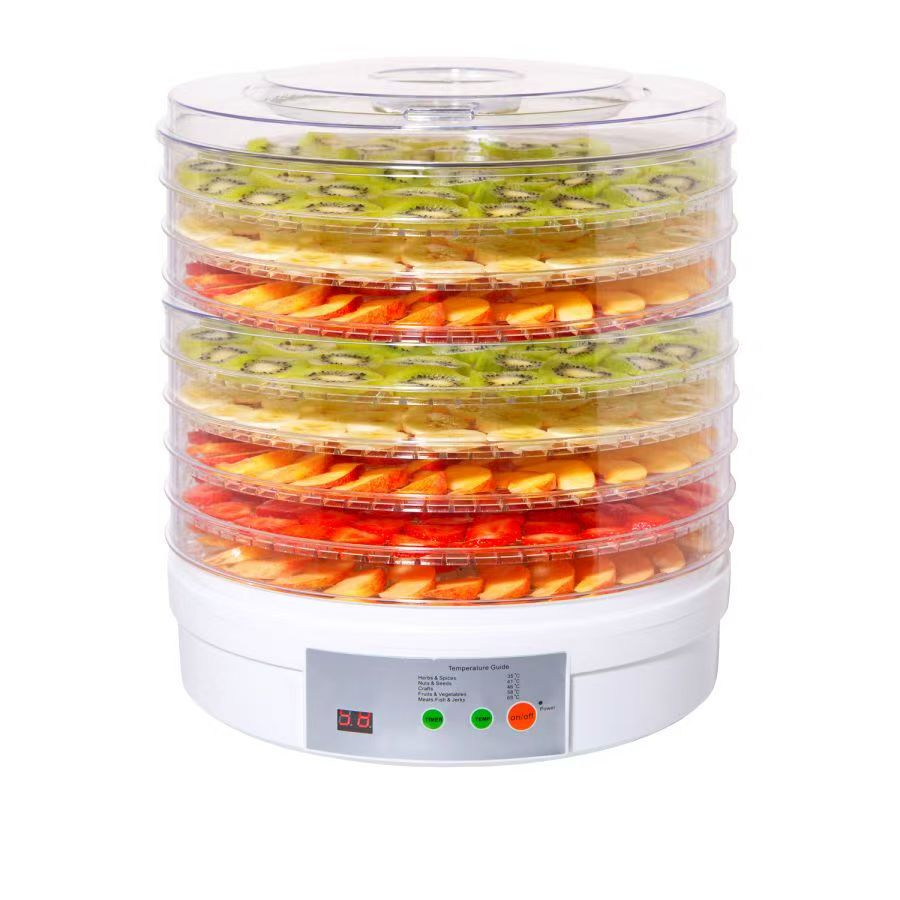
Catalog route
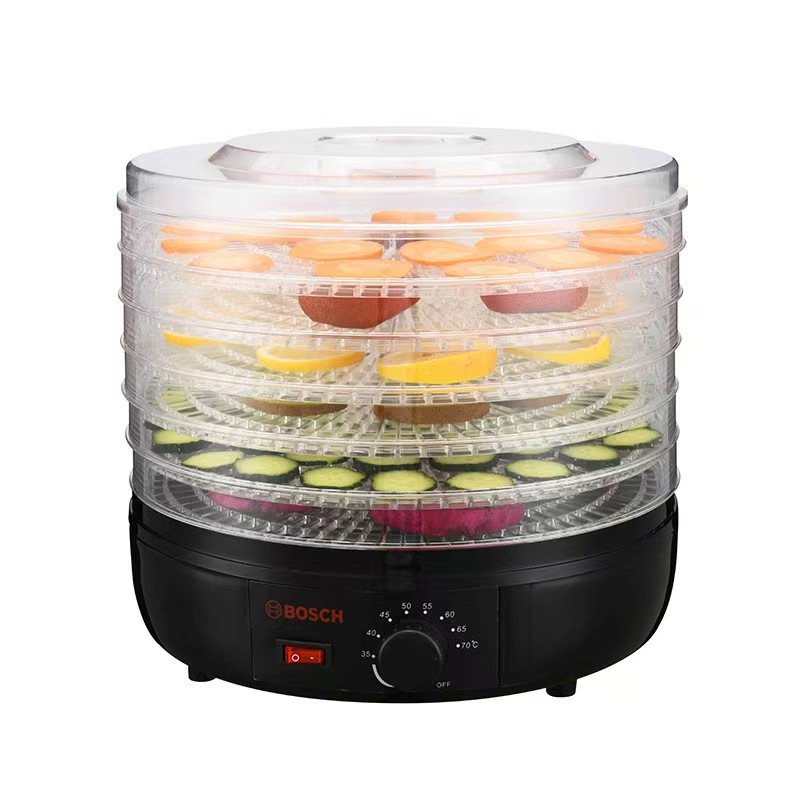
Catalog route
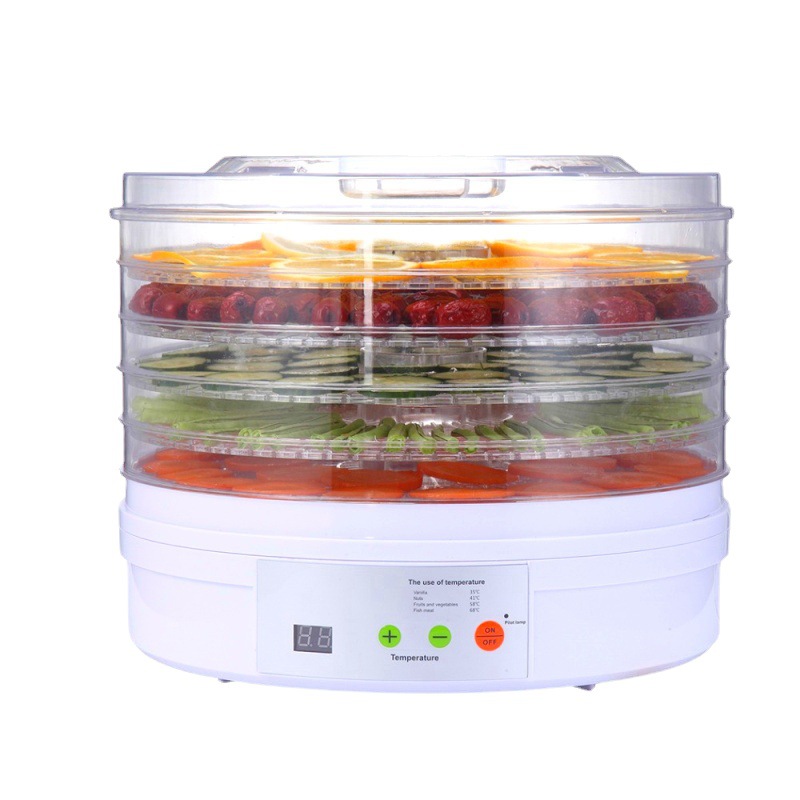
Catalog route
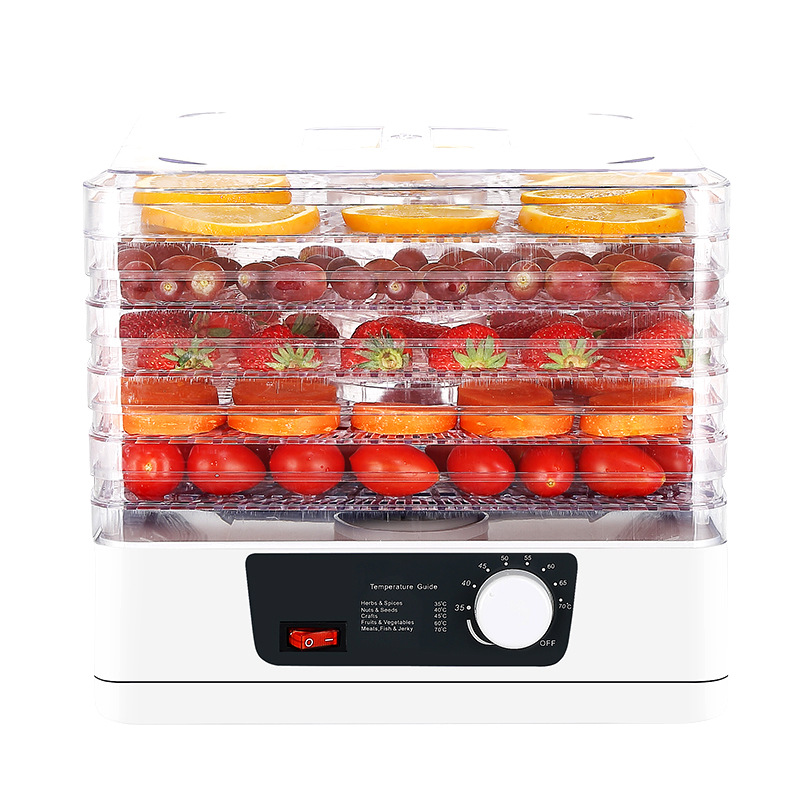
Catalog route
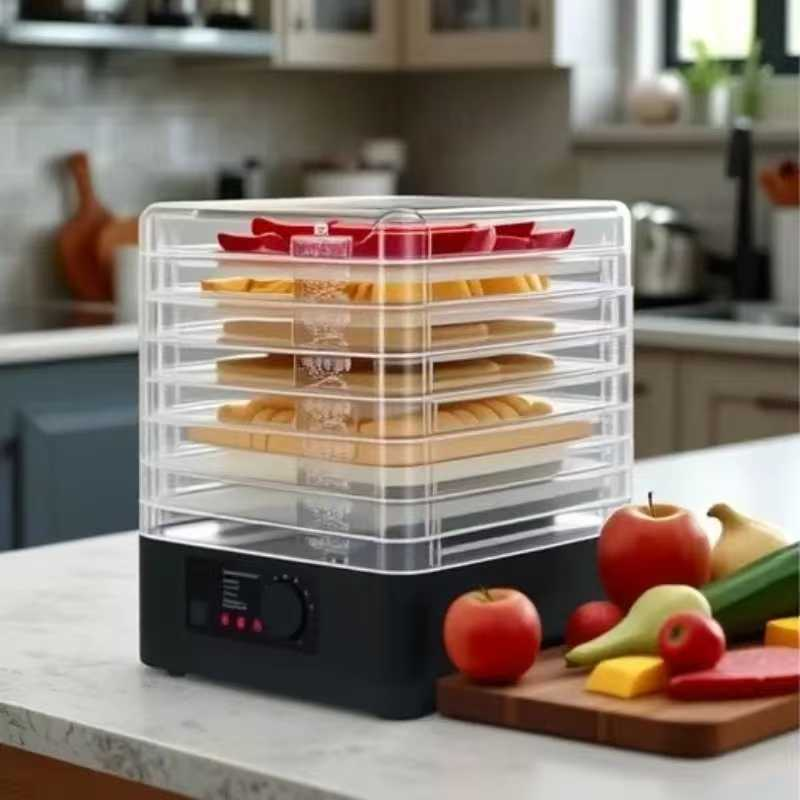
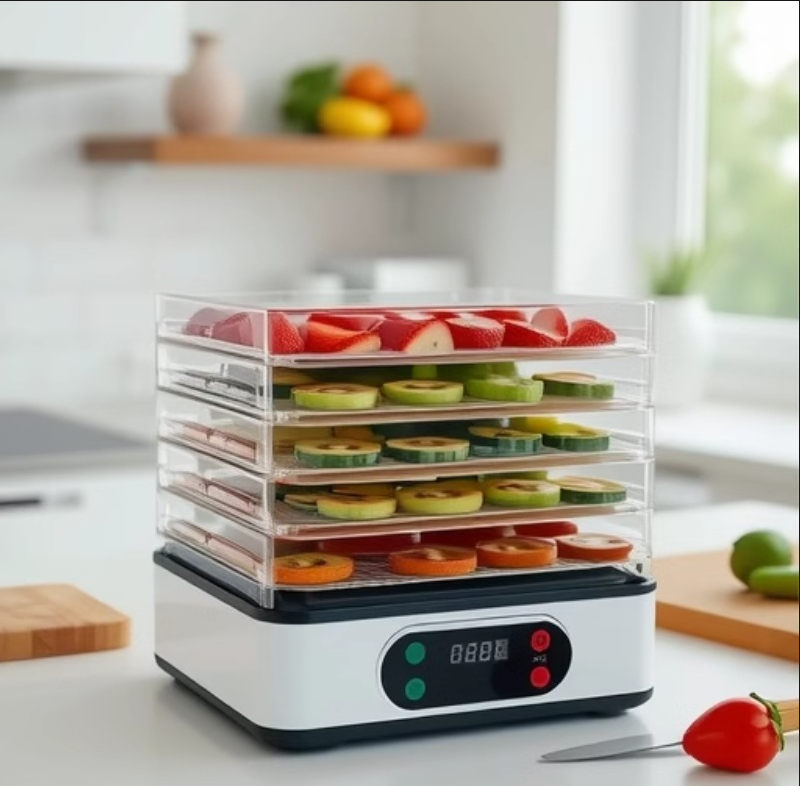
Catalog route
Buyer qualification
Importers, distributors, supermarket buyers, appliance wholesalers and OEM brand owners with a named destination market and bulk-order plan.
Target foods, route, control preference, rack or tray requirement, quantity, country, electrical brief, packaging, destination, evidence and inspection owner.
Available catalog evidence, current sample route, quotation coordination, artwork handover, release status and model-specific order records.
The buyer decides legal market access, local demand, resale price, service and profit. Unconfirmed compliance, supply, delivery and performance are never implied.
Decision controls
Record front, rear, base, controls, label, cord, plug, racks, trays, lid or cover and every included item under one dated sample reference.
Document switch, knob, timer or digital-panel behavior only from the exact sample. List displayed units, adjustment steps, memory or shut-off behavior as observations, not assumptions.
Measure diameter or footprint, rack height, layer count, clearances and fit. Confirm tray material and food-contact scope with current evidence rather than color or appearance.
Translate accepted observations into measurable pre-production and pre-shipment checks, including who records results and how changes are escalated.
Comparable quotation worksheet
A quotation's layer count needs a definition. Separate what is supplied, what is assembled, what the exact version permits and what is actually loaded for the evaluation. These are related records, not interchangeable capacity claims.
The 28cm and 32cm catalog routes identify different sourcing directions. Their diameter and rack-height references do not establish a net loading area, usable food clearance, included tray count or expansion limit. Keep those fields open until the current sample and matching documents resolve them.
| Field | Evidence to record | Do not substitute |
|---|---|---|
| Included trays | Count and identify the trays in the proposed sale-unit BOM; list spare trays, screens and sheets separately. | A photograph or an optional accessory is not the agreed package contents. |
| Assembled trays | Record every tray installed in the evaluated configuration, including empty trays and their positions. | Installed does not mean food-loaded; do not remove required empty trays to match a headline count. |
| Permitted tray configuration | Obtain the manufacturer's documented limits and arrangement for this version, including any permitted expansion and required empty positions. | Physical fit does not establish permission to operate, and an unknown maximum is not unlimited. |
| Food-loaded trays | Identify which installed trays actually carry food in the recorded evaluation, with their individual loading basis. | Do not count an empty tray, a loose spare or a sheet as another loaded tray. |
| Usable area per tray | Keep a dimensioned drawing or measurement record defining the permitted loading boundary and any non-loading regions. Identify the tray and insert used. | Outer diameter, outer footprint and gross geometric area are not automatically the permitted loading surface. |
| Area for the evaluated configuration | If reporting an area total, sum the documented usable areas of the food-loaded trays using the same definition and units. Distinguish available loading surface from the area actually covered by food. | Do not count a liner and its supporting tray twice, or multiply by an unconfirmed expansion count. |
| Usable vertical clearance | Record assembled clearance and any food-height or spacing limits from the matching instructions. | A published rack-height reference is not an approved food thickness or a loading instruction. |
For a documented example of separate fields, NESCO's FD-80 product page distinguishes four included trays from expansion to eight and reports an area per tray. Those are that manufacturer's product statements, not Yaoyuan specifications or evidence that any Yaoyuan route supports expansion. The example illustrates field separation only.
Use Comparable definitions when the tray identities, counting basis, usable-area method and permitted configuration are documented consistently; use Different configurations when the packages or loading arrangements differ; use Evidence pending when a necessary field is missing. None of these statuses approves drying performance or the order.
A larger measured surface is not proof of a heavier food load, faster drying or more finished product. Do not turn the 32cm-to-28cm diameter ratio into an output claim or invent a fixed percentage deduction for usable area. Keep performance evaluation under the existing food-test and sample-approval controls on this page; this worksheet supplies no operating settings, drying results or food-preservation assurance.
Attach the completed record to the comparable private quotation and OEM claim review. A change to the tray set, insert, arrangement or instructions requires the affected comparison and wording to be reviewed again. For an initial discussion, mark unresolved tray-and-area fields "to confirm" and send a tray-and-area clarification brief without inventing a model or quantity.
Before comparing a temperature statement in a quotation or approving it for OEM artwork, write down what it describes. A control setting, a difference between tray positions and variation over time answer different purchasing questions. The catalog's mechanical and digital route names do not establish a temperature-accuracy ranking.
| Proposed statement | What the record must distinguish | What it cannot establish alone |
|---|---|---|
| A setting or display value | Identify whether the interface shows a selected target, a sensed reading or another operating value, using the exact version's instructions. | A control photograph is not a measurement at every tray or inside the food. |
| Similar temperatures across identified positions | Keep the position map, measured quantity, shared comparison period and operating state with the location-labelled readings. | A between-position comparison does not establish stability throughout an operating period. |
| Limited variation at one position over time | Keep the fixed location and time-labelled record together; identify the observation window and operating state. | A stable record at one position does not establish uniformity across the tray set. |
PTB's climatic-chamber calibration guideline treats indication, spatial differences and temporal variation separately, and limits conclusions to their measured scope. This is a metrology reference for the distinction, not a required dehydrator procedure or evidence that a Yaoyuan product was tested under it. Do not import its sensor layout, durations or criteria into an appliance approval by default.
For each proposed claim, attach one claim card to the sample file: exact wording and intended use, catalog route/current sample revision, evidence reference, recorded quantity and units, position/time coverage, and the reviewer responsible for the decision. Keep empty and food-loaded configurations distinct. An air-temperature record is not a food-temperature or food-preservation result.
Use Clarification required when the proposed wording or evidence scope is ambiguous; Additional evidence required when the claim goes beyond the supplied record; or Ready for claim review when the scope is matched and the file can be evaluated against the separately agreed criteria. Ready for review is not approval. Preserve the reviewer, date, decision and any revised wording before artwork release.
Do not resolve a missing measurement by copying another product's specification, averaging unlike records or assuming that a changing reading proves a fault. Agree an appropriate method with qualified reviewers for the exact sample and intended use. This section provides no operating temperature, drying time, numeric tolerance, certification or food-safety assurance. You can start the existing dehydrator sample-approval inquiry while temperature-claim questions remain open; do not invent missing performance values.
Project-specific analysis
The buyer should name the foods, slice thickness, starting condition, target result and batch loading used during evaluation. A sample may appear to operate correctly while producing a different result under another food load. Any temperature, time or capacity statement used in sales material should be tied to a defined test and approved evidence rather than copied from another dehydrator.
A buyer can review loading, controls, rack handling, cleaning access, instruction clarity and visible workmanship. That does not establish electrical safety, food-contact compliance or legal market access. Those decisions require the exact version, destination requirements and appropriate model-specific documents or qualified review.
If a control panel, rack, tray, heater, fan, housing, cord, plug, label, manual or carton changes, the buyer should know which observation and document is affected. The revised item should not enter production under the old approval merely because the overall product still looks similar.
Catalog route, target foods, control type, rack shape and height, layer requirement, quantity, country, voltage, frequency, plug, packaging language, destination port, OEM scope, evidence list, inspection owner and trade term.
Open the structured RFQStrategic cooperation
A useful first order connects the sample protocol to pilot-production evidence, final inspection, arrival condition and customer-service feedback. That creates a repeatable learning loop instead of reducing approval to a few photos exchanged before payment.
No exclusivity, market protection, product availability, compliance status, demand, profit or delivery promise is created by this page. Those terms require separate written review and agreement.
Share the destination, channel, buyer resources, product role, first-order boundary, evidence requirements, service route and repeat-order objective.
Open Strategic Partnership ApplicationContinue the sourcing process
Review eight structured food dehydrator catalog records across 28cm, 32cm, square and retro routes, with clear sample, electrical and packing evidence boundaries.
Plan OEM food dehydrator branding through route selection, sample approval, claims evidence, control-panel language, label, manual, box, carton and change control.
Screen food dehydrator routes for a named Latin American market using buyer-confirmed electrical, language, channel, packing, landed-cost and service requirements.
Separate USA and European food dehydrator projects by electrical version, materials, food-contact scope, labels, claims, destination evidence and buyer approval.
Coordinate food dehydrators with air fryers, blenders, fans or other appliances while preserving separate sample, electrical, packing, inspection and carton-data gates.
Define food dehydrator service identity, rack and tray compatibility, complaint evidence, quarantine, corrective action and repeat-order feedback before launch.
Open the existing country-specific page for a buyer-confirmed Brazil electrical, language, channel, packing and destination brief.
Qualified wholesale inquiry
The structured form preserves route, market and campaign context. WhatsApp is available for follow-up after the required project fields are prepared.