Direct Answer
There is no comparable electric fan wholesale price without a defined platform, motor and electrical version, SKU quantity, accessories, OEM packing, evidence scope, carton volume, timing and trade-term basis. Normalize those blocks first. Then add route-specific landed cost, receiving, channel and warranty assumptions before judging commercial value.
Start with the Exact Fan Platform
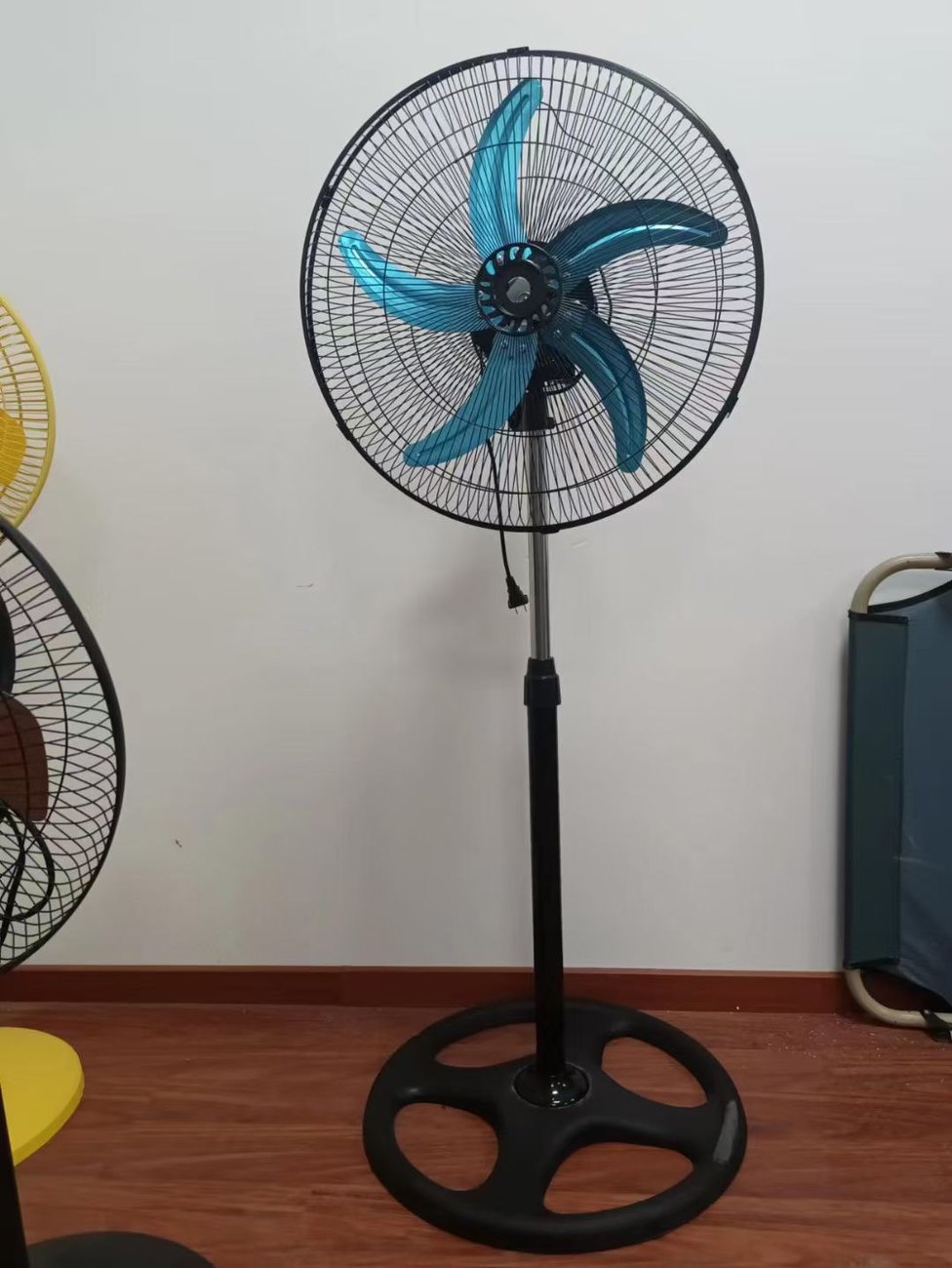
An 18-inch stand fan, 3-in-1 structure, rechargeable fan and solar-supported direction do not share one cost base. Even similar housings can use different motors, controls, blades, stands, charging systems or accessories. A quotation should identify the model and released version rather than relying on a similar product photo.
If the buyer changes blade size, function set, structure or charging direction, the comparison must be restarted. Treating two different platforms as one offer creates a false saving and makes later purchase-order, inspection and claim discussions difficult.
Normalize the Offer Before Comparing Numbers
A useful comparison begins with a common commercial baseline. Ask every supplier to quote the same model platform, blade size, function set, motor direction, voltage, frequency, plug, cord, accessories, labels, packing, SKU quantity, inspection scope, trade term and validity period. If one offer excludes a remote control, stronger carton, market label or agreed evidence, the lower number is not a saving until the missing scope is priced and approved.
Create one comparison row for every released SKU. Record the supplier model, buyer reference, color, electrical version, packaging revision and exact quantity. Keep assumptions in a separate column instead of allowing them to disappear inside email conversations. A description such as “18-inch stand fan” does not identify what the buyer will actually receive.
Minimum normalized offer fields
- Exact platform, blade size, structure and function set
- Motor, control, voltage, frequency, plug and cord version
- Included accessories, labels, manual and spare-part scope
- Unit, color-box and master-carton packing revision
- Quantity by model, color and market version
- Inspection, documentation and evidence deliverables
- EXW, FOB or other agreed basis, currency and validity date
Motor, Control and Structure Are Commercial Variables
The visible fan body does not reveal the complete cost basis. Motor winding direction, thermal protection, speed control, oscillation mechanism, capacitor, wiring, switch or electronic control, stand structure and material selection can differ inside products that look similar. Rechargeable and solar-supported directions introduce battery, charging, adapter, PCB and transport-document questions that do not belong in a basic AC fan comparison.
Release the functional specification before negotiating the final number. When a component option changes, record the commercial effect and issue a new revision. Do not accept an unexplained substitution made only to preserve an old price. For repeat orders, compare the approved component matrix and golden sample with the new offer so that price movement and product change remain separate decisions.
A lower component cost may be commercially reasonable when the buyer knowingly selects a simpler market position. It becomes a risk when the product description remains unchanged while the internal specification moves. The goal is not to demand the most expensive construction; it is to understand which construction supports the intended channel, warranty burden and selling claim.
Separate Market Configuration from Appearance
Plug, voltage, frequency, cord, rating label, manual language and charging accessories affect the deliverable product. A market-ready quotation must include the selected version. Do not compare a generic sample offer with a country-specific order carrying different electrical, labeling or evidence requirements.
Country information is a planning input, not automatic model approval. The exact product, intended use and destination requirements must be confirmed before commercial release. Where documentation is requested, check that it covers the relevant product and model rather than assuming a supplier-level document covers every configuration.
SKU Splits Change More Than the Headline MOQ
MOQ starts from 1000 PCS, but a total order of 1000 pieces is not automatically one efficient production lot. Four colors, two plug versions and two packing languages can create multiple material, printing, assembly and carton identities. Minimum quantities may need confirmation by platform, color, electrical version or packaging revision.
Send a SKU allocation table instead of only the total order quantity. Separate proven volume drivers from test variants. Deeper stock in a smaller number of models can improve production continuity, carton planning and dealer replenishment, while excessive first-order fragmentation can leave every channel short of meaningful stock. If market testing is required, agree which variants use neutral packing and which justify customized materials.
Quantity also changes the allocation of one-time work such as artwork setup, samples, color matching, manuals and inspection preparation. Ask which items are recurring and which belong only to the first order rather than hiding them inside an unexplained unit-price difference.
OEM Cost Should Be Connected to a Brand Plan
OEM work creates value when it supports a real brand and distribution plan. Define the logo position, rating label, instruction language, color-box artwork, barcode, carton mark, warranty information and approved claims. Confirm who supplies content, who checks the proof, which revision is released and what happens to obsolete materials after a change.
Customized packing can involve minimum print quantities, proof samples, plates, cylinders or setup charges depending on the process and supplier. The correct question is not simply whether OEM is free. It is whether the packaging scope is complete, commercially justified and controlled. A low quotation that omits artwork proofing, market information or old-version handling can create relabeling, delay or channel rejection later.
For a first test order, neutral packing with controlled labels may be more practical than a full private-label package. For an established distributor, consistent branded materials can support recognition and repeat sales. The choice should follow the buyer’s market plan, not a generic rule.
Quality Evidence Has a Defined Scope and Cost
Quality control is not one undefined line item. State which references and records are required: approved sample, specification sheet, component matrix, first-article confirmation, production photos, quantity reconciliation, pre-shipment inspection, carton marks, loading evidence or other agreed documents. Each deliverable needs an owner, timing and acceptance basis.
Evidence must remain within its real boundary. Supplier-level factory material does not prove every model. A sample result does not prove an entire shipment. A certificate or report should be checked for product identity, model coverage, standard, applicant or manufacturer, issue status and target-market relevance. Yaoyuan Electric can coordinate available documentation and model-specific review, but certification and market acceptance depend on the exact product and destination requirements.
If an independent inspection is requested, identify who appoints the inspector, which checklist applies, how the lot and sample are defined, and how findings affect shipment release. Comparing one offer with inspection and another without it produces a false price difference.
Carton Volume Can Reverse a Unit-Price Advantage
Electric fans are often volume-sensitive. Record packed product dimensions, units per master carton, carton dimensions, gross weight, net weight and loading assumptions for every SKU. Calculate cubic volume using released packing data rather than a showroom sample or estimated carton. A small unit-price saving can disappear when a larger carton reduces units per container or increases destination handling.
Nominal container capacity is not the same as usable loading capacity. SKU mix, carton orientation, weight distribution, fragile areas and loading sequence affect the final count. Treat container planning as a scenario until packing is approved and loading is reconciled. If the carton changes, revise both freight allocation and stock planning.
Also review protection. Removing inserts or reducing carton strength may lower the factory number but increase crush, abrasion, missing-parts or assembly claims. The commercial comparison should include expected receiving and after-sales burden, not only outbound cube.
Seasonal Timing Is Part of Commercial Value
If the realistic warehouse date falls after the buyer's documented dealer-ready cutoff, compare the resulting inventory and promotion exposure with the quoted price instead of treating unit cost alone as the decision. Work backward from the buyer's target date through destination receiving, customs planning, sailing or transit, loading, inspection, packing, production and sample or artwork approval. Keep factory-ready, shipment and buyer-launch dates separate.
Capacity, material availability and freight conditions can change. A quotation should state the assumptions behind the schedule and the events that start production timing. Buyer delays in sample approval, artwork, payment, final specification or shipping instruction can move the plan. No supplier can responsibly guarantee an unconditional arrival date when production, carrier, port, customs and destination handling involve different parties.
For seasonal orders, compare the cost of late arrival, lost dealer allocation, discounting and carryover stock with the value of earlier commitment. This does not mean ordering blindly. It means treating forecast, capacity reservation and purchase-order release as connected commercial decisions.
Quotation Validity and Revision Control
A private factory quotation is a dated commercial document, not a permanent public price. It should identify the currency, trade term, model revision, quantities, packing, payment basis, validity period and important exclusions. Freight, exchange rates, materials, packing and logistics conditions can move, so an expired offer must be reconfirmed before a purchase order is released.
Number quotation revisions and preserve the change reason. If the buyer changes color allocation, motor direction, accessories, packing or destination term, issue a revised comparison rather than editing an old figure without history. The accepted quotation should match the purchase order, technical annex, approved sample and packing proof.
Move from Factory Price to Landed and Market Cost
Factory price is only one part of the buyer’s decision. Build a route-specific landed-cost sheet that can include product value, origin handling, freight, insurance, destination charges, customs-value treatment, duties or taxes, clearance, inland delivery, inspection, receiving, storage and channel preparation. Applicable items depend on the route and buyer arrangement; obtain current information from the relevant service providers and authorities.
Then test market economics. Add dealer margin, sales support, warranty provision, promotion, credit terms, slow stock and expected claims where relevant. Use scenarios rather than a single guaranteed profit number. A commercially strong offer leaves enough room for the buyer’s actual channel while maintaining the product and service level required for repeat orders.
Yaoyuan Electric can discuss product scope, packing, order structure and factory quotation. Freight, customs, local selling prices, market demand and buyer profit remain external or buyer-controlled variables and cannot be guaranteed by the factory.
Negotiate Scope, Not an Undefined Number
When the target cost and current offer do not align, identify the gap by commercial block. Review model platform, functions, materials, accessory set, color depth, packing, order quantity, evidence scope, shipment timing and trade term. Approve only changes that preserve the buyer’s intended market position and required evidence.
A useful negotiation produces a written version that both parties understand. It does not rely on a temporary discount attached to an incomplete specification. Strategic cooperation develops when the supplier and buyer can discuss cost drivers openly, protect the released configuration and improve the next order using real sell-through, claim and replenishment data.
Commercial Review Checklist
- Exact model, structure, blade size and functions
- Motor, control and released component direction
- Plug, voltage, frequency, cord and market labels
- Accessories, manual and spare-part scope
- Neutral or OEM packing revision
- Quantity by model, color and electrical version
- Inspection and evidence requirements
- Carton data and loading assumptions
- Trade term, currency, validity and target timing
- Route-specific landed-cost and channel assumptions
Private Wholesale Quotation
Yaoyuan Electric supplies electric fans for importers, distributors, appliance dealers, supermarkets and OEM brand customers. MOQ starts from 1000 PCS and must be reviewed by model and configuration. Wholesale only; retail and one-piece orders are not accepted.
Send the country, exact model or blade-size direction, quantity by SKU, voltage, frequency, plug, functions, accessories, packing, evidence requirement, trade term, destination port and target selling month. We will normalize the scope before preparing a private, time-bound factory quotation.