Direct Answer
To request a useful fan quotation, send the model or required use, total quantity, country of sale, target selling month, plug, voltage, packing, OEM request, trade term and destination port. The factory may need to clarify carton, loading and compliance details before the offers are truly comparable.
Identify the Product Direction
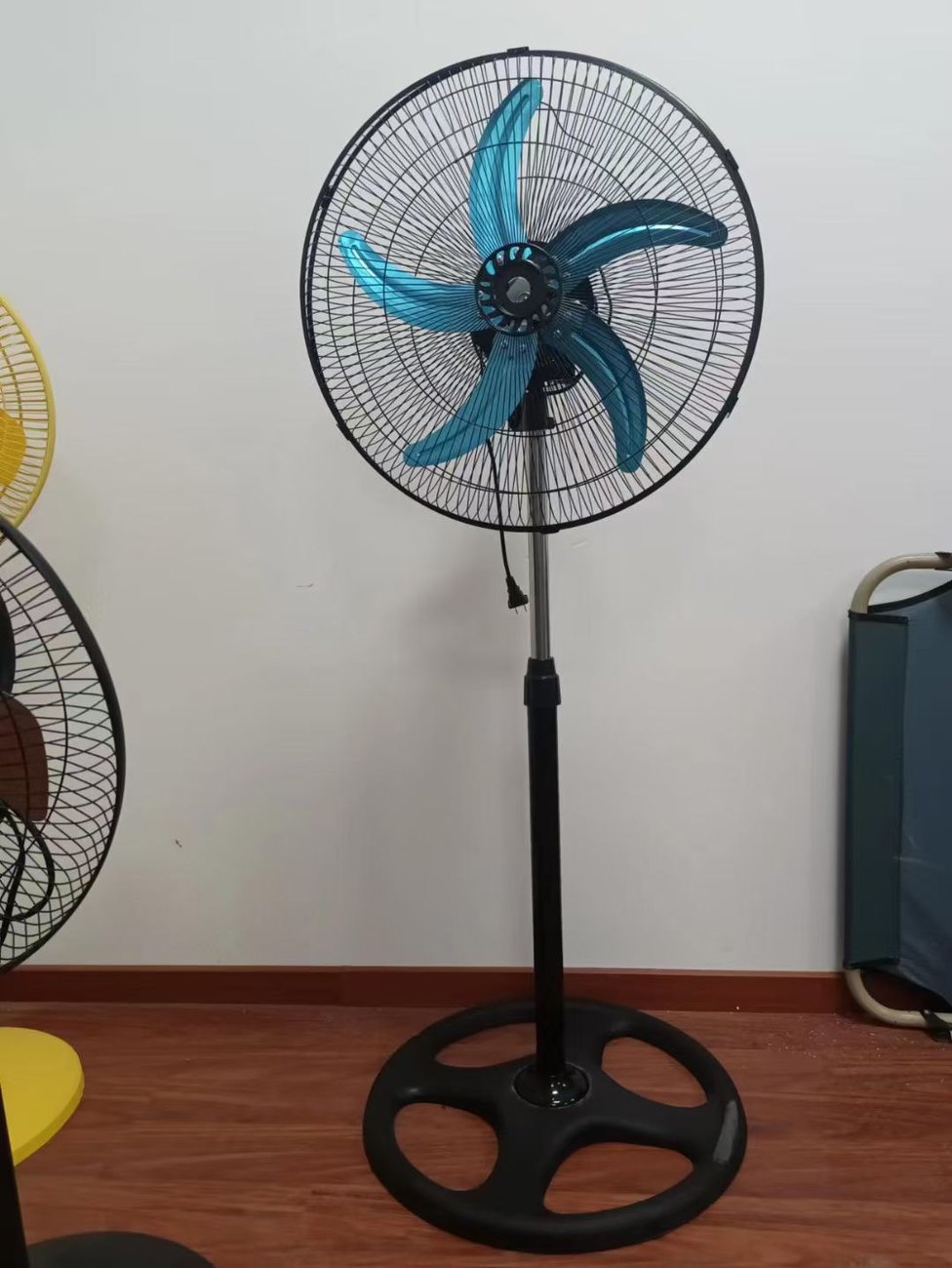
Send a model link, photo or clear requirement such as 18-inch stand fan, 3-in-1 fan, rechargeable fan or solar direction. State the sales channel and customer problem the product should solve.
If the buyer asks for the cheapest fan without a target structure or market, suppliers may quote different products. The resulting prices cannot support a reliable decision.
State Quantity by Model and Version
MOQ starts from 1000 PCS and must be reviewed by model and configuration. Separate quantities for colors, plugs, voltage versions and packing variants.
A total project quantity does not show whether each SKU is producible or commercially useful. Quantity depth also affects carton planning and dealer coverage.
Define Market Configuration
Provide country of sale, rated voltage, frequency, plug and any required language or market labels. Certification requirements depend on the model and destination market and should be raised before order release.
Do not assume a supplier included the same electrical version or documents merely because the model name is similar.
Specify Packing and Branding
Choose neutral packing or OEM requirements and state color box, manual, barcode, carton mark and importer-information needs. Artwork development and printing can affect timing and commercial terms.
If packing is not defined, compare offers only as preliminary indications. A finished OEM product cannot be evaluated against a basic neutral-pack offer without adjustment.
Use One Trade-Term Basis
State whether the discussion requires EXW, FOB or another agreed basis and name the destination port when logistics information is needed. Unit price alone does not reveal which costs and responsibilities are included.
Freight, schedules and port costs change. Use current quotes from responsible providers for the actual shipment and record the validity period of each commercial offer.
Compare the Complete Offer
Review model configuration, included accessories, packing, carton quantity, estimated loading, production conditions, payment terms and quotation validity. Confirm what remains subject to sample or artwork approval.
The lowest visible unit price is not automatically the lowest landed or market cost. Compare damage risk, loading volume, service burden and sell-through role before choosing.
Send a Decision-Ready Inquiry
A complete request reduces repeated messages and helps both sides judge whether the project is realistic. It also gives the buyer a record for comparing revised quotations.
Yaoyuan Electric provides private wholesale quotations; prices are not displayed publicly. Retail and one-piece orders are not accepted.
Confirm Buyer and Project Fit First
State the company name, country, buyer type and sales channel. An importer, distributor, supermarket group, appliance dealer and OEM brand owner may need different products, packing and evidence. Explain whether this is an initial market test, repeat order, replacement supplier, seasonal program or multi-category container.
Provide a realistic quantity and purchasing stage. MOQ starts from 1000 PCS, but model, color, electrical version and OEM packing splits require confirmation. A request for hundreds of configurations inside one thousand pieces may not be commercially or operationally equivalent to one stable SKU.
Identify who will make the decision and the required quotation date. Serious urgency should be connected to an actual selling month, stockout, tender or warehouse deadline rather than an unsupported request for an immediate “best price.”
Use an RFQ Scope Matrix
| RFQ block | Information to send | Why it changes the offer |
|---|---|---|
| Product | Fan type, size, construction, speeds, timer, oscillation, remote, rechargeable or solar direction. | Defines the actual functional and component baseline. |
| Market version | Country, voltage, frequency, plug, language, labels and document requirements. | Separates configurations that cannot be assumed from a photo. |
| Quantity | Units by model, color, plug and packing version plus repeat-order outlook. | Supports MOQ, production and container planning. |
| OEM packing | Neutral or private label, logo, color box, manual, barcode and carton marks. | Changes artwork, proof, printing and packing scope. |
| Quality evidence | Sample, inspection, function checks, documents and change-control expectations. | Defines what must be prepared and verified. |
| Commercial route | Trade-term basis, named place or port, payment discussion, validity and required documents. | Makes price inclusions and responsibilities comparable. |
| Timing | Target selling month, warehouse-ready date, shipment window and destination port. | Tests whether production and logistics planning fit the market window. |
Normalize What the Price Includes
Ask each supplier to state the exact fan model and revision, included accessories, electrical version, packing, units per carton, estimated carton dimensions, quotation currency, trade-term basis, named place or port, payment discussion, validity and open assumptions. Mark every item that remains subject to sample, artwork, material or inspection confirmation.
Separate base product, selected options, OEM development, special testing, inspection, documentation, tooling or other project-specific scope where relevant. The purpose is not to force every cost into one format; it is to expose which commercial responsibilities are inside or outside each offer.
A lower unit price may reflect a different motor or control direction, simpler packing, excluded accessories, different carton quantity or less evidence work. Use the fan component baseline and OEM packing control to normalize those differences.
State the Evidence and Approval Stage
Tell the factory whether the buyer is selecting from catalog models, comparing an existing sample, requesting a revised sample or repeating an approved order. Identify available product photos, reference samples, specification sheets, artwork, barcodes, manuals and local requirements. A mature repeat order should not be quoted as if the product definition were still open.
For certification or compliance, name the exact market requirement and ask what documents can be discussed for the selected model. Do not request a list of every possible certificate and then assume all apply. A component document or another model's report does not automatically cover the finished fan.
State the required sample and inspection route. If numeric noise, airflow, power or other performance criteria matter, define the method before quotation. Evidence work can affect sample, production and timing.
Separate Factory Date, Shipment Date and Selling Date
A target selling month is not the same as a factory completion date. Work backward from destination receiving, customs and inland handling, ocean or other transport, origin booking, loading, inspection, packing and production. Identify the buyer's warehouse-ready deadline and the remaining contingency.
Ask for current production conditions and a decision schedule rather than an unconditional delivery promise. Buyer approvals for sample, artwork, barcode, packaging or payment can also affect the timeline. Use the fan warehouse-ready date framework to align milestones.
Control Quotation Revisions
Give the RFQ and every returned quotation a date and revision. Record the assumptions changed between versions: model, component, quantity, packing, trade term, validity, timing or evidence. Do not compare an early neutral-packing indication with a later OEM order scope as though only price changed.
When the buyer selects an offer, convert the accepted scope into a controlled order baseline. Open items should have an owner and deadline. Preserve rejected options and previous revisions for reference, but mark them clearly so they cannot return to production by mistake.
A quotation is not a certification, inspection report, shipping guarantee or promise of market profit. It is a time-bound commercial proposal based on the information and assumptions stated.
Use the Quotation to Test the Business Case
After receiving comparable offers, connect the selected fan cost to carton quantity, estimated loading, freight basis, duties or taxes where applicable, destination charges, inland delivery, receiving, sales channel cost, warranty reserve and target margin. Use current professional inputs for costs outside the factory's control.
The cheapest product is not always the lowest landed or operating cost. Stock depth, seasonal timing, damage risk, assembly complexity, spare parts, dealer support and repeat supply can change the commercial result. The fan landed-cost guide and distributor margin plan help carry the quotation into a market decision.
Close a Quotation Acceptance Gate
Before treating an offer as accepted, confirm the quotation revision, exact fan SKU and market version, quantity splits, sample or specification reference, accessories, OEM packing scope, units per carton where available, inspection direction, currency, trade term and named place, payment discussion, validity and target timing. List every item still subject to artwork, sample, document, material or production confirmation.
Convert the accepted commercial scope into the purchase-order and release records used by both sides. A screenshot of the unit price is not a complete order definition. If a selected option, quantity or market version changes later, issue a revised commercial record and assess its effect on packing, loading, evidence, cost and timing before production proceeds.
Buyer Checklist
- Model or product direction
- Quantity by SKU
- Country and sales channel
- Target selling month
- Plug, voltage and frequency
- Neutral or OEM packing
- Trade term and destination port
- Required quotation deadline
Factory Discussion and MOQ
Yaoyuan Electric supplies electric fans for importers, distributors, appliance dealers, supermarkets and OEM brand customers. MOQ starts from 1000 PCS and must be reviewed by model and configuration. Wholesale only; retail and one-piece orders are not accepted.
Send company, buyer type, product direction, quantity by SKU, country, electrical version, packing, inspection scope, trade-term basis, target selling month and destination port for a private quotation. Final technical, compliance, production and shipment details remain subject to the selected model and confirmed order requirements.