Buyer Channel
Define importer, distributor, supermarket, appliance-dealer, food-service or private-label use before selecting models. One range should solve a named channel problem instead of collecting unrelated capacities and wattages.
Blender Wholesale Range Planning
Use this planning brief after catalog discovery to assign each selected blender route one buyer-channel role, one intended-use protocol and one controlled quotation basis.
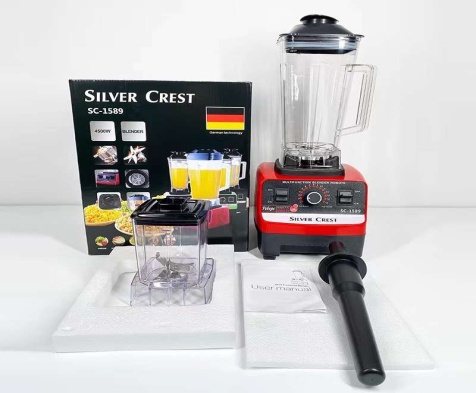
Buyer Decision
Define importer, distributor, supermarket, appliance-dealer, food-service or private-label use before selecting models. One range should solve a named channel problem instead of collecting unrelated capacities and wattages.
Assign each candidate an entry, core, multifunction, specialist or premium role. Compare overlap before adding another model, then allocate quantity only after the role and evidence burden are understood.
Freeze the exact jar, lid, blade, coupling, motor, controls, accessories and intended ingredient test on a current sample. Published wattage or capacity alone does not prove result, duty cycle or commercial suitability.
Wholesale only. MOQ starts from 1000 PCS. The buyer supplies channel, competitor, landed-cost and sell-through evidence; the factory coordinates available model, sample, packing, production and inspection resources without guaranteeing demand, margin or profit.
Destination Sourcing Plans
A range role is not an export-ready version. Open the destination route before approving the electrical build, language files, packing and importer evidence.
Continue with a separately confirmed 120V/60Hz construction, intended ingredient and duty-cycle protocol, English files, importer evidence, inspection and service responsibilities.
Name the destination country before approving voltage, frequency, plug, Spanish or Portuguese files, packing, import inputs and landed-cost comparison.
Connect intended foods, electrical identity, food-contact parts, technical evidence, economic-operator files, country languages, OEM artwork and batch release for the exact SKU.
Catalog Candidates
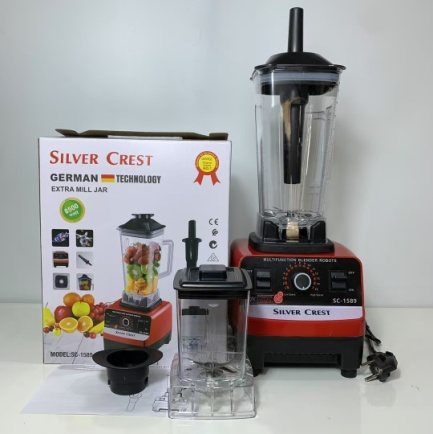
Blenders & Juicers
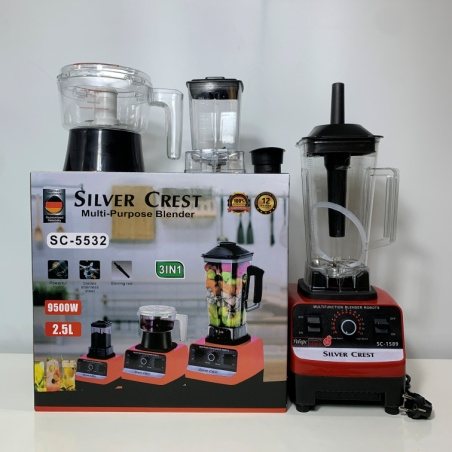
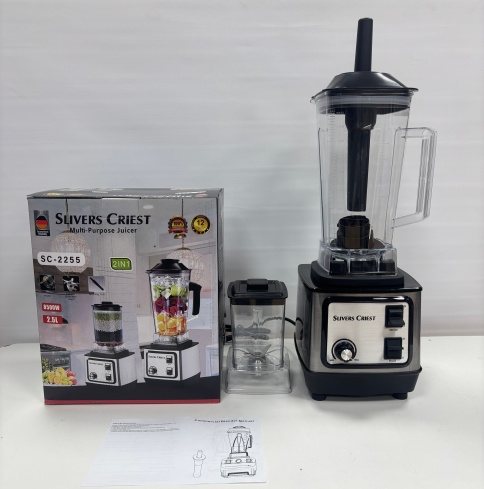
Blenders & Juicers
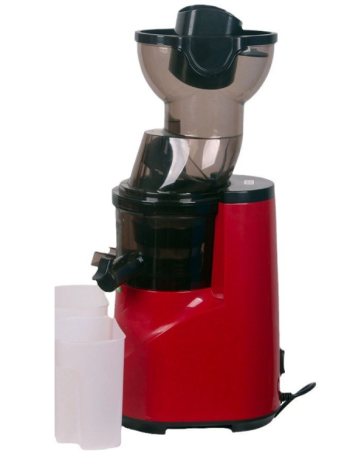
Blenders & Juicers
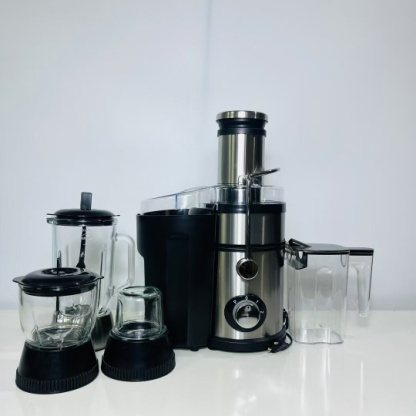
Blenders & Juicers
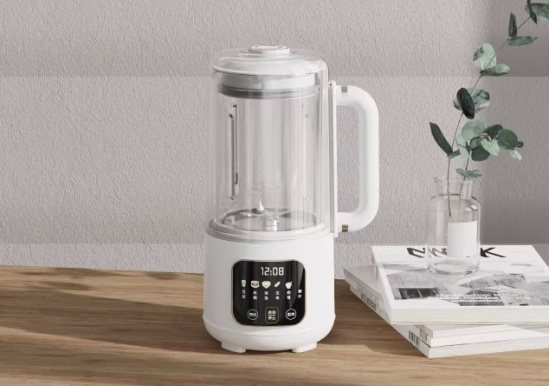
Blenders & Juicers
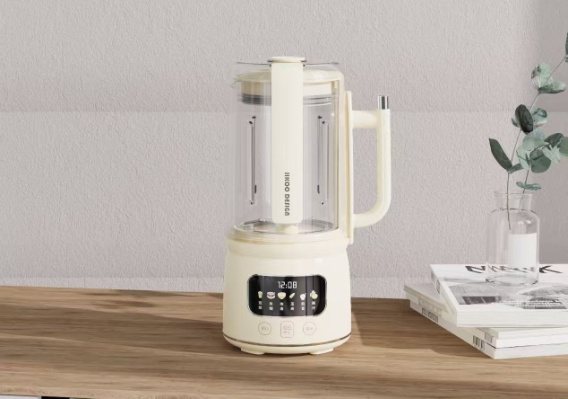
Blenders & Juicers
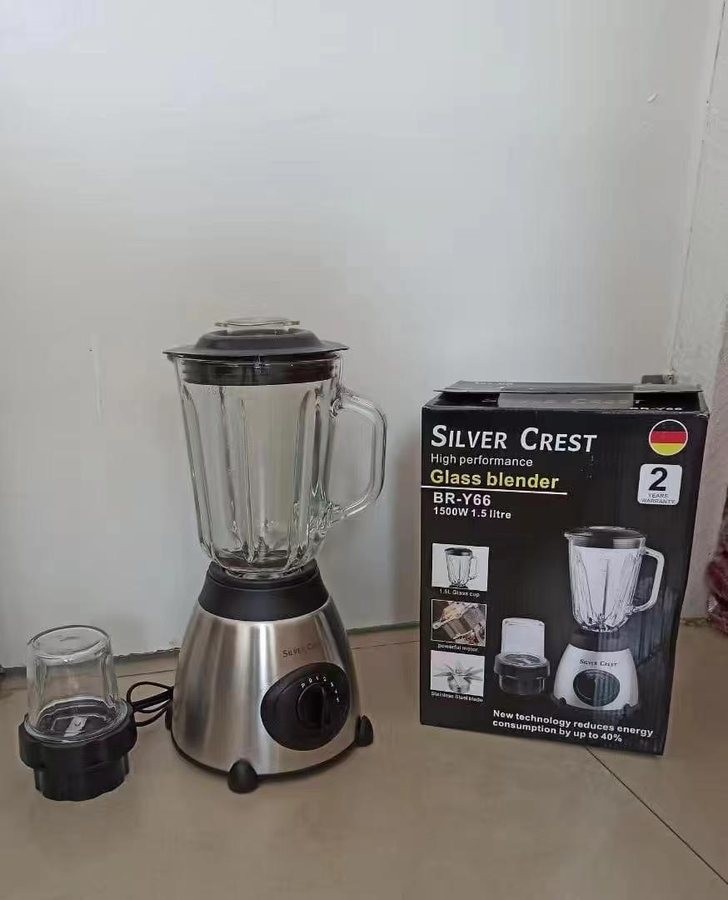
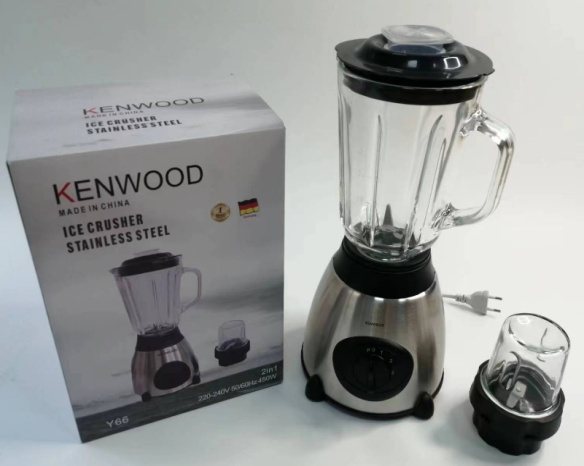
A useful wholesale range begins with a buyer channel and intended food-preparation task, not with the longest model list. Define ingredients, batch size, operating pattern, counter space, price position, service capability and destination responsibilities before comparing catalog records.
The selected routes should cover distinct commercial jobs. A dual-cup route may address a different household or promotional role from a multifunction set, juicer route or higher-speed architecture. The buyer should reject duplicate roles unless local channel evidence justifies the overlap.
Only after the range structure is clear should both parties compare current samples, controlled specifications, packing sheets, order quantities and landed-cost inputs. This allows factory resources and buyer market evidence to support one measured cooperation plan instead of a one-time price list.
Before a model enters the quotation range, connect it to these controlled decisions:
Commercial outcome boundary: These controls support model selection and order release. They do not guarantee local demand, sell-through, margin, profit, a fixed arrival date or a repeat order.
An entry route should be reviewed for its intended channel task, packing and service exposure, while a core route needs a repeatable sample, stable component identity and replenishment scorecard. A lower quotation does not automatically make a model suitable for the entry role.
Approve every supplied vessel, lid, blade, coupling, tool and packing position. Do not transfer performance, material, accessory or spare-part assumptions from one visually similar set to another.
The buyer contributes local channel, competitor, target selling position, landed-cost, service and sell-through evidence. Yaoyuan coordinates available model, component, sample, artwork, packing, production, inspection and replenishment resources. Both parties review results before expanding the range; neither side promises a commercial outcome that the evidence cannot support.