Food Category
Before Sample Approval and EU Market Review
EU Food Contact Material and Migration Evidence Handoff for Appliance Importers
A material name such as PP, PC, silicone or stainless steel does not prove that an appliance is suitable for every food, temperature, contact time or repeated-use condition. The evidence route must connect the exact finished SKU to every food-contact part, material grade, supplier, intended use, migration condition, declaration and production revision.
This guide helps importers structure that handoff for air fryers, blenders, rice cookers, food processors, water dispenser pumps and other small appliances. It is general B2B information, not legal, toxicological, laboratory, food-safety or market-access advice. MOQ starts from 1000 PCS. Wholesale only.
Direct Answer for Appliance Importers
Is one migration report enough for the complete appliance range?
No. A useful report must identify the tested sample and materials, the intended food-contact conditions, simulants or foods, time, temperature, surface-area or volume assumptions, repeated-use sequence where applicable, analytical methods, results and the production version represented. A report for one blender jar does not automatically cover another resin, pigment, lid, gasket, blade unit, capacity, supplier, hot-use condition or private-label configuration.
Start with the intended use and component map. Only then can the buyer, laboratory and qualified destination advisers determine what declarations, migration work, composition information, national-material rules and consumer instructions are needed.
Regulatory Stack
Separate the general framework, GMP, plastic rules and national measures
| Layer | What it controls | Buyer evidence question | Common mistake |
|---|---|---|---|
| Regulation (EC) No 1935/2004 | General safety, inertness, labelling, compliance documentation and traceability principles for food-contact materials and articles. | What parts can contact food directly or indirectly under normal or foreseeable use, and how are they traced to the finished SKU? | Treating a broad material statement as proof that the finished article meets every intended-use condition. |
| Regulation (EC) No 2023/2006 | Good manufacturing practice, including documented quality assurance, quality control and suitable starting materials. | How does production keep the approved material, supplier, formulation, printing, coating and process consistent? | Collecting a laboratory report without controlling later production substitutions or contamination risks. |
| Regulation (EU) No 10/2011 | Composition, authorised substances, restrictions, overall and specific migration, testing rules, declaration of compliance and supporting documents for plastic food-contact materials. | Does each plastic layer and component match the current material composition, restriction and intended-use evidence? | Calling any plastic "food grade" without a traceable declaration and supporting technical basis. |
| Specific EU and national measures | Additional requirements can apply to particular substances or materials, while Member State rules may apply where no harmonised EU measure exists. | Which destination-country rules apply to coatings, metals, silicone, rubber, paper, adhesives, colorants or other materials in this product? | Assuming the plastics regulation alone proves the complete multi-material appliance. |
Product Contact Map
Define every direct and reasonably foreseeable food-contact route
| Product route | Parts to map | Intended-use questions |
|---|---|---|
| Air fryer | Basket, pan, rack, coating, viewing window where relevant, silicone bumpers, handle-adjacent parts and supplied cooking accessories. | Food type, oil or fat contact, maximum temperature, duration, repeated heating, cleaning method, abrasion and whether accessories touch food. |
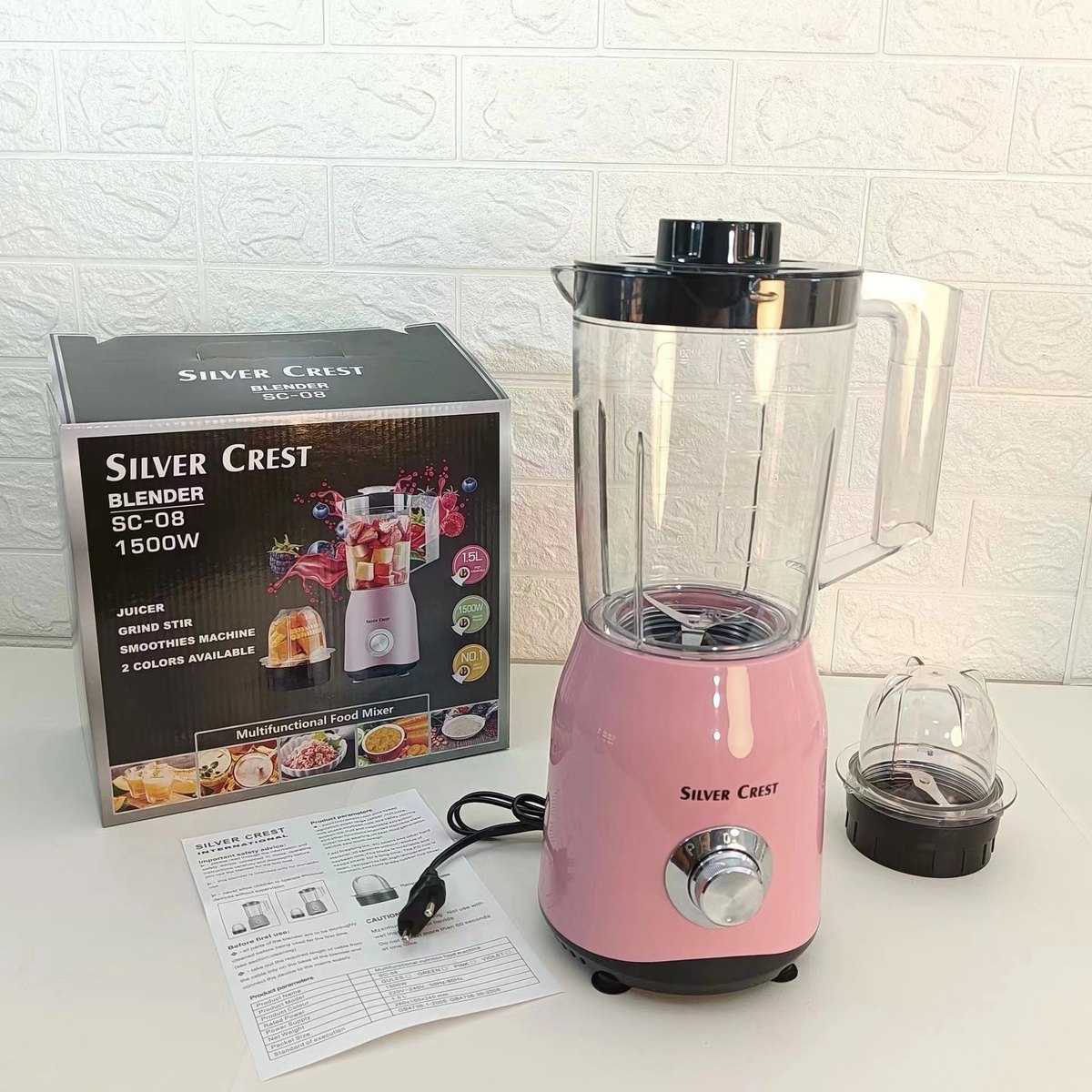
| Blender or food processor | Jar, lid, cap, gasket, blade, blade holder, shaft seal, measuring cup, grinder cup and any supplied food-contact accessory. | Cold or hot ingredients, acidic or fatty foods, contact duration, mechanical stress, repeated use, cleaning and storage in the vessel. |
| Rice cooker | Inner pot, coating, steam tray, lid liner, gasket, condensation route, spoon, measuring cup and steam-contact plastics. | Cooking and keep-warm temperature, water and starch contact, steam, repeated use, cleaning and coating-care instructions. |
| Water dispenser pump | Inlet tube, pump-path parts, seals, internal connectors, outlet spout and any bottle adapter that contacts drinking water. | Water-only use, contact duration, cleaning, replacement parts, material suppliers and whether the exact configuration is intended for the destination. |
| Food dehydrator | Trays, mesh, lid, spacers and surfaces exposed to food or foreseeable condensate. | Food type, drying temperature, duration, repeated cycles, cleaning and whether trays are plastic, metal, coated or multi-material. |
| Kitchen tools | Blade, pan surface, coating, silicone head, metal core, handle joint, whisk wire and accessories. | Direct contact, heat, acidity, fat, cutting or abrasion, dishwasher or manual cleaning and replacement or wear conditions. |
Intended-Use Profile
Migration conditions must represent how the approved product will actually be used
Contact Time
Momentary, short, prolonged or stored
A blender jar used for minutes and a vessel used for storage do not necessarily share the same contact scenario.Temperature
Cold, ambient, hot fill, cooking or reheating
Record the maximum intended food-contact temperature and heating route. A cold-use declaration does not prove hot-use suitability.Repeated Use
Successive cycles and deterioration
Reusable parts need conditions reflecting repeated contact and controls for any increasing migration or material degradation across successive uses.Contact Geometry
Area, volume and complete assembly
The exposed surface, food volume and assembled seals or joints can affect the test basis and must match the approved product.Consumer Instructions
Restrictions must reach the user
Where safe use depends on food type, time, temperature, heating route or cleaning, the approved instructions and packaging must communicate the restriction.SKU-Level Evidence Master
Connect the finished order to the declaration and its supporting technical basis
| Control field | Required record | Release test |
|---|---|---|
| Finished SKU | Factory model, buyer SKU, capacity, color, electrical version, accessories, packaging revision and approved sample. | The declaration, report, BOM and purchase order identify the same commercial configuration. |
| Contact-component map | Part name, use location, direct or indirect contact, supplier part number, quantity and assembly relationship. | No gasket, coating, seal, tube, accessory or condensate-contact part is omitted. |
| Material identity | Material type and grade, resin or substrate, color or masterbatch, additive or coating system, supplier and revision. | The technical file identifies the actual material used, not only a generic abbreviation. |
| Intended-use specification | Food categories, maximum time and temperature, repeated-use status, heating method, contact area or volume, cleaning and restrictions. | Test conditions and instructions cover the same foreseeable use. |
| Declaration of compliance | Issuer, covered material or article, identity, date, applicable rules, relevant restrictions, use conditions and traceable revision where required. | The declaration is current, signed or otherwise attributable, and matched to the supplied component or finished article. |
| Supporting documentation | Composition information, supplier declarations, calculations, migration results, risk assessments, methods, sample photos and technical rationale. | Competent authorities can understand how the compliance conclusion was reached. |
| Migration report | Applicant, laboratory, sample identity, material, simulants or foods, time, temperature, test sequence, results and report date. | The sample and conditions represent the production version and intended use. |
| GMP and traceability | Approved suppliers, incoming checks, batch or lot records, process controls, nonconformity route and retention method. | The factory can connect shipped goods to the approved material and production records. |
| Labelling and instructions | Food-contact indication where needed, safe-use restrictions, languages, cleaning, first-use and wear or replacement instructions. | The finished artwork does not claim broader use than the evidence supports. |
| Change record | Old and new material or supplier, affected models, effective lot, reason, evidence impact and buyer approval. | No change enters bulk production until the food-contact file is reassessed. |
Declaration and Supporting File
A declaration is the controlled summary, not a substitute for the underlying evidence
Easy Identification
Define exactly what is covered
Use model, material, part number, supplier and revision identifiers that connect the declaration to the actual product.Restrictions
Transfer relevant conditions
Communicate information needed for downstream compliance, including substance restrictions and intended-use limits where applicable.Supporting Basis
Keep evidence available
Composition data, migration work, calculations and risk assessment remain behind the declaration and may need to be made available to authorities.Revision Control
Renew after substantial change
A change that can affect migration, composition, use or new scientific information can require renewed review and documentation.Multi-Material Product
Do not hide non-plastic parts
A plastic declaration does not automatically cover coatings, metals, silicone, rubber, adhesives or other materials in the finished appliance.No Borrowed Evidence
Authenticity remains essential
Never reuse an unrelated formulation, sample, report, declaration, signature, supplier or product identity.Factory-to-Importer Workflow
Freeze the use case before requesting reports or approving artwork
Define the destination and sales route
Record importing and selling countries, importer, brand owner, seller, model, quantity, channel and target launch.
Freeze the intended use
Define foods, contact time, temperature, repeated use, heating, cleaning, restrictions and consumer claims.
Approve the physical sample
Lock the complete assembly, accessories, contact geometry, materials, colors, coatings, suppliers and component revisions.
Build the contact-material tree
Map every direct, indirect and foreseeable food-contact part to its material identity and supplier.
Review available evidence
Match declarations, composition information, supporting documents and reports to the exact part and intended use.
Close gaps with qualified parties
The importer, laboratory and destination advisers select current legal scope, test conditions and any additional national requirements.
Release labels and production
Align instructions, restrictions, artwork, approved suppliers, incoming control and batch traceability.
Monitor the production version
Reopen review after a material, color, coating, supplier, process, use, law, market or scientific-data change.
Food-Contact File Review Triggers
Small production changes can invalidate the evidence match
| Change | Why it matters | Required control |
|---|---|---|
| Resin, pigment or additive supplier | Visual appearance may remain unchanged while composition and migration behaviour differ. | Block substitution until identity, declaration and supporting basis are reassessed. |
| Coating system or curing process | Formulation, substrate, layer thickness and curing can affect transfer and performance. | Confirm the complete coating system and production process represented by the evidence. |
| Gasket, tube or seal | A small elastomer part may have long contact time or contact the complete food or water flow. | Add the exact part and supplier to the contact map and supporting file. |
| New capacity or geometry | Surface-area-to-volume relationship and food-contact exposure can change. | Review whether existing conditions and calculations still represent the new article. |
| Hot-use or new food claim | A cold-water or dry-food file does not automatically cover hot, acidic or fatty use. | Freeze the revised intended use before selecting evidence and instructions. |
| Reusable-use sequence | Wear, cleaning and successive migration can differ from single-use assumptions. | Confirm repeated-use conditions and deterioration controls for the actual product. |
| New destination country | Non-harmonised material rules, languages and authority expectations may differ. | Run a qualified destination review before market release. |
| Legal or scientific update | Authorised substances, restrictions, documentation duties or safety conclusions can change. | Record the review date and renew the decision using current official sources. |
Factory and Importer Boundary
What Yaoyuan can coordinate and what qualified destination parties must determine
Factory Product Map
Actual order configuration
We can coordinate available model, component, material, supplier, intended-use and revision records for the approved project.Evidence Collection
Available authentic documents
We can request and organize legitimate supplier declarations and reports, but we do not create missing evidence or rewrite a failed result.Production Control
Approved inputs and changes
We can connect buyer-approved food-contact parts to supplier control, production records and change approval.Importer Decision
Applicable destination requirements
The buyer and qualified professionals determine legal scope, test plan, national measures, declarations, labelling and market actions.No Universal Claim
Evidence is use-specific
We do not claim one report covers every food, temperature, duration, model, color, supplier, brand or destination.No Legal Substitution
Factory support is not approval
A factory file does not replace a competent laboratory, toxicological assessment, importer due diligence or authority decision.Supplying the United Kingdom
Use the dedicated Great Britain and Northern Ireland handoff
The United Kingdom does not use one interchangeable food-contact route. Great Britain uses its current assimilated framework and official GB authorisation registers, while relevant EU food-contact legislation continues to apply in Northern Ireland. The dedicated UK guide also separates current BPA decisions from possible future SPS changes.
Current Official Starting Points
Use current EU law and qualified destination review
European Commission: Food Contact Materials
European Commission: FCM Legislation
EUR-Lex: Regulation (EC) No 1935/2004
EUR-Lex: FCM Good Manufacturing Practice
EUR-Lex: Plastic FCM Regulation (Current Consolidated Version)
This page is general B2B information, not legal, toxicological, chemical, migration-testing, food-safety, conformity-assessment or market-access advice. Scope, material rules, authorised substances, restrictions, simulants, test conditions, calculations, declarations, supporting documentation, GMP, labelling and national requirements depend on the exact product, intended use, composition, supply chain, destination and current law. Use current official sources, competent laboratories and qualified destination professionals. Never falsify a declaration, formulation, sample, report, result, supplier, signature, use condition or traceability record.
Food-Contact Evidence Review
Send the exact product, contact parts and intended use before bulk release
Send the buyer company, importing and selling countries, importer and brand-owner entities, exact product and model, quantity, food-contact component list, foods, maximum time and temperature, repeated-use and cleaning conditions, material and supplier data, available declarations and reports, OEM artwork, destination port, launch period and appointed laboratory or destination adviser. Yaoyuan can review available factory-side evidence for the actual wholesale project. MOQ starts from 1000 PCS. Wholesale only. No retail orders.