Territory and operator record
Name GB, NI or both, the manufacturer, UK importer, brand owner, distribution route and appointed adviser or laboratory.
Before Food-Contact Appliances Enter Great Britain or Northern Ireland
An air fryer basket, coated rack, blender jar, rice cooker inner pot, seal, tube or lid is not proved suitable for food contact by a material name or a generic "food grade" claim. The commercial file must connect the exact production SKU to every direct or foreseeable contact part, material identity, intended food, time, temperature, repeated-use condition, declaration, supporting evidence and approved supplier.
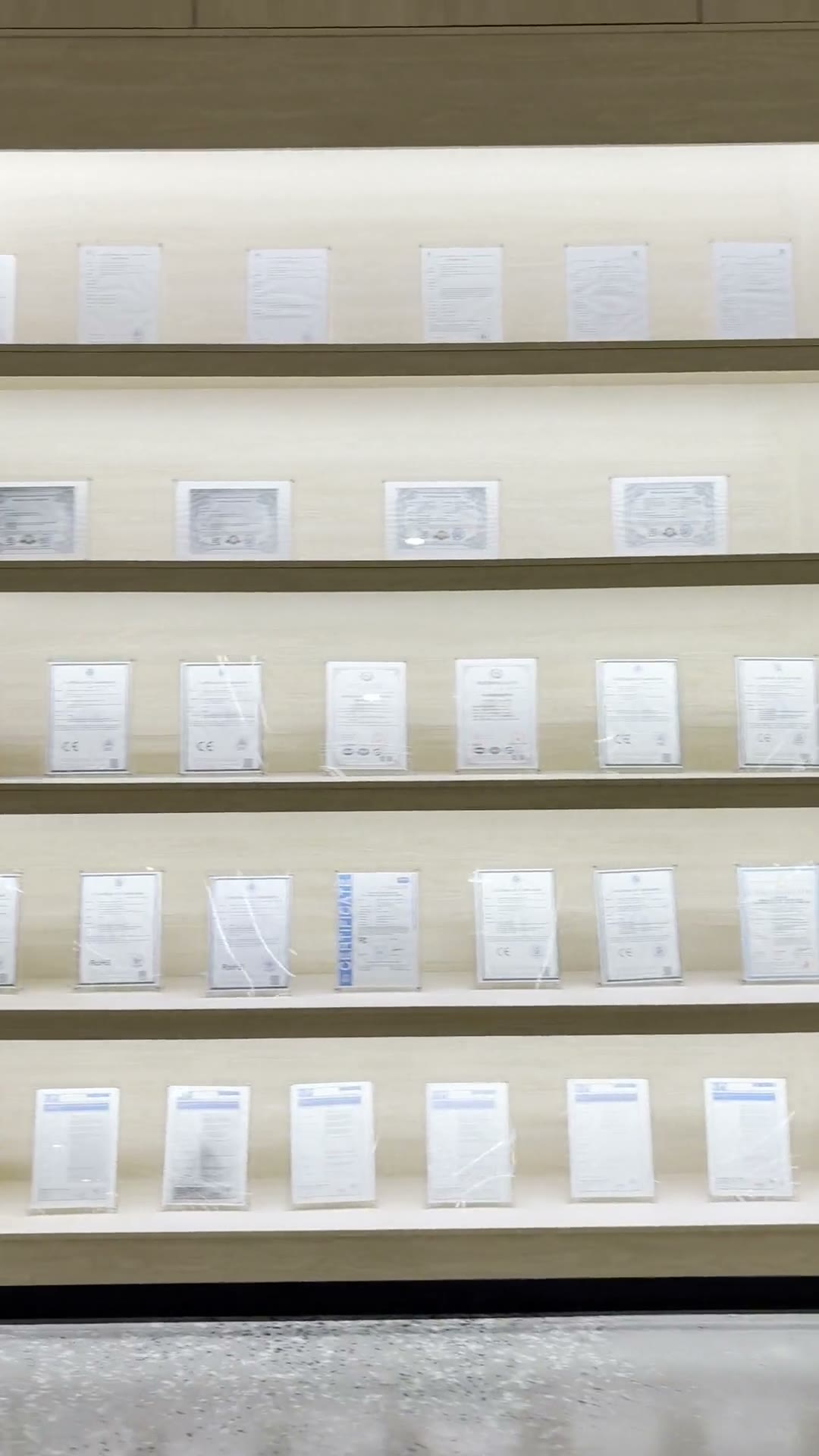
Yaoyuan can coordinate available legitimate factory-side product, component, material, supplier, declaration, report, production and change records for an approved wholesale order. The responsible UK businesses, competent laboratories and qualified advisers determine legal scope, test conditions, authorisations, declarations, labelling and market action. This page is general B2B procurement information, not legal, chemical, toxicological or market-access advice. Wholesale only. MOQ starts from 1000 PCS.
Direct Answer for UK Appliance Importers
No. A report supports only the identified sample, material, geometry and conditions stated in it. The buyer must first freeze the finished model and its intended use, then map the actual food-contact parts. Evidence must represent the material supplier, grade, colour or coating, food or simulant, contact temperature and time, repeated-use sequence and production revision. A 6-litre air fryer result does not automatically cover a 10-litre basket, another coating, a different gasket supplier or every cooking programme.
Food-contact evidence also does not replace electrical safety, EMC, RoHS, REACH or UK producer-responsibility files. Those files can share the same controlled SKU and BOM, but each answers a different legal and procurement question.
Territory Comes First
| Market route | Current framework | Importer evidence decision | Common mistake |
|---|---|---|---|
| Great Britain England, Scotland and Wales | The GB framework uses applicable assimilated food-contact legislation, national enforcement regulations and the official GB authorisation registers. | Check the current GB rules, authorised substances, restrictions, declarations and supporting documentation for the exact material and intended use. | Using only a current EU declaration or EU positive-list conclusion without confirming the GB position. |
| Northern Ireland | Relevant EU food-contact legislation continues to apply under the Windsor Framework, including current EU amendments and market deadlines. | Use the current EU/NI route for materials, authorisations, migration conditions, declarations and BPA-related decisions. | Applying a GB-only conclusion to NI or overlooking an EU change adopted after EU Exit. |
| One SKU for GB and NI | A common product construction can be used only where its evidence satisfies both current routes. | Maintain one controlled product core with two dated territory reviews and a clear rule for the stricter approved construction. | Calling an undated "UK food grade" statement valid for both territories and every future regulation update. |
Businesses should also monitor the proposed UK-EU Sanitary and Phytosanitary arrangements. Current official preparation guidance anticipates possible alignment changes from mid-2027, but the final scope, timing and accommodations remain subject to the completed agreement and implementing measures. A future-planning note must not be presented as a current legal requirement.
Contact-Part Map
| Appliance | Parts to map | Use conditions to freeze | Evidence gap to reject |
|---|---|---|---|
| Air fryer | Basket, tray, rack, coating, fasteners, viewing window edge, seal and any accessory touching food or condensate. | Maximum programme temperature and duration, fatty or acidic foods, repeated cycles, cleaning and abrasion. | A generic coating report with no basket model, substrate, supplier, colour, thickness or repeated-use condition. |
| Blender or food processor | Jar, lid, seal, blade, shaft, bearing interface, cup, filter and pouring surface. | Hot or cold use, acidic ingredients, alcohol if relevant, contact duration, mechanical stress and repeated washing. | A resin declaration that does not cover pigments, seal material, blade assembly or the finished jar geometry. |
| Rice cooker | Inner pot, coating, lid plate, steam outlet, seal, spoon, measuring cup and condensate collector. | Long hot contact, starch, steam, repeated heating, keep-warm period, cleaning and coating wear. | One migration result for a different pot size or an untraceable non-stick coating formulation. |
| Water dispenser pump | Inlet tube, pump pathway, outlet spout, seals and any reservoir contact component. | Water contact duration, ambient temperature, repeated use, cleaning and storage between uses. | A finished-product claim with no hose, seal or pump-path material identity. |
Model-Specific Evidence File
Name GB, NI or both, the manufacturer, UK importer, brand owner, distribution route and appointed adviser or laboratory.
Freeze model, capacity, ratings, functions, colour, accessories, contact-part map, artwork and production version.
Record supplier, material grade, formulation or coating reference, colour, thickness, substrate and relevant restrictions.
Define foods, maximum time and temperature, repeated use, heating method, cleaning, storage and foreseeable misuse.
Where required, retain an attributable and current declaration naming the covered material or article, applicable route, restrictions and use conditions.
Connect supplier data, composition, purity information, migration results, calculations, risk assessment and sample photos to the declaration.
Control approved suppliers, incoming materials, processing, cleanliness, records, nonconformity and traceability for the production run.
Reopen the review after supplier, grade, additive, pigment, coating, geometry, process, use, law or scientific-information changes.
Migration and Intended Use
| Decision field | What the buyer should receive | Why it changes the conclusion | Release control |
|---|---|---|---|
| Food or simulant | Selected food categories or justified simulants and any applicable reduction factors. | Water, acidic, alcoholic and fatty foods can extract substances differently. | Match the declared uses and foreseeable foods. |
| Time and temperature | Maximum contact time and temperature, including heating, holding and cooling where relevant. | Migration can increase with heat and prolonged contact. | Do not approve a lower condition than the marketed programme permits. |
| Repeated use | Successive test cycles, cleaning method and any evaluation of deterioration. | Reusable coatings, plastics and seals can change after heat, washing or abrasion. | Use conditions should represent the expected service pattern. |
| Sample identity | Model, part number, supplier, material grade, colour, dimensions, photos and production or sample date. | A laboratory result cannot be linked to production without traceable identity. | Release only the construction represented by the evidence. |
| Result and restriction | Methods, reporting limits, overall or specific migration results and the exact applicable restriction. | A pass statement without numerical context may hide scope or sensitivity limits. | Qualified reviewers approve the conclusion for the chosen territory. |
BPA Requires a Territory and Date
Current FSA guidance states that the EU BPA Regulation applies to products placed on the EU and Northern Ireland markets. Its first key transition date was 20 July 2026 for newly manufactured and imported general repeat-use and single-use food-contact materials, subject to the regulation's detailed exceptions and transitions. The same EU restrictions do not currently apply directly to the Great Britain domestic market, although the FSA has indicated an intention to introduce GB restrictions subject to the appropriate policy and legislative process.
For an appliance project, first identify whether BPA or related bisphenols are intentionally used in plastics, coatings, adhesives or other contact materials. Then record destination, manufacturing date, first-placement date, product category, transition route, supplier information and replacement-material status. A label saying "BPA free" is not a substitute for composition control and supporting documentation, and it must not be added unless the responsible businesses can substantiate the exact claim for the actual production goods.
Evidence Failures to Stop Before Deposit
| Weak evidence | Why it fails | Required correction |
|---|---|---|
| "Food grade PP" written on a specification | A polymer name does not identify authorised substances, restrictions, additives, colour, supplier or intended-use limits. | Obtain a traceable material declaration and supporting basis for the exact grade and application. |
| One report reused across every capacity | Geometry, surface area, coating, substrate, contact ratio and operating temperature can differ. | Document representative grouping or obtain model-specific evidence approved by qualified reviewers. |
| EU declaration used for GB without review | GB and EU/NI authorisations and amendments can differ. | Record a separate current GB legal and authorisation review. |
| No intended-use conditions | The buyer cannot know whether hot, fatty, acidic, long-duration or repeated use is covered. | Add controlled use conditions to the evidence, instructions and marketing claims. |
| Supplier changed after testing | An apparently identical material can have a different composition, purity or migration profile. | Block substitution until the new supplier and material evidence are reviewed. |
| BPA-free artwork approved from a verbal claim | The claim may be unsupported and the GB and NI legal positions are not identical. | Confirm composition, territory, transition date and substantiation before artwork release. |
Wholesale Project Workflow
Name GB, NI or both, the importer, brand owner, seller and appointed technical reviewer.
Define foods, time, temperature, repeated use, heating, cleaning and marketed programmes.
Connect every direct and foreseeable contact surface to part number, supplier, material and revision.
Use the current GB or EU/NI authorisation, material, restriction, declaration and transition route.
Obtain legitimate declarations, supplier data, migration work, risk assessment and laboratory review.
Align intended use, restrictions, warnings, cleaning, BPA wording and product artwork.
Lock approved suppliers, materials, coatings, colours, processes and contact-part geometry.
Reassess law, authorisations, scientific information, suppliers, materials and production deviations.
Keep Adjacent Files Distinct
Controls applicable product safety, EMC, radio, declarations, markings and importer information.
Controls ten restricted substances in relevant homogeneous materials for electrical and electronic equipment.
Controls Candidate List article information, restrictions and related chemical duties outside the food-contact migration decision.
Provides a deeper component, intended-use, migration, declaration and change-control framework for EU and relevant NI projects.
Current Official Sources
This guide was reviewed against current official information on 30 July 2026. Food-contact rules, authorisations, BPA transitions and planned SPS arrangements can change. Buyers should verify current legislation and product-specific decisions with competent laboratories and qualified UK professionals.
Food Standards Agency: Food contact materials authorisation guidance
Food Standards Agency: Official GB plastic FCM authorisation register guidance
Food Standards Agency: BPA rules and UK implications
GOV.UK: Food labelling, packaging and food-contact legislation links
Wholesale Project Intake
Send the buyer company, GB or NI destination, responsible importer and brand owner, product category, exact model, quantity, intended foods, maximum time and temperature, repeated-use conditions, contact-part list, available declarations and reports, destination port and target launch date.