Finished Appliance
Before EU Compliance Review and Bulk Production
EU RoHS, REACH, SVHC and SCIP Material Evidence Handoff for Appliance Importers
A RoHS report for one plastic sample does not prove the complete appliance, a REACH Candidate List review or a SCIP submission. The evidence route must connect the exact finished SKU to its assemblies, components, homogeneous materials, supplier declarations, test samples, exemptions and production changes.
This guide helps importers structure that handoff for air fryers, blenders, fans, rice cookers, water dispenser pumps and other small appliances. It is general B2B information, not legal, chemical, conformity-assessment or market-access advice. MOQ starts from 1000 PCS. Wholesale only.
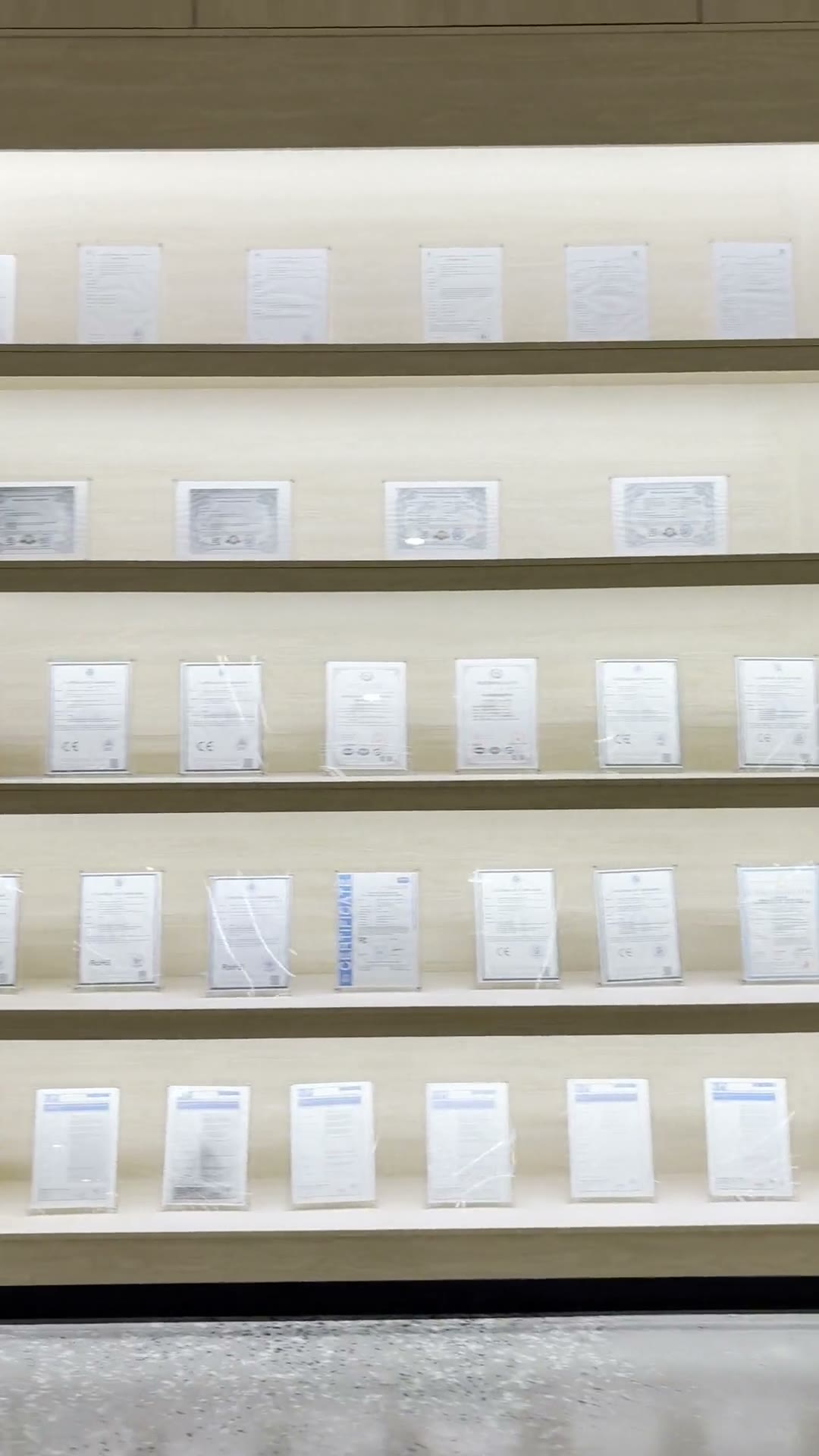
Direct Answer for EU Appliance Importers
Does one RoHS test report prove RoHS, REACH and SCIP for the whole appliance?
No. RoHS and REACH use different legal questions and measurement bases. RoHS restricts specified substances in homogeneous materials used in electrical and electronic equipment. REACH Article 33 concerns Candidate List substances above 0.1% weight by weight in an article and requires supply-chain information. SCIP is a separate EU database submission route under the Waste Framework Directive for articles containing Candidate List substances above the threshold. Evidence must match the actual component, material, model and production revision.
A reliable file therefore starts with the product structure, not with a certificate folder. The importer needs to know which housing resin, cable jacket, plug, solder, coating, PCB, motor, heater, fastener, adhesive and accessory are actually used in the approved order.
Three Different Compliance Questions
Keep RoHS, REACH Article 33 and SCIP decisions separate
| Route | Core question | Evidence basis | Common mistake |
|---|---|---|---|
| EU RoHS | Do restricted substances exceed the applicable maximum concentration in any homogeneous material? | Material and component risk assessment, declarations, technical documentation, targeted testing and applicable exemptions. | Testing one finished-product spot or one resin and calling the entire product family RoHS compliant. |
| REACH Article 33 | Does an article contain a Candidate List SVHC above 0.1% w/w, triggering communication to recipients and consumers on request? | Article hierarchy, supplier substance information, Candidate List version, concentration basis and safe-use information. | Using the RoHS ten-substance report as proof that no Candidate List substance is present. |
| REACH Article 7(2) | Does an EU or EEA producer or importer meet the concentration and annual tonnage conditions for notification, subject to the legal exemptions? | Article concentration, annual imported tonnage of the substance, use and exposure analysis, registration status and qualified review. | Assuming Article 33 communication and Article 7 notification have identical triggers. |
| SCIP | Must an EU duty holder submit information for an article placed on the EU market containing a Candidate List substance above 0.1% w/w? | Duty-holder identity, article or complex-object hierarchy, identifiers, material category, substance data, concentration range and safe-use instructions. | Expecting a non-EU factory to replace the EU importer's legal-role and submission analysis. |
RoHS Homogeneous-Material Control
A finished appliance must be broken into the materials that can actually be tested
The current EU RoHS Annex II list includes lead, mercury, hexavalent chromium, PBB, PBDE, DEHP, BBP, DBP and DIBP at 0.1% by weight in homogeneous materials, and cadmium at 0.01%. Product scope, exclusions, exemptions and current delegated amendments still require model-specific review.
| Appliance area | Possible homogeneous materials | Evidence question |
|---|---|---|
| Power cord and plug | Copper conductor, PVC or rubber insulation, plug housing, brass pins, nickel coating, solder and strain relief. | Does each material declaration and report identify the exact cord-set supplier, model, color and revision? |
| PCB and controls | Board laminate, solder, component terminations, display plastics, wire insulation, connectors and conformal coating. | Is the assembled board mapped to its BOM and are high-risk materials supported rather than hidden by one generic PCB statement? |
| Housing and food-contact parts | ABS, PP, PA, PC, silicone, coating, pigment, metal substrate and decorative plating. | Do color, recycled content, resin grade, masterbatch and surface finish match the approved production version? |
| Motor, heater and wiring | Copper winding, varnish, steel, insulation, thermal fuse body, terminals, crimp plating and internal wires. | Are supplier part numbers and substitutions controlled at component level? |
| Fasteners and metal parts | Base metal, zinc or nickel plating, passivation and paint or powder coating. | Has the plating and surface-treatment supplier been identified for the shipped lot? |
| Accessories | Cups, blades, baskets, racks, adapters, batteries, cables and printed items supplied with the appliance. | Are included accessories inside the approved scope, or are they covered by unrelated evidence? |
SKU-Level Material Evidence Master
Build one traceable line from the order to the smallest relevant material
| Control field | Required record | Release test |
|---|---|---|
| Finished SKU identity | Factory model, buyer SKU, brand, capacity, voltage, plug, color, accessory set and approved revision. | The evidence file and purchase order identify the same product. |
| BOM and hierarchy | Finished product, assemblies, components, supplier part numbers, quantities and material breakdown. | No material-critical component is hidden under a generic name such as "electrical parts." |
| Material identity | Material type, grade, color, coating, plating, supplier and use location. | The declaration or test sample can be tied to the actual material in production. |
| Supplier declaration | Legal supplier, covered part or material, restricted-substance basis, exclusions, date, signature and revision. | The declaration is not expired, generic, unsigned or unrelated to the supplied part. |
| Laboratory report | Applicant, sample description and image, model or material, methods, results, dates and report authenticity. | The report covers the relevant homogeneous material and current restricted-substance scope. |
| RoHS exemption | Exact exemption entry, use, material, quantity, applicability, expiry review and supporting rationale. | The exemption is current and applies to this use rather than a superficially similar component. |
| Candidate List review | Review date, Candidate List version, supplier responses, identified SVHC, concentration and affected article. | The review is updated after a Candidate List change or product-material change. |
| Article 33 information | Substance name and sufficient safe-use information for professional recipients and consumer responses. | The customer-information route can answer a valid request within the required timeframe. |
| SCIP decision record | EU duty holder, affected article or complex object, threshold basis, submission responsibility and dossier identifiers where applicable. | The importer can explain why a submission is required or not required for the exact SKU. |
| Production change log | Old and new component, supplier, material, effective batch, reason, evidence impact and approval. | No substitution enters production until material evidence and downstream files are reassessed. |
Article and Complex-Object Hierarchy
Do not dilute a component result across the weight of the complete appliance
Complex Object
Assembled product structure
A product can contain several articles and components whose identity remains relevant to the Candidate List assessment.Component Article
Part-level threshold basis
A cord, pin, connector, screw, casing or other article may need its own concentration assessment rather than averaging across the complete appliance.Homogeneous Material
RoHS measurement unit
A uniform material or one that cannot be mechanically separated into different materials is the basis for the RoHS concentration limits.Substance Data
Named chemical and concentration
The file must distinguish an actual substance result from a broad statement such as "REACH compliant."Candidate List Date
A moving reference point
The Candidate List changes over time, so every declaration and screening result needs a review date and version reference.Factory-to-Importer Workflow
Review material evidence before the sample becomes a bulk-production standard
Define market and model
Record EU selling countries, importer, seller, brand, SKU, quantity, plug, voltage, accessories and target launch.
Freeze the reference sample
Approve the construction, appearance, materials, suppliers and component part numbers that the evidence must represent.
Build the BOM and material tree
Break the product into assemblies, articles, components, homogeneous materials, coatings and included accessories.
Collect supplier evidence
Obtain controlled declarations, material specifications, substance information and reports matched to exact parts.
Close evidence gaps
Use risk-based targeted testing or replacement evidence where declarations are missing, ambiguous or mismatched.
Run qualified legal decisions
The buyer and qualified EU advisers determine RoHS scope, exemptions, Article 33 duties, Article 7 notification and SCIP obligations.
Release production controls
Link approved suppliers and parts to incoming inspection, production records, batch traceability and shipment documentation.
Monitor changes
Reopen the review after a supplier, material, color, coating, component, Candidate List, exemption or destination change.
Material-File Review Triggers
A visually identical part can contain a different substance profile
| Change | Why it matters | Required control |
|---|---|---|
| New component supplier | Part appearance and dimensions may match while resin, solder, plating or additives differ. | Block substitution until declarations, reports and part identity are reviewed. |
| New color or masterbatch | Pigment and additive composition can change the restricted-substance risk. | Obtain color-specific evidence or a documented technical basis for coverage. |
| New plating or coating | Metal surface treatment can introduce a different homogeneous material and chemistry. | Record the treatment supplier, specification and applicable evidence. |
| Candidate List update | A substance newly added to the list can create immediate supply-chain communication duties. | Rescreen the BOM and request updated supplier information. |
| RoHS exemption change | An exemption may expire, narrow or no longer apply to the product use. | Review the current official annex and qualified technical rationale before release. |
| New EU importer or brand owner | The duty holder, document owner, SCIP route and information channel may change. | Reconfirm legal roles and transfer the controlled evidence package. |
| New accessory | A cable, adapter, battery or included tool introduces new materials and possibly new legal routes. | Add it to the BOM, scope and evidence decision before packaging approval. |
| Test-report age or mismatch | An old report may cover a discontinued supplier, previous material or outdated restricted-substance list. | Compare applicant, sample, date, model, material, methods and production revision. |
Factory and Importer Boundary
What Yaoyuan can coordinate and what qualified EU parties must determine
Factory BOM Support
Actual order configuration
We can coordinate available component, supplier, material, model and revision records for the approved project.Evidence Collection
Supplier declarations and reports
We can request and organize legitimate available documents, but we do not rewrite a failed result or create a missing declaration.Change Control
Stop silent substitutions
We can connect approved components to the production change route and buyer approval requirements.Importer Decision
Applicable EU obligations
The buyer and qualified professionals determine legal scope, duty holders, exemptions, notifications and market actions.No Universal Claim
Evidence is model-specific
We do not claim one report covers every capacity, color, component, supplier, private label or destination.No Borrowed File
Identity must remain authentic
We do not alter applicants, sample photos, dates, results, report numbers, signatures or SCIP identifiers.Current Official Starting Points
Use current EU law, ECHA data and qualified destination review
European Commission: RoHS Directive
EUR-Lex: RoHS Annex II Substance List
ECHA: Article 33 Communication
ECHA: Article 7 Notification
ECHA: SCIP Database
This page is general B2B information, not legal, chemical, laboratory, conformity-assessment, SCIP-submission or market-access advice. Product scope, homogeneous-material decisions, article hierarchy, exemptions, Candidate List status, concentration calculations, tonnage, duty holders and filing requirements depend on the exact product, supply chain, EU entities, destination and current law. Use current official sources, competent laboratories and qualified EU professionals. Never falsify a report, declaration, material identity, exemption, concentration result, supplier signature or submission identifier.
EU Appliance Material Evidence Review
Send the SKU, BOM status and target EU route before bulk release
Send the buyer company, importing and selling countries, importer and brand-owner entities, exact product and model, quantity, voltage, plug, color, accessories, BOM status, known supplier declarations, RoHS reports, REACH or SVHC requests, proposed SCIP duty holder, packaging, destination port, target launch and appointed EU compliance adviser. Yaoyuan can review available factory-side material evidence for the actual wholesale project. MOQ starts from 1000 PCS. Wholesale only. No retail orders.