Direct answer: an air fryer inspection is useful only when the inspector knows exactly which version is being checked and what evidence authorizes shipment. A carton count and a power-on demonstration cannot replace a signed specification, approved sample, artwork file, defect classification, sampling instruction and release rule.
Zhongshan Yaoyuan Electric Appliance Co., Ltd. works with importers, distributors, wholesalers, supermarket buyers and OEM brand customers. MOQ starts from 1000 PCS. Retail and one-piece orders are not accepted. The inspection scope, responsible party and required evidence must be agreed for the selected model and order; this page does not claim one universal test plan for every air fryer.
1. Build the Inspection Control File Before Production
The control file is the commercial reference for the order. It should identify the supplier, buyer, purchase order, product name, exact model or catalog reference, specification revision, approved sample date, artwork revision, packing revision, order quantity, market, voltage, plug, destination and inspection stage. If these references are missing, two people can inspect the same goods and reach different conclusions.
The file should separate published facts from points that still require confirmation. A catalog image may help identify the housing, but it does not automatically prove the current power, cord, heating element, control board, basket coating, accessory set, carton strength or certification scope. Those items must be linked to the approved version.
2. Freeze One Approved Commercial Version
The approved sample and signed specification need the same version identity. Record capacity wording, rated voltage and frequency, rated power, plug and cord, control type, temperature and time range, basket and rack, visible window or glass lid where applicable, color, surface finish, labels, manual, accessories and packing contents. Photographs should show the front, back, rating label, plug, control panel, basket, accessories and packed unit.
A sample is not a permanent guarantee if the purchase order changes. Logo artwork, color box, manual language, barcode, importer information, shipping marks or an approved component substitution can create a new revision. The buyer should decide whether the change requires document approval, a new sample, a limited verification or a complete reinspection.
3. Define Critical, Major and Minor Defects
Defect classification must be written before inspection. A critical defect normally concerns an unacceptable safety or regulatory risk under the agreed specification. A major defect can affect intended operation, saleability, required configuration, customer acceptance or a material packing obligation. A minor defect is a limited workmanship or appearance issue that does not normally prevent intended use, but still exceeds the agreed standard.
The exact classification belongs in the buyer-approved inspection file. Examples must be tied to the selected model. An incorrect voltage, wrong plug, exposed conductor, failed interlock, missing required label or unapproved version may be classified differently from a small cosmetic mark. The supplier, buyer and inspection party should not invent the classification after defects have already been found.
4. Use a Buyer-Defined Sampling Plan
Sampling level, lot definition, acceptance quality limits and acceptance or rejection numbers should be selected by the buyer or qualified inspection party according to order risk, product history, market obligations and inspection purpose. There is no single AQL setting that is automatically correct for every air fryer order.
The report should state the total lot, cartons presented, units available, sample size, sampling method, defect class, defects found and disposition. If goods are incomplete, not randomly accessible or separated into different production lots, the report should say so. A sample result should never be presented as proof that every unit was individually tested.
5. Inspect Product Identity and Workmanship
Identity checks confirm that the product presented is the ordered version. Compare model reference, color, housing, handle, control panel, display or knob arrangement, basket, rack, accessories, rating label, plug, cord and packing contents with the control file. Workmanship checks can cover fit, alignment, gaps, fastening, sharp edges, visible damage, contamination, printing, surface finish and moving-part operation according to agreed criteria.
Appearance tolerances should be practical and observable. Define the viewing distance, lighting, surface area and permitted reference where visual disputes are likely. A vague instruction such as "good appearance" is difficult to inspect and difficult to use in a corrective-action discussion.
6. Define Functional Checks for the Exact Model
| Control area | What the inspection file should define | Evidence to retain |
|---|---|---|
| Power and controls | Start-up, display or indicator behavior, buttons or knobs, time and temperature adjustment, and agreed error conditions | Result sheet plus clear photographs or short video where required |
| Heating behavior | Buyer-approved method, starting condition, setpoint, duration, measurement tool and permitted result | Recorded method, instrument identity and measured result |
| Basket and interlock | Insertion, removal, handle security and the expected response when the basket is moved under the agreed procedure | Pass or fail record and defect image where applicable |
| Timer and shutdown | Selected test setting, end-of-cycle indication and expected shutdown behavior | Observed result linked to sample number |
| Cord and plug | Approved market version, visible condition, marking and any specified mechanical check | Plug, cord and label photographs |
| Included parts | Basket, rack, tray, manual, cable or other items listed in the approved packing specification | Complete unpacked set photograph |
Cooking demonstrations can support buyer understanding but should not replace a controlled test. Food type, quantity, starting temperature, recipe, environment and operator method can change the result. Any performance claim used on packaging or in the market needs its own documented basis and approval.
How to Use Workshop Function-Check Footage in an Air Fryer Inspection File
The dated assembly and function-check footage provides process context for visible assembly activity, control-panel operation and electrical test equipment at the time of filming. It does not identify the exact air fryer SKU, purchase order, production lot or selected inspection sample unless order-matched records are supplied.
Connect any clip or reading to the purchase order, exact SKU, approved sample, BOM or component version, selected sample, test method, starting condition, acceptance limits, instrument identity, calibration validity, recorded result and exception handling. A power-on demonstration or visible instrument reading does not prove formal electrical safety, certification compliance, a passed production lot or shipment release. Use the small appliance AQL sampling plan to define how the function-test subset supports the lot decision.
7. Keep Electrical and Compliance Evidence Model-Specific
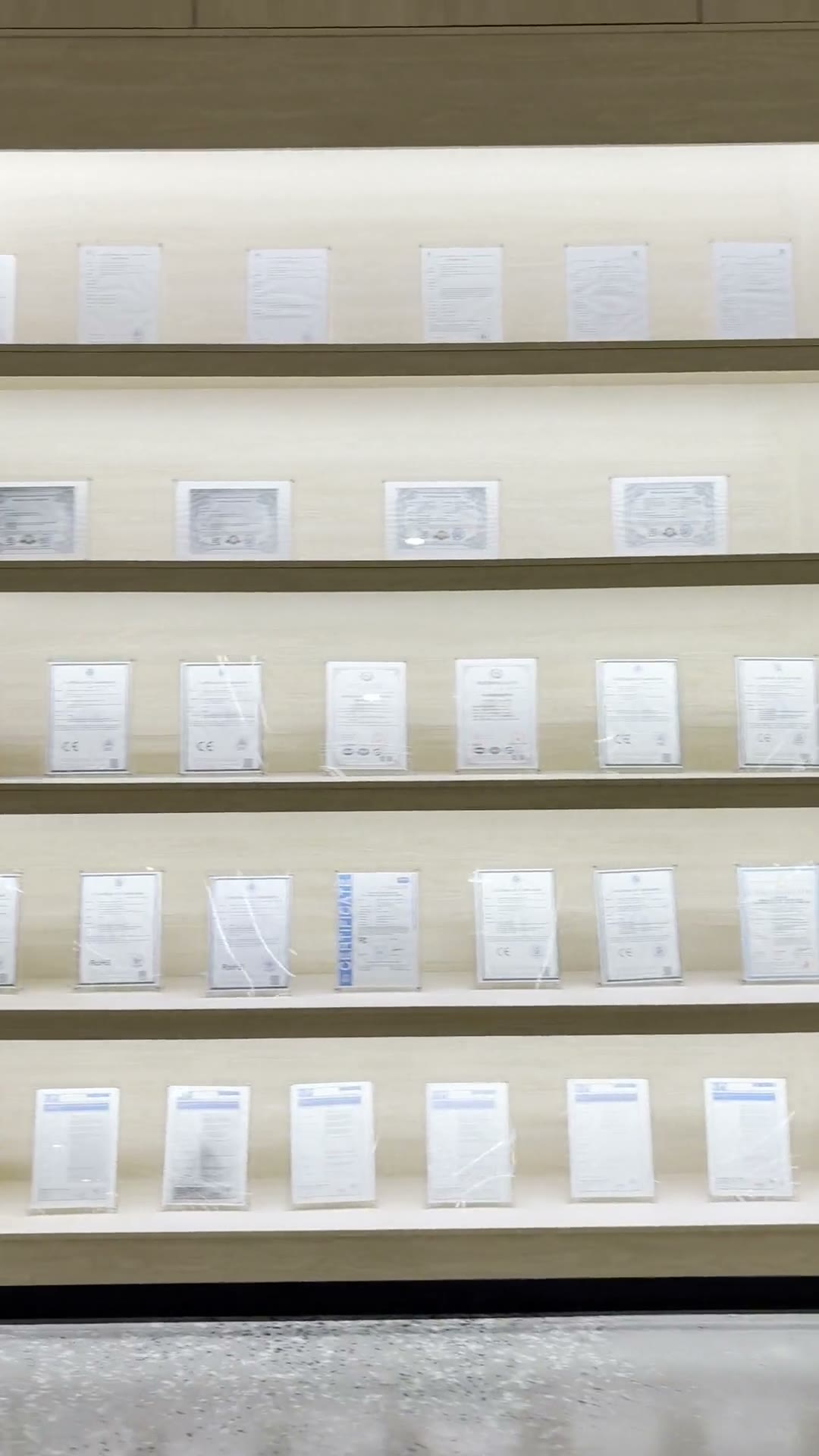
The rating label, plug, voltage, frequency and power must agree with the approved order. Certification or test documents should be reviewed by document number, applicant or holder, model coverage, key ratings, standard, issue status and target-market relevance. Similar appearance or a shared product family name is not enough to prove that one document covers another model.
CE, CB, RoHS, LFGB, ETL, UL or other requirements depend on the model, market and buyer's compliance route. Yaoyuan Electric does not state that every listed model carries every document. The buyer should identify the required evidence before quotation and verify applicability before artwork, production and shipment approval.
8. Inspect Retail Packing and Export Cartons
Unit packing checks can include the approved product image, model, voltage, plug reference, claimed capacity, manual language, barcode, importer details, warnings and included accessories. The inspector should compare the physical box and manual with released artwork files, not with an old catalog PDF or an unrelated market sample.
Export carton checks can include carton dimensions, units per carton, gross and net weight where specified, shipping marks, carton condition, sealing, internal protection and pallet or loading requirements. If a buyer requires drop, compression or other packaging performance tests, the method and acceptance criteria need to be agreed separately. A visual carton inspection is not the same as a laboratory packaging test.
9. Require an Inspection Evidence Pack
A useful report lets the buyer trace findings to the order. It should include the purchase order and model reference, inspection date and location, lot presented, sample size, checklist revision, defect summary, result, photographs and unresolved points. Photos should cover random cartons, shipping marks, packed unit, product views, rating label, plug, controls, basket, accessories and every reported defect.
Evidence quality matters. Repeated close-ups of one good sample do not establish random sampling. A report should identify which sample produced which result and should distinguish inspected facts from supplier statements. Buyer-sensitive information can remain private while still preserving a reliable audit trail.
10. Use a Written Release, Hold or Reinspection Gate
An inspection result should lead to a controlled decision: release, conditional release by authorized buyer approval, hold for clarification, rework and reinspection, or rejection under the purchase agreement. The inspection company or supplier should not assume that a report automatically authorizes shipment unless the buyer's procedure says so.
When rework is required, record affected quantity, responsibility, correction method, completion evidence and reinspection scope. If the buyer accepts a deviation, document the exact deviation and applicable order. A concession for one shipment should not silently become the standard for every repeat order.
11. Protect Repeat Orders with Change Control
Repeat orders should reference the last approved specification, sample, artwork, inspection report and corrective actions. Before production, compare the new order with the approved baseline and list every requested or proposed change. Reconfirm components, controls, labels, packing and compliance evidence when the change could affect function, safety, saleability or market approval.
Quality data should also support business decisions. Track recurring defects, rework, late inspection readiness, packing damage and field feedback by model and order. These facts can guide model continuation, supplier corrective action, spare-parts planning and the next quarterly business review without turning unverified anecdotes into claims.
Air Fryer Inspection File: Buyer Inputs
- Purchase order, exact model or catalog reference and order quantity
- Signed specification revision and approved sample reference
- Voltage, frequency, power, plug, cord and rating-label version
- Released logo, color box, manual, barcode and carton-mark artwork
- Critical, major and minor defect definitions
- Lot definition, sampling plan and buyer-selected acceptance rules
- Functional test methods, tools, conditions and acceptance criteria
- Packing, carton, accessory and shipment evidence requirements
- Report recipients and release, hold, rework or reinspection authority
- Destination port, required inspection timing and shipment deadline
Frequently Asked Questions
Can assembly footage prove that my exact air fryer shipment passed inspection?
No. Workshop footage provides dated process context only. Match it to the purchase order, exact SKU, approved sample, BOM or component version, batch and selected inspection sample before treating it as order evidence.
Does a power-on state or visible instrument reading prove electrical safety or compliance?
No. A power-on state or numerical reading does not prove formal electrical safety, certification compliance, a passed production lot or shipment release. Confirm the approved method, acceptance limits, instrument identity, calibration validity, sample identity, recorded result and exception handling.
What records should accompany an air fryer function check?
Record the purchase order, exact SKU, selected sample, test method, starting condition, limits, instrument and calibration record, measured result, exception handling and authorized disposition.
Can one inspected sample authorize the complete shipment?
No. The buyer-approved AQL plan must define the lot, carton and unit distribution, function-test subset, defect rules and release authority. One sample does not represent every unit or version automatically.
Send a Qualified Air Fryer Inspection Inquiry
For a useful discussion, send the selected model or catalog page, quantity, country, sales channel, target shipment window, voltage, plug, packing direction, destination port and the inspection or compliance requirements already known. We will confirm which public facts are available and which points need current sample, document or production verification before a private quotation.
Campaign reference: AIRQC1000. This route is for wholesale buyers planning MOQ 1000 PCS or more. It does not provide retail pricing or promise a result before the exact order scope is reviewed.