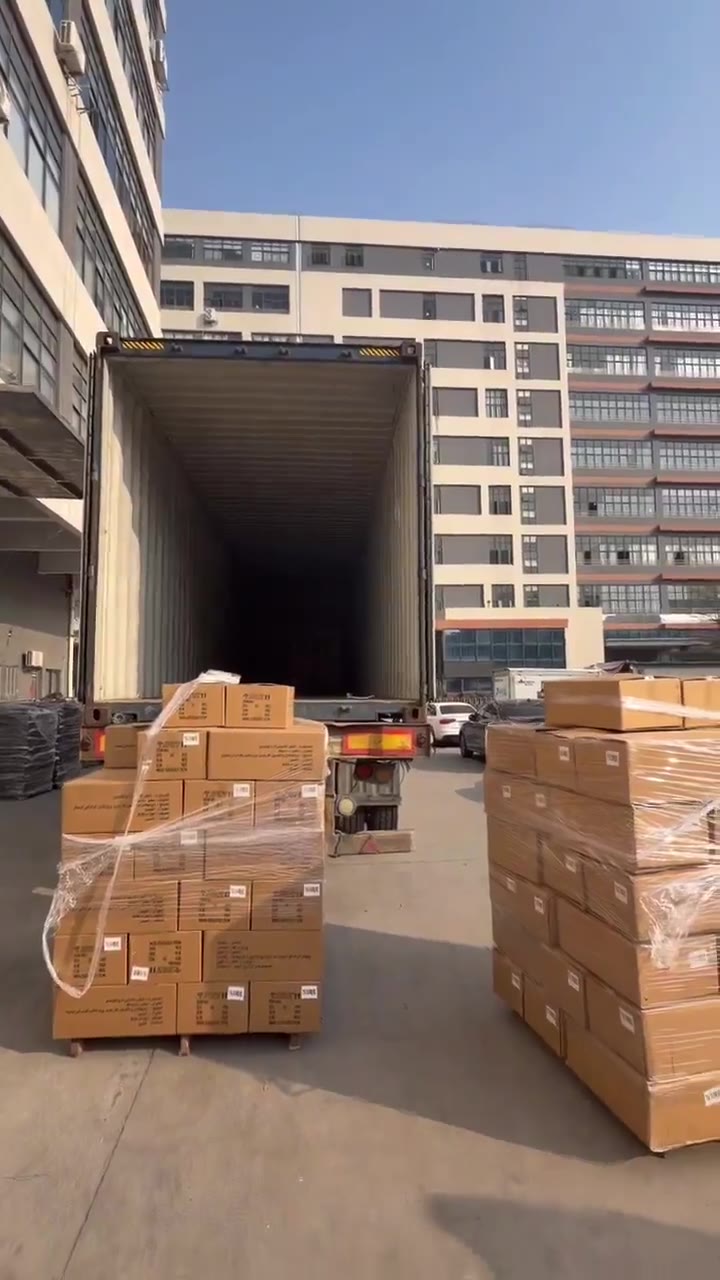
Importing small home appliances is not only about buying from a factory. The buyer also needs a plan for how products move after arrival. Goods may land at the port, enter a warehouse, move to regional wholesalers, reach appliance shops, appear on supermarket shelves, or become stock for online sellers. If this flow is not planned, even a good product can move slowly.
Port Arrival Should Connect with Sales Planning
Before goods arrive, the importer should already know which part of the shipment goes to warehouse stock, which part goes to priority dealers, and which models should be kept for display or promotion. Waiting until the container arrives to decide allocation can create delay, extra handling cost and slow cash turnover.
For small appliances such as air fryers, blenders, electric fans, rice cookers, water dispenser pumps and vacuum sealers, different categories may require different distribution speed. Seasonal items may need faster movement. New OEM items may need display support. Compact add-on items may be allocated to more sales points.
Warehouse Control Protects the Importer's Cash
A warehouse is not only a storage place. It is where cash is temporarily locked. Importers should track which models move out first, which cartons stay too long, which channels request more stock, and which products need stronger explanation before dealers accept them.
Good warehouse control helps the buyer prepare the next factory order. If one category sells quickly but another category stays in stock, the buyer can adjust the second shipment before repeating the same mistake. This is why warehouse movement should be treated as business data, not only inventory.
Regional Dealers Need Clear Product Roles
When importers work with regional dealers, each product should have a buyer-defined role. One model can test movement in an established channel, another can test a different landed-cost or positioning range, and a third can be released in a limited quantity to a new channel such as supermarkets or appliance shops. These are controlled channel hypotheses, not factory predictions of turnover, margin or expansion.
Dealers also need simple selling points. The importer should be able to explain why this air fryer, blender, fan or water dispenser pump fits the local buyer. A factory can support model comparison and product information, but the importer should define the target dealer type and local sales logic.
Appliance Shops Need Display Continuity
Appliance shops often sell through trust and demonstration. If an importer wants to build a dealer network through appliance shops, model continuity matters. Shops need to know that a good-selling model can be reordered, displayed again and explained consistently to customers.
Changing the model too often can make shop owners hesitant. Stable appearance, stable packing and stable model naming help shop sellers build confidence. This is where repeat-order planning and distribution planning meet: the importer should choose models that can stay in the channel long enough to become familiar.
Supermarket Channels Require Organized Presentation
Supermarkets and chain stores usually require cleaner product presentation. They may care about barcode, manual language, color box consistency, shelf appearance and carton information. If the importer wants supermarket distribution, these details should be discussed with the factory before the order is produced.
A supermarket channel may not accept the same presentation as a pure wholesale market. Even when the product function is similar, the packing direction and display information may need to be more organized. OEM packing can help, but it should support the channel strategy instead of only adding a logo.
Online Bulk Sellers Need Stock Stability
Online sellers can move products quickly when a video, post or promotion works. But they also need stable stock. If the importer cannot supply the same model again, online momentum is lost. For online bulk sellers, products should be easy to show, easy to explain and easy to reorder.
Products with visible use, simple function and compact packing can work well for this channel. Water dispenser pumps, rechargeable accessories, blenders, visible air fryers and practical kitchen appliances may all need different video-ready selling points. The importer should collect online feedback and share it before the next factory order.
Factory Support Should Match Distribution Reality
A factory can support more than production. When the buyer explains the distribution network, the factory can discuss model direction, packing level, product information, repeat supply, mixed container arrangement and OEM continuity. This makes cooperation more useful than a one-time quotation.
Zhongshan Yaoyuan Electric Appliance Co., Ltd. supplies small home appliances for importers, distributors, wholesalers, supermarket buyers, appliance shops, online sellers with bulk demand and OEM brand customers. MOQ starts from 1000 PCS. Wholesale only. Retail and one-piece orders are not accepted.
Distribution Planning Checklist
- Destination port, main city and warehouse plan
- Main channels: wholesalers, dealers, appliance shops, supermarkets or online bulk sellers
- Which models test movement, price positioning, display or brand-building hypotheses
- Whether the channel requires neutral packing, OEM color box or supermarket-ready packing
- Expected first shipment quantity and repeat order timing