Climate Context Is Not a Sales Forecast
Nigeria's official climate report identifies the southern hot season mainly in February and March and the northern hot season mainly from March to May. Ghana's meteorological agency reports that peak temperatures typically occur in March, with the extreme north often reaching the highest values. Importers should combine those references with current dealer commitments, stock, price and sell-through before setting a warehouse date or quantity.
Nigeria Requires More Than One Regional Calendar
A Lagos-centered importer serving southern dealers and a distributor serving Kano or other northern markets may use different buyer-verified release dates. One national arrival date can leave one region early and another late.
Divide quantity by intended sales region. Confirm how long cartons take to move from the port and central warehouse to the final dealer network. Use the dealer-ready date supplied by the buyer rather than converting a climate date directly into a sales forecast.
Ghana Climate Context Still Requires Channel Evidence
The Ghana Meteorological Agency identifies December to February as the Harmattan dry season and March as the typical peak-temperature month, with stronger heat in the north. The importer must still validate coastal, transition-zone and northern channel timing with current local sales and stock records.
The buyer should review GMet's current seasonal and sub-seasonal forecasts before final quantity release. Forecast information can inform timing, but it does not replace dealer orders, competitor stock checks or the buyer's commercial model.
Conventional, Rechargeable and Solar Fans Serve Different Problems
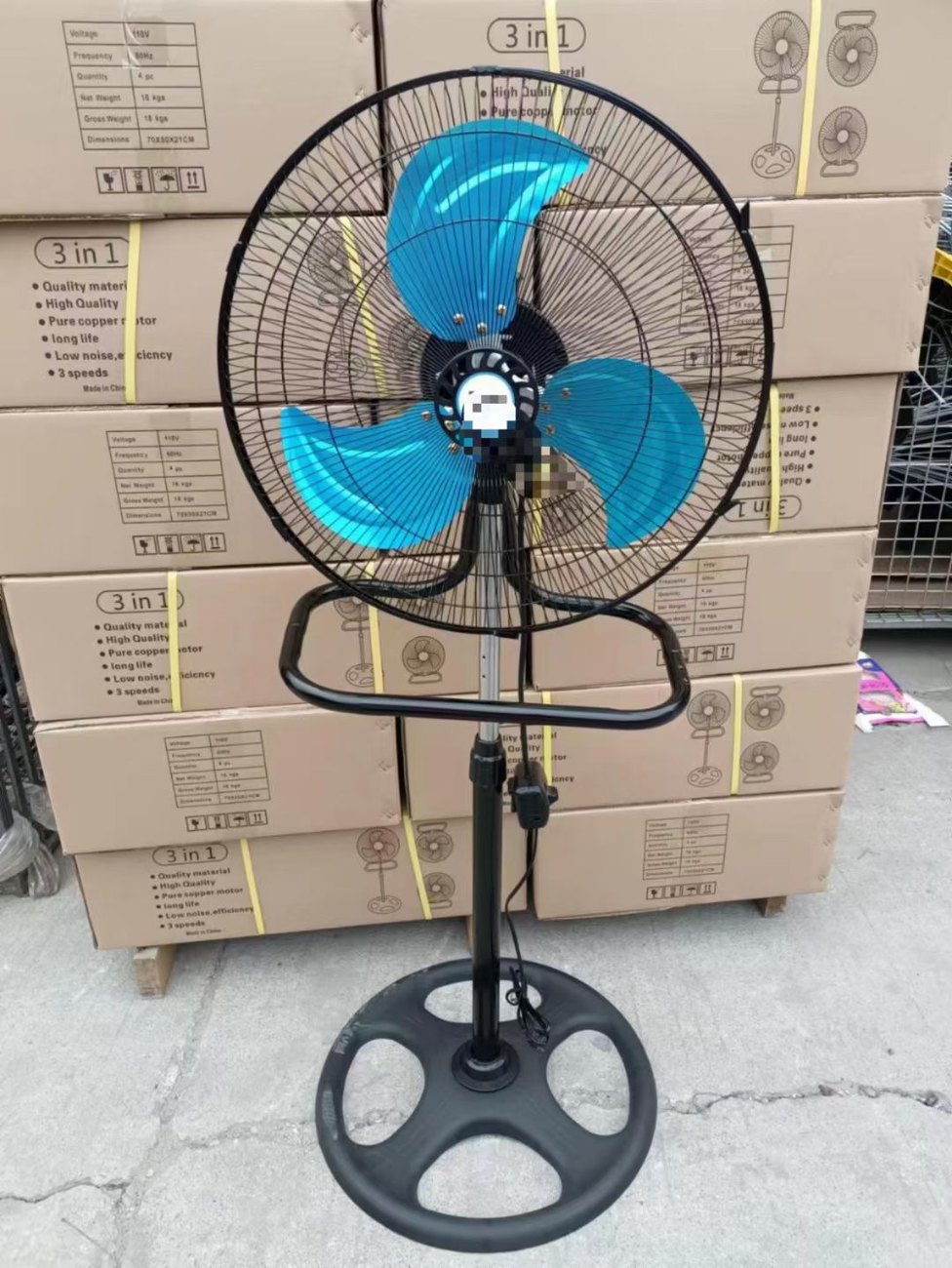
A basic stand fan competes on airflow, durability, price and carton efficiency. Rechargeable fans add value where backup power and mobility are real purchase reasons. Solar fan packages need a clear component and charging proposition. Do not market all three as interchangeable.
Build a model mix with defined roles: a broad-volume price model, a feature model and a power-backup direction where justified. Review solar versus rechargeable fans and the rechargeable fan guide.
Plan Port Arrival and Inland Delivery Separately
Goods can reach Lagos, Tema or another port and still require customs, trucking, receiving and dealer allocation. Congestion, document issues or payment arrangements may change clearance time. Obtain a current logistics estimate for the actual shipment.
For northern markets, add the domestic movement from the arrival port to the regional warehouse. The factory-ready date, vessel departure, port arrival and local warehouse arrival should remain separate milestones.
Protect the Carton for Multi-Stage Distribution
Fan cartons are large and may pass through several warehouses and vehicles. Confirm internal protection, master-carton condition, model markings and handling expectations. Low carton cost is not a saving when damaged guards, bases or blades reduce sellable quantity.
OEM buyers should finalize color box, manual, barcode and carton mark before printing. If several markets share one shipment, keep plug, label and packing versions traceable by SKU.
Use Dealer Sell-Through for Replenishment
A stronger first week does not automatically justify another full container. Collect weekly units sold, dealer stock, city coverage, returns, collection and wholesale price. Compare the buyer's remaining selling window with production, shipment, customs and distribution time. Reorder only when current evidence meets the buyer's written contribution and carryover thresholds.
Late seasonal stock can increase carryover exposure. Compare smaller, delayed and no-reorder scenarios before approving another shipment.
Country Pages and Product Pages Must Work Together
Use the Nigeria appliance market page or Ghana appliance market page for broader sourcing context, then return to the fan factory page and model catalog for product selection. This creates one sourcing path from market timing to actual fan models and quotation.
West Africa Fan Planning Checklist
- Country, city and north-south sales region identified
- Warehouse-ready date supported by dealer evidence
- Port clearance and inland dealer delivery included
- Conventional, rechargeable or solar role defined
- Plug, voltage and charging direction confirmed
- Carton protection checked for multi-stage handling
- Current NiMet or GMet climate context reviewed
- Replenishment based on buyer sell-through and remaining selling time
Wholesale Fan Supply for West African Importers
Yaoyuan Electric supplies electric fans for importers, distributors, wholesalers, supermarket buyers and OEM customers. MOQ starts from 1000 PCS. Wholesale only. Send the country, target region, selling month, fan type, quantity, packing request and destination port for a private order discussion.
Official climate references: NiMet State of the Climate and Ghana Meteorological Agency Climate Atlas.