Use the catalog to fix identity, not regulatory status
Use a model and catalog ID together when requesting the current sample, instructions and supplied-kit confirmation. Keep the physical configuration review separate from the proposed U.S. market presentation: the same sourcing file should identify what is being ordered and what still needs a qualified decision.
SL-G666’s red-light entry does not establish infrared, laser, wavelength or therapeutic effect. A photograph cannot resolve those questions.
SL-G666 / Catalog P312
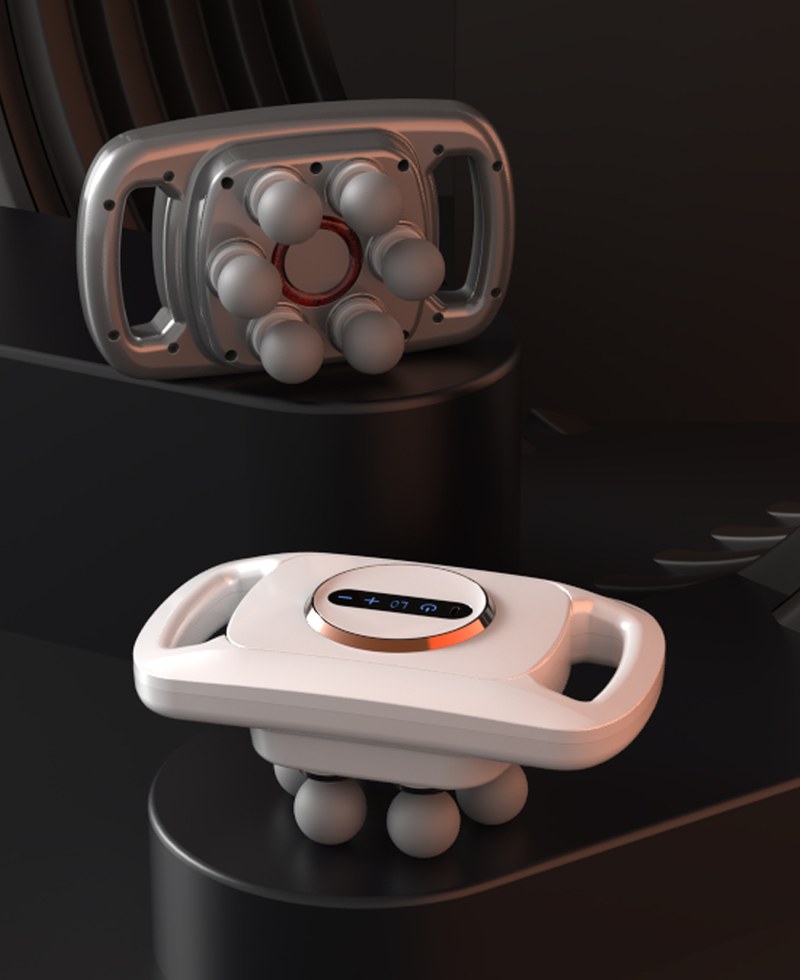
SL-G666 combines six heads with nine mode and nine level settings. Its entries list a 2000 mAh battery, numeric display and red lights. The catalog also lists DC 7.4 V and 15 W. These are configuration references, not a regulatory determination.
SL-G588 / Catalog P318
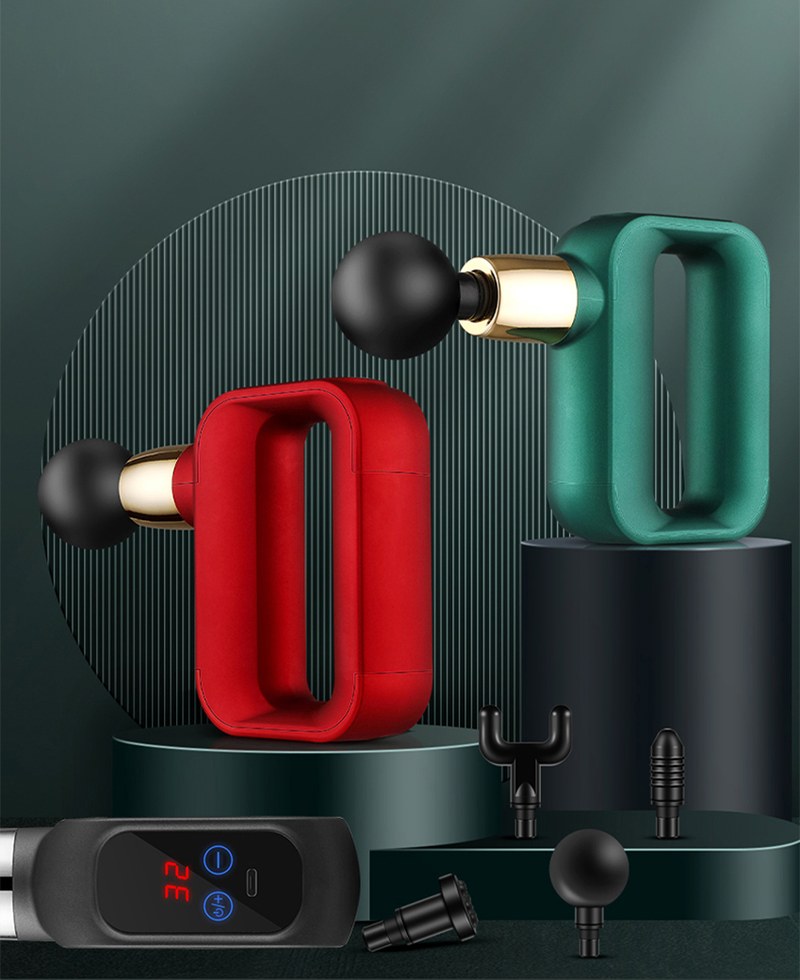
SL-G588 uses four replaceable attachments and 32 level settings. Its entries list a 1500 mAh lithium battery, USB-C charging and LED display. The catalog also lists DC 7.4 V and 24 W. Confirm the kit for the current order.
Product identification uses the supplied catalog, physical PDF pages 22 and 28.
Build an eight-field record that the buyer can act on
Make this one controlled file, not eight unrelated email attachments. Give it a revision number and link each supporting document to that revision. The hold points below are suggested purchasing controls: they identify when the buyer still lacks a usable brief, not a statutory filing checklist.
FDA intended-use rules consider more than the product name: statements, advertising, design, composition and distribution circumstances can matter. Keep the proposed presentation and actual design together in the review, rather than treating a wording change as a new regulatory conclusion.
| Field | What to record | Hold point |
|---|---|---|
| SKU and version | Model, catalog ID, sample revision and dated photos. | Unmatched sample. |
| Mechanism and kit | Mechanism, heads, handle, charging and supplied parts. | Unknown mechanism. |
| Use and users | Purpose, users and any proposed disease-related claims. | Scope unresolved. |
| Claim set | Package, manual, listings and promotion versions. | Conflicting wording. |
| Review basis | Reviewer, current primary references and review date. | Undated rationale. |
| Decision | Scope conclusion, rationale and remaining questions. | Conclusion missing. |
| Evidence handoff | Applicable evidence, responsible parties and exact version coverage. | Family-only evidence. |
| Approval control | Release owner and reassessment triggers. | Changed brief unreviewed. |
A completed row is a useful answer, not a tick. For example, record the exact manual revision and attachments supplied with the reviewed sample; do not enter only the product-family name. If a decision is unresolved, name the question and the person who will resolve it before artwork approval.
Keep the scope decision conditional
FDA’s January 2026 general-wellness guidance is a nonbinding policy. Its scope requires a qualifying general-wellness-only intended use and low risk; Class I alone does not establish the risk condition. Policy inclusion is not demonstrated safety or effectiveness, and a software-specific statutory exclusion must not be transferred to physical massage hardware.
21 CFR 890.5660 describes electrically powered medical-purpose therapeutic massagers as Class I under general controls, with a premarket-notification exemption subject to 890.9. Different intended uses or fundamental scientific technology can exceed that exemption. A generic category record does not establish the route or responsibilities for either catalog model.
A proposed wellness-only presentation
Ask the qualified reviewer to assess the actual intended use and risk against the current policy, including any proposed disease-related wording. Do not assume every wellness claim qualifies, or that deleting one sentence settles the product’s status. Record the basis and unresolved design questions.
A proposed medical-purpose presentation
Have the reviewer determine whether the actual device and purpose fit a regulated category and whether any claimed exemption applies within its limits. Keep that determination tied to the exact version. Do not borrow another product’s classification or substitute a general appliance report for the recorded scope.
An unresolved presentation or mechanism
Record it as unresolved rather than defaulting to an exemption. FDA’s determination resources provide routes for further assistance; the responsible reviewer can choose the appropriate inquiry. The buyer can hold final market-facing approval while seeking the missing mechanism, purpose or evidence information.
This is not a choice between convenient marketing labels. The useful result is a dated, reasoned review of the product that will actually be ordered and presented. No branch here supplies a model-specific determination.
Ask for the evidence that fits the recorded route
If a qualified determination places the ordered version on a medical-device route, identify the applicable manufacturer and importer responsibilities separately. FDA describes requirements for foreign device manufacturers and initial importers; an exemption from premarket notification is not an exemption from every applicable requirement. Do not describe Yaoyuan as a medical-device manufacturer on the strength of this catalog.
For an applicable device import, the declared manufacturer, importer, product description and applicable regulatory information need to reconcile with the entry review. Ask who will own that handoff and which documents cover the exact version. A folder named FDA, or an authorization from another country, is not an answer to that question.
The sourcing team should request availability and coverage, not promise that documents exist. Separate evidence already supplied for the named version from evidence requested, outstanding review questions and work assigned to the importer or another responsible party. Do not combine those states into a single approved stamp.
Reopen the record when the order or artwork changes
Keep the reviewed sample, kit list and claim set linked to the purchase brief. Before replacing a head arrangement, charging configuration, mechanism description or accessory set, ask whether the change affects the recorded basis. The point is not to assume every change has the same regulatory consequence; it is to prevent an unreviewed version from inheriting an earlier answer.
Apply the same check when a brand team changes the package, manual or online offer. Send the changed wording and affected design details to the responsible reviewer, record the new decision or open question, and identify which earlier documents still cover the version. Avoid making procurement approval depend on a reassuring filename or a verbal statement.
You can start the commercial RFQ while clearly marking the scope review as open. Ask for current model identification, sample and manual revisions, supplied attachments and the available version-specific evidence. Do not ask the supplier to replace a qualified U.S. determination with a blanket assurance.
Send a model-specific RFQ with the proposed U.S. brief
Include the catalog ID, quantity, intended users, proposed purpose, draft claim file, current review status and the evidence questions you need answered. Also identify the destination and any requested charging or packing configuration so the commercial discussion refers to the same version. The model pages remain responsible for their full published specifications.
Yaoyuan is factory direct and wholesale only; MOQ starts from 1000 PCS. Use the model links below to request current-order confirmation and available information. The inquiry does not imply FDA status, a completed review, document availability or acceptance of a medical-purpose order.