Wi-Fi Control
Before Adding Wi-Fi or Bluetooth to a UK Appliance
UK Smart Appliance Radio Equipment and Module Evidence Handoff
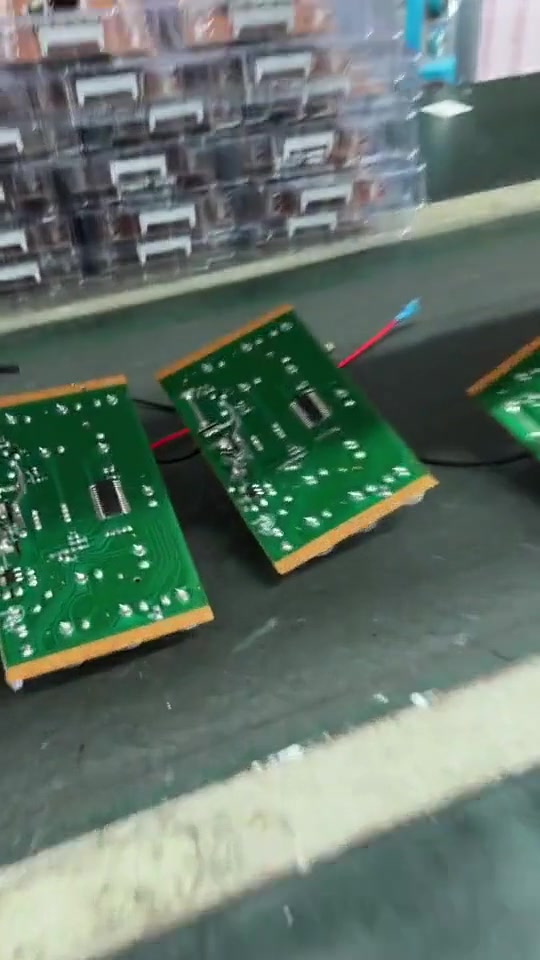
A Wi-Fi or Bluetooth module can change an ordinary appliance into radio equipment. The finished product then needs a UK market route connecting health and safety, electromagnetic compatibility, efficient radio-spectrum use, the integrated module, antenna, enclosure, power supply, firmware, user instructions, declaration and production configuration.
A module certificate or test report can support the project, but it does not automatically approve the complete air fryer, fan, pump, oven or other appliance. Yaoyuan can coordinate available legitimate factory-side product, module, antenna, PCB, firmware, sample, report, artwork and production information for an approved wholesale order. Responsible manufacturers, UK importers, competent laboratories and qualified UK professionals determine legal scope, standards, assessment, conformity and market action. Wholesale only. MOQ starts from 1000 PCS.
Direct Answer for UK Smart-Appliance Importers
Does a certified Wi-Fi or Bluetooth module cover the finished appliance?
No. Module evidence may help define part of the radio design, but integration can change the antenna conditions, radio performance, EMC, exposure, safety, software, enclosure and intended use. The responsible business must assess and document the complete radio equipment as placed on the relevant UK market.
The module, antenna and host appliance form a system. A different antenna, supply voltage, PCB layout, metal enclosure, cable route, motor, heater, display, switching power supply or firmware setting can change the result. The buyer should therefore freeze the production configuration before selecting reports or approving the declaration.
Choose the UK Route First
Great Britain and Northern Ireland use related but different controls
| Decision | Great Britain | Northern Ireland | Order control |
|---|---|---|---|
| Core route | The Radio Equipment Regulations 2017 as they apply in GB. | The same UK Regulations apply differently in NI under the Windsor Framework and EU radio-equipment rules. | State GB, NI or both before sample and document approval. |
| Conformity marking | Current official guidance recognizes UKCA and, for covered goods, CE routes in GB subject to the applicable conditions. | CE is the normal route; UKNI accompanies CE where a UK notified body is used for mandatory third-party assessment. CE plus UKNI does not provide EEA access. | Do not use one declaration or artwork without confirming each territory. |
| Standards route | Use current GB designated standards and note any restrictions or dates. | Use current EU harmonised standards and applicable EU requirements. | Record the exact standard version, clauses, restrictions and product configuration. |
| Connected-product security | PSTI may apply separately to relevant consumer connectable products. | Additional radio-equipment cybersecurity essential requirements apply to covered products placed on the NI market from the applicable dates, including certain internet-connected equipment placed from 1 August 2025. | Keep radio conformity and consumer-connectable security as connected but distinct files. |
| Economic operator | Identify the GB manufacturer or importer and its duties. | Identify the NI or EU responsible economic operator required for the supply route. | Apply the correct identities to product, packaging and documents. |
Feature-to-Scope Decision
The word "smart" does not define the radio file
Bluetooth
Setup, local control or phone bridge
Identify profiles, pairing, range, radio parameters, antenna, permissions and whether the phone connects the product to an internet service.Remote Control
Separate radio and non-radio technologies
An infrared remote is not automatically radio equipment. A 2.4 GHz or other RF remote requires its own product-level scope review.Accessory Module
Optional hardware can create a separate variant
If radio is fitted only to some units, assign controlled radio and non-radio models, BOMs, labels, declarations and inspection criteria.Buyer Platform
App and cloud ownership must be written
Define who controls firmware, app publishing, server access, updates, credentials, support and change approval.Market Restrictions
Country and installation conditions matter
Confirm permitted bands, power, indoor or outdoor restrictions, accessories and any authorization or use information.Three Essential-Requirement Layers
Radio equipment is more than a spectrum test
Health and Safety
Protect people, animals and property
Assess the complete product, including electrical and mechanical safety and relevant health considerations, rather than relying on the module alone.EMC
Control emissions and immunity
Host electronics, heater or motor controls, switching supplies, displays, cables and radio transmit or receive modes can interact.Radio Spectrum
Use spectrum effectively and efficiently
Connect frequency, power, modulation, bandwidth, antenna and receiver behavior to the finished production configuration.Additional Requirements
Check every activated product function
Product category, connectivity, data processing, emergency use or other characteristics can activate further requirements in the applicable territory.Other UK Rules
Radio does not replace other compliance files
PSTI, RoHS, WEEE, electrical safety, ecodesign, packaging, batteries and food contact remain separate scope decisions.Conformity Assessment
Standards coverage affects the route
Qualified UK professionals should confirm the applicable standards, restrictions, assessment modules and any approved or notified body involvement.UK Radio Scope Master
Freeze the complete connected configuration before testing
| Record | What to freeze | Why the buyer needs it |
|---|---|---|
| Market identity | GB, NI or both; manufacturer, importer, brand owner, channels and placing-on-market plan. | Determines marking, declaration, standards and responsible-party route. |
| Finished model | Commercial and factory model, ratings, functions, protection class, accessories and intended users. | Prevents a generic module file being applied to a different host product. |
| Radio module | Manufacturer, model, hardware revision, chipset, supported bands, output, label and production supplier. | Links evidence to the module actually fitted to production. |
| Antenna system | Type, manufacturer, model, gain, cable, connector, placement, orientation, separation and enclosure conditions. | Antenna changes can alter RF performance, exposure and standards coverage. |
| Host electronics | PCB, power supply, motor, heater, relay, switching frequency, display, ports, cables and grounding. | Defines EMC and safety interactions with radio operation. |
| Firmware | Controlled version, regional settings, frequencies, power, protocols, duty cycle, update path and release owner. | Connects test results and spectrum controls to executable production software. |
| App and cloud | Publisher, owner, domains, accounts, APIs, permissions, data flow, service region and update responsibility. | Clarifies intended use, security scope and long-term operational ownership. |
| Test modes | Normal, worst-case, simultaneous radio and host functions, data rates, channels, power and accessories. | Ensures the assessment represents realistic and worst-case product states. |
| Documents | Risk assessment, technical description, drawings, BOM, reports, declaration, labels, instructions and restrictions. | Creates one traceable product-level conformity file. |
| Production baseline | Approved sample, programming, antenna assembly, labels, inspection and change-notice process. | Keeps shipped units aligned with the assessed configuration. |
Module Evidence Handoff
Use module records as inputs, not a finished-product shortcut
Identity
Match the exact hardware and firmware
Similar module names, chipsets or supplier photos do not establish production traceability.Report Scope
Read complete reports and limitations
Check sample, antenna, bands, power, software, test modes, standards, deviations, results and restrictions.Integration
Preserve documented conditions
Compare supply, layout, antenna, separation, enclosure, cables and host conditions with the tested arrangement.Remaining Assessment
Define product-level work
Ask competent laboratories what safety, EMC, spectrum, exposure and other evaluation remains after integration.Supplier Changes
Require notice before substitution
Control module, chipset, crystal, filter, power amplifier, antenna, firmware, manufacturing site and evidence revisions.End of Life
Plan replacement before the last buy
A substitute radio module can require hardware, firmware, testing, declaration, label and production changes.Factory-to-Importer Workflow
Nine gates before connected-appliance production
Define the connected use case
Describe every radio function, user, destination and product mode in commercial language and technical terms.
Select GB, NI or both
Freeze economic operators, marking, declarations, standards and placing-on-market plan.
Freeze module, antenna and host
Approve the exact hardware, placement, power, enclosure, PCB and accessories.
Freeze firmware, app and cloud
Assign versions, owners, credentials, regions, updates, support and change authority.
Map all applicable requirements
Separate radio, safety, EMC, spectrum, PSTI and every other product-specific duty.
Approve the assessment plan
Use competent laboratories and qualified professionals to define samples, modes, standards and evidence.
Assess the finished sample
Use production-representative hardware, software, antenna, app, cloud and worst-case operating conditions.
Align documents and artwork
Match the technical file, declaration, labels, restrictions, English instructions, app information and responsible parties.
Lock production and changes
Control purchasing, assembly, programming, inspection, traceability and approval before any substitution.
Reassessment Triggers
Reopen the radio file when configuration or market changes
| Change | Possible impact | Required control |
|---|---|---|
| Module or chipset | Radio parameters, hardware, firmware, standards evidence and supplier traceability can change. | Freeze the substitute and obtain competent review before release. |
| Antenna or enclosure | Gain, tuning, field pattern, exposure and radiated performance can change. | Compare integration conditions and repeat affected assessment where required. |
| PCB or power supply | Noise, immunity, grounding, thermal and radio performance can change. | Review host interaction and affected test modes. |
| Firmware or region setting | Channels, power, duty cycle, protocol, security or assessed identity can change. | Maintain controlled builds and document the effect on evidence. |
| App or cloud service | Intended use, accounts, data flow, security, support and customer instructions can change. | Approve the service change and update connected files. |
| GB or NI destination | Marking, standards, responsible entity and additional requirements can change. | Open a new territory decision instead of renaming existing artwork. |
Connected UK Procurement Files
Keep radio evidence connected but distinct
PSTI consumer-connectable security
Control passwords, vulnerability reporting, support periods, Statement of Compliance and post-market security duties separately.
UK EMC evidence
Radio-equipment EMC is product-level; host electronics and radio modes must remain aligned with the assessed sample.
UK electrical safety
Keep protective construction, critical components and finished-product risk evidence connected to the radio configuration.
UK marking and technical file
Connect market route, economic operators, declaration, marking, instructions and retention to the exact radio SKU.
EU smart-appliance route
Use the separate EU RED and Cyber Resilience Act transition file when products are placed on the EU market.
Component change control
Require approval before module, antenna, PCB, firmware or supplier substitutions enter production.
Current Official UK Sources
Verify live GB and NI requirements before every launch
This guide was reviewed against official information current on 30 July 2026. Legislation, designated or harmonised standards, marking routes and additional connected-product requirements can change. Use current official texts, competent laboratories and qualified UK professionals for the exact product and launch date.
GOV.UK: Radio Equipment Regulations 2017 guidance for Great Britain
GOV.UK: Radio Equipment Regulations 2017 guidance for Northern Ireland
GOV.UK: Current designated standards for radio equipment in Great Britain
Wholesale UK Smart-Appliance Inquiry
Send the complete radio configuration before sample approval
Send buyer company, GB or NI destination, responsible importer and brand owner, product and model, quantity, intended users and functions, radio technology, bands and protocols, module manufacturer and model, antenna type and placement, PCB and power supply, firmware version and regional settings, app and cloud owners, available complete reports, proposed marking and declaration route, target launch date and destination port. Use inquiry code UKRADIOFILE1000.
Wholesale only. MOQ starts from 1000 PCS. No retail or one-piece orders.