For Rechargeable Fans, Water Pumps and Battery-Powered Appliances

UK Portable Battery Producer Registration and Appliance Data Handoff

A rechargeable appliance can create a separate UK battery-producer workstream even when the battery is already installed inside the finished product. The responsible UK business must identify who first places the battery on the market, classify the battery, select the registration route and keep chemistry and weight data tied to the actual appliance model.

Yaoyuan can coordinate legitimate factory-side product, battery, weight, packing and shipment evidence for an approved wholesale order. The factory does not register another company, issue a UK battery producer registration number or decide a buyer's legal status. This page is general B2B procurement information, not legal, environmental or registration advice. Wholesale only. MOQ starts from 1000 PCS.

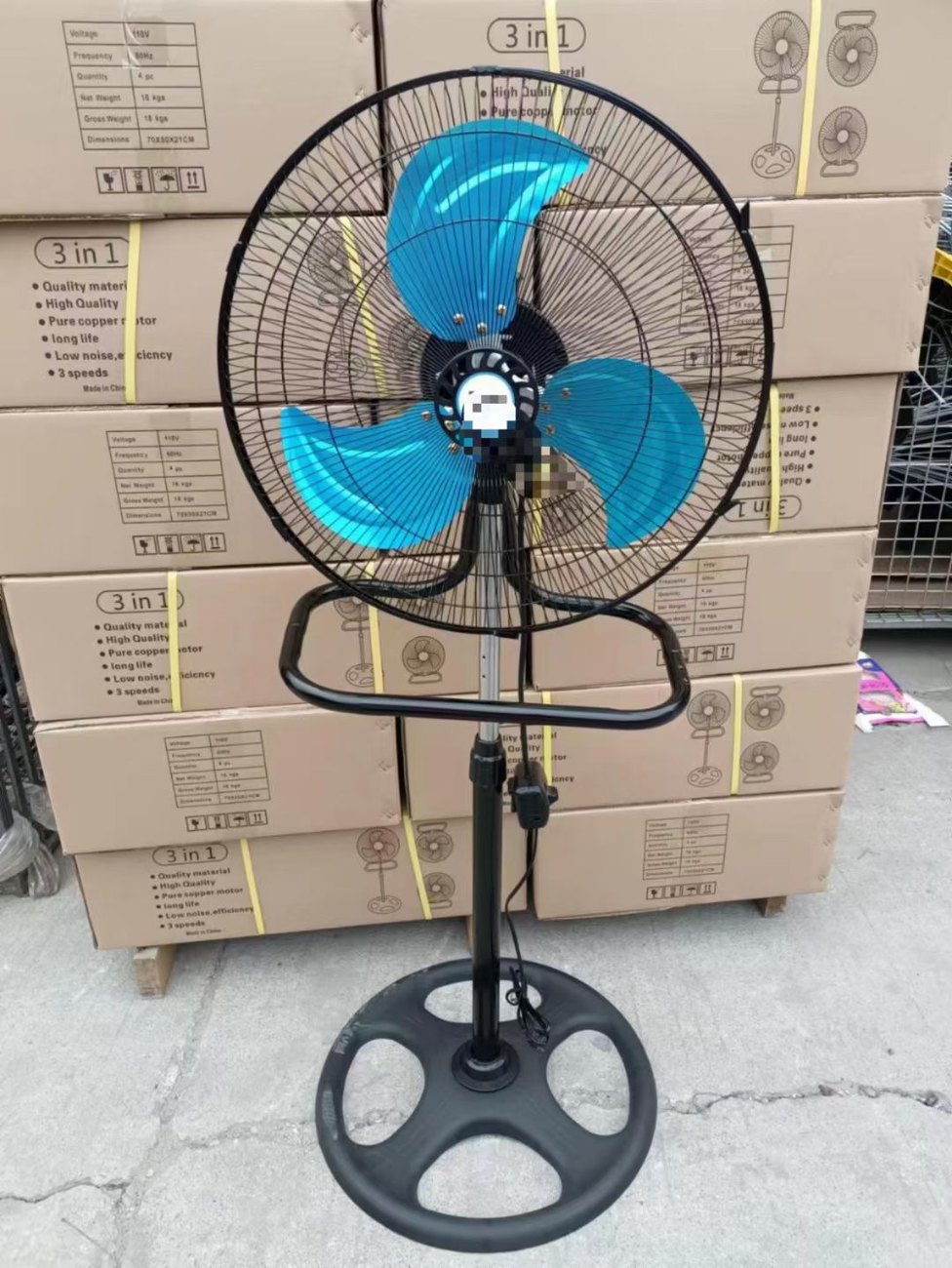
Rechargeable electric fan cartons requiring a controlled UK portable battery producer and model data handoff

Direct Answer for UK Importers

Who is the UK battery producer?

Current official guidance says a business is a battery producer when it has a UK business presence and is the first person in its selling chain, including an importer, to make batteries available for supply or sale on the UK market. Batteries installed in appliances are included. In a normal factory-to-UK-importer order, the UK importer is therefore usually the business that must assess registration and reporting.

Producer identity follows the legal entity and the first UK supply route, not the logo printed on the battery, the party that paid the freight or the factory named on the export invoice. Map the overseas factory, UK importer, brand owner, distributor, retailer, online seller and any UK company controlled by an overseas seller before accepting the order for market launch.

Classify Before Registering

Portable and industrial batteries use different routes

Battery routeOfficial characteristicsTypical appliance questionControl before quotation
Portable batterySealed, not automotive or industrial, and capable of being hand-carried by an average person without difficulty.Does the rechargeable fan, water pump, milk frother or food chopper contain a small sealed battery pack?Record construction, intended use, battery dimensions, weight and chemistry. Do not classify from capacity alone.
Industrial batteryDesigned exclusively for industrial or professional use, used for electric-vehicle propulsion, unsealed and non-automotive, or sealed but outside the portable definition.Is the product genuinely designed only for industrial or professional users, or is that wording being used to avoid the portable route?Keep intended-use evidence and obtain a documented classification decision from the responsible UK party.
Battery in EEEThe battery remains part of the battery regime even when installed in electrical and electronic equipment.Does the battery weight need to be removed from the appliance weight reported under UK WEEE?Maintain separate finished-unit, battery and EEE-without-battery weights for each controlled model revision.
Replaceable or embeddedPhysical installation affects service, marking and evidence, but does not by itself remove producer duties.Can the user remove the battery, or is specialist disassembly required?Record installation, connector, pack identity, service route and approved instructions.

Classification should be confirmed before annual tonnage is calculated. A product description such as "rechargeable", "commercial" or "professional" is not a documented battery classification.

Portable Battery Registration Route

The one-tonne threshold changes how the producer registers

More than one tonne a year

A producer placing more than one tonne of portable batteries on the UK market in a compliance year must join a battery compliance scheme by 15 October before that year. The scheme registers members annually, reports market data and manages collection and recycling evidence.

One tonne or less a year

A small portable battery producer registers directly with the environmental regulator for the UK country of its registered office through NPWD. It submits the previous year's portable-battery tonnage and chemistry by 31 January of the following year.

Threshold forecast

Calculate battery weight, not total appliance weight. Include all portable batteries first placed on the UK market by the producer across the relevant business, brands and products. Do not test the threshold using one shipment only.

Changing producer size

Official guidance requires a large producer to notify its battery compliance scheme within 14 days of relevant registration changes or no longer being large. A small producer tells its regulator within one month if it is no longer small.

Annual data owner

Name the person who reconciles imports, UK supply, stock, returns and exports with battery chemistry and net weight. A registration without a repeatable quantity method is not a controlled reporting system.

2026 reporting rhythm

Official 2026 service levels show quarterly market-tonnage returns for battery compliance schemes and a 31 January 2027 return for 2026 small-producer data. The responsible producer should verify the current calendar with its scheme or regulator.

Model-Specific Evidence

Build one UK battery data file for every rechargeable SKU

Required fieldFactory-side evidenceUK buyer decisionRelease control
Commercial identityProduct name, model, variant, brand artwork, ratings, accessories and production revisionUK producer, importer, registration route and market nameAll documents identify the same SKU
Battery identityCell or pack supplier, model, construction, nominal voltage, rated capacity and installationPortable, industrial or another documented routeApproved sample matches production
ChemistryAvailable cell or pack specification and supplier declarationReportable chemistry category and annual data mappingNo chemistry inferred from appearance
Net battery weightControlled battery-only weight and weighing basisAnnual portable-battery tonnes and one-tonne threshold calculationScale record and revision match the supplied pack
EEE separationFinished appliance weight and battery-only weightEEE weight without battery for WEEE reporting, where applicableBattery weight is not counted twice
Market quantityOrder quantity, carton quantity, shipment date and revisionActual UK placed-on-market quantity by reporting periodImports, stock, UK supply, returns and exports remain distinct
Registration handoffModel list, packing list and commercial document referencesNPWD or BCS route, producer registration number and data ownerCorrect producer number reaches distributors and business users
Change historyBattery supplier, model, chemistry, capacity, weight, connector and firmware-related changesNeed for classification, transport, WEEE or reporting reassessmentNo battery substitution without written approval

Commercial Document Handoff

The BPRN belongs in the buyer's controlled commercial file

Official guidance states that a producer supplying distributors or business end users should put its battery producer registration number on paperwork such as invoices, contracts or delivery notes. The BPRN identifies the registered producer; it is not a product certificate, battery test report or approval of every model.

Do not copy a BPRN from another company, use the factory's export identity in place of the responsible UK producer or assume a compliance-scheme membership number covers an unrelated legal entity. Connect the verified producer identity and BPRN to the correct order, brand, invoice route and distribution records.

Battery brand information may also be reportable when available. Freeze the final battery and appliance brand treatment before artwork and production approval so annual records do not conflict with the physical goods.

Four Separate Workstreams

A transport report does not complete UK producer responsibility

Battery transport

UN 38.3 test summaries, dangerous-goods classification, state of charge, packaging and carrier acceptance control transport. They do not establish the UK producer, registration route or annual market tonnage.

Waste batteries

Producer identity, battery classification, chemistry, battery weight, threshold, NPWD or BCS registration, BPRN and collection obligations belong to the waste-battery workstream.

UK WEEE

The appliance's EEE scope, household or non-household route, category, EEE weight without battery, registration, markings and distributor take-back remain separate.

Packaging EPR

Color box, inserts, bags, master carton, straps and transport packaging use component-level material and weight data. Battery or appliance weight must not be entered as packaging weight.

Distribution and Take-Back

Retail activity can add a separate portable-battery take-back duty

Current official guidance says UK distributors and retailers that sell or supply more than 32 kilograms of batteries per year must participate in the portable-battery take-back scheme. This normally means providing a free collection point and arranging transfer to an approved battery treatment operator or approved battery exporter, often through a battery compliance scheme.

The responsible UK business should confirm how installed batteries are treated in its sales route, whether separately sold replacement batteries are included and which physical or online customer information is required. Producer registration and retailer take-back are related but not interchangeable duties.

Wholesale Project Workflow

Move from battery selection to a reportable UK record

01

Name the responsible parties

Record the overseas factory, UK importer, brand owner, distributor, retailer and first UK supply route.

02

Freeze the battery

Approve the cell or pack identity, chemistry, weight, voltage, capacity, installation and appliance revision.

03

Classify the battery

Confirm the portable or industrial route using current official guidance and the actual intended use.

04

Forecast annual UK tonnes

Multiply controlled battery-only weight by all relevant annual units, then reconcile actual UK market supply.

05

Select NPWD or BCS registration

Use the one-tonne threshold and responsible legal entity; verify current deadlines with the regulator or scheme.

06

Separate WEEE and transport data

Keep EEE-without-battery weight, waste-battery data and UN 38.3 transport evidence in linked but distinct files.

07

Approve production and documents

Lock battery substitution, BPRN handoff, packing references, inspection points and change approval before shipment.

08

Reconcile after UK supply

Use actual placed-on-market records for reporting and keep imports, stock, exports and returns separate.

Current Official Sources

Verify the route against the responsible UK regulator

This guide was reviewed against current official information on 29 July 2026. Buyers should verify the exact product, business, UK nation and compliance year before acting.

GOV.UK: Waste batteries - producer responsibility

GOV.UK: Regulations - batteries and waste batteries

GOV.UK: Batteries data service levels 2026

National Packaging Waste Database

Wholesale Project Intake

Send a model-specific UK portable battery inquiry

For a useful factory response, send the buyer company, UK producer, product model, order quantity, battery type, chemistry, battery-only weight if known, annual UK forecast, NPWD or BCS status, WEEE route, destination port and requested launch date.