1. Define the product reference
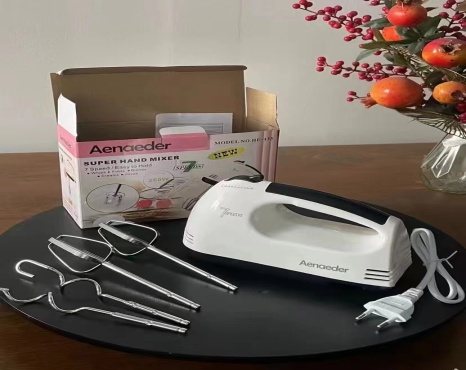
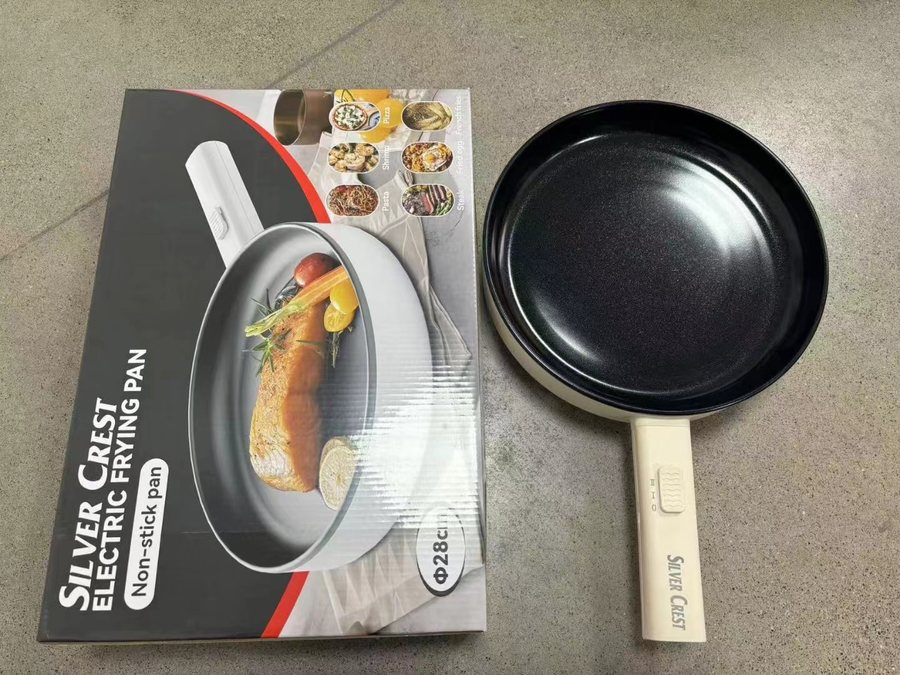
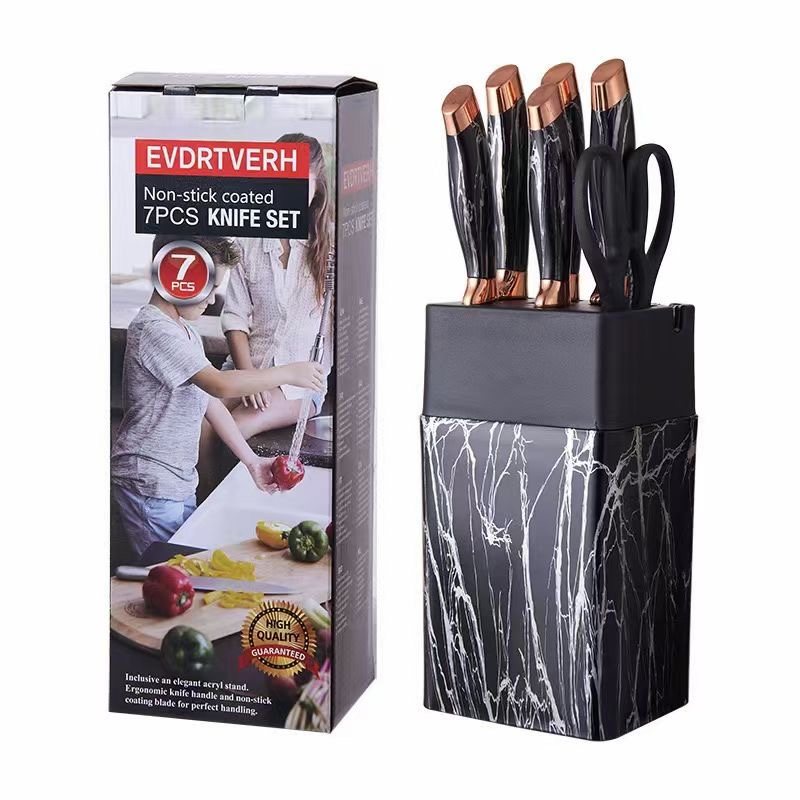
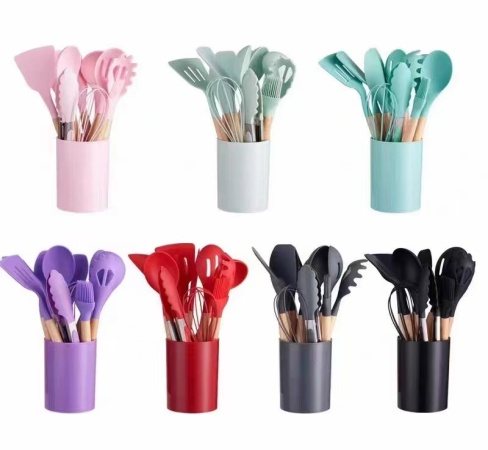
Start with one named configuration or attach a clear reference image. Hand mixers, electric frying pans, knife sets and silicone utensils require different specifications, test methods, packing controls and destination-market checks.
2. Freeze the exact set contents
For knife and utensil sets, write every piece into the specification. A set-count number alone does not identify blade types, scissors, peeler, whisk, brush, holder or other accessories.
3. Separate appearance from material
Marble pattern, wheat straw, acrylic handle and printed color box are catalog descriptions, not complete material declarations. Require a component-level BOM and applicable buyer-defined evidence for the current version.
4. Confirm electrical identity where applicable
For the hand mixer and frying pan, approve rated power, voltage, frequency, plug, cord, rating label, control operation and required destination documents for the exact sample. Never copy an electrical field from another product.
5. Approve retail and master packing
Confirm unit arrangement, color box artwork, language, barcode, warning text, accessory protection, master-carton dimensions, quantity per carton, gross and net weight and shipping marks.
6. Recalculate loading from final cartons
Historical 40HQ values are planning references only. One source row is negative, proving why loading data must be recalculated from the final carton, pallet policy, loading method and actual order mix.
7. Build observable inspection checks
Inspection should verify the approved pieces, colors, dimensions, electrical operation where relevant, visual finish, printing, accessories, packing count, carton marks and buyer-defined functional checks.
8. Keep quotation lines comparable
Send exact configuration, sample revision, quantity, market, electrical requirement, OEM scope, carton target, trade term, destination and inspection plan. Otherwise two quotations may describe different goods.