OEM Starts Before Artwork
Select and approve one product route, current sample, component architecture, electrical version and supported claim set before logo or box design begins.
Ceramic hob wholesale
OEM ceramic hob orders should connect model choice, packing level, local retail channel and repeat supply plan rather than only changing a logo.
Wholesale only. MOQ starts from 1000 PCS. Model, electrical version, packing, evidence and inspection scope must be confirmed for the current order before release.
Procurement Answer
OEM ceramic hob cooperation should freeze one catalog route, current sample, signed specification, component architecture, destination electrical version, supported claims, artwork, manual, packing, first-batch approval, pre-shipment inspection and repeat-order change control. Logo printing alone is not an OEM control system. Wholesale only; MOQ starts from 1000 PCS; quotation code OEMHOB1000.
Buyer decision points
Select and approve one product route, current sample, component architecture, electrical version and supported claim set before logo or box design begins.
Logo, product name, model, specifications, warnings, manual, barcode and carton marks should reference the same approved version and revision.
Review the first production batch against the sample, specification and approved packing before routine production or shipment release.
A logo does not freeze the BOM. Define which component, artwork and packing changes require notice, evidence and re-approval.
Source Catalog Candidates
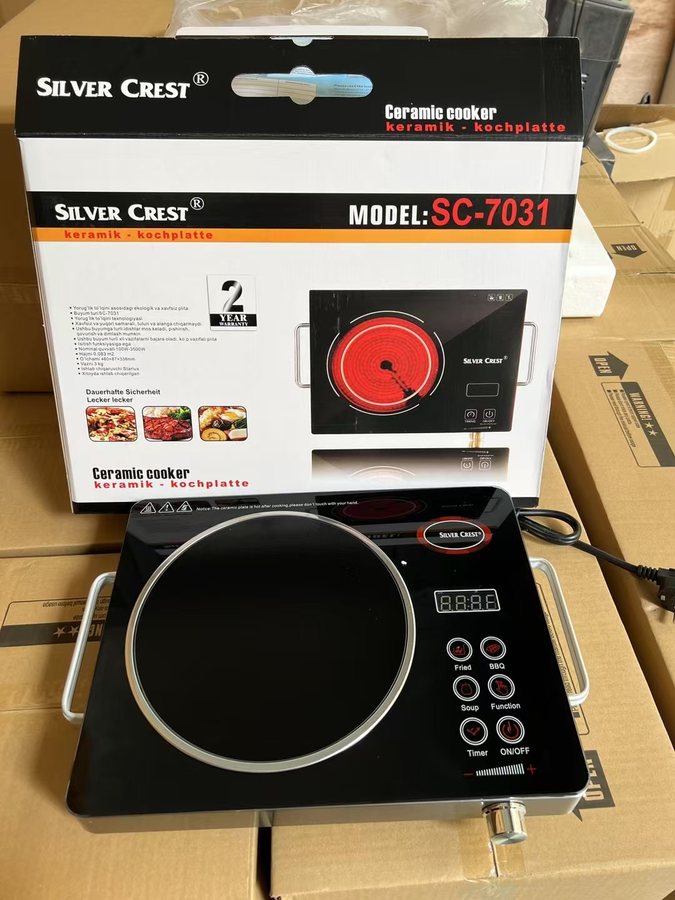
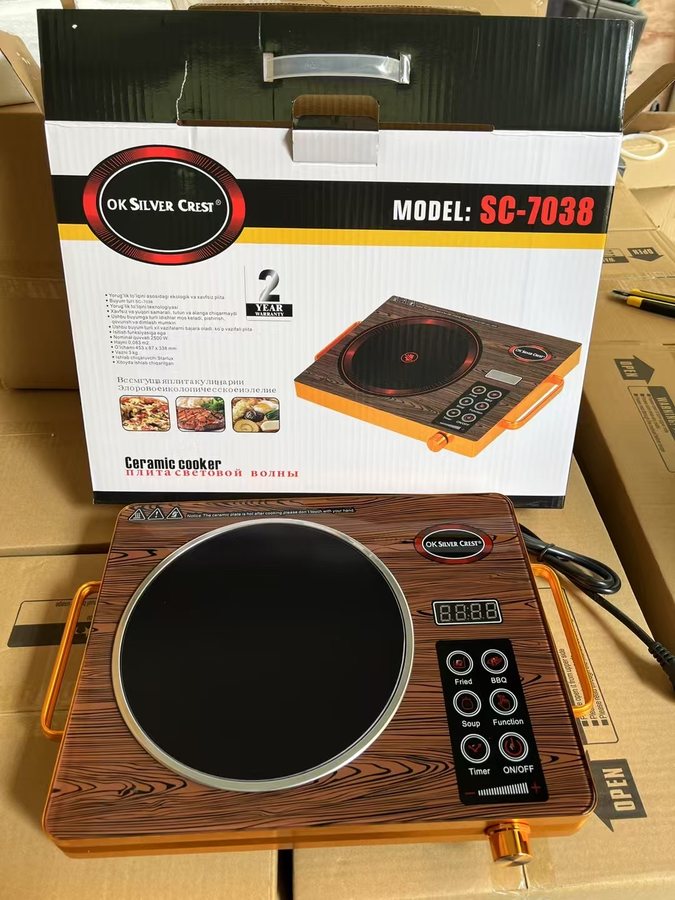
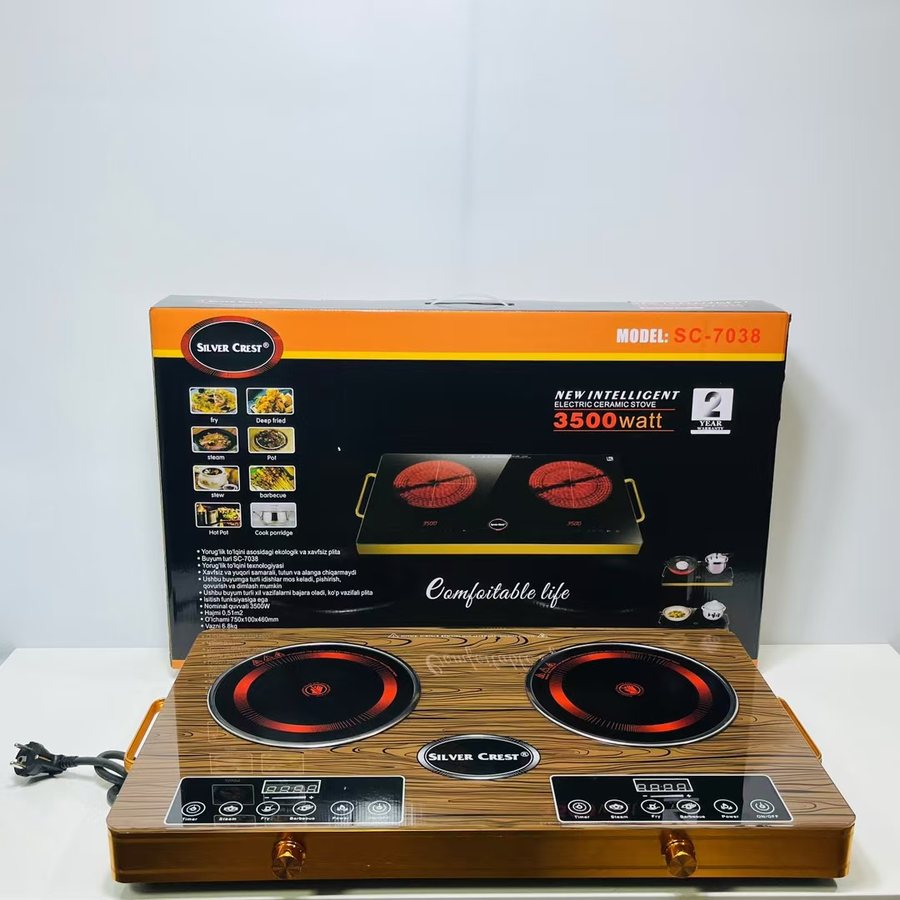
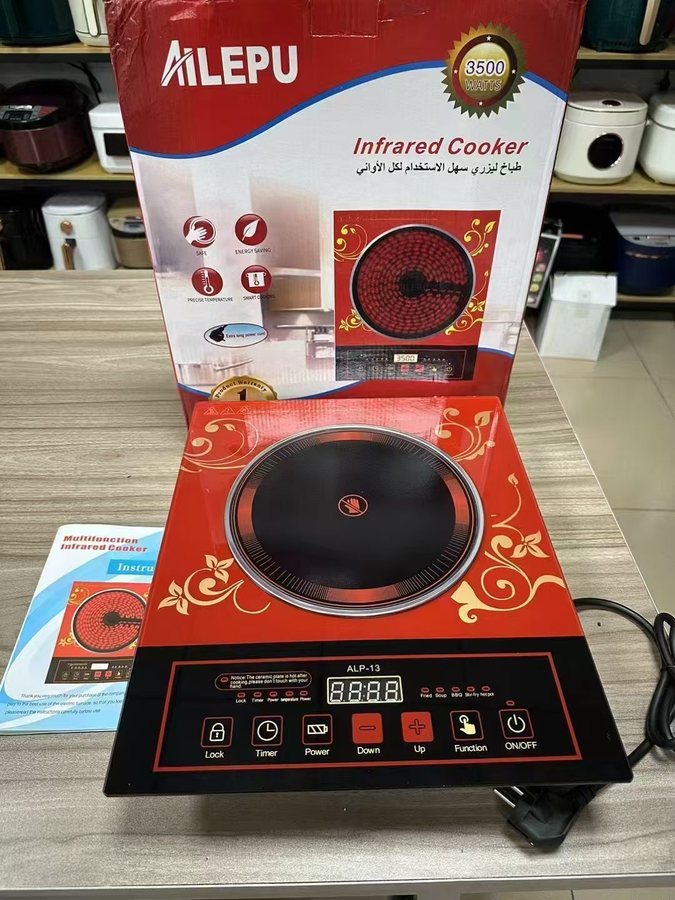
Ceramic Hobs
Ceramic Hobs
Ceramic Hobs
Ceramic Hobs
Private label work is not complete when a logo is placed on a ceramic hob. An OEM order connects one model and component architecture to the destination electrical version, supported claims, artwork, manual, color box, master carton, inspection plan and repeat-order record. Each approval should use a revision code or dated file.
Model selection comes first. The current catalog contains single-burner and double-burner directions with different levels of published data. Where a route has no model code or incomplete technical fields, create a controlled reference and close the missing information before artwork uses a specification or performance claim.
Artwork approval should compare the product label, panel graphics, logo position, color box, manual, barcode and carton marks against the signed specification. A spelling correction or visual change can still create a version-control problem if production uses an older file, so the order record should identify the final released artwork package.
Before shipment, inspection should check the approved sample identity, visible components, controls, electrical label, artwork revision, packing and carton marks. Repeat orders should reference the same baseline and disclose any proposed component or packaging change before production release.
Use these gates to keep the buyer, factory and inspection party on one version:
Choose one route, sample and BOM direction before creating packaging. Similar-looking hobs are not interchangeable when their glass, heater, control board, cable, plug, labels or packed dimensions differ.
Only claims supported for the exact approved model should appear on the product or packaging. Destination compliance remains subject to local review, and document availability must be checked by model and configuration.
The released pack should identify every approved file and language version. Production should use only the final revision, while superseded files remain archived so later disputes can be traced.
The retained sample, signed specification, artwork pack and inspection record form the baseline for future orders. Proposed changes to key components, claims, artwork or packing should be disclosed before the next production release.
A useful request identifies the catalog route or model, quantity, destination country and port, buyer channel, cookware use, plug, voltage, frequency where applicable, packing, OEM scope, evidence request and inspection expectation. Public prices are not shown because the order basis must be defined first.
Related Decision Records