Direct Answer
Seasonal carryover exposure rises when ordered quantity is not supported by the buyer's remaining selling window and channel evidence. Review it by SKU, region and realistic warehouse date. Include markdown scenarios, storage, financing, damage, model aging and committed cash, not only unsold unit cost.
Late Arrival Changes the Buyer Decision
A later warehouse date leaves a different amount of time for dealer allocation, sale and collection. The importer should recalculate stock cover and commercial scenarios from the new date instead of assuming the original plan still applies.
Before confirming quantity, compare the latest realistic warehouse-ready date with buyer-recorded weekly movement and the latest useful arrival cutoff. If the order misses the buyer's written threshold, reduce, defer or stop the quantity. This process does not guarantee price recovery, cash flow, margin or profit.
Identify Slow Stock by SKU and Region
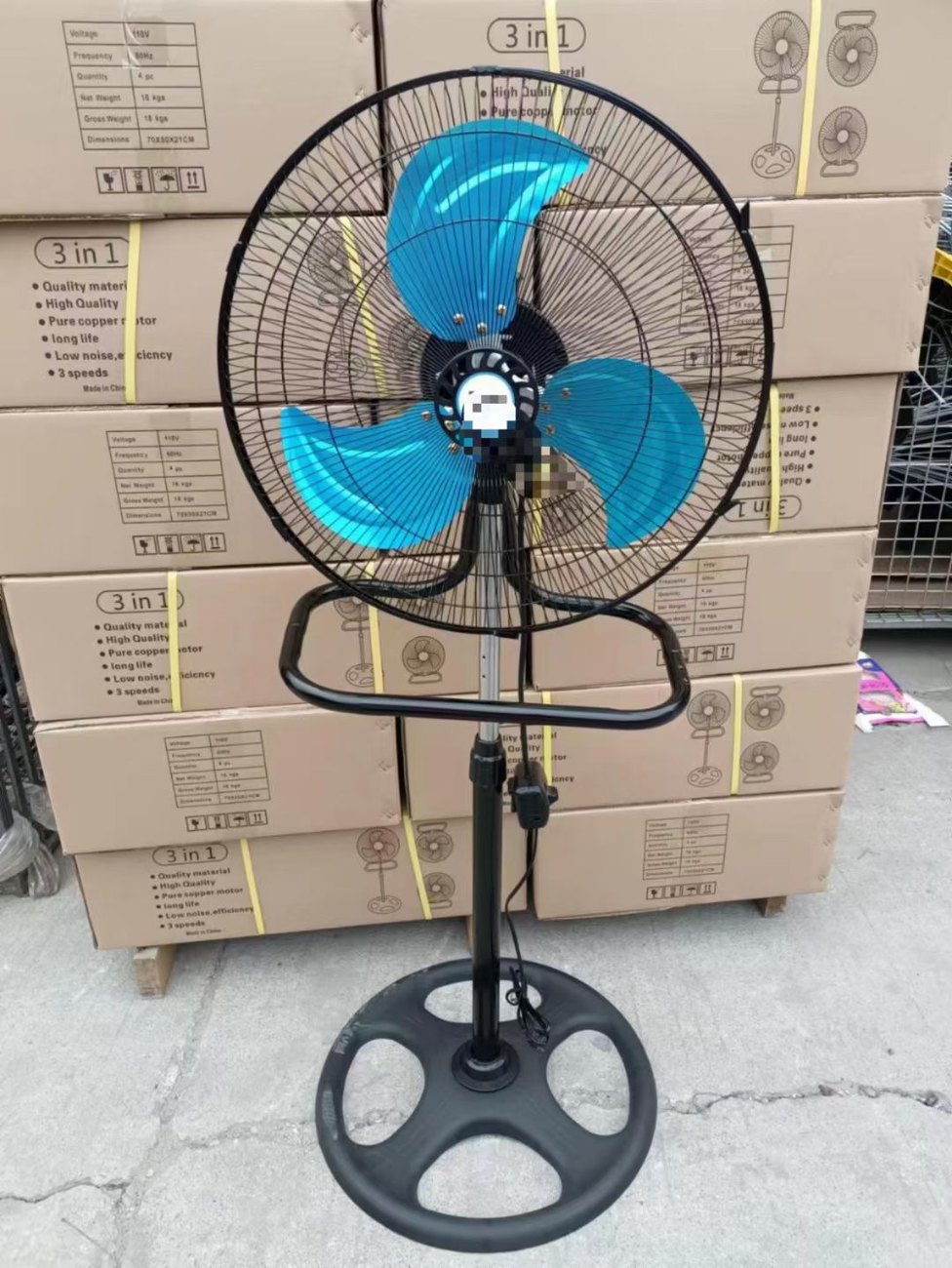
Total sales can hide weak inventory. One 18-inch model may sell strongly while a color or feature version remains untouched. One city may need replenishment while another dealer network is full. Track opening stock, weekly sales, current stock and returns separately.
Do not move more stock into a weak region only to reduce the central warehouse number. Channel inventory is still the importer's commercial risk.
Calculate the Full Carryover Cost
Unsold fans use warehouse space, working capital and management attention. Packaging can become damaged, labels may need updating, and dealer confidence may fall if the importer later discounts heavily. Batteries in rechargeable products can also require storage and maintenance attention according to the approved product guidance.
Estimate the cost of holding inventory until the next likely selling window. Compare this with a controlled markdown or transfer to a stronger region.
Use an Early Warning Threshold
Set a review date before the buyer's verified selling window ends. If stock cover exceeds the remaining evidence-supported selling weeks, stop the automatic reorder and choose a documented action. Waiting can reduce the buyer's available options and increase markdown exposure.
The threshold should use normal weekly sell-through, not the best promotional week. Include inbound containers that have not yet reached the warehouse.
Choose the Correct Recovery Action
- Reallocate: move stock only to a region or channel with documented movement and available capacity.
- Bundle or promote: test a defined action without assuming price recovery.
- Reduce future quantity: change the next SKU mix using actual evidence.
- Carry over selectively: keep only models supported by documented year-round or next-window evidence and approved storage guidance.
- Exit the weak SKU: stop allocating new quantity to a model without a supported commercial role.
Do Not Solve Slow Stock with More SKUs
Adding new colors or features can make the inventory harder to manage. First identify whether the problem is price, model fit, timing, dealer coverage, product presentation or quality feedback. The next order should correct the cause, not cover it with more variety.
Keep Product Identity Stable for Carryover
Carryover stock should remain traceable by model, market version and batch. If the next order changes components, labels or packing, the importer must know which version is in each warehouse. Mixing old and new versions without control creates service and customer confusion.
Use the Factory Discussion Before Quantity, Not After
The factory can compare carton volume, model direction, production constraints and OEM fragmentation. The importer contributes local price, dealer sell-through and seasonal timing. Sharing both sides before the order is more valuable than discussing unsold stock after arrival.
Slow Stock Risk Checklist
- Quantity tested against realistic warehouse arrival
- Sell-through tracked by SKU, region and channel
- Inbound goods included in stock cover
- Markdown, storage and blocked cash included
- Early warning review date set
- Reallocation based on verified demand
- Weak SKUs removed from the next order
- Carryover batches kept traceable
Control Seasonal Cash, Not Only Shipment Volume
Yaoyuan Electric supplies wholesale electric fans for importers, distributors and OEM buyers. MOQ starts from 1000 PCS. Send the target season, model mix, quantity, sales channel and destination port. The factory can return model, carton, production and order-condition inputs for the buyer's inventory plan. Sell-through, allocation, selling price, carryover exposure and profit remain buyer-owned decisions.