Identify the board
Record the appliance model, electrical version, PCB code and visible revision reference.
Control the Electronic Version Before Production
For air fryer, blender, fan, rice cooker and other appliance buyers who need the control-board revision, functional behavior, approved sample and production changes to remain traceable.
Direct buyer answer
Record the appliance model, electrical version, PCB code and visible revision reference.
Test the display, keys, programs, sensors, timing, alarms and protection response on the finished appliance.
Keep the approved sample and specification as the practical comparison reference.
Require written review when the board, firmware, critical parts or connected components change.
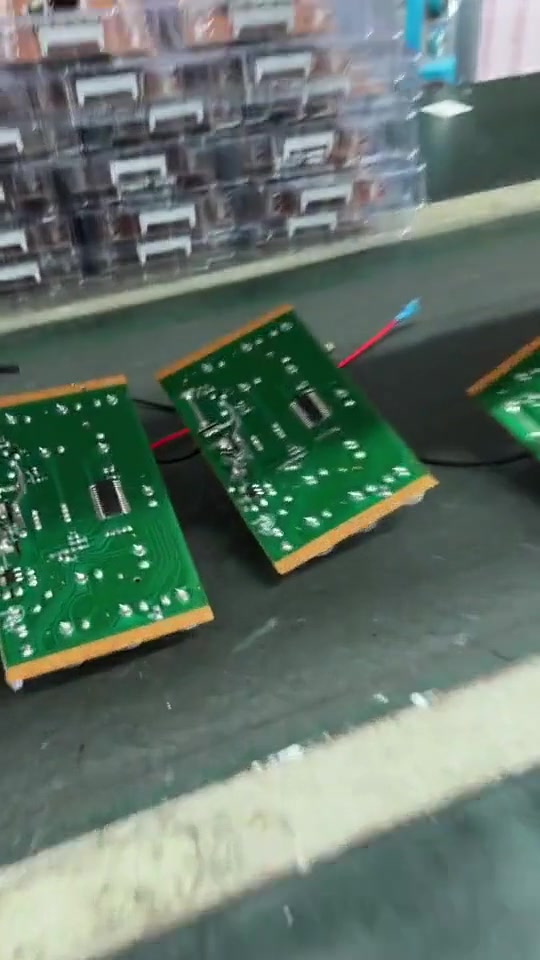
The PCB is part of a finished appliance system. Its acceptability depends on the appliance model, rated voltage and frequency, display, sensors, heating or motor load, protective devices, wiring and programmed behavior. A board photo or workshop video can prove that control-board production exists, but approval should be based on the finished appliance version that the importer intends to buy.
Start with the commercial model and exact electrical configuration. Record voltage, frequency, rated power, plug route and the connected heating element, motor, fan, sensor or display where relevant. If one appearance is sold in different electrical versions, separate those versions in the specification and sample records. This prevents one PCB reference from being treated as universal.
The approval record should include the PCB code or revision visible on the approved board, the finished appliance model it belongs to and the date or sample reference used for approval. Photos should show the board clearly enough to distinguish revisions. Where firmware or program logic affects functions, record the functional version or test result even when a separate firmware number is not available to the buyer.
Test the control board through the user interface and the connected appliance. Depending on the product, checks may include power-on behavior, keys, display segments, preset programs, speed or temperature changes, timer accuracy, sensor response, audible alarms, memory behavior and shutdown. The approved result should describe what the customer can observe, not only that the PCB powers on.
Importers should identify functions that affect safe or expected operation. Examples can include temperature sensing, over-temperature response, motor control, lid or drawer detection, dry-run behavior, fuse or protective device coordination and abnormal-condition shutdown. The exact checks depend on the appliance and market requirements. These items should be connected to the finished product test basis rather than assumed from a generic board.
Keep an approved finished sample when practical. The sample shows the combined behavior of the PCB, display, sensors, loads, housing and user controls. The written specification should record the features that must remain consistent. Neither the sample nor specification should stand alone: the sample shows the physical result, while the document makes the decision traceable.
A component substitution may affect performance, supply continuity or compliance evidence. Require the supplier to identify the change, reason, affected order or batch and validation completed. The importer should decide whether document review, a new sample, a focused test or renewed compliance review is required. Uncontrolled substitution is more important than cosmetic differences in a PCB photo.
The pre-shipment check should identify the production lot and test a defined sample against the approved functional reference. Inspect the display, controls, required programs and any product-specific response that can be checked without destructive testing. If board identity must be visually confirmed, agree on the inspection method before production because opening finished appliances can affect the sampling plan and packing.
The video provides real production-process evidence for buyer due diligence. It does not by itself confirm the board revision, bill of materials, firmware, test result or certification coverage for an unquoted appliance. Send the exact model and required functions so the production and approval discussion can be tied to a real order.