Buying small home appliances from China can be a strong opportunity for importers, distributors, supermarket buyers and OEM brand owners. But a good order should not start and end with the lowest unit price. A buyer needs to control product fit, quality, packing, shipment timing, compliance discussion and supplier communication before the goods leave the factory.
Zhongshan Yaoyuan Electric Appliance Co., Ltd. supports wholesale buyers with air fryers, blenders, electric fans, rice cookers, ovens, ceramic hobs, water dispenser pumps, vacuum sealers and mixed container small appliance sourcing. Our role is not only to quote products. We help buyers prepare the right requirements, avoid avoidable mistakes and build a more stable purchasing system for their local market.
1. Do Not Start with Price Alone
Price is important, but price without specification is dangerous. Two similar air fryers or blenders can have different motor quality, plug type, voltage, carton strength, control panel, accessories, packing level and after-sales pressure. If a buyer compares only one number, the final order may look cheap but become expensive after slow sales, damaged cartons or unsuitable market configuration.
A reliable quotation should be built on clear buying details: product category, model direction, order quantity, country, plug type, voltage, packaging request, OEM request and destination port. This helps the supplier recommend a realistic option instead of sending a random low price.
2. Match the Product to the Target Market
Every market has its own demand structure. A product that sells well in one country may not be the best first order for another country. Importers should consider local household habits, retail price range, channel expectations, available voltage, plug type, packaging language and competitor products before choosing a model.
For example, some markets need UK plug and 220-240V configuration. Some markets care more about color box presentation. Some distributors prefer stable volume items such as fans, blenders or water dispenser pumps before expanding into larger kitchen appliances. Product selection should follow the market, not only the catalog picture.
3. Confirm Sample, Specification and Configuration
Sample confirmation helps reduce misunderstanding before bulk production. Buyers should check product size, capacity, wattage, material, plug, voltage, accessories, carton information and operating function. If the buyer needs OEM logo or custom packing, the artwork and packing language should be confirmed early.
Specification confirmation is especially important for appliance orders because small changes can affect safety, market acceptance and after-sales cost. A serious supplier should help confirm what can be supported by model and quantity instead of making vague promises.
4. Control Packing and Shipment Risk
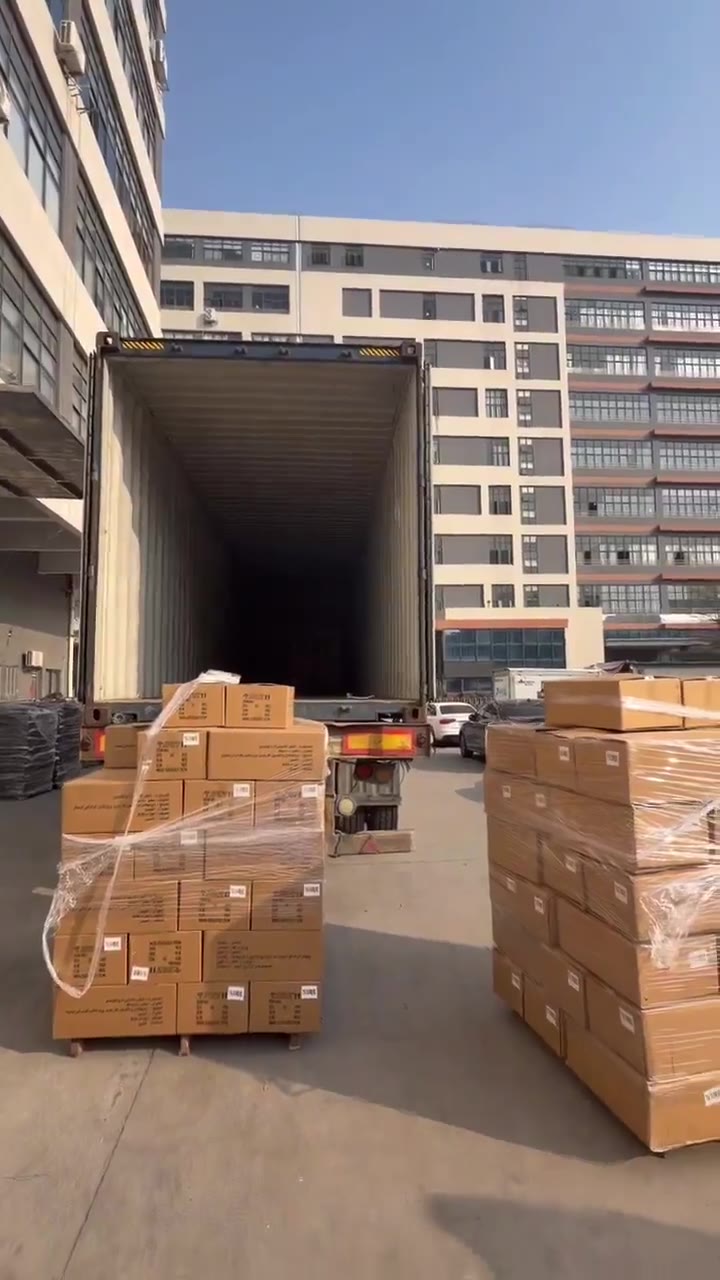
Many import risks happen after production because packing is not strong enough for export shipment. Carton strength, product protection, master carton plan and loading method should be discussed before shipment. For small home appliances, a weak carton can damage the buyer's local reputation even if the product itself is acceptable.
Mixed container orders need extra planning. The buyer should provide product categories, expected quantity per item, destination port and priority products. The supplier can then help check whether different products can be organized in one practical sourcing plan.
5. Discuss Certification by Model and Market
Certification should never be assumed. Different markets may ask for different documents, and different models may have different compliance status. CE, CB, RoHS, LFGB, ETL, UL or other compliance requirements should be discussed by product model and target market before quotation.
A careful buyer should ask which documents can be provided for the selected model, not only whether the supplier has a general certificate. This reduces the risk of choosing the wrong item for a regulated market.
6. Confirm Delivery Time Before Committing to Local Sales
Delivery time affects market timing. If buyers promise local customers before checking production schedule, they may face pressure later. Importers should confirm sample time, packing confirmation time, production time, loading plan and shipment schedule before launching a local selling campaign.
Stable delivery is also part of supplier reliability. A supplier who communicates production status clearly can help the buyer manage local customers, cash flow and repeat orders more safely.
7. Use Supplier Information to Reduce Blind Decisions
A factory-side supplier sees repeated inquiries from different markets, common configuration requests, packing trends and product movement signals. This information can help buyers judge whether a product may have circulation potential in their own market. The supplier cannot replace the buyer's local knowledge, but it can provide useful production-side information.
This is why serious cooperation should be more than a one-time order. A strategic supplier can compare available configurations against the buyer's written brief, plan OEM packaging step by step and preserve the approval records needed for a future category review. The buyer still decides market fit and inventory exposure.
8. Build a Documented Supplier Relationship
A longer relationship does not automatically reduce risk. It becomes useful when both parties preserve approved specifications, packing files, inspection records, claims and change decisions. The importer contributes current market and channel evidence. The supplier records the buyer's plug, packing, carton, quality and shipment requirements for the actual order.
Strategic cooperation can improve traceability and correction speed when both sides use shared evidence. It does not guarantee demand, sales, margin, profit, delivery or a repeat order. The buyer owns local commercial decisions; the factory coordinates available product, packing, production and inspection resources against the approved brief.
Risk-Control Checklist for Appliance Importers
- Confirm product category, model and target market before asking for price.
- Send expected quantity, country, plug type, voltage and destination port.
- Confirm sample, specification, accessories and product configuration.
- Discuss OEM logo, neutral packing or custom color box before production.
- Check carton strength, packing method and loading plan.
- Discuss certification documents by model and market requirement.
- Confirm delivery time before promising local customers.
- Build long-term supplier cooperation instead of one-time price comparison only.
How Yaoyuan Electric Helps Reduce Buyer Risk
Yaoyuan Electric supports importers and distributors with private quotation, product category discussion, OEM/ODM request review, mixed container planning, plug and voltage discussion, packaging confirmation and direct communication through WhatsApp or email. Public prices are not displayed because real B2B quotation depends on model, quantity, packing request, plug type, voltage and destination port.
If you are buying air fryers, blenders, fans, rice cookers, water dispenser pumps or other small home appliances from China, send your market information first. We can help you organize the inquiry, reduce avoidable risk and prepare a more practical factory quotation.
Contact Yaoyuan Electric for Wholesale Risk-Control Sourcing
WhatsApp: +86 186 3896 6870
Business Email: sales@yaoyuanfactory.com
Website: https://yaoyuanfactory.com