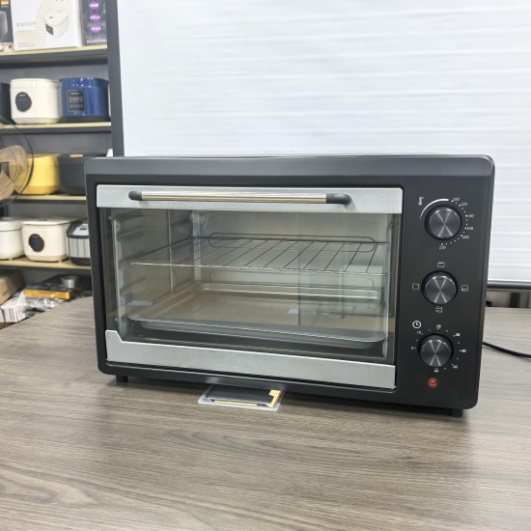
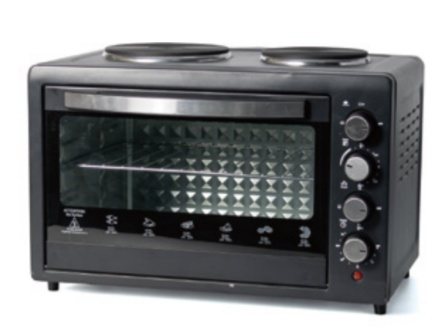
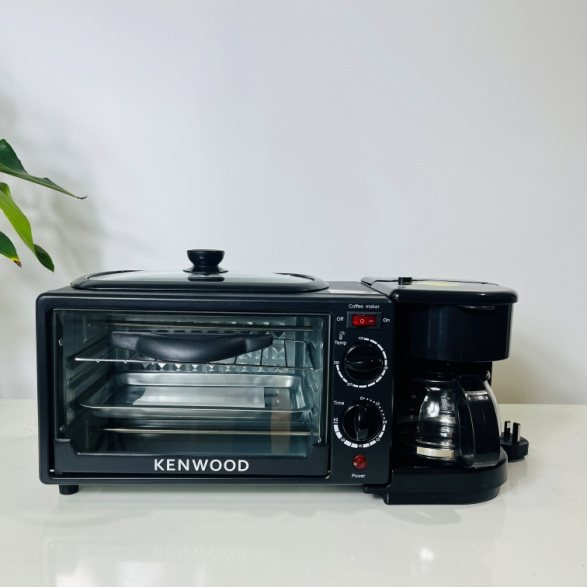
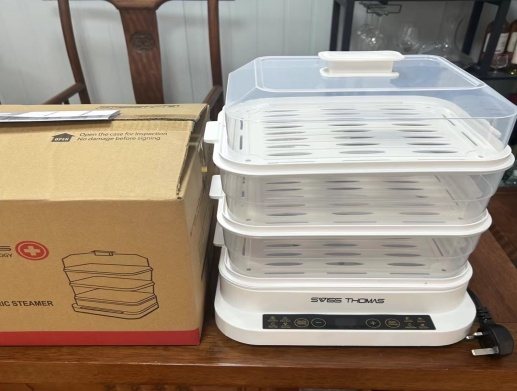
How ovens fit a mixed container appliance plan
A mixed container is a controlled allocation of SKUs, cartons, cash and market hypotheses. Before adding an oven, breakfast maker or electric steamer, the buyer should state its role in the receiving channel and what evidence supports the quantity. A category should not be included only because it appears to fill container space.
Build the plan from model-level rows. Each row needs a catalog route or controlled temporary reference, quantity, MOQ status, current sample, specification, QTY/CTN, packed dimensions, gross weight, carton count, loading basis, electrical version, packing and inspection status. Missing fields remain open until the exact version is measured or documented.
The catalog publishes several 40HQ references, but they belong to listed routes and packing assumptions. P71 lists 2,267, P74 lists 1,700, P75 and P76 each list 725, and P77 lists 756. P78 does not publish loading. Recalculate every SKU after product, accessories and packing are frozen.
One factory communication path can reduce coordination friction, but it does not make different categories identical. Keep each model's specification, evidence, artwork, carton data and inspection traceable. The buyer controls the final mix using channel evidence, inventory limits and landed-cost review.
Mixed-Container Oven and Appliance Worksheet
Build the shipment from controlled SKU rows and a documented loading basis:
- Category, catalog route, model code or controlled temporary reference
- Quantity, per-model MOQ status and unresolved feasibility questions
- Current sample, signed specification and destination electrical version
- Included accessories, labels, manuals, packing and artwork revision
- QTY/CTN, measured carton, gross weight, carton count and loading basis
- Model-specific test, evidence, inspection and change-control status
- Destination port, shipment terms and buyer's landed-cost worksheet
- Loading sequence, document consistency and post-arrival review owner
Category Role Before Quantity
State whether each SKU serves a distributor, appliance dealer, supermarket, project or established online channel and what buyer evidence supports its inclusion. This keeps capital and container space tied to a defined commercial test.
- Channel
- Comparable evidence
- Inventory limit
- Repeat-order criterion
Carton Data Gate
Container calculations should use the approved packed version. If the product, accessory set, color box or protection changes, measure again and update carton count and loading before shipment.
- Measured carton
- QTY/CTN
- Gross weight
- Loading recalculation
Shipment-Wide Traceability
Check model references, electrical labels, manuals, carton marks, quantities, packing lists and inspection records across all categories. Coordination is valuable only when category-specific evidence remains traceable.
- SKU identity
- Document match
- Inspection status
- Loading evidence
Complete Oven, Breakfast Maker or Steamer RFQ
A useful request identifies the catalog route or product URL, quantity, destination country and port, buyer channel, intended use, electrical version, included accessories, packing, OEM scope, model-specific evidence and inspection expectation. Public prices are not shown because the exact order basis must be defined first.
- Catalog route, model or controlled temporary reference
- Quantity, with MOQ starting from 1000 PCS
- Country, buyer type, channel and destination port
- Cooking task, load, usable cavity or vessel and accessory expectation
- Plug, voltage, frequency where applicable and label language
- Neutral packing, factory box or OEM artwork requirement
- Current sample, document, inspection and change-control expectations