Evidence Africa importers should send before oven selection
Africa is not one oven market. A useful RFQ begins with a named destination country, buyer type and sales channel. The buyer should provide locally verified voltage, frequency where applicable, plug and labeling requirements, plus comparable models and evidence from the intended channel. Regional assumptions should not be used as a substitute for destination-country checks.
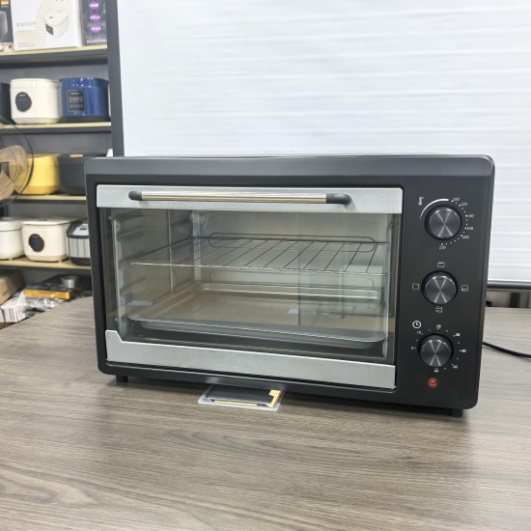
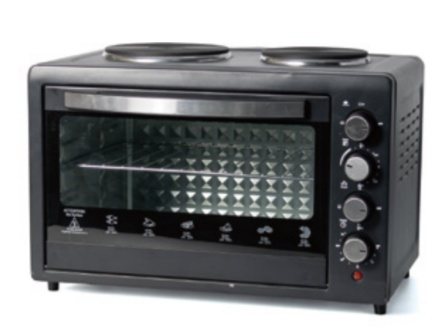
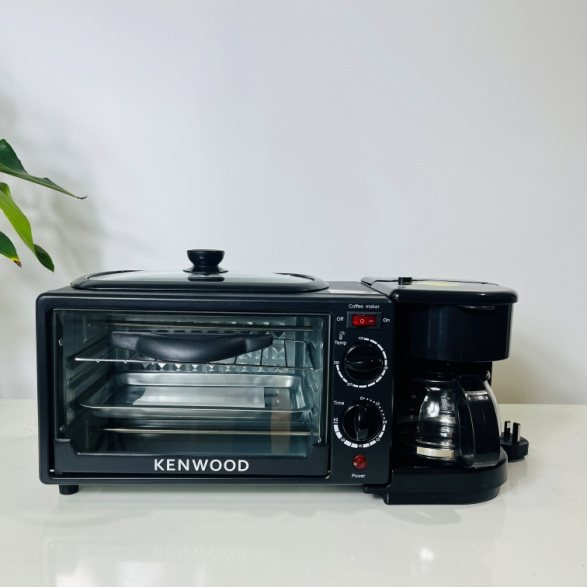
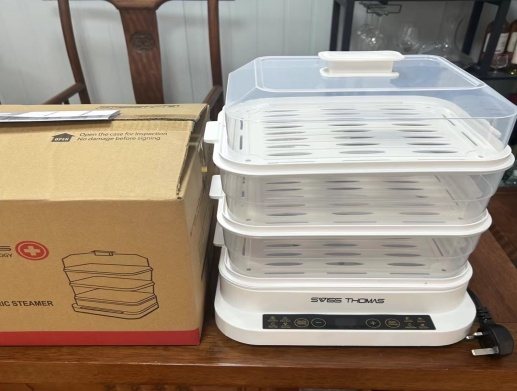
Product selection should follow the cooking task and channel. Define the required usable cavity or vessel arrangement, cookware or food load, controls, accessory set, countertop or shelf limits, service expectation and retail presentation. The factory can screen P71-P78, but sparse records remain open until current samples and specifications are available.
Commercial review should combine private quotation, approved packing, freight, duty, local charges, inland delivery, channel costs, service reserve and buyer-defined margin target. Observed local prices and sell-through belong to the buyer's evidence set. The factory should not promise demand, selling price, margin or arrival date.
For a controlled first order, set a defined SKU and inventory limit, approve the current sample and destination version, and record inspection criteria. After arrival, compare condition, buyer feedback and actual channel data with the original assumptions before a repeat order or broader model mix is discussed.
Africa Country and Channel Evidence Brief
Provide these country-specific inputs before a catalog route is recommended or quoted:
- Destination country, buyer entity, receiving channel and destination port
- Buyer-confirmed voltage, frequency where applicable, plug and label requirements
- Comparable models, channel observations and required cooking task
- Usable cavity, accessory, control, presentation and service expectations
- Selected catalog route, current sample and unresolved specification fields
- Neutral or OEM packing, language, carton marks and handling conditions
- Landed-cost inputs, initial inventory limit and buyer-owned margin decision
- Inspection plan, destination evidence and post-arrival review owner
No Country-Wide Product Fit Is Assumed
Even within one country, a wholesale market, appliance dealer and supermarket can serve different customers. Use channel evidence to define the brief rather than calling one route suitable for an entire country.
- Named country
- Named channel
- Comparable evidence
- Controlled first-order limit
Packing for the Actual Route
Packing decisions depend on product architecture, glass, door or lid, accessories and the buyer's handling environment. Approve the exact packed sample and measured carton instead of using a regional packing slogan.
- Inner protection
- Accessory restraint
- Carton marks
- Measured logistics data
Post-Arrival Learning Loop
Record arrival condition, channel feedback, service observations and actual stock movement. These buyer-owned results can guide a repeat-order discussion without being converted into a general demand claim.
- Arrival record
- Channel feedback
- Service review
- Next-order decision
Complete Oven, Breakfast Maker or Steamer RFQ
A useful request identifies the catalog route or product URL, quantity, destination country and port, buyer channel, intended use, electrical version, included accessories, packing, OEM scope, model-specific evidence and inspection expectation. Public prices are not shown because the exact order basis must be defined first.
- Catalog route, model or controlled temporary reference
- Quantity, with MOQ starting from 1000 PCS
- Country, buyer type, channel and destination port
- Cooking task, load, usable cavity or vessel and accessory expectation
- Plug, voltage, frequency where applicable and label language
- Neutral packing, factory box or OEM artwork requirement
- Current sample, document, inspection and change-control expectations