How OEM oven cooperation should be prepared
Private-label cooperation starts with a market and channel brief, but it cannot skip product control. The buyer should define destination country, buyer channel, comparable products, use case, target order, service responsibility and claims that matter. The factory can screen available catalog routes and identify which requested fields are supported, open or require a current sample.
The selected product architecture must be frozen before artwork. Record the sample identity, dimensions, heater and controls, door or lid, accessories, food-contact or heated parts, cable, plug, rating label and buyer-defined tests. For sparse catalog routes, missing fields remain open instead of being filled from a similar model.
Artwork approval then becomes a controlled translation of the approved product. Product name, model, capacity, electrical fields, functions, warnings, manual, barcode, color box and carton marks should all reference one specification revision. Unsupported marketing claims, certificate marks or destination statements stay out until exact evidence exists.
Strategic OEM cooperation continues after the first shipment. Keep a retained sample, signed specification, released artwork files, inspection record and post-arrival feedback. If a later order changes a component, accessory, label or packing item, disclose and record it before production rather than relying on an old quotation.
Seven OEM Approval Gates
Use these gates in sequence; do not release packaging before the underlying product is controlled:
- Gate 1: destination country, channel, use case, quantity and commercial brief
- Gate 2: catalog route, current sample and signed product specification
- Gate 3: electrical version, functional sequence and buyer-defined acceptance tests
- Gate 4: included accessories, material map and service-part references
- Gate 5: supported claims, destination responsibilities and model-specific evidence
- Gate 6: logo, label, manual, warnings, barcode, color box and carton-mark approval
- Gate 7: first production batch, inspection, retained sample and repeat-order change control
Logo Printing Alone Is Not an OEM Control System
A logo does not control heaters, controls, accessories, electrical labels, manuals or packing. The OEM record must identify the physical product and every customer-facing file that belongs to it.
- Controlled sample
- Controlled specification
- Controlled artwork
- Controlled inspection
First Production Batch Gate
Before full release, compare the first production output with the approved sample and specification. Check appearance, functions, electrical label, accessories, artwork, packing and buyer-defined inspection points.
- First-batch comparison
- Deviation record
- Buyer disposition
- Release evidence
Repeat-Order Change Control
A repeat order should reference the retained sample and revision. Any component, accessory, artwork, material or carton change requires written notice and a defined re-approval decision.
- Baseline revision
- Change notice
- Evidence update
- Re-approval trigger
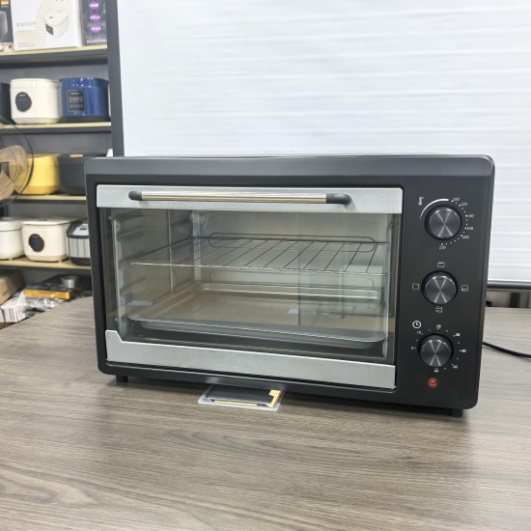
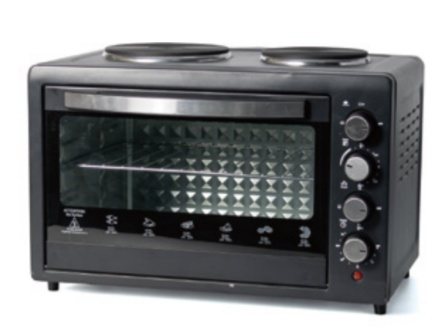
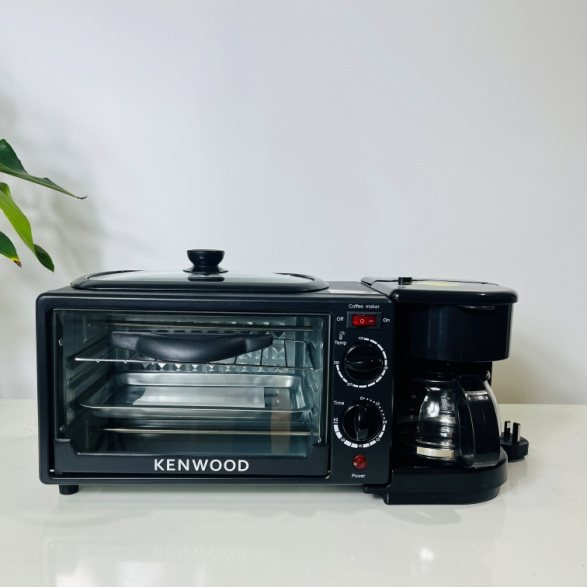
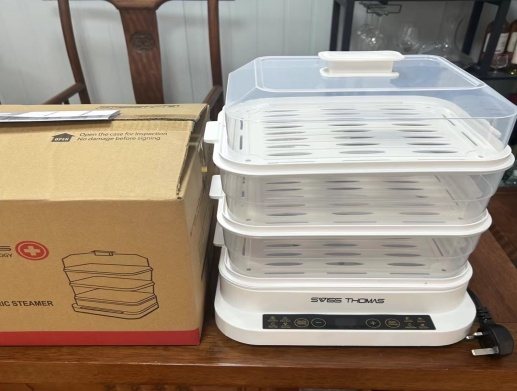
Complete Oven, Breakfast Maker or Steamer RFQ
A useful request identifies the catalog route or product URL, quantity, destination country and port, buyer channel, intended use, electrical version, included accessories, packing, OEM scope, model-specific evidence and inspection expectation. Public prices are not shown because the exact order basis must be defined first.
- Catalog route, model or controlled temporary reference
- Quantity, with MOQ starting from 1000 PCS
- Country, buyer type, channel and destination port
- Cooking task, load, usable cavity or vessel and accessory expectation
- Plug, voltage, frequency where applicable and label language
- Neutral packing, factory box or OEM artwork requirement
- Current sample, document, inspection and change-control expectations