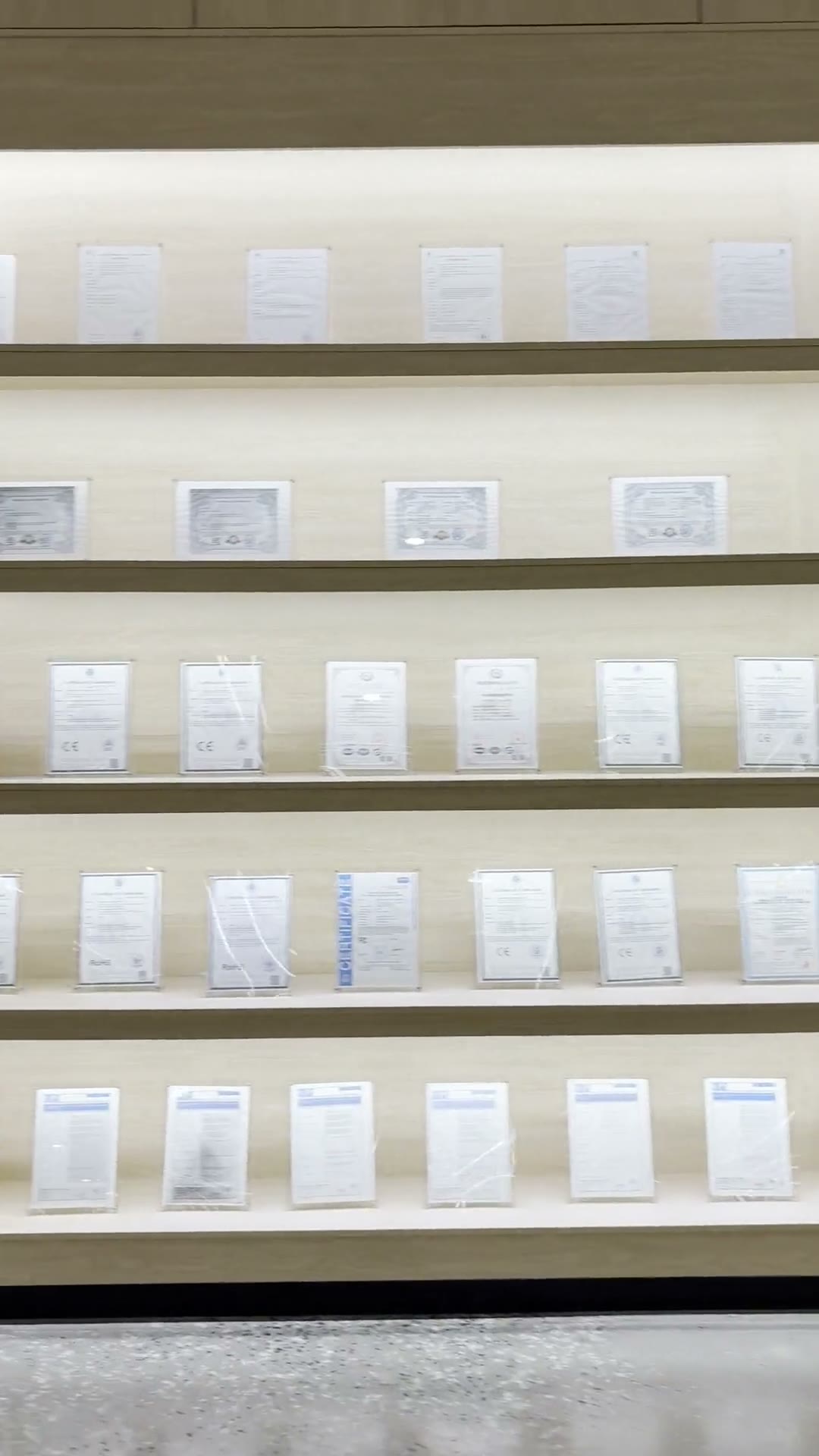
A supplier label does not prove capability. An importer should verify the legal counterparty, the actual production and supplier chain, who controls technical decisions, how the approved sample is transferred to production, how OEM files and changes are controlled, and who owns inspection and exception handling. Compare the total controlled order basis and evidence available for the exact project, not assumptions attached to the words "factory" or "trading company."
Verify the Factory’s Production Role
Ask the proposed factory contact which operations and decisions it controls for the selected order, and which depend on another supplier or service provider. Identify who transfers the approved product revision to production, maintains the OEM files and answers technical questions. The factory description alone does not establish that every activity occurs under the same entity's control.
Direct communication can be useful when the responsible people can answer and document the buyer's exact requirements. Check how that contact route works for a sample question or proposed change. For repeat orders, confirm the current revision and responsibilities again instead of assuming the previous arrangement continues.
Verify the Trading Company’s Coordination Role
A trading company may coordinate categories, production sources and commercial communication. Check its actual role in the proposed air fryer order: who will contract with the buyer, which production route is proposed, and how technical answers and approved files reach the people making the goods.
The number of communication layers does not by itself establish better or worse control. Ask how the coordinator obtains a model-specific answer, records approval and handles an unresolved issue. Evaluate the documented responsibilities and evidence for the project rather than assuming a trading route either provides or prevents effective OEM coordination.
MOQ and Factory Price Are Not the Whole Decision
Many importers start with one question: "What is your best price?" This question is normal, but it is not enough. Air fryer factory quotation depends on MOQ, capacity, control type, plug, voltage, packing, logo, carton, destination port and delivery schedule. Yaoyuan Electric focuses on wholesale buyers only, and MOQ starts from 1000 PCS.
A low price without clear packing, plug, voltage, warranty discussion or delivery planning can create hidden cost later. The real comparison should include factory price, landed cost, local wholesale margin, return risk, slow delivery risk and whether the supplier can support future orders. A serious buyer calculates the whole business, not only the first unit price.
OEM Packing Requires Direct and Clear Communication
OEM air fryer orders are not only about printing a logo. A buyer may need brand name, color box layout, local language, barcode, instruction manual, plug mark, carton mark and market positioning. These details need to match the selling channel. A supermarket buyer, appliance distributor and online seller may need different packing logic.
Before asking for OEM quotation, importers should prepare logo file, target country, selling channel, order quantity, plug type, voltage, box language, destination port and whether the buyer wants neutral packing or private brand packing. Clear preparation saves time and helps the factory judge whether the project is practical.
Quality Control Is a Cooperation Process
Quality is not only an inspection at the end of production. For air fryer wholesale orders, quality starts from model selection. The buyer should choose a model that fits the market, price level, plug requirement, voltage requirement and customer expectation. A product that is too cheap for the target channel may damage the buyer's brand. A product that is too expensive for the market may move slowly.
A factory can help discuss model level, packing strength, plug and voltage, carton requirements and delivery planning. The buyer brings market information. The factory brings product and production information. When both sides share useful facts, quality control becomes part of strategic cooperation rather than only a complaint after shipment.
Delivery and Repeat Orders Matter More Than One-Time Bargaining
Importers planning repeated orders should record movement by SKU and period, remaining and inbound stock, collections, returns, service cases, dealer requests and the next warehouse-ready cutoff. If that buyer-owned evidence justifies a reorder, the supplier must reconfirm the exact product revision, packing, current availability, inspection basis and achievable order schedule.
A one-time bargain may feel successful at the beginning, but unstable delivery or unclear packing can damage the buyer's local market. A reliable supplier should help the buyer think about season, freight timing, carton loading, destination port and whether the product can support repeat market circulation.
Neither supplier type can guarantee demand, sales, margin, profit, capacity or delivery without current evidence and written confirmation. The useful distinction is which route can prove and control the obligations required for the buyer's exact order.
Worked example: compare who controls the order
Example updated .
Consider two unrelated, fictional replies to the same OEM air fryer brief. Neither describes a real supplier, facility or accepted order. Response A relies on a factory label and general workshop footage. Response B describes a proposed responsibility structure. The buyer's task is to identify what remains unverified, not award the order to the longer reply.
| Control question | Response A | Response B |
|---|---|---|
| Who would contract? | “We are a factory.” | Identifies a proposed contracting party and its stated role. |
| Which production route and product version? | Provides a general workshop clip. | Identifies a specific proposed production route, specification revision and technical contact. |
| Who controls approvals? | “Sales handles everything.” | Proposes named roles for technical decisions, artwork approval, inspection and release. |
A's reply leaves the contracting identity, order-specific production route and approval authority unclear. A workshop clip can provide process context, but it does not connect the buyer's proposed revision to production or establish who may accept a change. Ask A to fill those gaps against the same buying brief.
B gives the buyer more specific assertions to check. Match the proposed contracting party with its commercial records, establish the technical contact's role and ask how the referenced specification reaches the proposed production route. Where production, invoicing or other entities differ, obtain an explanation of their roles and verify the supporting record. Naming a party does not verify its identity or authority.
Use one practical question to test the proposed arrangement: if the buyer changes the color-box artwork before release, who receives the request, checks its effect, approves the replacement file and ensures the obsolete version is not used? Request the relevant procedure and responsible contacts. A description of that process is still a statement until its applicable evidence is checked; it is not proof that a particular order was controlled.
Keep the supplier's claim, supporting reference, verification status and open question together. Use the supplier evidence pack to distinguish general company context from model- and order-matched records. Carry responsibilities and product references into the technical and quality annex only when the parties have actually agreed them.
A can provide further evidence and close its gaps. B can still leave critical questions unanswered despite its detailed reply. Either supplier type remains eligible for review against the buyer's actual obligations and verified evidence. This example establishes no supplier ranking, accepted terms, approval outcome, production availability or delivery commitment.
How Yaoyuan Electric Supports OEM Air Fryer Buyers
Zhongshan Yaoyuan Electric Appliance Co., Ltd. supplies air fryers and other small home appliances for importers, distributors, wholesalers, supermarket buyers and OEM/ODM brand customers. The company supports private quotation after product model, order quantity, country, plug type, voltage, packing request, OEM request and destination port are confirmed.
Yaoyuan Electric does wholesale only. Retail and one-piece orders are not accepted. MOQ starts from 1000 PCS. Buyers can discuss OEM logo, neutral packing, custom color box, plug configuration, voltage configuration, EXW quotation, FOB quotation and mixed container sourcing according to selected model and order quantity.
Factory vs Trading Company: Practical Buyer Checklist
Before choosing a supplier, importers should ask practical questions. Can the supplier explain the model difference? Can they discuss plug and voltage? Can they support OEM packing? Can they confirm MOQ and carton details? Can they provide realistic delivery discussion? Can they help the buyer think about landed cost and market circulation? These answers matter more than a fast, empty quotation.
OEM Air Fryer Inquiry Checklist
- Target market and selling channel
- Air fryer capacity or model direction
- Order quantity, MOQ starts from 1000 PCS
- Plug type and voltage requirement
- OEM logo, neutral packing or custom color box request
- Destination port and required quotation term
- Expected repeat order or mixed container plan